Loading…
 Saturday, August 29Saturday, August 29
2 months · 12 summary articles
Over 100 convicted sex offenders against minors are currently under supervision in Cyprus, yet a stalled reform law has left critical monitoring gaps, with no dedicated inspectors in place to track their movements or prevent reoffending. The draft bill, designed to strengthen the supervision authority and tighten procedures, has languished in legislative limbo, raising urgent questions about public safety .
Police in Cyprus confirmed eight arrests overnight as part of a nationwide crackdown targeting serious crime, including illegal employment and unlicensed private security operations. The operations, conducted across multiple districts, reflect ongoing efforts to maintain public order amid concerns over gaps in offender monitoring .
The crisis in Cyprus comes as European authorities grapple with broader challenges in managing high-risk offenders. In Belgium, a legal challenge has been filed against the government’s use of bank datamining to identify potential tax evasion, with privacy advocates arguing the practice violates constitutional rights. The case, brought by the Ministry of Privacy, could set a precedent for how financial surveillance intersects with civil liberties .
Meanwhile, in France, authorities are investigating allegations of child trafficking on the second-hand fashion platform Vinted, following reports that minors may have been exploited through the site’s peer-to-peer sales network . The case underscores the evolving risks of online marketplaces, where criminal networks can exploit gaps in moderation and verification.
In Germany, authorities in Nuremberg are confronting a growing phenomenon of "grooming gangs," networks that manipulate and sexually exploit children. The issue, long associated with the UK, has now surfaced in Bavaria, prompting calls for stricter safeguards in public spaces and digital platforms .
Across Europe, the strain on law enforcement and judicial systems is evident. In Sweden, police admit they have yet to dismantle the country’s three dominant criminal networks—Foxtrot, Dalen, and Rumba—despite recent pressure. The gangs, which together generate an estimated 350 billion kronor annually, continue to operate beneath the surface, exploiting systemic weaknesses .
In Romania, the anti-corruption director of a rural investment office was detained on suspicion of influence peddling, as prosecutors expand a widening scandal involving bribes within the justice system. The case highlights the persistent challenge of corruption in public institutions .
From Tunisia to Italy, governments are responding to rising crime and corruption with mixed results. In Italy, a parliamentary commission has exposed deep ties between organized crime and local politics in Sorrento, where officials allegedly failed to shield institutions from criminal influence . In Tunisia, authorities have intensified arrests of human rights defenders and suspended civil society groups, drawing criticism from international observers over the shrinking space for dissent .
Follow us for live European news
4 further sources not geolocated

Kitajske oblasti molčijo o trčenju letala v najvišji nebotičnik v Pekingu V najvišjo stavbo v Pekingu je v petek trčilo manjše letalo, zaradi česar je policija zaprla ceste okoli nebotičnika, medtem ko oblasti niso posredovale nobenih informacij o incidentu in so na družbenih omrežjih onemogočile objave v povezavi z nesrečo.
rtv slovenia · 2 months ago

Homem detido por atear fogo em cinco casas em Lisboa Num comunicado, a PJ realçou que "o suspeito recorreu a chama direta para atear o incêndio, num contexto de desavenças familiares e com sentimento de vingança".
observador · 2 months ago

Le datamining bancaire attaqué devant la Cour constitutionnelle Un recours en annulation contre lexploration de données (datamining) du fisc dans le Point de contact central (PCC) a été déposé ce vendredi par la fondation Ministry of Privacy, active dans la défense du droit à la vie privée des citoyens, rapportent LEcho et De Tijd samedi. ...
la libre · 2 months ago

"Les jeunes qui posent des problèmes à Ostende sont présentés par certains comme des Bruxellois. La réalité est beaucoup plus complexe..." John Crombez, bourgmestre dOstende, précise que les individus problématiques se voient "interdire leur présence dans certains endroits" de la commune. ...
la libre · 2 months ago
Clan e politica, la relazione della commissione daccesso sul Sistema Sorrento: Coppola non tutelò lente dai condizionamenti di noti pregiudicati La commissione daccesso presieduta dal vice prefetto Vincenzo Chietti accertò a Sorrento un quadro di eccezionale gravità, nel quale i molteplici elementi raccolti convergono in modo univoco nel delineare una condizione di concreta, stabile e significativa permeabilità dellEnte comunale di Sorrento rispetto a interessi, logiche e metodi riconducibili alla criminalità organizzata. E uno dei passaggi […] Larticolo Clan e politica, la relazione della commissione daccesso sul Sistema Sorrento: Coppola non tutelò lente dai condizionamenti di noti pregiudicati proviene da Il Fatto Quotidiano.
il fatto quotidiano · 2 months ago
Brits warned of £2,100 fine for wearing flip‑flops in Italy
gdeltproject.org · 2 months ago
Eight arrested in nationwide police crackdown overnight Eight people were arrested during targeted operations carried out across Cyprus overnight as part of a nationwide effort to prevent serious crime and maintain public order, police said on Saturday. The eight arrests were made for a range of offences, including illegal employment, working as a private security guard without the required licence and various […]
cyprus mail · 2 months ago
Slovenska policija praznuje svoj dan. Ključni izziv je kadrovska podhranjenost. Slovenska policija v spomin na spopad med policisti in jugoslovansko armado leta 1991 na mejnem prehodu Holmec praznuje svoj dan.
rtv slovenia · 2 months ago
Austraalia peavalu: seadus keelab, aga lapsed nokivad sotsiaalmeediast jätkuvalt «teri» edasi Austraalia keelas detsembris alla 16-aastastel sotsiaalmeedia kasutamise. Nüüd avalikustati esimesed andmed selle kohta, kas see ka tegelikku mõju avaldas. Pilt ei ole eriti roosiline.
postimees · 2 months ago
Dosarul șpăgilor din Justiție se extinde. Directorul OJFIR Constanța, reținut de procurori în cazul procurorilor Niță și Ștefan Dumitru Daniel Learciu, directorul Oficiului Județean pentru Finanțarea Investițiilor Rurale (OJFIR) Constanța, a fost reținut vineri, 26 iunie, pentru 24 de ore, pentru cumpărare de influență
adevarul · 2 months ago
Over 100 convicted sex offenders against minors under supervision as Cyprus reform law stalls More than 100 people released from prison after being convicted of sexual offences against minors are currently under supervision in Cyprus, amid concerns over gaps in the monitoring system due to the absence of dedicated inspectors. A draft bill intended to strengthen the powers of the supervision authority and tighten monitoring procedures has been moving […]
in-cyprus · 2 months ago
Goljuf na telefon oškodovanca naložil nekaj aplikacij in mu z bančnega računa vzel 40.000 evrov Na Policijski upravi Nova Gorica so obravnavali dve spletni goljufiji. V prvem primeru je neznanec oškodovancu po klicu na aplikacijo WhatsApp z bančnega računa vzel 40. 000 evrov, v drugem pa prek aplikacije za trgovanje s kripotvalutami 47. 700 evrov.
rtv slovenia · 2 months ago
86χρονη έχασε 180.000 ευρώ σε τηλεφωνική απάτη, της είπαν ότι πρόκειται να αλλάξει νόμισμα η χώρα
protothema · 2 months ago
Σπείρα γυναικών ξάφριζε πολίτες σε καταστήματα και εμπορικά κέντρα στη Νέα Φιλαδέλφεια, εξιχνιάστηκαν 17 κλοπές
protothema · 2 months ago

La peine demprisonnement à lencontre dHarvey Weinstein va être réévaluée La peine de 16 ans de prison actuellement purgée par lex-producteur hollywoodien Harvey Weinstein, pour le viol dune actrice européenne en Californie, doit être réévaluée, a ordonné vendredi une cour dappel. ...
la libre · 2 months ago

– Stor fordel at alle heier på det samme laget Ølet fløt og politiet oppbemannet. Bli med på VM-patrulje.
nrk · 2 months ago
Kinderhandel bei Vinted? Frankreichs Justiz ermittelt
orf.at · 2 months ago
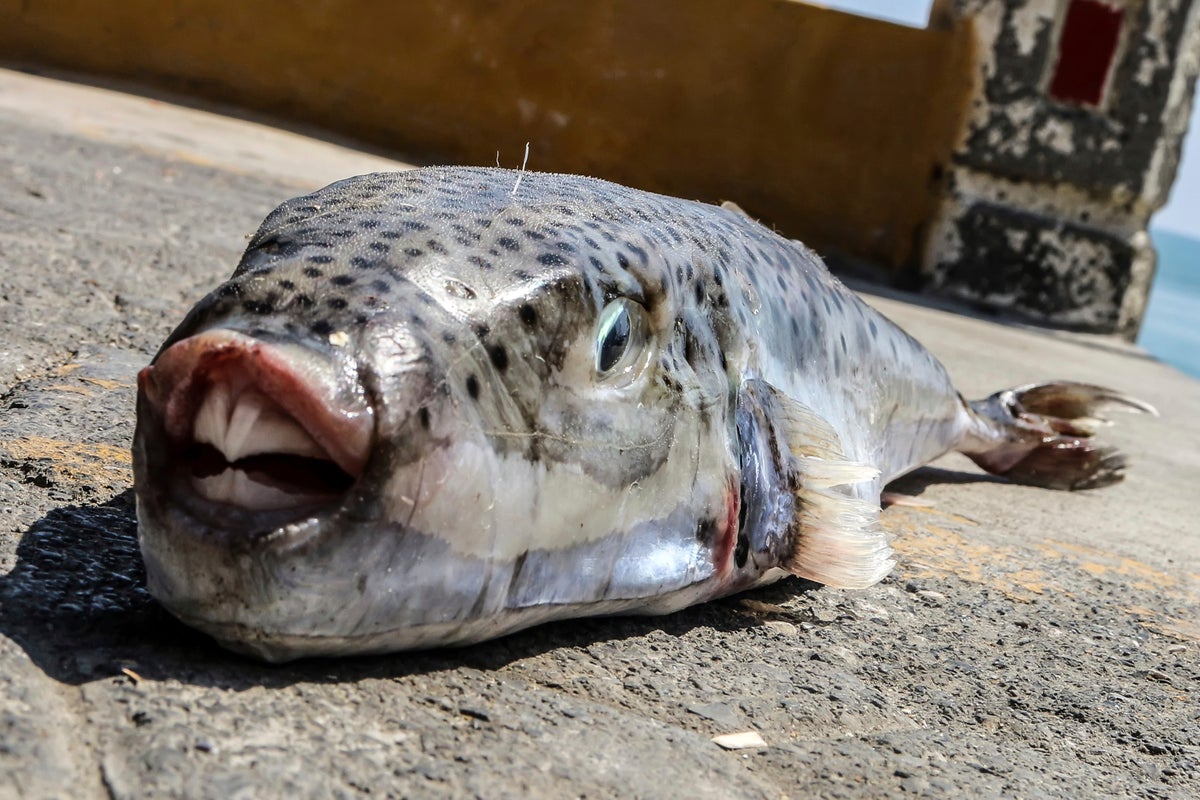
Poison fish with human-like teeth cause havoc for Greek islands as tourist season begins The fish are believed to have traveled up the Suez Canal and into the Mediterranean
independent · 2 months ago

More than 100 bishops call for humane treatment of migrants during US-Mexico border Mass Religious chaplains have been denied access to detainees on the border
independent · 2 months ago
Somali intelligence helps US arrest alleged leader of Minnesota fraud US prosecutors reach into Somalia for a suspect in US fraud case.
aljazeera · 2 months ago

La police se dote dune cellule nationale pour lutter contre le hameçonnage La Police fédérale va mettre sur pied cet été une cellule nationale chargée de mieux identifier les réseaux criminels de hameçonnage - ou phishing en anglais - et leurs méthodes, annonce Eric Snoeck, commissaire général samedi dans les titres Sudinfo et Het Laatste Nieuws. ...
la libre · 2 months ago
Caporalato alla diga di Genova, il segretario Fillea-Cgil: Carte formalmente in regola, ma nessuno verificava davvero. I lavoratori vanno protetti da ritorsioni Il nodo di questa vicenda è che siamo in presenza di grandi capitali e assenza di controlli sostanziali. Da un punto di vista formale queste aziende avevano le carte in regola, le retribuzioni erano perfette. Ma nessuno verificava davvero. In queste condizioni si mettono in moto organizzazioni criminali che gestiscono flussi di manodopera spesso non […] Larticolo Caporalato alla diga di Genova, il segretario Fillea-Cgil: Carte formalmente in regola, ma nessuno verificava davvero. I lavoratori vanno protetti da ritorsioni proviene da Il Fatto Quotidiano.
il fatto quotidiano · 2 months ago
Polischefen om gängen: Vi har inte knäckt någonting De tre tongivande kriminella nätverken Foxtrot, Dalen och Rumba har tryckts tillbaka, säger biträdande rikspolischef Stefan Hector.Men under ytan omsätter den kriminella ekonomin 350 miljarder kronor om året.
svenska dagbladet · 2 months ago

En Tunisie, le pouvoir tente deffacer tout un écosystème politique Les autorités tunisiennes multiplient les arrestations de défenseurs des droits humains, les suspensions dassociations et les mises au pas pénales et administratives. Middle East Eye est allé à la rencontre de militants associatifs qui dénoncent tous un rétrécissement de lespace politique et citoyen dans le pays dirigé par Kaïs Saïed.
courrier international · 2 months ago
Procédures-bâillons : la frêle position française face aux pressions bien réelles Sommé par lUE de mieux protéger les voix critiques du débat public, le gouvernement a longtemps temporisé avant de légiférer, sans débat et a minima. Au grand dam de la Commission consultative des droits de lhomme, dassociations, de médias et de syndicats, qui voient ces attaques en justice se multiplier.
liberation · 2 months ago
Betrugsmasche: Angeblicher Polizist bringt Senior um 500 Euro
die zeit · 2 months ago
Lifer Peter Madsen denied marriage to young woman On Friday, the Supreme Court ruled that life prisoner Peter Madsen is not entitled to prison leave or visits to get married. Both the 55-year-old inmate and a woman 30 years younger had requested permission. However, the judges upheld the authorities refusals, stating that their right to marry must be limited to protect societal interests, […]
cphpost · 2 months ago
„Sexuelle Übergriffe bis hin zu Vergewaltigungen – Nürnberg kämpft gegen Grooming Gangs Grooming-Gangs – Netzwerke, die gezielt Mädchen und Kinder manipulieren, missbrauchen und vergewaltigen – sorgen in Großbritannienseit schon seit längerer Zeit für Entsetzen. Nun rückt ein Fall in Nürnberg das Phänomen auch in Deutschland in den Fokus.
welt.de · 2 months ago
Český rozhlas a televize jsou víc než jen běžná média. Máme je v genech „Voláme českou policii, české četnictvo, vládní vojsko, voláme všechny Čechy! Přijďte nám okamžitě na pomoc do Českého rozhlasu! SS-mani nás zde vraždí! Tato slova se 5. května 1945 linula z média, které se v té chvíli stalo symbolem národního odporu.
irozhlas.cz · 2 months ago
Parászka Boróka: Nem a Cosa Nostra ez, hanem hungarikum Ahogy nagyon sajátos magyar szervezett bűnözés épült ki az Európai Unión belül az Európai Unió forrásainak megszerzésére, eltulajdonítására, úgy nagyon sajátos magyar virtusra, társadalmi önismeretre, munkára van szükség ennek felszámolásához. De a jogot jogszegéssel nem lehet helyreállítani. Nem, nem, soha.
hvg.hu · 2 months ago