
U.S. and Iran launch high-stakes talks in Switzerland amid escalating regional conflict

Story Timeline
4 months · 14 summary articles
U.S. Vice President J.D. Vance arrived in Switzerland on Sunday for high-stakes peace talks with Iran, as Tehran reiterated its closure of the Strait of Hormuz and Israeli-Hezbollah fighting in Lebanon threatened to derail fragile negotiations. Vance, who had postponed his trip on Friday, landed in Zurich to join a senior American delegation including Steve Witkoff and Jared Kushner for two days of talks aimed at finalising a 60-day ceasefire framework. Iranian state media confirmed the arrival of a high-level delegation led by parliament speaker and chief negotiator Mohammad Bagher Ghalibaf, with both sides describing the discussions as critical to ending the 114-day-old war.
The talks, mediated by Qatar and Pakistan, were set to begin in Burgenstock with Lebanon’s escalating conflict at the top of the agenda. Vance told reporters before departure that Washington hoped to make progress on both Iran’s nuclear programme and a ceasefire in Lebanon, where Israeli strikes killed 20 people on Saturday . Iran’s Revolutionary Guards declared the Strait of Hormuz shut again on Saturday, citing Israeli actions in Lebanon as a breach of the preliminary ceasefire agreed on Wednesday . The U.S. and Iran have a 60-day window to resolve contentious issues, including Iran’s uranium stockpiles and the future of its nuclear programme, but the talks face immediate pressure from ongoing hostilities.
Iranian officials insisted that a halt to fighting in Lebanon was a prerequisite for progress, while Israel—excluded from the negotiations—continued military operations in the country. The Lebanese civil defence reported 20 deaths from Israeli strikes on Saturday, underscoring the precariousness of the situation . Vance’s arrival followed a weekend of brinkmanship, with Tehran threatening to keep the Hormuz Strait closed and Washington warning of consequences if the shipping lane remained shut .
Analysts described the talks as a test of whether the fragile ceasefire could hold amid regional escalation. “The next 48 hours will determine whether this interim agreement can survive the realities on the ground,” said a senior European diplomat in Geneva. Both sides have framed the negotiations as an opportunity to stabilise the region, but the absence of Israeli participation and the unresolved Hormuz dispute risk undermining any breakthrough. The Iranian delegation, led by Ghalibaf, arrived with a mandate to address nuclear constraints and regional de-escalation, while Vance’s team sought to balance pressure on Iran with assurances on Lebanon’s security.
Follow us for live European news
Articles

Vance arrives in Switzerland for US-Iran talks Both nations seek a durable end to their war as Iran slams Israeli attacks on Lebanon as violations of interim deal.
aljazeera · 3 months ago
US and Iran face make-or-break talks in Switzerland Iranian and US officials are set for high stakes talks in Switzerland to reinforce the Memorandum of Understanding.
aljazeera · 3 months ago
Vance arrives in Switzerland for Iran peace talks with Hormuz in spotlight U.S. vice president said Washington hopes to make progress on both the Lebanon ceasefire and Irans nuclear program, while Tehrans threat to close a key oil chokepoint tests Trumps fragile deal.
politico.eu · 3 months ago
Iran postponed US talks over Israeli ceasefire violations: Pakistani sources Iran postponed technical‑level talks with the US scheduled for Friday in Switzerland to protest continued Israeli ceasefire violations in Lebanon. Tehrans chief negotiator and foreign minister pulled out at the last minute following directives from top Iranian leadership.
yenisafak · 3 months ago
Iran to press US on war deal commitments in Switzerland Irans Foreign Ministry announced on Saturday that a delegation will travel to Switzerland to press Washington for immediate implementation of its obligations under a war-ending deal, warning that any failure to fulfill commitments would place the entire understanding at risk.
yenisafak · 3 months ago
Pakistan announces US-Iran technical talks in Switzerland Pakistans Foreign Ministry announced on Saturday that technical-level talks between the United States and Iran will convene in Burgenstock, Switzerland on Sunday under the Islamabad Memorandum of Understanding, with mediators from Pakistan and Qatar facilitating the implementation discussions.
yenisafak · 3 months ago
US-Iran peace talks to begin, after Tehran closed Strait of Hormuz Ahead of negotiations in Switzerland, The Iranian Revolutionary Guard Corps has said vessels should not approach the strait of Hormuz else their security would be at risk. Iran shut the shipping lane on Saturday, saying that Israeli strikes in Lebanon constituted a breach of the preliminary ceasefire, agreed between the US and Israel on Wednesday. Iranian and American delegations are set to meet in Switzerland on Sunday to work out their interim agreement to end the war. Story by Caroline Baum and Camille Corcoran.
france24 · 3 months ago
Iran claims Lebanon main topic at peace talks with US The United States and Iran are set to start a new round of talks in Switzerland on Sunday in a bid to finalise the Memorandum of Understanding signed last week. The teams have a timeframe of 60 days to resolve some of the more difficult issues such as what will happen to Irans nuclear program and stockpiles of uranium. However the talks have already been shrouded in uncertainty as Israel and Hezbollah - not parties to the agreement - have continued to clash in Lebanon, with Tel Aviv refusing to withdraw from the territory. Story by Eliza Herbert and details by FRANCE 24 correspondent in Geneva, John Zarocostas.
france24 · 3 months ago
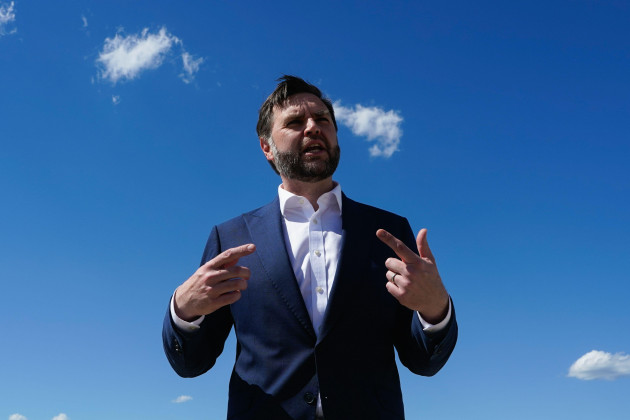
JD Vance lands in Switzerland for talks on deal to end US Iran war Iran said it had closed the Strait of Hormuz on Saturday, but US Central Command disputed the claim.
thejournal · 3 months ago
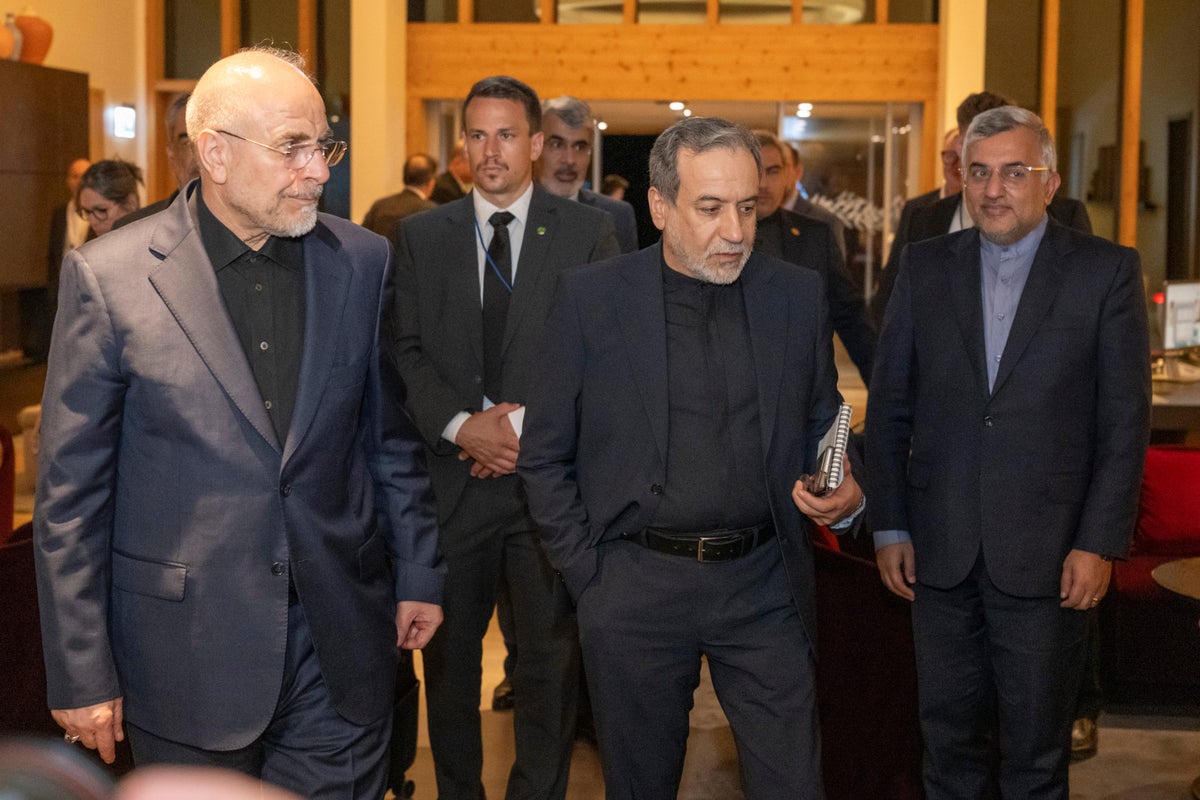
The Latest: Vance meets Iranian negotiators in Switzerland to work on details of deal U.S. and Iranian negotiators are in Switzerland for talks to work on key details of their interim agreement to end the Iran war
independent · 3 months ago
Pakistan interior minister heads to Tehran to revive US-Iran talks Interior Minister Mohsin Naqvi has departed for Tehran to discuss the resumption of direct US-Iran negotiations, following the postponement of scheduled talks in Switzerland. The visit aims to bridge gaps and explore ways to advance diplomatic efforts after the signing of the Islamabad Memorandum.
yenisafak · 3 months ago
US-Iran technical talks to resume in Switzerland within days Technical-level negotiations between the United States and Iran are expected to resume in Switzerland in a day or two, according to Pakistani government sources. Pakistans interior minister has travelled to Tehran to discuss the next phase, following the postponement of talks over Israeli ceasefire violations in Lebanon.
yenisafak · 3 months ago
Trump envoys head to Switzerland ahead of possible Iran talks Senior Trump administration officials have travelled to Switzerland as negotiations with Iran on a nuclear deal may be imminent, though Axios reports that talks have been delayed amid hostilities in Lebanon. Iran reportedly views a ceasefire in Lebanon as essential for progress.
yenisafak · 3 months ago
Iran war day 114: US, Iranian delegations in Switzerland for key talks Lebanon to top the agenda as US and Iran to hold talks in Switzerlands Burgenstock mediated by Qatar and Pakistan.
aljazeera · 3 months ago
US-Iran talks in Switzerland: Is Lebanon top of agenda; who is attending? Iran wants the US to pressure Israel to stop the war in Lebanon, which has reeled from renewed attacks.
aljazeera · 3 months ago
US and Iranian delegations arrive in Switzerland for peace deal talks "Were going to hopefully make progress on the nuclear issue, make progress on the Lebanon ceasefire issue," US Vice President JD Vance told reporters.
euronews · 3 months ago

🟠 UPDATEUS and Iran hold diplomatic talks in SwitzerlandArticle claims the US is in a difficult position due to an Iran war and asserts that President Trump has capitalized on this situation, contrasting with the known events focus on diplomatic talks in Switzerland mediated by Qatar and Pakistan.📰 #USA #Diplomacy #Geopolitics #GeoWire
mastodon bot · 3 months ago
Pakistans Sharif to represent Islamabad at US-Iran talks in Switzerland Pakistani Prime Minister Shehbaz Sharif will represent Islamabad during technical-level negotiations between the United States and Iran scheduled for Sunday in Switzerland, sources confirmed on Saturday, while Interior Minister Mohsin Naqvi traveled to Tehran to coordinate with Iranian leadership ahead of the high-stakes diplomatic push.
yenisafak · 3 months ago
🔴 Middle East live: Vance, Pakistan PM arrive in Switzerland for Iran peace talks
france24 · 3 months ago
Israel and Hezbollah trade fire, as US-Iran talks begin in Switzerland The Iranian Revolutionary Guards declared the Strait of Hormuz shut again on Saturday. Meanwhile Iranian state media says high level officials have arrived in Switzerland for peace talks starting this Sunday. And after initially cancelling his trip, US Vice President JD Vance has landed to take part. Tehrans nuclear programme and other points in the agreement are conditional on a halt in fighting in Lebanon. But the Lebanese civil defence said 20 people were killed by Israeli strikes on Saturday. Details from the ground by FRANCE 24 correspondent in Tehran and Beirut, Reza Sayah and Renée Davis.
france24 · 3 months ago

U.S. Vice President JD Vance arrived in Switzerland today for high-stakes peace talks with Iran, saying before takeoff that Washington had a couple days of talks to try to launch the next phase of President Donald Trumps fragile ceasefire agreement.
bluesky bot · 3 months ago
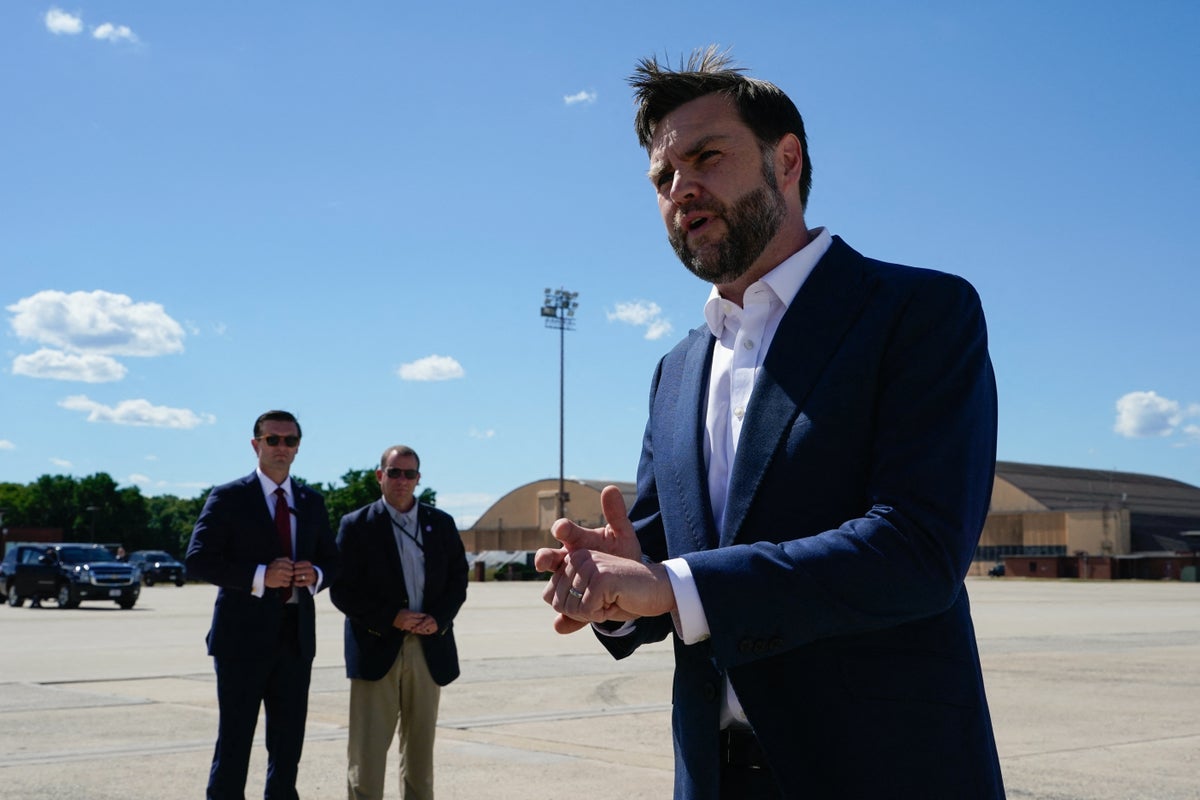
Iran-US war latest: Vance arrives in Switzerland for talks as Tehran insists Strait of Hormuz remains shut Vance joins other US officials in Zurich to hammer out peace deal terms with a battery of Tehrans leaders
independent · 3 months ago
Vance arrives in Switzerland for crunch US-Iran talks Negotiations aimed at reaching permanent end to war will initially focus on Israeli-Hizbollah conflict in Lebanon
financial times · 3 months ago