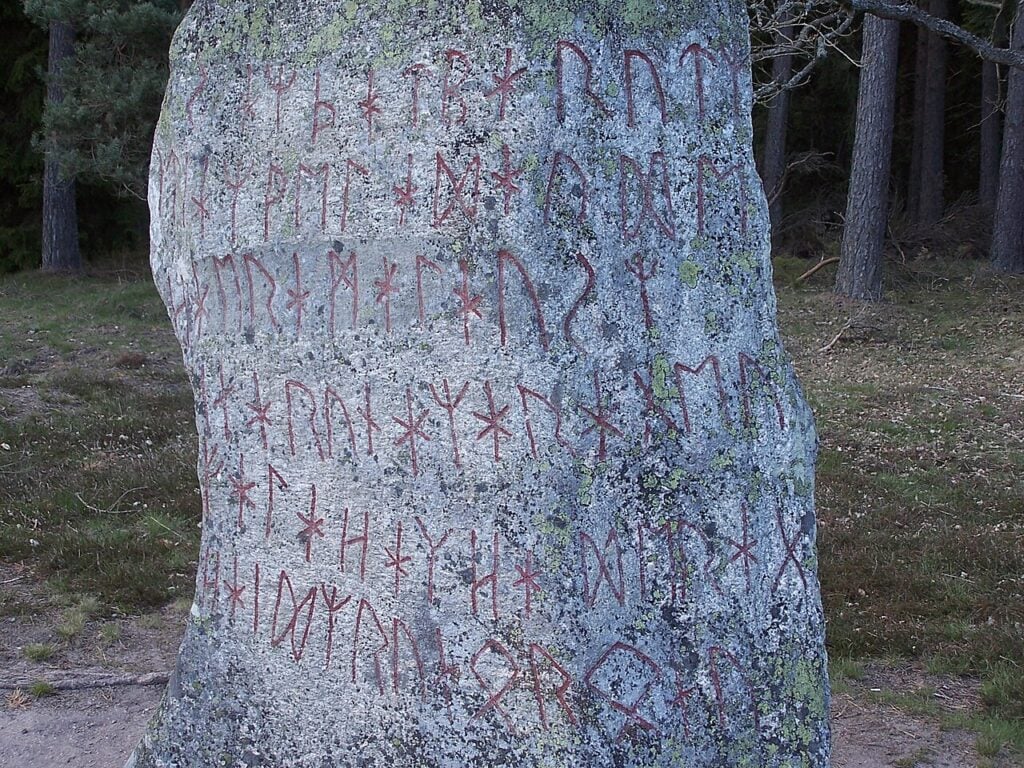
Two studies published in Nature on Wednesday use ancient DNA to show that Germanic languages reached Scandinavia 800 years later than previously believed and that Celtic originated in Central Europe .
Researchers sequenced 712 new genomes from ancient Europeans and analyzed them alongside 4,009 previously published profiles . The analysis reveals a previously unknown population migrated from the Baltic region into Denmark and southern Sweden around 4,000 years ago. This group may have introduced the precursor of Germanic languages, arriving 800 years after the first steppe migrants who were long thought to have brought the language.
The same genetic data challenges the theory that Celtic languages originated on Europe's Atlantic coast. Instead, the evidence points to a westward migration around 3,000 years ago from the Urnfield culture in eastern central Europe into France, Britain, Ireland, the Iberian Peninsula and Italy .
The studies, led by researchers at the University of Copenhagen and Leiden University, combined DNA with linguistic and archaeological evidence. "DNA sequences do not tell us directly which language people spoke," said Eske Willerslev, a geneticist at the University of Copenhagen . "But by combining ancient DNA with linguistic and archaeological evidence, we can begin to trace how languages spread and changed over thousands of years."
The research also traced later movements across the continent. Around 1,650 years ago, people from southern Scandinavia moved into present-day Germany, Poland and the Netherlands. Around 1,500 years ago, groups from Northern Germany migrated back to Denmark and southern Sweden, coinciding with the emergence of Old Norse . "We discovered a previously unknown migration that occurred at exactly the time and place where we would expect the earliest form of Germanic to be spreading," said Hugh McColl, the lead author .
Guus Kroonen, a comparative linguist at Leiden University, said the Celtic findings support the theory that the language spread from Central Europe. "The question of where Celtic languages came from has been debated for more than 100 years," he said . "Ancient DNA gives us an entirely new way to evaluate competing theories and brings important new evidence into the discussion."