Suspected cyberattacks on supermarket refrigeration systems across at least 11 European countries have spoiled tonnes of food and prompted the European Union to urge coordinated action against what officials call non-isolated incidents.
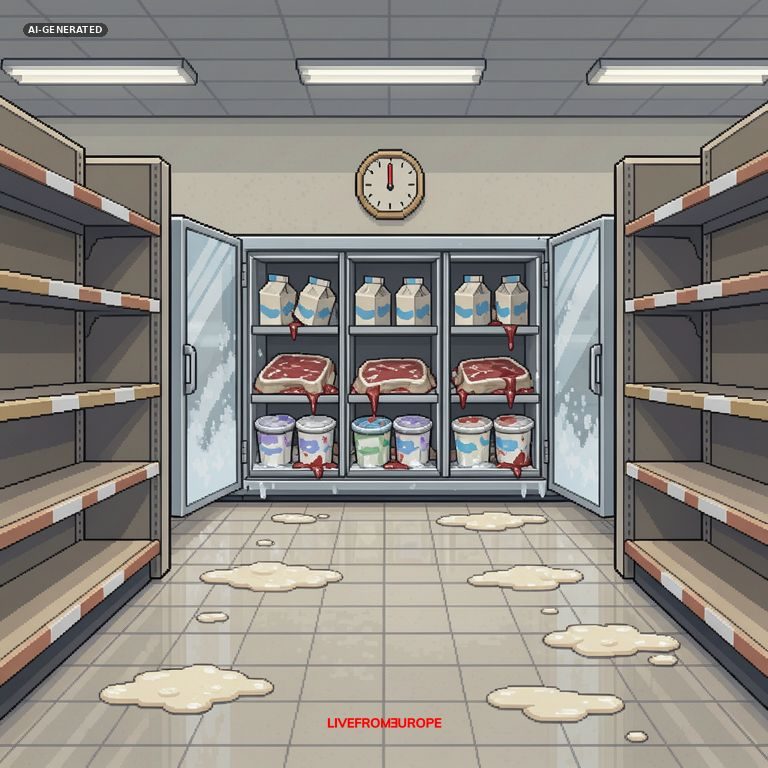
Hackers remotely raised temperatures in freezer units overnight on Monday. Readings reached 55 degrees Celsius in Sweden and 150 degrees in Greece, forcing retailers in Belgium, Estonia, Finland, Ireland, Italy, Luxembourg, the Netherlands, Portugal and Sweden to discard spoiled goods. Germany, Romania and the United Kingdom reported new cases on Tuesday, bringing the total number of affected countries to at least 11.
EU Agriculture Commissioner Christophe Hansen called the attacks a "deliberate attempt to disrupt the food supply chain." He described the repeated incidents as "deeply worrying," while the European Commission convened two crisis meetings on Tuesday to exchange information and coordinate a response. Thomas Regnier, a Commission spokesperson, said: "These are not isolated incidents, and of course, we have to be collectively resilient and prepared for such cyber incidents."
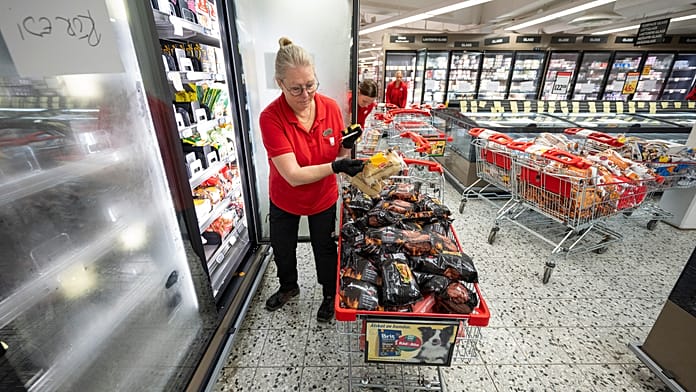
In Sweden, ICA and Coop stores reported freezers reaching 55 degrees Celsius, with goods worth tens of thousands of euros discarded. Belgian prosecutors opened an investigation after dozens of Delhaize, Carrefour and Spar stores were hit, with one shopkeeper estimating losses exceeding €60,000. In Germany, hackers switched refrigeration units to heating mode at CAP supermarkets in North Rhine-Westphalia and Bavaria. In Athens, a butcher shop's system was set to 150 degrees Celsius, destroying inventory. The UK reported three abattoirs affected as "collateral damage," though no meat was lost.
The attacks exploited internet-connected controllers made by Danish firm Danfoss and US company Copeland, often using default passwords on unsecured networks. Sweden's National Cyber Security Centre called the incidents a wake-up call, warning that attackers could cause major damage if they accessed the right companies. The UK's National Cyber Security Centre chief Richard Horne said the breaches represented "just the foothills" of potential future attacks.
Romania's cybersecurity director Dan Cimpean told AFP the attacks seemed "semi-amateurish" and that "we do not suspect, under any circumstances, that it is a state actor." Italy's government held talks with intelligence services after about 20 supermarkets were affected, with Prime Minister Giorgia Meloni's office describing the impact as "limited."