
Total solar eclipse darkens northern Spain for first time in 27 years as millions gather
Story Timeline
6 days · 8 summary articles
Millions of spectators across Spain watched in awe as a rare total solar eclipse swept across the northern part of the country on Wednesday evening, plunging regions into darkness for nearly two minutes. The event, Western Europe’s first total solar eclipse in 27 years, drew crowds to rural viewing spots, with authorities deploying a massive police contingent to manage the influx of up to 6 million visitors in northern Spain and the Balearic Islands.
In Buitrago de Lozoya, north of Madrid, onlookers clapped and cheered as the sky dimmed just after 8:30 p.m. local time (1830 GMT), with Baily’s beads—bright points of sunlight around the moon’s edge—visible for barely a minute. Economist Diego Fernandez, 32, described the gradual return of colors after totality as “impressive,” noting the reds and blues reappeared “just like at dawn and sunset.” Madrid resident Rafael Jiménez, 50, called the scene “science fiction,” adding, “It was an absurd scene; we even got soaked when the garden sprinklers kicked in.”
The eclipse’s path of totality crossed 13 of Spain’s autonomous communities, including the Balearic Islands, where the Mediterranean offered a rare vantage point. In southern Mallorca and northern Menorca, the phenomenon was visible almost perfectly, while clouds partially obscured the view in Ibiza. The event marked the first total eclipse visible from the Iberian Peninsula since 1912, with totality lasting up to 1 minute and 48 seconds in some areas.
Earlier, a break in the clouds in western Iceland allowed holidaymakers and locals a brief glimpse of the eclipse, though central Reykjavik remained overcast. Lawyer Eduarda Ortiz, 33, told Reuters the darkness in the capital felt like “a whole day just came at once,” prompting reflection on “the shortness of life.”
Among the spectators was Brian May, former guitarist of Queen, who traveled to an observatory in Spain’s Teruel province and documented the experience on Instagram. “Here we go, the sun is disappearing. It’s amazing,” he said as the eclipse peaked, followed by cheers from bystanders.
The celestial event also drew international attention, with specialized cameras capturing the spectacle from multiple European locations. NASA and the European Space Agency provided live coverage, while cruise ships, quiet towns, and festivals hosted viewing parties across the continent. In Estonia, a partial eclipse peaked at 8:53 p.m. local time, with the moon covering over 80% of the sun’s disk in Tallinn.
The eclipse followed a path that began in Russia’s remote Arctic north before arcing over Greenland, Iceland, and parts of western Europe. The next total solar eclipse visible from the Iberian Peninsula is scheduled for Aug. 2, 2027, with the path of totality crossing southern Andalusia, Morocco, and other parts of North Africa.
Follow us for live European news
- 3
- 1
- 1
- 1
- 1
- 1
- 1
- 1
- 1
- 1
7 further sources not geolocated
Articles

Gallery: Partial solar eclipse viewed from Tallinn A partial solar eclipse was visible in Estonia on Wednesday. In Tallinn, it peaked at 8:53 p.m. when the moon covered more than 80 percent of the suns disk.
news.err · about 2 hours ago
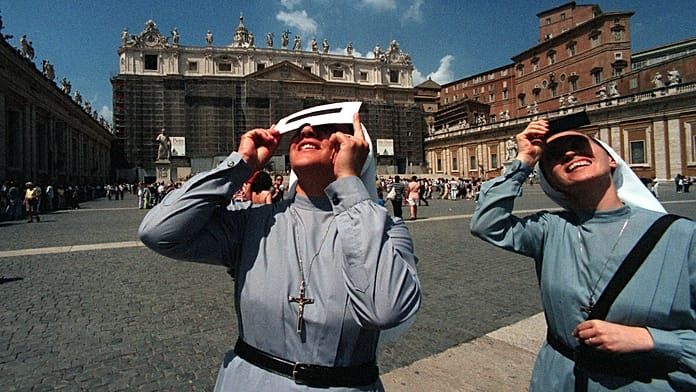
Millions of solar eclipse glasses could end up in landfill: Heres what to do instead Be a responsible consumer by following expert advice on what to do with your glasses now the eclipse is over.
euronews · about 2 hours ago
Millions of people in Iceland and northern Spain witnessed Europes first total solar eclipse in 27 years on August 12.
bluesky_Reuters · about 2 hours ago

¡Qué noche la de aquel día! La reacción al eclipse fue anticipada por los programadores del eclipse
la vanguardia · about 2 hours ago

Total solar eclipses will go extinct eventually on Earth
news.yahoo.com · about 2 hours ago
Full eclipse wows spectators in Spain, Iceland Spectators across Spain watched in wonder, some whipping off their protective glasses and rising to their feet in unison, as a rare total solar eclipse swept across the…
japantoday · about 2 hours ago

Como foi viver o eclipse no ponto de escuridão total Centenas de pessoas viveram um momento histórico na pequena aldeia de Rio de Onor, em Bragança, o sítio onde o eclipse foi total em Portugal. Faltam-me palavras para descrever o que aconteceu.
observador · about 2 hours ago
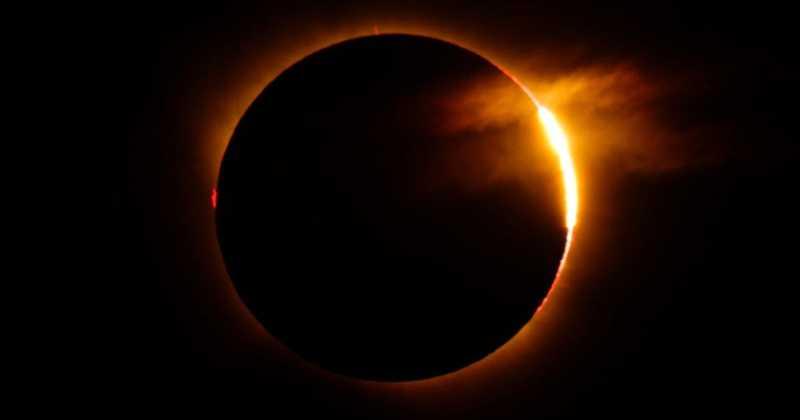
Europe sees total solar eclipse: "A very grand thing connected to something bigger than yourself"A total solar eclipse turned day into night across a slice of Europe and North America on Wednesday, and put millions in unique contact with the heavens above. Meteorologist Rob Marciano reports from Spain. #News #Europe #NorthAmerica #RobMarciano
mastodon bot · about 3 hours ago
Total darkness, then sunset as full eclipse wows spectators in Spain Spectators across Spain watched in wonder, some whipping off their protective glasses and rising to their feet in unison, as a rare total solar eclipse swept across the north of the country on Wednesday evening, plunging it into darkness. Spain deployed a massive police contingent and set up special viewing spots across rural areas that […]
cyprus mail · about 3 hours ago
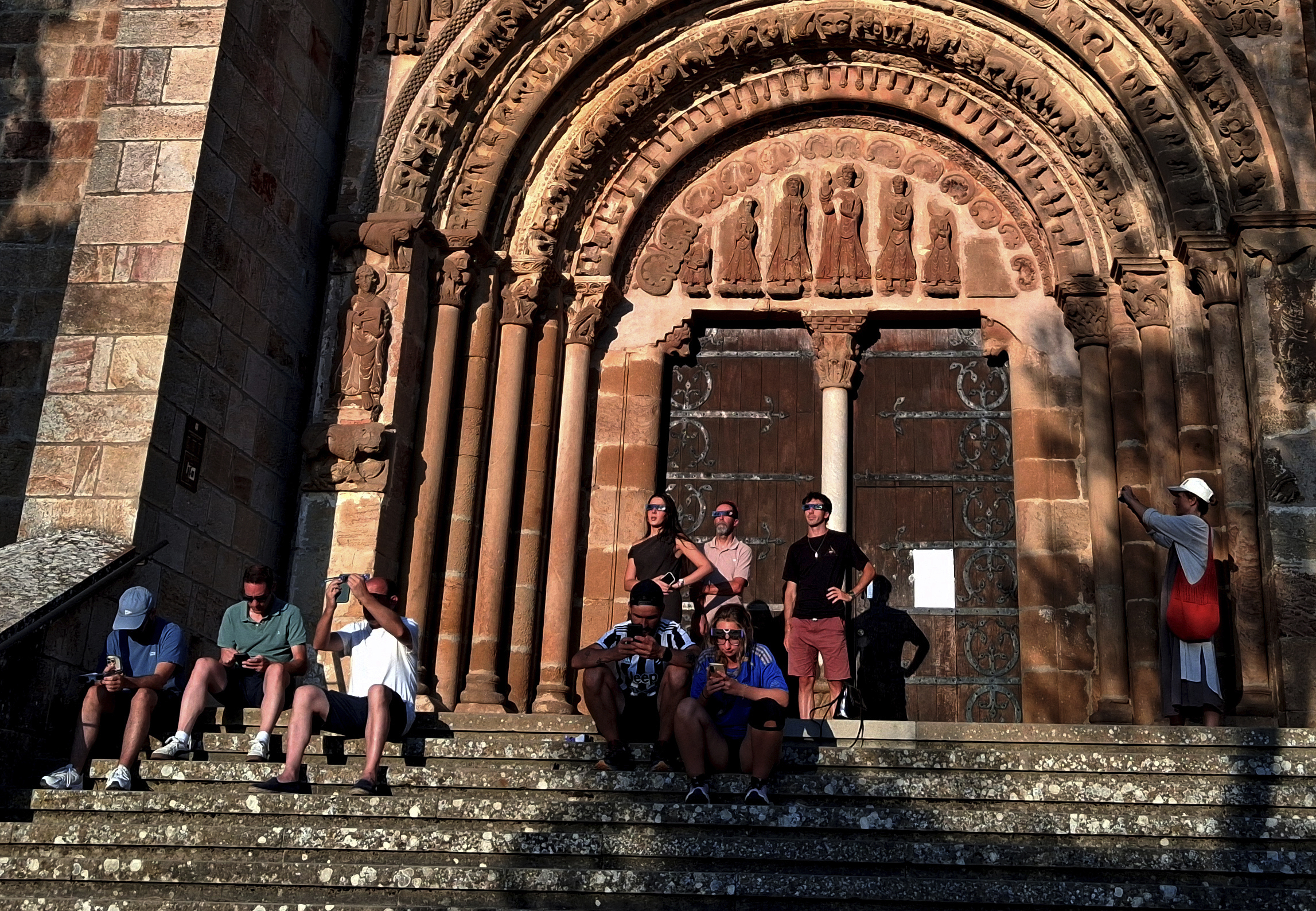
El eclipse no se gana la fe de los monjes El fenómeno solar no altera la rutina de los benedictinos que habitan en el Monasterio de Leyre en régimen de clausura Leer
elmundo · about 4 hours ago
Solar eclipse carves Eiffel Towers silhouette in Paris sky A partial solar eclipse illuminated Pariss sky over the citys iconic Eiffel Tower.
aljazeera · about 4 hours ago

Solar eclipse 2026: Hundreds queue for glasses as countdown begins Eclipse to be visible from about 6pm until 8pm, with Met Éireann forecasting the clearest skies in the east and southeast
irish times · about 5 hours ago
Olympic skateboarder times epic stunt with solar eclipse Spanish Olympic skateboarder Danny León timed a jump with the moon passing in front of the sun during a solar eclipse.
aljazeera · about 5 hours ago

Once-in-a-generation solar eclipse wows millions in UK and Europe
news.yahoo.com · about 5 hours ago
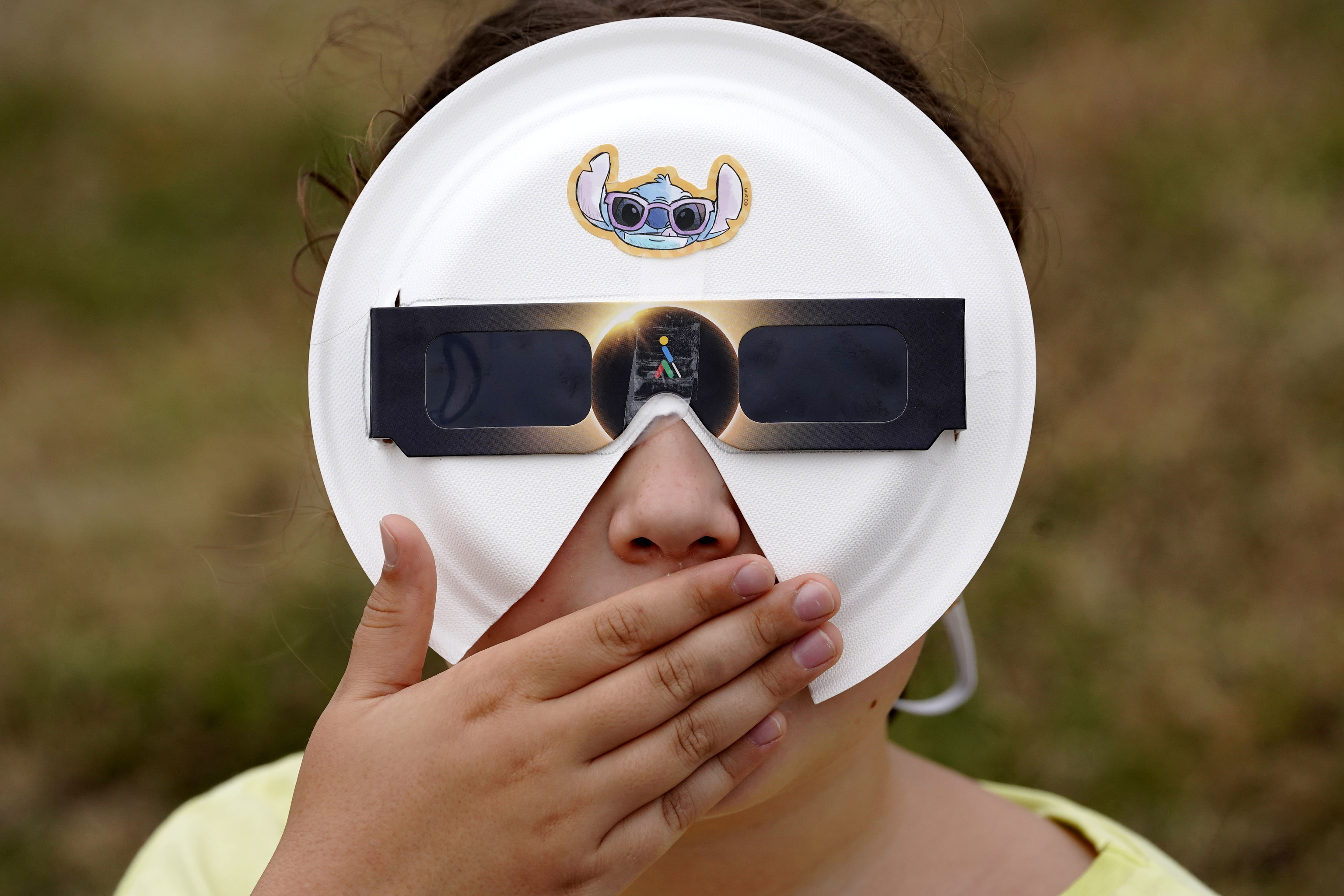
Los haters del eclipse No salgo porque alguien me haya dicho que lo haga, salgo para ver un espectáculo extraordinario y aterrador que lleva alucinando a la humanidad milenios Leer
elmundo · about 5 hours ago

Projection of solar eclipse through trees. #DE #Deutsch #Deutschsprechenden #Europe
mastodon bot · about 5 hours ago
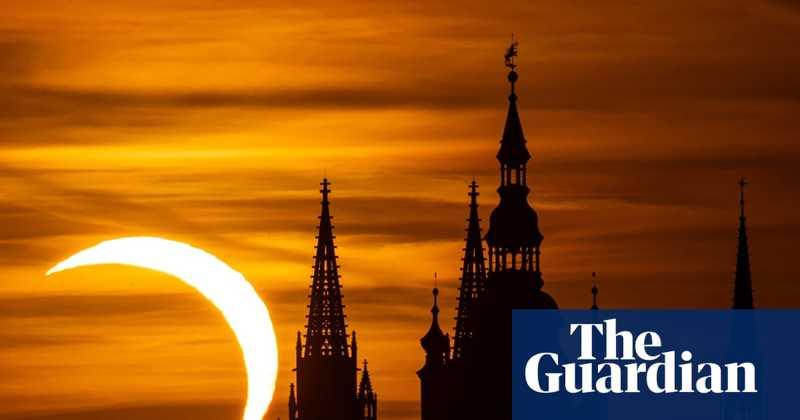
Cruise ships, quiet towns and an all-day festival: millions flock to eclipse viewing spots across EuropeBeginning in Russias remote Arctic north, the eclipse traced an arc over much of western Europe – with the best views in Spain, Iceland and Greenland #News #Spain #Europe #Iceland
mastodon bot · about 5 hours ago

Perseid meteor shower lights up skies after solar eclipse
news.yahoo.com · about 5 hours ago
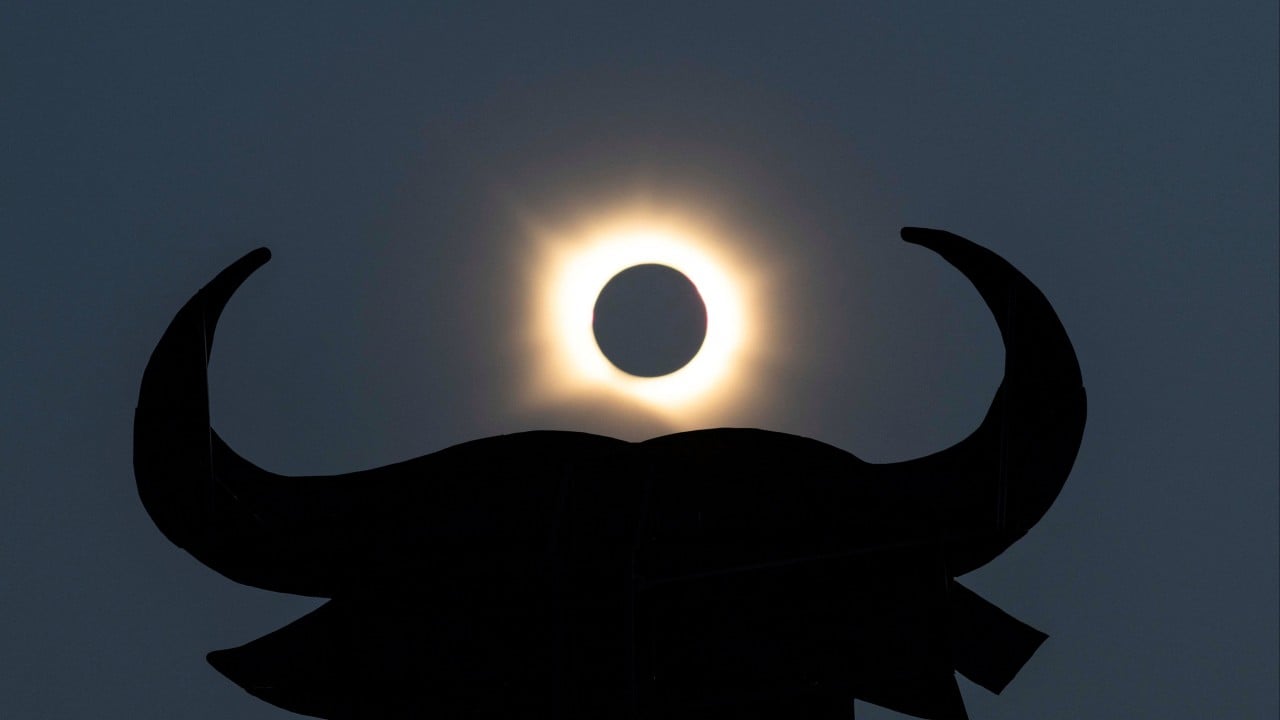
Solar eclipse turns day to night in Spain, wows crowds across Europe Day briefly turned to night in Spain on Wednesday, as the country witnessed its first total solar eclipse in more than a century, plunging it into eerie darkness in one of natures greatest spectacles. The spectral glow of the suns outer corona, shimmering out of the edges of the shadowy moon, drew gasps and cheers from huge crowds, just 90 minutes after it first appeared in the remote Arctic region of northern Russia. Its a sight I never would have imagined seeing, said Isabel Troyano, a...
south china morning post · about 6 hours ago
El eclipse sobrecoge a media España El cielo del Observatorio Astronómico de Yebes, en Guadalajara, regaló anoche un minuto de magia que supo a poco. Cuatro ministros, astronautas, científicos y decenas de invitados se estremecieron cuando el eclipse apagó el día: "Ha sido una locura total" Leer
elmundo · about 6 hours ago
The moment of the total solar eclipse in Spain This is the moment a total solar eclipse took place over northern Spain on Wednesday evening.
france24 · about 6 hours ago
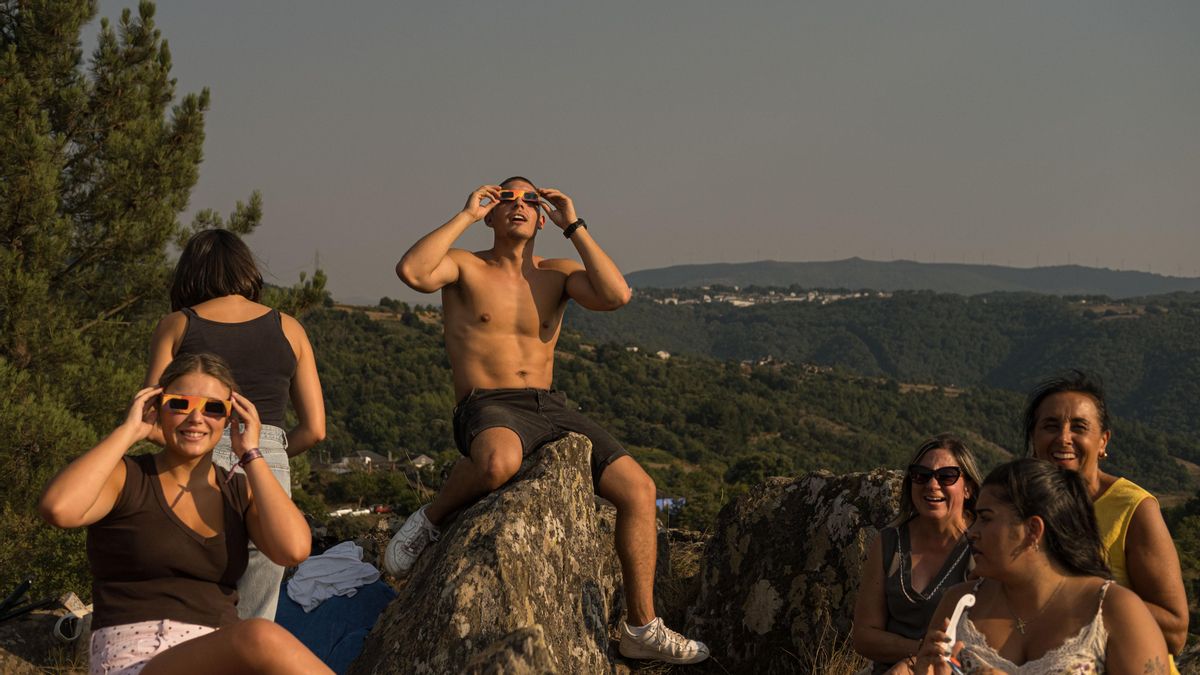
Eclipse de nube sobre el cañón del Sil en Galicia: "Era la única que había, un troleo total" Más de un centenar de personas reunidas para el acontecimiento en un mirador apartado de la Ribeira Sacra se resignan ante el intento frustrado: "Fue chulo igual"El eclipse del siglo en España, en imágenes Era la única nube que había en el cielo, se lamenta, aunque casi entre risas, una de las jóvenes de un grupo de amigos que se acercaron desde Verea (Ourense) a ver el eclipse total de Sol sobre el cañón del río Sil a su paso por O Castro de Caldelas, en la misma provincia. Lo decidieron a última hora, pero se decantaron por un lugar apartado, el mirador de As Penas de Matacás, en el que las multitudes quedaban descartadas y el cielo despejado estaba casi garantizado. Faltaban 15 minutos para la fase de totalidad y la expectación iba creciendo entre los asistentes, que iban avisando: Ya casi está, mira. Pero una nube tapó desde el norte el Sol en solo cinco minutos y no liberó la vista hasta bastante después de concluida la fase más esperada del fenómeno. Es un troleo total. Un eclipse de nube, bromea un poco más allá Iván Otero con su grupo de amigos. Se declara igualmente contento de haberse desplazado hasta el mirador, con vistas sobre el cañón y las célebres terrazas en las que se cultivan vides ladera arriba. El impacto duró poco entre los asistentes: el grupo de Verea, que recogió rápidamente las sillas y toallas que habían llevado para aguardar el eclipse, buscaba la parte positiva. La conclusión de una de las integrantes es que la experiencia ha valido la pena: Aun así fue chulo. La impresión de que se haga de noche repentinamente y, sobre todo, la rapidez con la que regresa la luz después se la llevan igual. Tal vez, añade, se desplacen a Andalucía para el del año que viene. Una nube impidió ver la fase de totalidad sobre el cañón del Sil en Galicia. A pocos metros, Alicia y Diego, una pareja que se ha acercado al mismo punto a ver el eclipse con su bebé, Rita, no hacen ademán de moverse. Siguen contemplando cómo la Luna se va desplazando y vuelve a dejar descubierto el Sol. Diego, que es aficionado a la astronomía, admite la frustración. Pero han encontrado ya un consuelo. Nos hemos propuesto que al próximo nos vamos los tres de viaje para verlo, dice Alicia. Tenían ganas de vivir el fenómeno porque, además, son productores de vino y, desde este enclave, iban a verlo justo sobre sus viñas. Pero la decepción no ha sido para todos. Unas horas antes, con el café de después de comer, Víctor Díaz y Santos Gómez comentaban en un bar de O Castro de Caldelas que iban a procurar que el eclipse los pillase a cubierto. Nacidos ambos en el municipio, desde el que el fenómeno se pudo contemplar —salvo aparición de nubes de última hora— sin dificultad, se mostraban entre escépticos y críticos. Mientras Díaz manifestaba no tener ningún interés por ver el Sol oculto tras la Luna, Gómez citaba los precios desbocados en algunos alojamientos y el negocio en el que consideraba que algunos de sus vecinos habían convertido el eclipse: Es como con el Mundial. Alicia, Diego y Rita no pudieron ver el eclipse total en la Ribeira Sacra, pero se proponen viajar para ver el siguiente. Hasta el pequeño mirador de Matacás se desplazaron más de un centenar de personas para ver el eclipse, sobre todo de la zona o de municipios no muy lejanos. El calor sofocante que se anunciaba —con acierto— para la montaña ourensana, en alerta naranja, solo disuadió a los interesados hasta las 17 horas. Desde ese momento, empezó a crecer el número de coches aparcados y el trasiego de personas que llevaban sillas, toallas y neveras portátiles en el corto trecho que hay que recorrer a pie. En torno a las 18.30 horas casi todos se habían acomodado ya y esperaban el inicio del fenómeno en un ambiente festivo, con vino, cerveza y algo de picar. Aquí el plan era tranquilo, alejado de las grandes concentraciones que se esperaban en otros puntos de Galicia, donde el eclipse total se pudo ver desde buena parte del territorio. En diferentes puntos estaban organizados mercadillos, actividades explicativas, cenas y conciertos. Es el caso de municipios como A Veiga, a los pies de Pena Trevinca, el punto más alto de Galicia. Allí, el plan se prolonga con la caída de la noche para ver las Perseidas. También en Manzaneda —como Trevinca, una de las cumbres que ardió en los enormes incendios de hace un año— el plan era quedarse a la espera de las estrellas fugaces. En Matacás, a las 21.30 apenas quedaban cuatro coches y tres de ellos eran de prensa. Mientras se alejaba del lugar, un joven que acudió con su pareja a ver el eclipse le daba la vuelta a los titulares de los últimos días: Al final, no era el eclipse de nuestras vidas.
eldiario.es · about 6 hours ago
In pictures: Partial to total eclipse sweeps across much of Europe The total eclipse in Spain – and partial eclipse seen across much of Europe – gave rise to a host of incredible photos.
france24 · about 6 hours ago

Day briefly turned to night in Spain on Wednesday, as the country witnessed its first total solar eclipse in more than a century, plunging it into eerie darkness in one of natures greatest spectacles. u.afp.com/SHnS
bluesky_AFP English · about 6 hours ago

Peregrinos viram o eclipse no Santuário de Fátima O próximo eclipse será só em 2144. Santuário acolhe por estes dias a tradicional Peregrinação dos Emigrantes.
observador · about 7 hours ago
NOW - Total solar eclipse over parts of Europe. @disclosetv
telegram_Disclose.tv · about 7 hours ago
BREAKING: Spain plunged into total darkness by solar eclipse @INSIDERPAPER
telegram_Insider Paper · about 7 hours ago

See the 2026 European Solar Eclipse, in Photos and Videos People gathered across the continent to watch the total solar eclipse on Wednesday.
new york times · about 7 hours ago
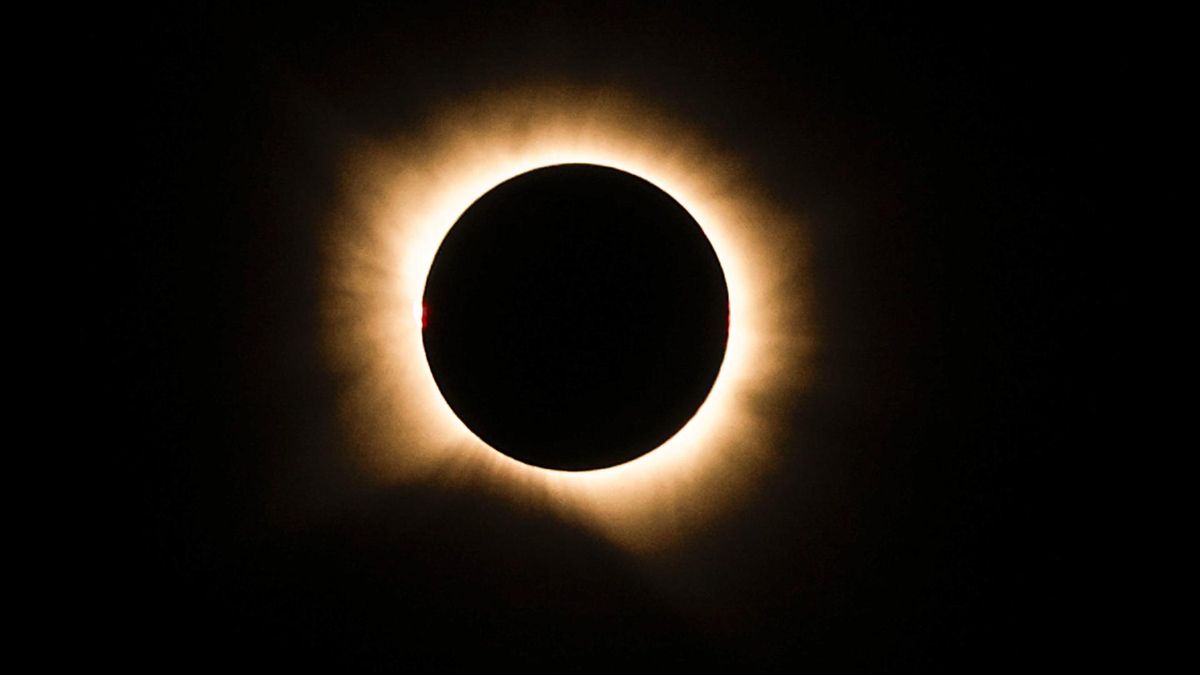
VÍDEO | El eclipse total, en un minuto La franja de totalidad del eclipse, el primero de los tres que tendrán lugar en España entre 2026 y 2028, ha pasado por trece comunidades, aunque las nubes han chafado la experiencia en algunas zonas de la costa cantábricaAsí se ha visto el eclipse total, en imágenes A las 20:26 horas, la luna ha cubierto por completo al sol en Estaca de Bares (Galicia) y Cabo de Peñas (Asturias). En los siguientes minutos, el fenómeno se ha ido desplazando por toda la franja de totalidad en la península ibérica, de donde se ha ido en torno a las 20.33. Las nubes han chafado en algunas zonas de la costa cantábrica. En total, la franja de totalidad del eclipse, el primero de los tres que tendrán lugar en España entre 2026 y 2028, ha pasado por trece comunidades autónomas: Galicia, Asturias, Castilla y León, Comunidad de Madrid, Castilla-La Mancha, Cantabria, La Rioja, País Vasco, Navarra, Aragón, Cataluña, la Comunidad Valenciana y Baleares.
eldiario.es · about 7 hours ago

Millions in Spain marvel at magical total solar eclipse
news.yahoo.com · about 7 hours ago