Europe is confronting a wave of cyberattacks and bomb threats targeting refrigerators, airports and nuclear alert systems, prompting G7 ministers to meet amid fears of election interference.
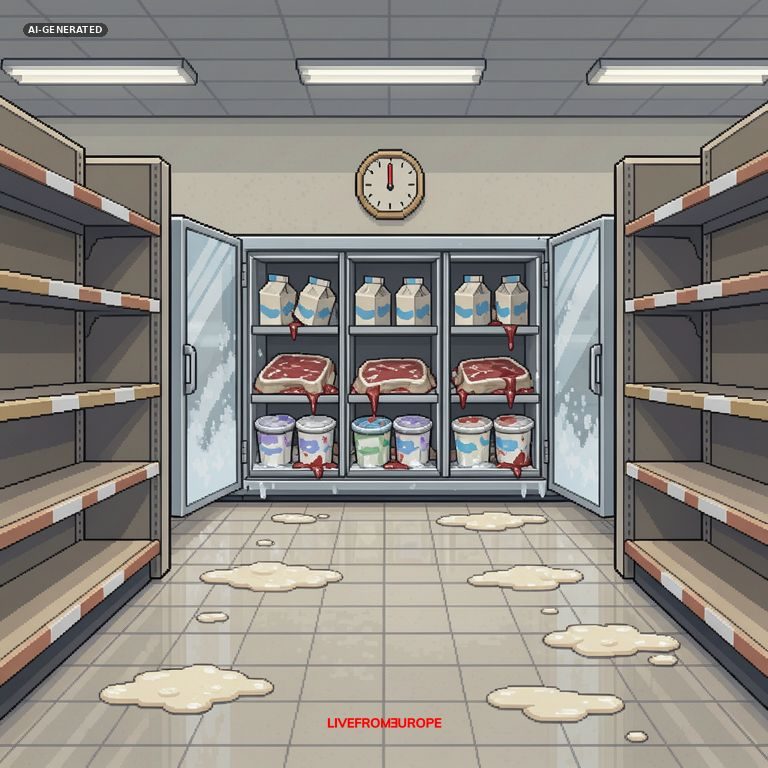
On Monday last week, Alex Pearce, who runs a fruit and vegetable wholesale business in London, noticed defrost lights blinking on his refrigeration units and panel readings of 150C . He unplugged the internet cable and was right: hackers had remotely heated the units. The same day, retailers in Belgium, Estonia, Ireland, Finland, Luxembourg, the Netherlands and Sweden reported similar attacks, with some freezers reaching 50C . French blood banks were also hit, as were Swedish chains ICA and Coop . The attacks followed a larger wave in France last month that affected roughly 700 supermarkets .
Hoax bomb threats have grounded dozens of flights across the continent and forced the evacuation of media outlets in Ireland . The wave also included a $6.3bn heist from the cryptocurrency exchange Binance on 30 October, attributed to North Korea, and a fake nuclear strike alert sent to Kyiv residents on 1 November through Ukraine's emergency app . Ireland's government said it "appears likely" the threats are a coordinated disruption campaign, while Hungary's defence minister said the plane bomb threats could be coordinated .
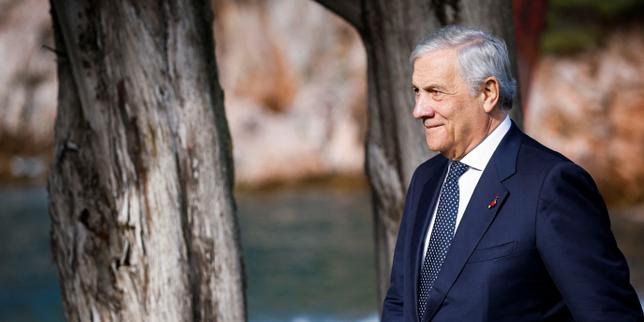
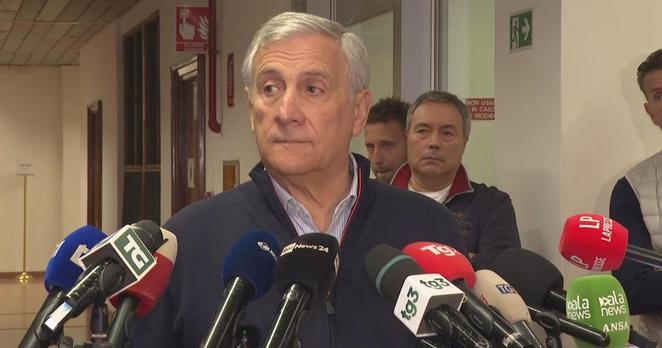
G7 foreign ministers convened in Paris on Monday to discuss the attacks . Italy's Foreign Minister Antonio Tajani placed the issue on the agenda after pro-Russian hackers posted his personal data on the dark web, an act Prime Minister Giorgia Meloni blamed on pro-Russian hackers . Tajani said future operations could seek to influence Italian opinion ahead of legislative elections expected in 2027 . Defence Minister Guido Crosetto said the incidents are linked, stating: "Everything is connected: the fridges, the blood in France, the drones, the planes, the threats" .
At least one expert said the fridge attacks bear Russian hallmarks, and Russia is suspected in the Ukraine alert . The head of Britain's National Cyber Security Centre, Richard Horne, said this week that Europe is in the "foothills" of a new hacking landscape. He warned that artificial intelligence is exposing vulnerabilities "waiting to be exploited" . The NCSC said AI-powered malware is "highly likely" to be used against British power stations, airports and hospitals by 2028 .
US federal agencies warned on Thursday that hackers are targeting refrigeration systems used to store food and medicine, urging businesses to remove control systems from the public internet and change default passwords . The attackers exploited flaws in systems made by the Danish company Danfoss, including default access passwords published in manuals . Paul Chichester, the NCSC's director of operations, said the cold storage hackers "really didn't need" AI to find the flaws . Ciaran Martin, the NCSC's founding chief executive, played down comparisons to a "Wuhan moment" for cybersecurity .