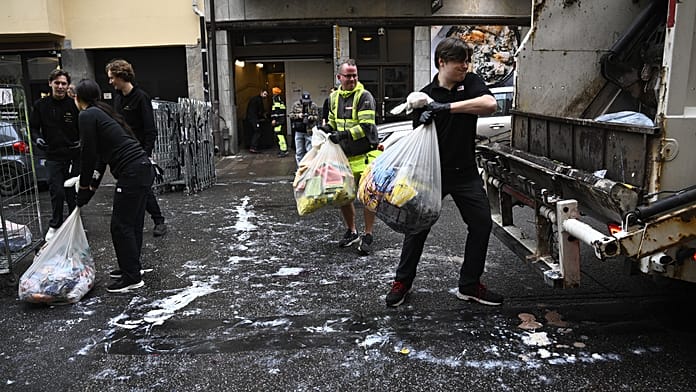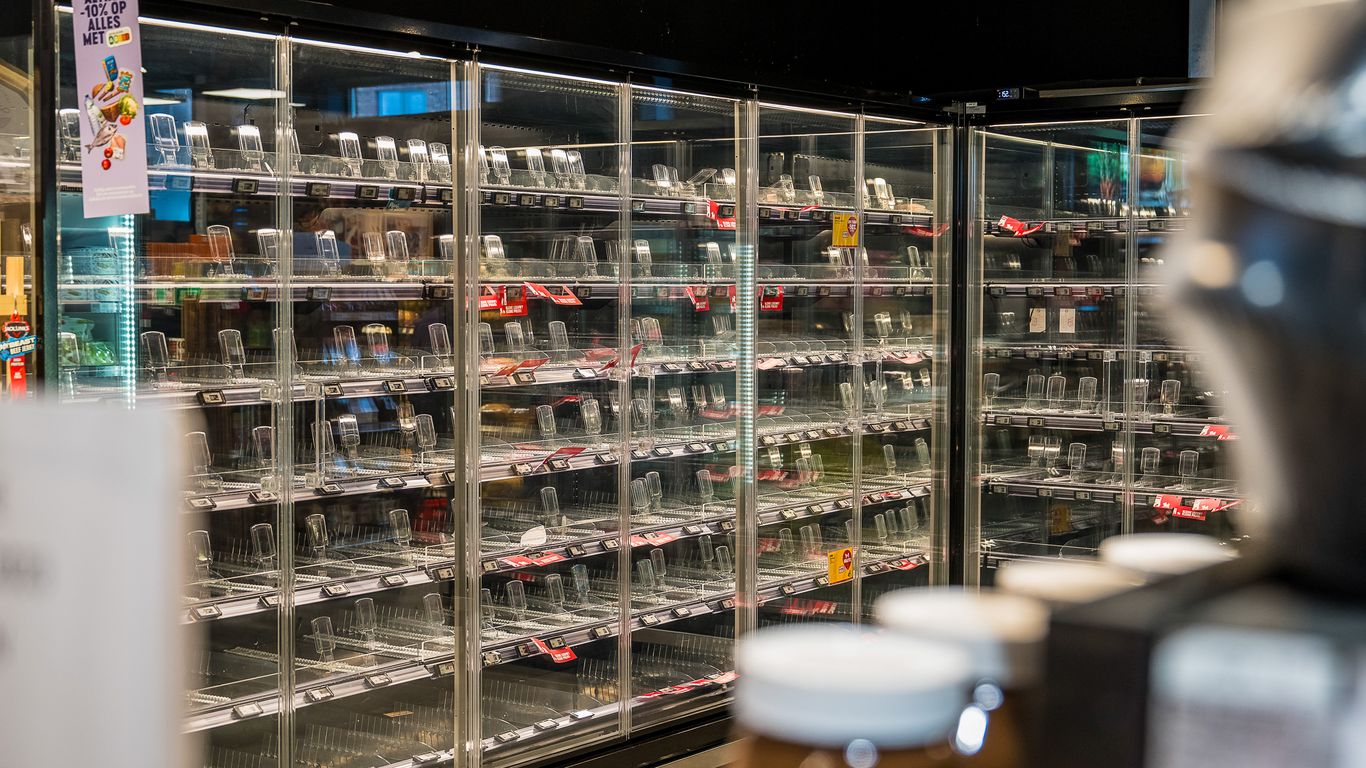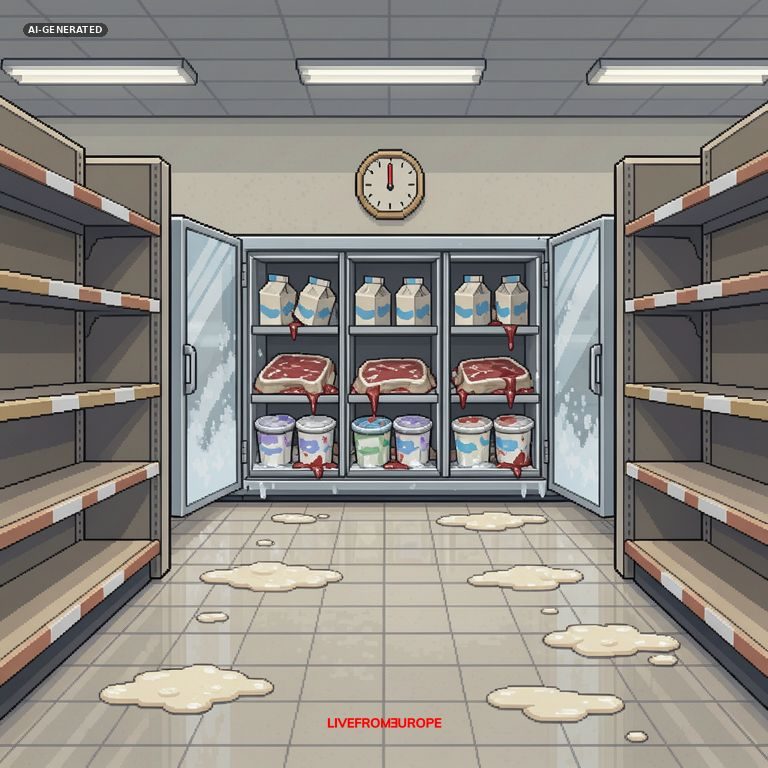
Hackers remotely raised temperatures in supermarket refrigeration systems across seven European countries on Monday, spoiling food at more than 100 stores.
The attacks hit stores across Europe overnight, with temperatures in some units reaching 55°C. Seven EU countries reported incidents. Swedish chain ICA said a store in Boda saw its freezer hit 55°C, while another in Sjöbo reached 50°C.
In Belgium, Carrefour said 15 of its more than 700 stores were affected, and a butcher in Hove lost meat worth an estimated €15,000. Irish wholesaler Musgrave removed chilled and frozen products from 13 SuperValu stores. Finland, Luxembourg and Estonia also reported problems.
The attackers targeted internet-connected controllers made by Danish firm Danfoss and US company Copeland, exploiting default passwords and unsecured networks. In the Netherlands, at least 17 businesses were hit, including butcher shops and a frozen-food storage facility. Stephan Moelans, chief executive of Belgian refrigeration company Sabcobel, said hackers switched Delhaize units into defrost mode, causing them to overheat.
The incidents mirror an attack on Oct. 12 that hit around 700 supermarkets in France, where hackers pushed temperatures above 50°C, caused fires and forced stores to discard food. Intermarché alone counted about 150 affected stores, and its parent company estimated nationwide losses in the tens of millions of euros. Some of the compromised equipment in France had reached the end of its supported life and no longer received security updates.
No group has claimed responsibility for either wave, and authorities have not identified the attackers. EU Commissioner for Agriculture Christophe Hansen called the latest incidents "a deliberate attempt to disrupt our food supply chain and undermine consumers' confidence in it." Tom Hegel, a researcher at cybersecurity firm SentinelOne, said the absence of ransom demands suggested sabotage rather than profit, adding: "A teenager and an intelligence service would look much the same from the defender's side."
Cybersecurity experts warned that outdated systems remain exposed. Researchers from UK Cyber Defence identified more than 800 refrigeration and building-control interfaces associated with British retailers that can be accessed over the public internet. Marta Rybczynska, founder of cybersecurity company Ygreky, said the fridges were "easy targets" because instructions for attacking them are available online, and suggested a state-supported group was likely behind the attacks.
Pavlina Pavlova, founder of Critical Cyber, said many controllers run on old systems that are impossible to patch, and that artificial intelligence will lower the barrier to entry for such attacks. "It will probably get worse before it gets better," she said. Ciaran Martin, former chief executive of the UK's National Cyber Security Centre, said manufacturers needed to do more to make connected devices secure.
Similar incidents were reported in Denmark, where five companies including a food manufacturer were targeted, and in Italy, where Coop stores in Sicily were affected. In the United States, the Pentagon is investigating whether cyberattacks caused freezer malfunctions at at least six military commissaries in August.