
EU bans Russian Yamal LNG trade while UK eases Lukoil sanctions
Story Timeline
4 months · 10 summary articles
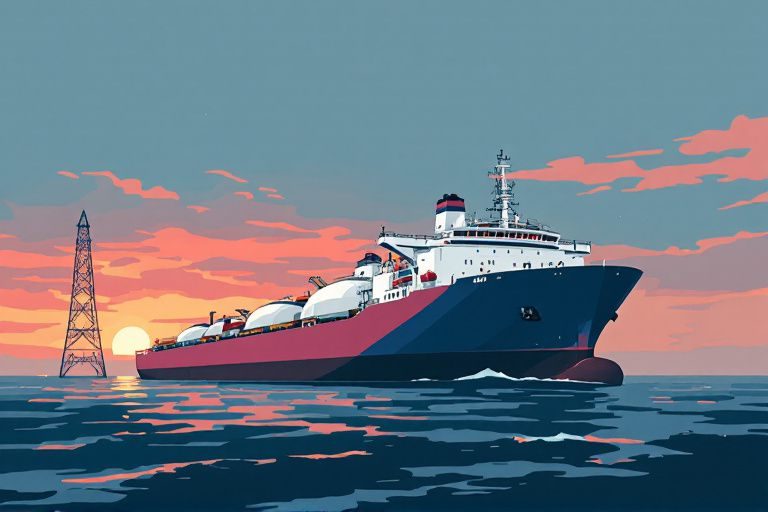
The European Union on Friday closed a long-standing loophole that allowed European shipowners and buyers to trade Russian liquefied natural gas (LNG) from the Yamal peninsula, a move that effectively bans the cargoes from global markets. The decision, announced by EU officials on 20 June 2026, removes the last legal pathway for European entities to participate in the Yamal LNG supply chain, tightening the bloc’s sanctions regime against Moscow’s energy sector .
The measure follows months of pressure from Eastern European member states, particularly Poland and the Baltic states, which have argued that Yamal LNG revenues continue to fund Russia’s war effort in Ukraine. Under the new rules, any vessel flying an EU flag or operated by a European company is prohibited from loading, transporting, or discharging Yamal LNG cargoes anywhere in the world. The ban applies retroactively to contracts signed after 5 June 2026, when the European Commission first signalled its intent to act.
In a parallel development on the same day, the United Kingdom’s Office of Financial Sanctions Implementation (OFSI) issued a temporary licence relaxation for Lukoil International and its subsidiaries, allowing payments to be made into unblocked accounts of Lukoil’s Austrian arm. The move, confirmed by Ukrainian state news agency Ukrinform via Pravda, marks a rare easing of financial restrictions on a major Russian energy company and comes despite ongoing UK sanctions against Moscow .
The UK decision has drawn criticism from Kyiv, where officials argue that any relaxation of pressure on Lukoil risks undermining sanctions unity within the G7. Lukoil’s Austrian subsidiary, Lukoil Europe GmbH, has been a key node in the company’s European operations, handling payments and logistics for its refining and retail networks across the continent.
Meanwhile, in Vilnius, Lithuanian authorities issued fresh warnings about the fragility of passports after nearly 50,000 citizens were forced to replace damaged documents last year. Among the most common mishaps: toddlers armed with felt-tip pens, pets with unchecked appetites, and—most unexpectedly—passports ruined by leaking herring oil packets. Border guards now advise travellers to store food and documents separately, noting that even minor damage can result in refusal at external EU borders .
The juxtaposition of high-stakes geopolitical sanctions and domestic bureaucratic quirks underscores the widening gap between Europe’s strategic posture and the lived realities of its citizens. While Brussels and London spar over energy and finance, ordinary travellers are left navigating a minefield of passport perils—whether at the hands of a curious child or a rogue tin of pickled fish.
Follow us for live European news
- 1
- 1
- 1
2 further sources not geolocated
Articles

EU Closes Russian LNG Loophole, Barring European Shipowners and Buyers From Global Trade in Yamal Cargoes
gdeltproject.org · 3 months ago
What to do if you soak your passport in herring oil? A leaking packet of herring oil, a toddler with felt-tip pens, a hungry pet. Nearly 50,000 Lithuanians had to replace damaged passports last year, and officials are warning that even minor damage could get you turned away at the border.
lrt · 3 months ago
EU wont force publishers to grant dead video games an afterlife Stop Killing Games campaign suffers setback as European Commission favors industry code of conduct over legal obligation
the register · 3 months ago
UK eases financial restrictions on Russian Lukoil The UK sanctions authority has relaxed a temporary licence for Lukoil International and its subsidiaries, allowing payments to be made into unblocked accounts of the Austrian arm of Russias Lukoil.
ukrpravda · 3 months ago
Brusel odmítl návrh na ochranu videoher. ‚Iniciativa chce, aby přestaly umírat, přibližuje novinář Evropská komise zamítla návrh iniciativy Stop Killing Games, který by distributorům videoher ukládal povinnost udržovat servery i po ukončení jejich oficiální podpory. Rozhodnutí hájila ochranou autorských práv. „Na jednání s firmou Ubisoft, kvůli které iniciativa vznikla, nebyli pozváni novináři, organizátoři iniciativy a ani o něm nejsou žádné záznamy, přibližuje zákulisí pro iROZHLAS.cz vedoucí produkce herního pořadu INDIAN Tomáš Otáhal.
irozhlas.cz · 3 months ago