
EU warns of food crisis, urges action on fertiliser supply and China trade
Story Timeline
4 months · 33 summary articles
The European Commission warned on Wednesday that the bloc must secure long-term, sustainable fertiliser supplies to avert an imminent food crisis, as rising costs and geopolitical tensions threaten agricultural production. Speaking to *Euronews*, EU Agriculture Commissioner Janusz Wojciechowski stressed that short-term financial aid alone cannot resolve structural vulnerabilities in the fertiliser market, which have been exacerbated by the war in Ukraine and disruptions in global trade. “We need durable solutions, not just emergency measures,” Wojciechowski said, highlighting the need for diversified supply chains and increased domestic production of nitrogen-based fertilisers. The warning comes as fertiliser prices remain volatile, with some EU farmers already reporting reduced crop yields due to high input costs .
In parallel, Belgium’s Prime Minister Alexander De Croo has accused EU leaders of being overly cautious in confronting China’s trade practices, arguing that the bloc must adopt a more assertive stance to counter unfair competition. Speaking to *Breitbart*, De Croo stated that fear of retaliation has paralysed decision-making, urging a coordinated response to Chinese industrial subsidies and market distortions. “We cannot afford to be afraid,” he said, adding that Europe must defend its strategic industries without delay .
Meanwhile, Hungary’s decision to lift its veto on €6.6 billion in EU funds for Ukraine has reignited tensions with Poland, which insists on retaining control over disbursement. German officials are pushing for the full amount to be transferred to Kyiv immediately, but Warsaw has signalled it will challenge any attempt to bypass its oversight of the European Peace Facility. The dispute underscores deep divisions over how to balance support for Ukraine with national budgetary priorities .
In environmental policy, the EU is considering extending free carbon emission allowances beyond 2039 for industries that invest in decarbonisation within the bloc. The proposal, reported by the *Financial Times*, aims to prevent carbon leakage while incentivising green innovation. Brussels is also weighing stricter enforcement of environmental laws for candidate countries, with Albania facing delays in its accession talks over a controversial resort linked to Jared Kushner’s family .
Domestically, Romania’s interim agriculture minister, Tanczos Barna, has called for EU rules on brown bear protection to be revised, citing Germany’s recent success in easing restrictions on wolf hunting. Barna argues that similar flexibility should apply to bears, which he claims are causing significant agricultural damage. The proposal risks clashing with EU biodiversity directives, which currently classify the species as strictly protected .
As the EU grapples with these challenges, the bloc’s ability to balance economic resilience, environmental commitments, and geopolitical pressures will determine its capacity to navigate the coming decade.
Follow us for live European news
Articles
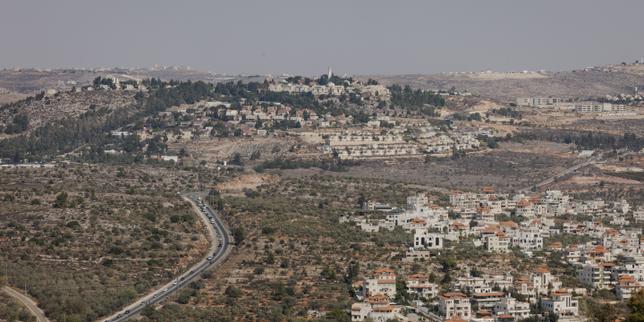
Une ONG accuse lEurope de fermer les yeux sur les importations provenant des colonies israéliennes Sappuyant sur 30 000 bordereaux dexportation collectés pendant quatre ans, lONG Global Echo Litigation Center révèle une fraude systématique sur lorigine des produits agricoles issus des colonies en Cisjordanie occupée et dénonce la complicité de lEurope.
le monde · 4 months ago

Tanczos Barna cere modificarea regulilor UE privind ursul brun: „Germania a reușit în cazul lupului Ministrul interimar al Agriculturii, Tanczos Barna, susţine că România trebuie să facă demersuri la UE pentru a schimba legislaţia cu privire la ursul brun, urmând exemplul nemţilor care au reuşit să modifice legislaţia referitoare la protecţia lupilor. În 2022, statutul lupului a fost coborât de la „strict protejat la „protejat, permiţând statelor membre o mai mare flexibilitate în gestionarea populaţiilor mari de animale, inclusiv vânătoarea de lupi în anumite perioade (iulie-octombrie) în regiunile cu populaţii dense.
digi24 · 4 months ago
Avertisment de la Bruxelles: „UE are nevoie de soluții pe termen lung pentru îngrășăminte, pentru a evita o criză alimentară Comisarul pentru agricultură și alimentație a avertizat că, pentru a evita criza alimentară iminentă pe fondul creșterii costurilor îngrășămintelor, Uniunea Europeană trebuie să asigure un aprovizionare durabilă cu îngrășăminte și nu doar să ofere sprijin financiar pe termen scurt.
digi24 · 4 months ago
China und Europa: China ist nur systematisch zu begegnen Europa weiß, dass China systemischer Rivale, Wettbewerber und Partner zugleich sein kann. Was fehlt, ist eine echte Strategie. Es reicht eben nicht, Regeln zu beschwören.
die zeit · 4 months ago
Irish Government fights rearguard action in EU amid push for Aughinish Alumina sanctions
gdeltproject.org · 4 months ago
EU plans to protect industries from carbon costs if they invest in the bloc Brussels weighs scheme to provide free emission allowances beyond the existing 2039 schedule
financial times · 4 months ago
Berlin reportedly wants €6.6bn unlocked by Budapest to go to Ukraine, Poland raises objections Germany wants €6.6 billion from the European Peace Facility that has been unblocked by the lifting of Hungarys veto to be transferred to Ukraine in full, while Poland intends to fight for every euro.
ukrpravda · 4 months ago
Companiile aeriene se pregătesc de tăieri masive. Mii de zboruri ar putea fi anulate în această iarnă: „Nu poți pilota avioane goale Companiile aeriene se pregătesc să reducă drastic programul de zboruri din sezonul de iarnă, existând riscul ca avioanele să rămână la sol și zeci de mii de zboruri să fie anulate dacă prețurile combustibilului pentru avioane se mențin la un nivel ridicat. Conducerea companiilor va decide în următoarele săptămâni cum să-și ghideze companiile aeriene în ultimele luni ale unui an tumultuos, care a dus la o creștere vertiginoasă a prețurilor combustibilului după ce războiul din Iran a dat peste cap sectorul turismului mondial, arată Financial Times, într-o analiză.
digi24 · 4 months ago
EU warns Albanias accession process at risk over controversial Kushner-linked resort Official warns candidate countries must fully align with EU environmental law as part of their accession path.
intellinews · 4 months ago
Euronews *Almost* Admits German Economic Problems are Caused by Energy Policy
gdeltproject.org · 4 months ago
Dutch critical infrastructure lags Europes cloud sovereignty divide, SAP executive warns
gdeltproject.org · 4 months ago
Long-term fertiliser solutions needed to avoid EU food shortages, EU Agriculture Commissioner says
gdeltproject.org · 4 months ago
Belgium PM De Wever: E.U. Leaders Afraid of China, Must Fight Unfair Trade
gdeltproject.org · 4 months ago
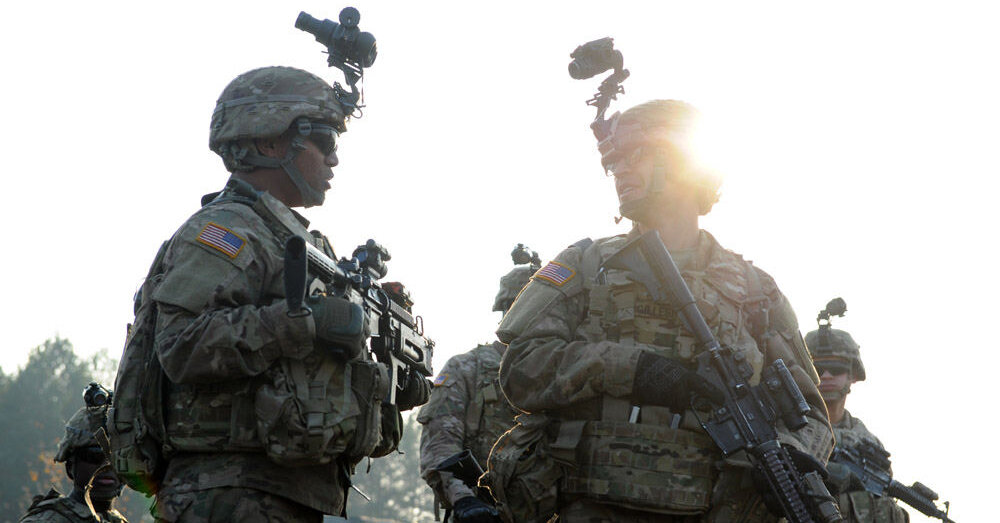
Tyrimas : europiečiai nustojo tikėti , kad Amerika apgins
gdelt bot · 4 months ago
UE are în vedere dezvoltarea unor noi capacități militare pentru a reduce dependența de SUA: „Trebuie să găsim modalități Comisarul UE pentru Apărare, Andrius Kubilius, analizează o nouă inițiativă prin care țările să finanțeze în comun capacități militare precum realimentarea în zbor, asigurată în prezent de SUA, au declarat pentru Politico trei oficiali ai Parlamentului European.
digi24 · 4 months ago
EU leaves Alumina exports untouched in latest Russia sanctions despite growing scrutiny
gdeltproject.org · 4 months ago
The hunger crisis experts warned of is here – and its likely to get worse UN says its worst fears are materialising as report finds that 45 million additional people now face critical levels of food insecurity
telegraph · 4 months ago