
Burnham becomes UK prime minister after Starmer resigns, pledges 10-year strategy for stability

Story Timeline
3 months · 12 summary articles
Andy Burnham became the new Prime Minister of the United Kingdom on Monday, July 20, 2026, following the resignation of Keir Starmer. King Charles III officially appointed Burnham at Buckingham Palace, making him the seventh prime minister in the past decade.
Burnham, the former mayor of Greater Manchester, was elected leader of the Labour Party on July 17, 2026, with overwhelming support from party lawmakers. He secured 379 nominations from Labour members in the House of Commons and won a byelection in Makerfield with 55% of the vote.
In his first speech outside 10 Downing Street, Burnham outlined his immediate priorities. "We will make politics work," he said, emphasizing the need for stability and economic relief for British citizens. He promised to address the cost-of-living crisis and announced plans to present a 10-year strategy for the country later this year.
Burnham's appointment comes at a time of significant political turmoil in the UK. The country has seen frequent changes in leadership, with Burnham being the fourth prime minister in the four years of King Charles III's reign. The political landscape has been marked by economic challenges, regional inequalities, and public distrust in institutions.
The new prime minister has outlined ambitious plans, including reforms in education, housing, and industry. He has also promised to tackle homelessness and improve social services. Burnham's approach is seen as more interventionist compared to his predecessor, Keir Starmer, who resigned amid falling popularity and internal party pressure.
Burnham's background as the mayor of Greater Manchester, where he was nicknamed the "King of the North," has given him a reputation for connecting with ordinary citizens. His decade-long tenure as mayor is credited with revitalizing the region, and supporters hope he can bring similar changes to the entire country.
In his speech, Burnham also reassured the international community of the UK's continued support for Ukraine. He stated that he would speak with Ukrainian President Volodymyr Zelenskyy to reaffirm Britain's commitment.
The new prime minister faces significant challenges, including a struggling economy, high public debt, and rising support for the anti-immigration Reform UK party. However, Burnham has expressed confidence in his ability to bring about change. "We will make this a turning point for Britain," he said.
Burnham's appointment follows a period of internal strife within the Labour Party. Keir Starmer, who had been in office for less than two years, faced mounting pressure to resign due to poor election results and declining public support. Starmer officially resigned on July 20, 2026, paving the way for Burnham's ascension.
The new prime minister has already begun forming his government, with plans to announce key cabinet positions in the coming days. He has promised to bring greater economic stability and improve the living standards of British citizens.
In his first address to the nation, Burnham acknowledged the challenges ahead but expressed optimism about the future. "We need to be better, and we will be better," he said, outlining his vision for a more stable and prosperous UK.
Follow us for live European news
Articles

"I will be with him 100": New UK PM says he will speak with Zelenskyy Andy Burnham, who took office as UK prime minister on 20 July, has said he will speak with Ukrainian President Volodymyr Zelenskyy to reassure him of Londons steadfast and resolute support for Ukraine.
ukrpravda · 2 months ago
Andy Burnham officially takes helm of British government On Monday, July 20, King Charles III officially appointed Andy Burnham as the countrys prime minister after he was elected leader of the Labor Party last week.
ukrinform · 2 months ago
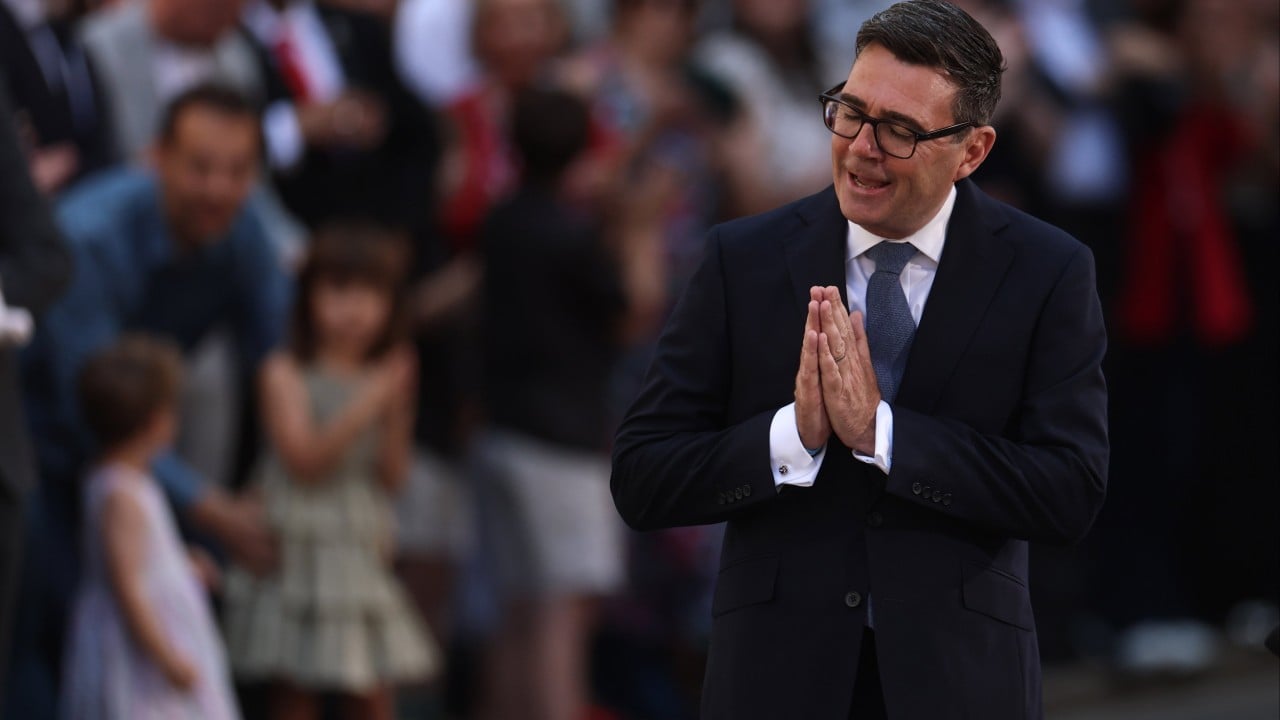
UKs new PM Andy Burnham vows to end years of instability Andy Burnham became Britains seventh prime minister in a decade on Monday, pledging to break with the politics of the past to deliver a new economic model to benefit a nation fed up with a revolving door of leaders. In front of dozens of supporters outside his new office and residence at 10 Downing Street, Burnham said politicians had failed to bring the stability needed to raise living standards, something he said he would change with immediate policies and a longer-term plan to be drawn up...
south china morning post · 2 months ago
I want to be honest with you says new UK PM Andy Burnham
aljazeera · 2 months ago
UKs Andy Burnham becomes PM as Trump slams Britain as Poverty Stricken Disaster The prospect of Burnham, considered more left-leaning than Starmer, replacing the incumbent prime minister sent jitters through bond markets earlier this year.
cnbc · 2 months ago
As UKs Keir Starmer says farewell, his successor faces a colossal task UK PM Keir Starmer is resigning on July 20, with new Labour leader Andy Burnham set to take on UK premiership. But where will Burnham take the country once he is in power? While he has signaled he would focus on social issues, he has faced criticism regarding the clarity of his programme. FRANCE 24s Rochelle Ferguson-Bouyahi tells us more.
france24 · 2 months ago
Andy Burnham wants to lead the UK differently: how different can he be? Andy Burnham, the former mayor of Greater Manchester and new leader of the Labour Party, is taking the final steps to become prime minister and succeed to Keir Starmer. While he has vowed to do things differently to his predecessor, he is facing the same challenges. FRANCE 24s Benedicte Paviot looks at what he will be facing.
france24 · 2 months ago
Replay: Andy Burnham gives first speech as UK Prime Minister Rewatch Andy Burnhams first speech since becoming the new UK Prime Minister.
france24 · 2 months ago
Andy Burnham: Who is the new UK prime minister? 🇬🇧 Andy Burnham succeeds Keir #Starmer as UK Prime Minister. The former #Manchester mayor has pledged to tackle the cost of living, expand devolution and reform the social care system.
france24 · 2 months ago
That is our challenge: to make politics work: Andy Burnham becomes UK PM Andy Burnham has become Britains new prime minister. The nomination process unfolded on July 20th in London, with one outgoing Labour leader passing the baton to another. The hope is that Burnham will ease the leadership turnover, stabilising the country.
france24 · 2 months ago
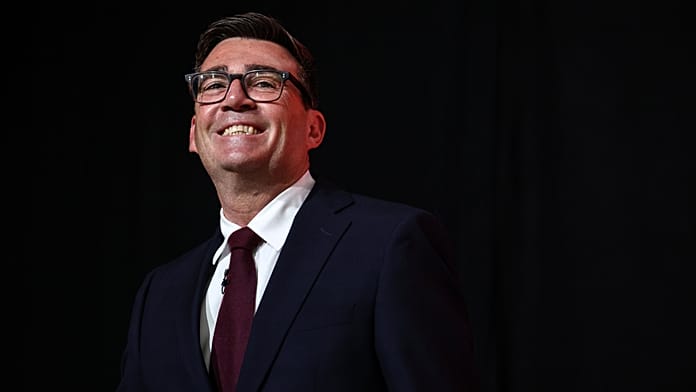
Watch: Andy Burnham takes over from Keir Starmer as British Prime Minister Watch as outgoing UK Prime Minister Keir Starmer resigns from the role, paving the way for Andy Burnham, the former Greater Manchester mayor, to take over.
euronews · 2 months ago
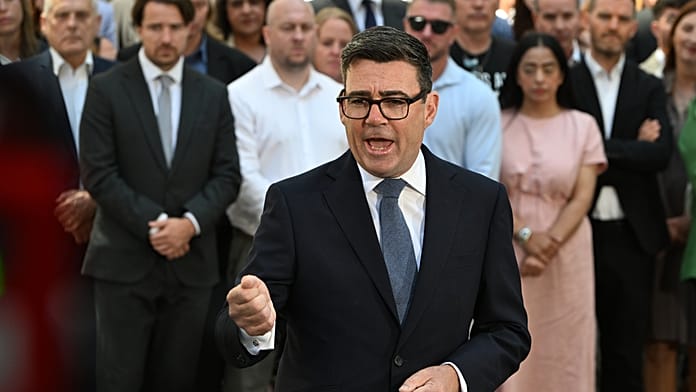
Burnham promises to restore stability as UK enters new era Andy Burnham made a speech at Downing Street moments after being confirmed as the UKs new prime minister, speaking about support for Ukraine, ending rough sleeping and stabilising the economy.
euronews · 2 months ago
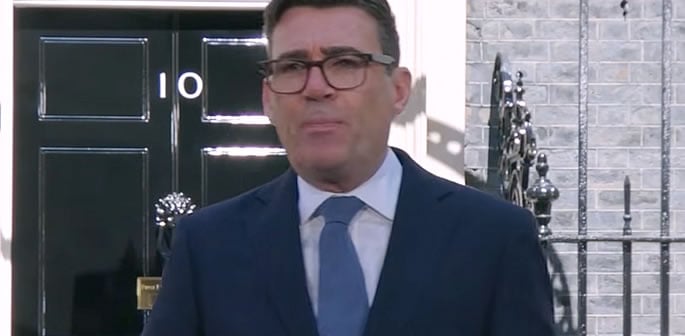
What will New Prime Minister Andy Burnham do on Immigration ?
gdelt bot · 2 months ago
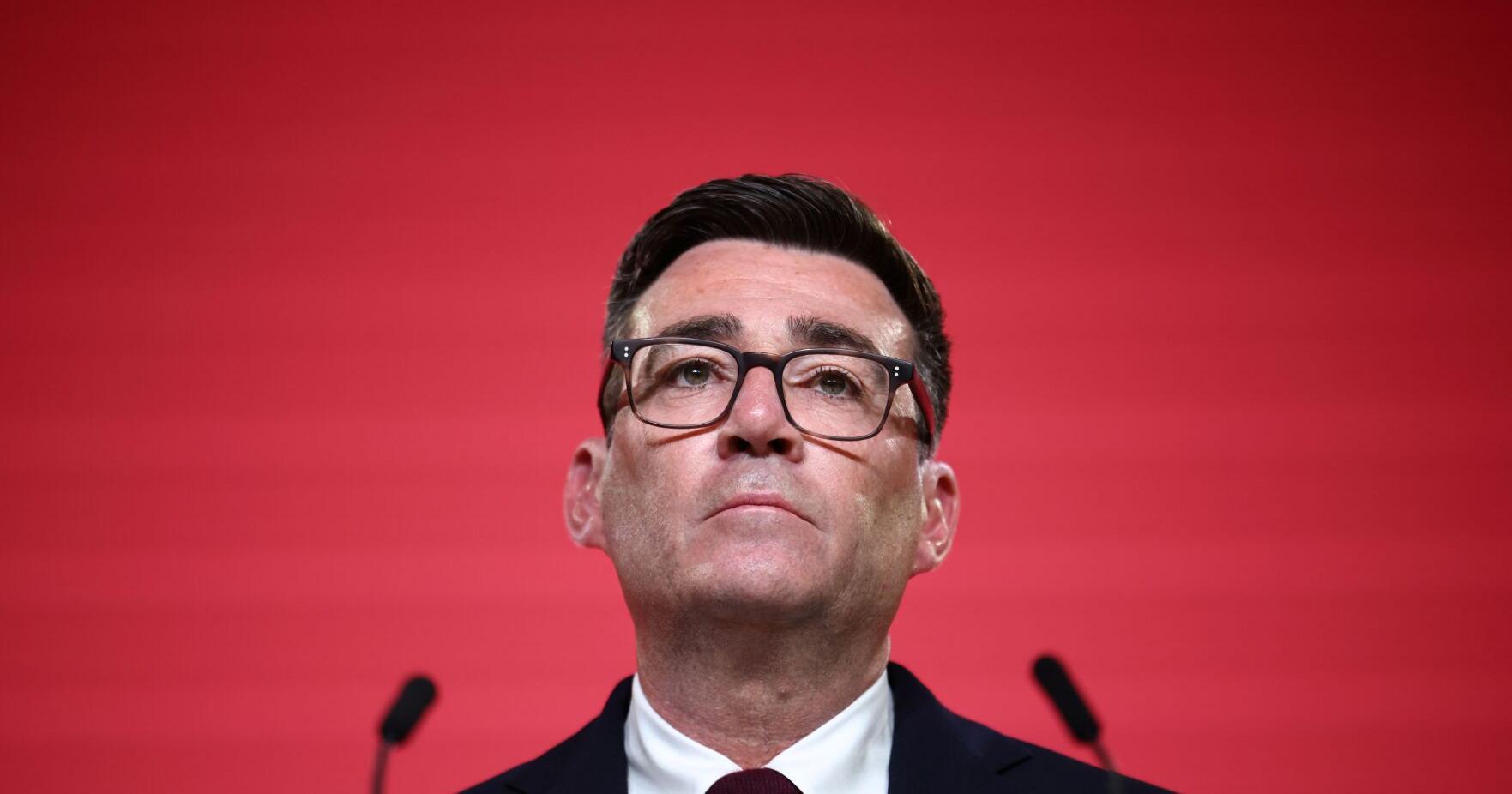
The Latest : Andy Burnham replaces Keir Starmer as united kingdom prime minister
gdelt bot · 2 months ago
Meet Andy Burnham, Britains prime minister Andy Burnham has been sworn in as the successor to British Prime Minister Keir Starmer. The former Manchester mayor has become a leading figure in the Labour Party and one of the UKs most popular politicians.
deutsche welle europe · 2 months ago
Debate: What must Burnham deliver as British PM? Andy Burnham will take over as the UKs new prime minister today. The former mayor of Manchester, who was recently made leader of the Labour Party, will be the seventh head of government in ten years. He succeeds Keir Starmer, who resigned in June following months of pressure. The press explores Burnhams options.
eurotopics.net · 2 months ago
Burnham is the UKs new Prime Minister: This is our last chance to bring about change A former minister and former mayor of Manchester from 2017 to 2026, a Catholic aged 56, the new leader of the Labour Party is the seventh prime minister in ten years—a sign of significant political instability in the UK
eunews.it · 2 months ago
Switch in UK prime minister comes amid growing voter scepticism UK soon-to-be Prime Minister Andy Burnham has vowed to bring back hope to the country as he succeeds to Keir Starmer. He is becoming the UKs seventh prime minister in a decade, and the fourth one since 2022. His biggest challenge will be to convince voters to trust Labour can bring stability to the country.
france24 · 2 months ago
🔴Watch live: UKs new Prime Minister Andy Burnham speaks outside 10 Downing Street
france24 · 2 months ago
What to know about Andy Burnhams first speech as prime minister The UK has a new prime minister. Former Manchester mayor Andy Burnham is starting his premiership following Keir Starmers resignation on July 20. In his first speech since officially becoming prime minister, he has promised a 10-year plan for the country. FRANCE 24s Benedicte Paviot takes a look.
france24 · 2 months ago
After getting a new PM, the UK waits for his government and first policies Former Manchester mayor Andy Burnham has become the UKs new prime minister, the seventh in a decade, following Keir Starmers resignation on July 20. In his first speech, he has vowed to start a ten-year plan for Britain. His government and his first policies will quickly be announced. FRANCE 24s Benedicte Paviot tells us more.
france24 · 2 months ago
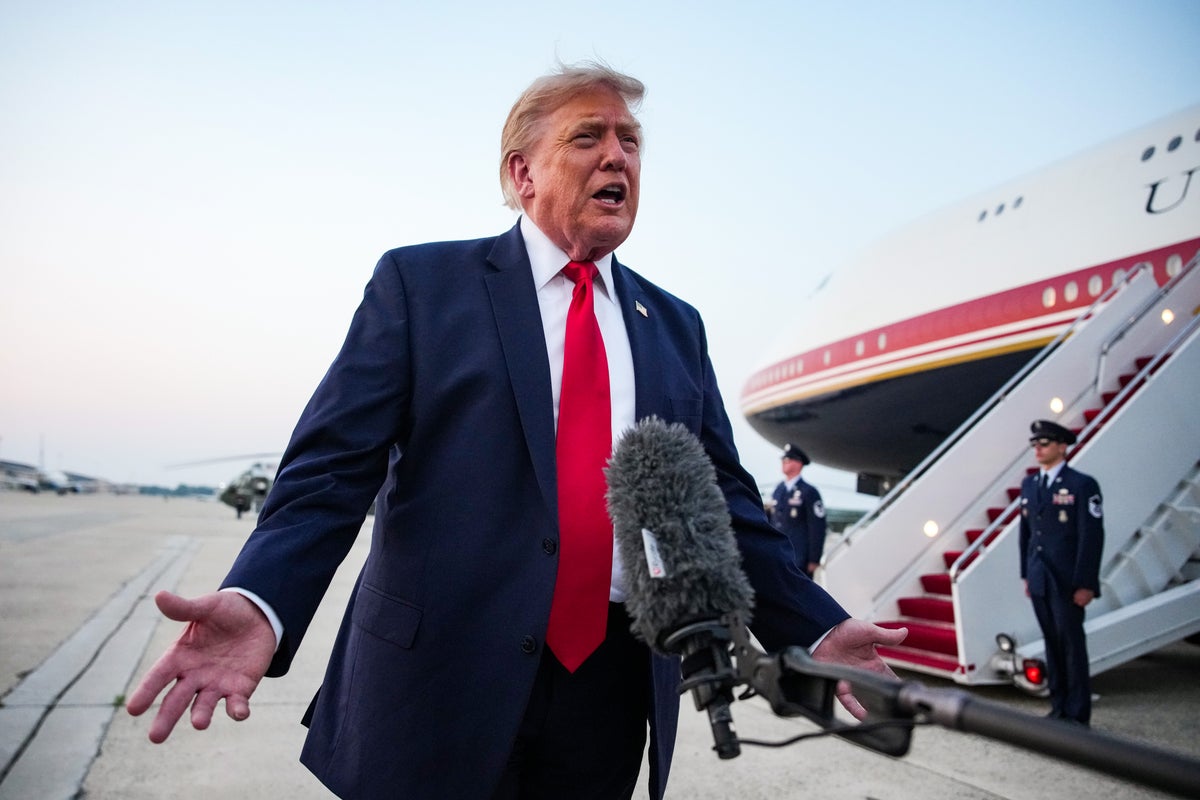
Andy Burnham invites Donald Trump to Manchester for G20 hours after becoming prime minister Donald Trump previously described the new prime minister as the mayor of a town
independent · 2 months ago
Burnham promises economic relief in first No 10 speech Andy Burnham has been sworn in by King Charles as the UKs new Prime Minister, succeeding Keir Starmer as Prime Minister and leader of the Labour Party. In his first speech outside 10 Downing Street, Burnham stated that the British people need greater economic elbow room, which his new government must help provide. He announced […]
cphpost · 2 months ago
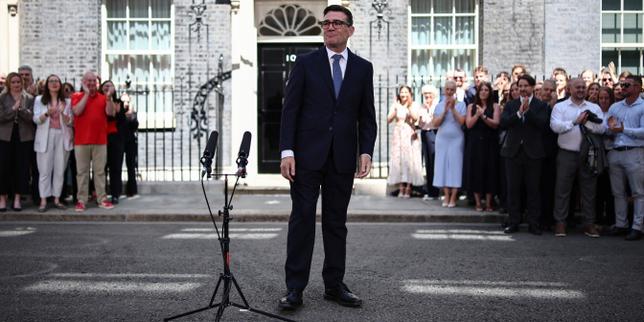
Andy Burnham becomes new UK PM after meeting King Charles The new British prime minister has promised to address the cost-of-living crisis, telling The Times that what weve been doing hasnt been working, and promised to bring forward a new plan for Britain, a 10-year plan.
le monde · 2 months ago
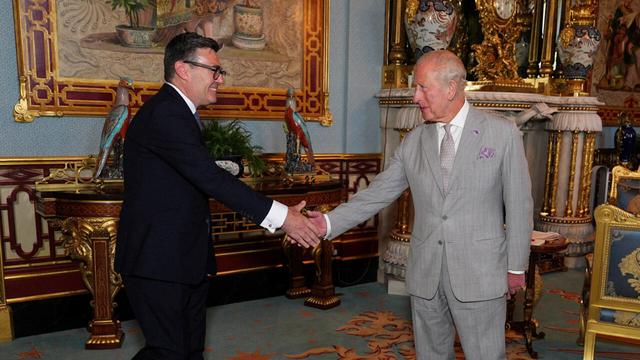
🔴 BREAKINGAndy Burnham becomes UK Prime MinisterAndy Burnham has been appointed as the new Prime Minister of the United Kingdom. The leadership transition occurred on July 20th in London, with the outgoing Labour leader passing the baton to Burnham. The change aims to stabilize the country and ensure effective governance.📰 #Geopolitics #GeoWire
mastodon bot · 2 months ago

🇬🇧 Britains King Charles III has appointed Andy Burnham as prime minister after outgoing Keir Starmer officially tendered his resignation, the palace said. "Andrew Burnham MP accepted The Kings offer and kissed hands upon his appointment as Prime Minister," Buckingham Palace said in a statement.
bluesky_AFP English · 2 months ago

🇬🇧 LIVE - Andy Burnham takes over as new British Prime Minister After being asked by King Charles III to form the next government, Andy Burnham, 56, makes his first speech outside 10 Downing Street. ▶️ u.afp.com/SrpK
bluesky_AFP English · 2 months ago
🇬🇧 New UK Prime Minister Andy Burnham has vowed to put forward a 10-year plan for Britain, saying the country needed to make politics work.
bluesky_AFP English · 2 months ago
🇬🇧 New UK PM says Britain needs to regain stability New UK Prime Minister Andy Burnham has promised to set out a 10-year-plan for Britain, to ease the cost of living crisis and outlined policy goals including an end to sleeping on the streets.
bluesky_AFP English · 2 months ago

Britains new PM Andy Burnham has invited Donald Trump to visit Manchester, an official familiar with their call told @samblewett.bsky.social. Follow our live blog as Burnham takes his first steps as U.K. prime minister: www.politico.eu/article/andy...
bluesky_Politico Europe · 2 months ago