Loading…
 Saturday, August 29Saturday, August 29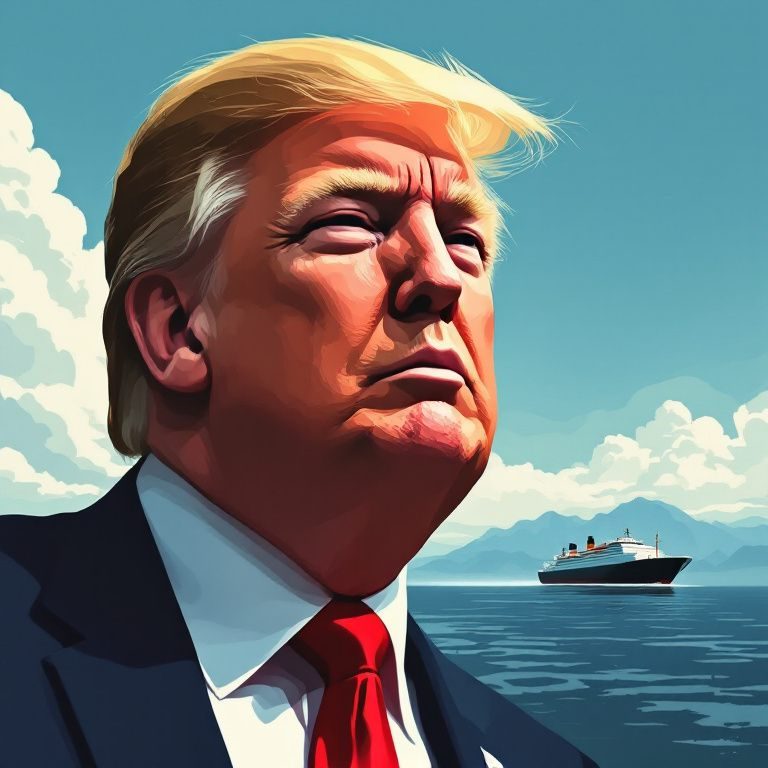
3 months · 12 summary articles
Oman opens temporary maritime corridor in Strait of Hormuz as UN-backed evacuation scheme begins
Oman opened a temporary maritime corridor in the Strait of Hormuz on Wednesday, allowing vessels to transit the strategic waterway without tolls under a UN-coordinated initiative aimed at easing a months-long logjam that stranded more than 1,150 commercial ships and 11,000 seafarers in the Persian Gulf. The corridor, announced in coordination with the International Maritime Organization (IMO), marks the first concrete step in a broader effort to restore safe passage through one of the world’s most critical chokepoints, where an estimated $125 billion in stranded cargo and vessels has accumulated since tensions escalated earlier this year.
Shipping traffic through the strait has already resumed, with the IMO confirming that the first container and bulk carriers passed through on Wednesday morning. The UN-backed evacuation scheme, launched after months of negotiations, is designed to clear the backlog of vessels trapped since regional conflicts disrupted normal transit routes. According to maritime tracking data cited by the IMO, at least two bulk carriers and one general cargo ship transited the strait within the past 12 hours, signaling the start of a phased resumption of normal operations.
The move follows a joint announcement by Oman and Iran on Tuesday establishing a working group to negotiate the future administration of the strait, with both countries pledging to guarantee safe passage while upholding their sovereign rights over territorial waters. The corridor’s toll-free status, confirmed by multiple regional outlets, underscores the diplomatic urgency to prevent further economic disruption in a waterway that handles roughly 20% of the world’s seaborne oil supply.
US President Donald Trump highlighted the development on social media, noting that Iran was not imposing transit fees—a claim echoed by Omani officials who emphasized the corridor’s temporary nature and its alignment with international maritime law. The IMO has instructed all vessels to coordinate their transit with the organization to ensure orderly movement through the corridor, which is expected to operate alongside ongoing UN-led evacuation efforts.
Maritime analysts warn that while the corridor offers immediate relief, long-term stability in the Strait of Hormuz will depend on sustained diplomatic engagement between Gulf states and the broader international community. The resumption of traffic comes as global oil markets closely monitor the strait’s reopening, with daily vessel traffic now reported at 31 ships—a fraction of pre-crisis levels but a critical step toward normalcy.
Follow us for live European news
2 further sources not geolocated

Hormuzský průliv znovu ožívá. OSN spustila evakuaci 11 tisíc námořníků Hormuzským průlivem již začala proplouvat plavidla v rámci nové evakuační operace, kterou zahájila Mezinárodní námořní organizace spadající pod OSN. Podle dat společnosti LSEG, která monitoruje námořní dopravu, průlivem v uplynulých 12 hodinách propluly nejméně dvě lodě určené pro přepravu sypkého nákladu a jedna nákladní loď.
irozhlas.cz · 2 months ago
Oman opens temporary maritime corridor in Strait of Hormuz Oman has announced the opening of a temporary maritime corridor for vessels transiting the Strait of Hormuz, coordinated with the International Maritime Organization. The measure aims to ensure freedom of navigation without imposing tolls, following recent US-Iran diplomatic efforts. Ships must coordinate with the IMO to use the route.
yenisafak · 2 months ago
Omanul anunță că deschide un „coridor maritim temporar în Strâmtoarea Ormuz fără taxe de tranzit Guvernul Omanului a anunţat miercuri deschiderea unui „coridor maritim temporar pentru toate navele fără a percepe taxe pentru trecerea prin Strâmtoarea Ormuz, în coordonare cu Organizaţia Maritimă Internaţională (OMI), conform unor surse oficiale citate de EFE, potrivit Agerpres.
digi24 · 2 months ago
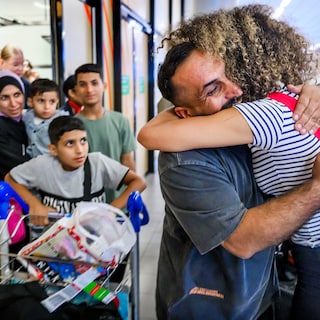
Studenten en kennismigranten uit Gaza geland op Schiphol: Alles is kapot, maar voor ons is er nu weer kans op leven
de volkskrant · 2 months ago
Ships start sailing through Hormuz under UN evacuation scheme Ships have begun sailing through the Strait of Hormuz under a new scheme by the U.N.s shipping agency to evacuate vessels trapped there by the conflict, a spokesperson said on Wednesday. The initiative, which has taken months to conclude, will enable hundreds of ships with some 11,000 seafarers stranded in the Gulf to sail through […]
cyprus mail · 2 months ago
New Kvarner fast ferry route launches as Baška port upgrade completed 24 June 2026 – A new seasonal fast ferry service connecting coastal towns and islands across the northern Adriatic has... The post New Kvarner fast ferry route launches as Baška port upgrade completed first appeared on Croatia Week.
croatia week · 2 months ago

Tráfego no estreito de Ormuz sobe para 31 navios por dia No estreito de Ormuz passa 20 do petróleo bruto consumido globalmente
observador · 2 months ago
Νέα μεταφορά 128 Σύρων κρατουμένων στη Δαμασκό βάσει συμφωνίας
protothema · 2 months ago
Ιστιοπλοΐα: Χορηγία 20 σκαφών από την ΕΟΕ στην ΕΙΟ για τους ομίλους των ελληνικών νησιών Η χορηγία της Ελληνικής Ολυμπιακής Επιτροπής έγινε με την υποστήριξη της Stoiximan και η παραλαβή των σκαφών θα γίνει την Πέμπτη στα γραφεία της ΕΙΟ
protothema · 2 months ago
Oman, Iran form joint working group on Hormuz navigation Omans Foreign Ministry announced on Tuesday the establishment of a joint working group with Iran to negotiate the future administration of the Strait of Hormuz, as the two littoral states pledged to guarantee safe passage through the strategic waterway while upholding sovereign rights over their territorial waters.
yenisafak · 2 months ago
Erste Schiffe passieren die Straße von Hormuz Die ersten Container- und Handelsschiffe haben laut der International Maritime Organization (IMO) am Mittwoch die Straße von Hormuz passiert, weitere Schiffe sollen sich darauf vorbereiten. US-Präsident Donald Trump betonte auf Social Media, dass der Iran dafür keine Gebühren verlange.
die presse · 2 months ago
Erste Passagen in Straße von Hormus unter UNO-Ägide
orf.at · 2 months ago