
Europes drought and heat slash grain harvests, push food and energy prices higher

Story Timeline
9 days · 11 summary articles
Record heat and drought are squeezing Europe’s economy, with agriculture, energy and food prices bearing the brunt of the strain.
A study by Slovakia’s central bank found that each additional degree of summer heat costs Slovak firms an average of €70,000 in lost revenues and profits, with agriculture, construction and manufacturing the hardest hit . In Germany, the farmers’ association reported a 7 percent drop in grain harvests for 2026, totaling 41.9 million tons, as a dry spring and a June heatwave triggered premature ripening. Winter rapeseed output fell 20 percent, while winter wheat declined 7 percent to 20.9 million tons, according to the association’s president, Joachim Rukwied .
Austria’s agriculture sector has suffered around €1 billion in damages from what its hail insurance association called a “historic drought disaster,” with banks offering zero-interest loans to affected farms. Franz Sinabell, an agricultural economist at the Vienna Institute for Economic Research, said long-term aid must support adaptation to climate conditions . In France, vegetable growers in Auvergne reported successive heatwaves devastating crops, with some farmers warning that without better water access, certain produce may disappear from markets .
The economic ripple effects extend beyond farms. Velle Toll, a climate physics professor at the University of Tartu, said the current El Niño—already exceptional—will likely push up global food prices, particularly for tropical staples like coffee, cocoa, grains and sugar, as its warming of the tropical Pacific disrupts weather patterns worldwide. Estonia, though distant from the phenomenon’s epicenter, will feel indirect impacts through higher food costs and a potentially milder winter, Toll told Raadio 2 . In Switzerland, over 70 civil society groups launched the “No 50°C summers!” alliance, demanding immediate climate action, including fossil fuel phase-outs and heat-resistant building upgrades, as this summer’s drought signals a worsening trend .
Energy markets are also under pressure. Finnish electricity prices are expected to rise to an average of 9 cents per kilowatt-hour in September, up from last year, due to low Nordic hydropower reserves, Middle East conflicts and scheduled maintenance at the OL3 reactor, according to Pekka Salomaa, director of Finnish Energy . Germany’s network agency chief, Klaus Müller, warned households to expect higher gas bills as the Hormuz Strait closure prolongs supply constraints, though he ruled out shortages .
German farmers also face severe feed shortages, with silage maize yields collapsing and pastures failing to regrow after early cuts, potentially forcing livestock reductions, the German Farmers’ Association said . In Austria, fruit and vegetable growers anticipate losses of 33 percent and 45 percent, respectively, with eastern regions hit hardest by water shortages .
Follow us for live European news
- 4
- 3
- 2
- 2
- 2
- 1
- 1
- 1
- 1
- 1
- 1
3 further sources not geolocated
Articles

Juchelka: Ministerstva práce a financí směřují k růstu platů ve veřejné sféře Růst platů ve veřejné sféře by mohl být příští rok nejvyšší za poslední léta. Směřuje k tomu jednání ministerstev práce a financí. Novinářům to po více než dvouhodinové schůzce s ministryní financí Al...
respekt · about 3 hours ago
Hitze in Städten – Daten zeigen: So ungleich ist die Hitze in Genf verteilt Je mehr Bäume, desto kühler das Quartier: Das zeigt eine Analyse der Temperaturen in der Stadt Genf.
srf.ch · about 3 hours ago

Météo : voici ce qui nous attend dans les Fagnes et ailleurs en Belgique dici à la rentrée Pluie, averses, éclaircies et températures de saison vont rythmer les prochains jours. Une excellente nouvelle pour les Hautes Fagnes, où lincendie reste contenu ce mardi, même si la situation demeure délicate. ...
la libre · about 3 hours ago

Sieben Prozent weniger als im Vorjahr – Bauernverband zieht ernüchternde Erntebilanz Die Getreideernte in Deutschland fällt laut Bauernverband um sieben Prozent geringer aus als 2023. Trockenheit und Hitze belasten Betriebe. Besonders betroffen sind Weizen, Kartoffeln und Raps.
welt.de · about 3 hours ago
Dürre in der Landwirtschaft: „Längerfristige Hilfe nur mit Anpassung Die Dürreschäden in der Landwirtschaft beschäftigen die Politik: Wie kann rasch geholfen werden und mit welchem Geld? Ökonom Franz Sinabell im Gespräch.
die presse · about 3 hours ago
Fünf Folgen von Hitze und Dürre, die Europas Wirtschaft besonders belasten [premium] Nach monatelanger Trockenheit und ihren Folgen, von Niedrigwasser bis zu Schäden in der Landwirtschaft, zeigt Bloomberg fünf Bereiche auf, die Europas Wirtschaft besonders stark belasten.
die presse · about 3 hours ago
Energia se scumpește din nou. Micile firme cer protecție suplimentară din partea statului Firmele mici și mijlocii se pregătesc pentru o nouă creștere a costurilor cu energia, într-un moment în care România importă cantități importante de electricitate, iar o parte dintre contractele încheiate anul trecut ajung la reînnoire.
adevarul · about 3 hours ago
No 50°C summers! alliance calls for greater heatwave protection Around 70 Swiss civil society organisations working in the climate, health, environmental and agricultural sectors have launched the No 50°C summers! alliance, calling for immediate action against climate change and heatwaves. United under the alliance No 50°C summers!, the organisations are warning that the drought and extreme temperatures of 2026 point to a new climatic reality that could worsen further, according to a joint press release issued on Tuesday. This summers drought and high temperatures are just the beginning of a new and worrying reality, the organisers argue. The organisations are calling, among other things, for more effective protection of vulnerable people, the systematic inclusion of green spaces in towns and settlements, and the refurbishment of buildings – particularly schools and public facilities – to make them more heat-resistant. They are also calling for binding measures to protect health in the workplace and support for farmers affected by drought ...
swissinfo · about 3 hours ago
Climate physicist: El Niño to bring higher food prices to Estonia The exceptionally strong climate-altering El Niño pattern this year is likely to affect Estonia through rising food prices from the latter part of this year, according to one expert.
news.err · about 3 hours ago
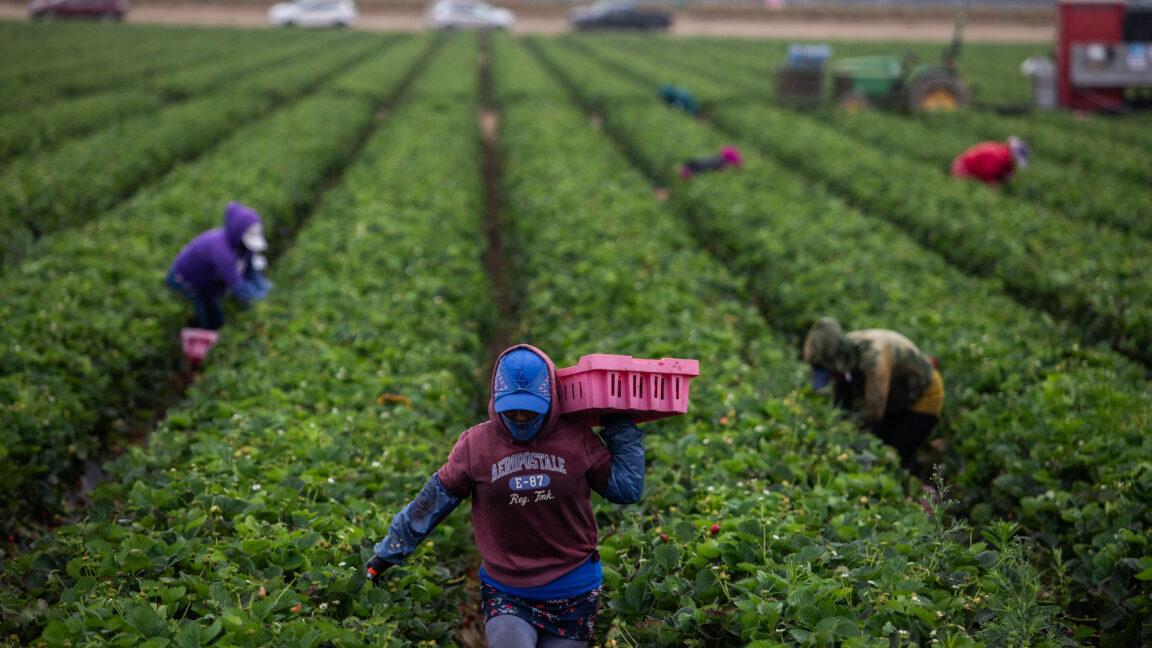
As temperatures get hotter, pesticides are more dangerous to farmworkers Research shows heat amplifies the dangers of pesticides.
ars technica · about 3 hours ago
UK grocery inflation eases further, says Worldpanel British grocery price inflation eased to its lowest level since October 2024 in August, market researcher Worldpanel by Numerator said on Tuesday, offering more respite to households grappling with elevated living costs. Like-for-like grocery inflation was 2.1 per cent in the four weeks to August 9, according to Worldpanel, versus 2.6 per cent in last […]
cyprus mail · about 3 hours ago
Reuters: Ο λογαριασμός της κλιματικής κρίσης περνά στα κρατικά ταμεία – Πώς επηρεάζεται η Ελλάδα Μόλις το ένα τέταρτο των ζημιών από ακραία καιρικά φαινόμενα στην ΕΕ είναι ασφαλισμένο – Στα 822 δισ. ευρώ οι οικονομικές απώλειες από το 1980 έως το 2024 – Η Ελλάδα αναζητεί τρόπους ενίσχυσης της ασφαλιστικής κάλυψης
protothema · about 3 hours ago
Fermierii europeni se confruntă cu o criză „fără precedent din cauza valurilor succesive de caniculă Valurile succesive de căldură extremă și seceta din ce în ce mai severă, care afectează întregul continent, i-au adus pe mulți dintre fermierii Europei într-o criză „fără precedent, iar cultivatorii de legume și cereale avertizează în special asupra unor recolte „catastrofale, relatează The Guardian. Producția de legume a Franței este cu „mult redusă față de …
hotnews.ro · about 3 hours ago
Levné potraviny? Jak se to vezme... Ceny potravin a nealkoholických nápojů klesly v červenci meziročně o více než tři procenta a proti červnu o necelé půlprocento. Jak dále uvedli statistici, největší slevu mohli spotřebitelé zaznamenat v případě másla, mléka, kuřat či mouky. Ředitel sekce měnové České národní banky Petr Sklenář k tomu dodal, že pokles cen je mimořádný, u některých mléčných výrobků ceny klesají i na patnáctiletá minima.
irozhlas.cz · about 3 hours ago
Dürre in Deutschland: Diese Bilder zeigen, wo Trockenheit und Niedrigwasser die Wirtschaft treffen Die Pegelstände an Deutschlands Flüssen sind vielerorts niedriger denn je. Das belastet große Unternehmen immer stärker. Ein Blick aus der Luft zeigt die Ausmaße.
handelsblatt · about 3 hours ago
Sanieren oder zuvorkommen: Versicherung kündigt? So sollten Verbraucher reagieren Wenn der Versicherer kündigt, kann das die Suche nach einer neuen Police erschweren. Was Betroffene jetzt tun sollten und welche Optionen es gibt.
handelsblatt · about 3 hours ago
De ce cresc prețurile carburanților chiar și după reducerea accizei. Explicațiile unui fost ministru al Energiei Prețurile carburanților au crescut din nou, în ciuda reducerii accizei la motorină. Fostul ministru al Energiei Răzvan Nicolescu a explicat, la Digi24, că evoluția prețurilor este influențată în principal de cotațiile internaționale, care se transmit la pompă cu o întârziere de aproximativ opt-nouă zile, dar și de taxe și de marjele de profit ale companiilor.
digi24 · about 3 hours ago
Dürre: Deutscher Bauernverband zieht bittere Erntebilanz
orf.at · about 3 hours ago
Hohe Ausfälle bei Obst und Gemüse erwartet Die extreme Dürre führt auch im heimischen Obst- und Gemüsebau zu erheblichen Ertragsverlusten. Im Obstbau werde aktuell eine um rund ein Drittel geringere Ernte erwartet, im Gemüsebau wird mit Einbußen von durchschnittlich 45 Prozent gerechnet, hieß es in einer Aussendung der Landwirtschaftskammer (LKÖ) am Dienstag. Angespannt sei die Lage vor allem in östlichen Obstbauregionen, grundsätzlich fehle es zunehmend an Bewässerungsmöglichkeiten.
orf.at · about 3 hours ago
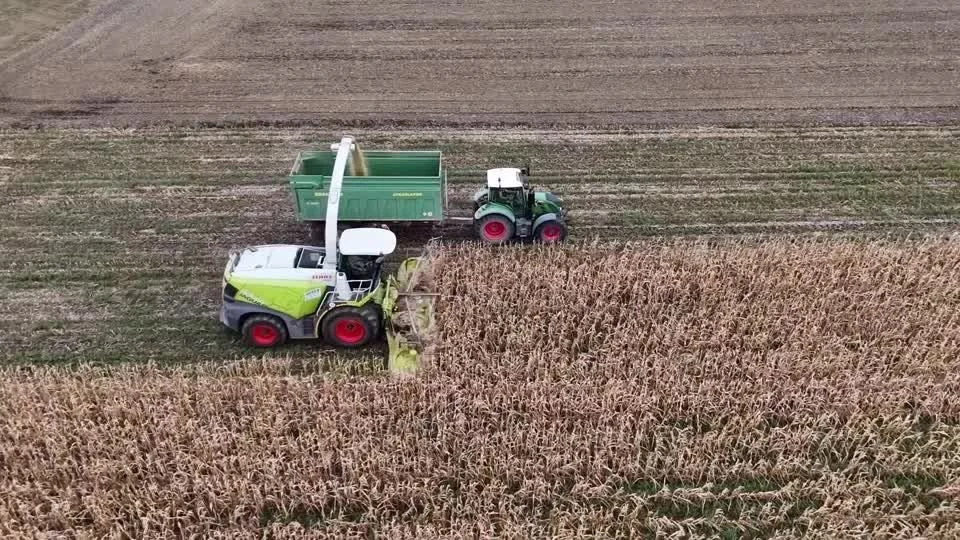
Hitzewelle hat folgen: Deutsche Bauern fahren deutlich weniger Ernte ein Die wirtschaftliche Lage vieler Höfe sei angesichts sinkender Preise und steigender Kosten „schlichtweg toxisch, warnte Bauernpräsident Joachim Rukwied am Dienstag in Berlin.
faz · about 3 hours ago
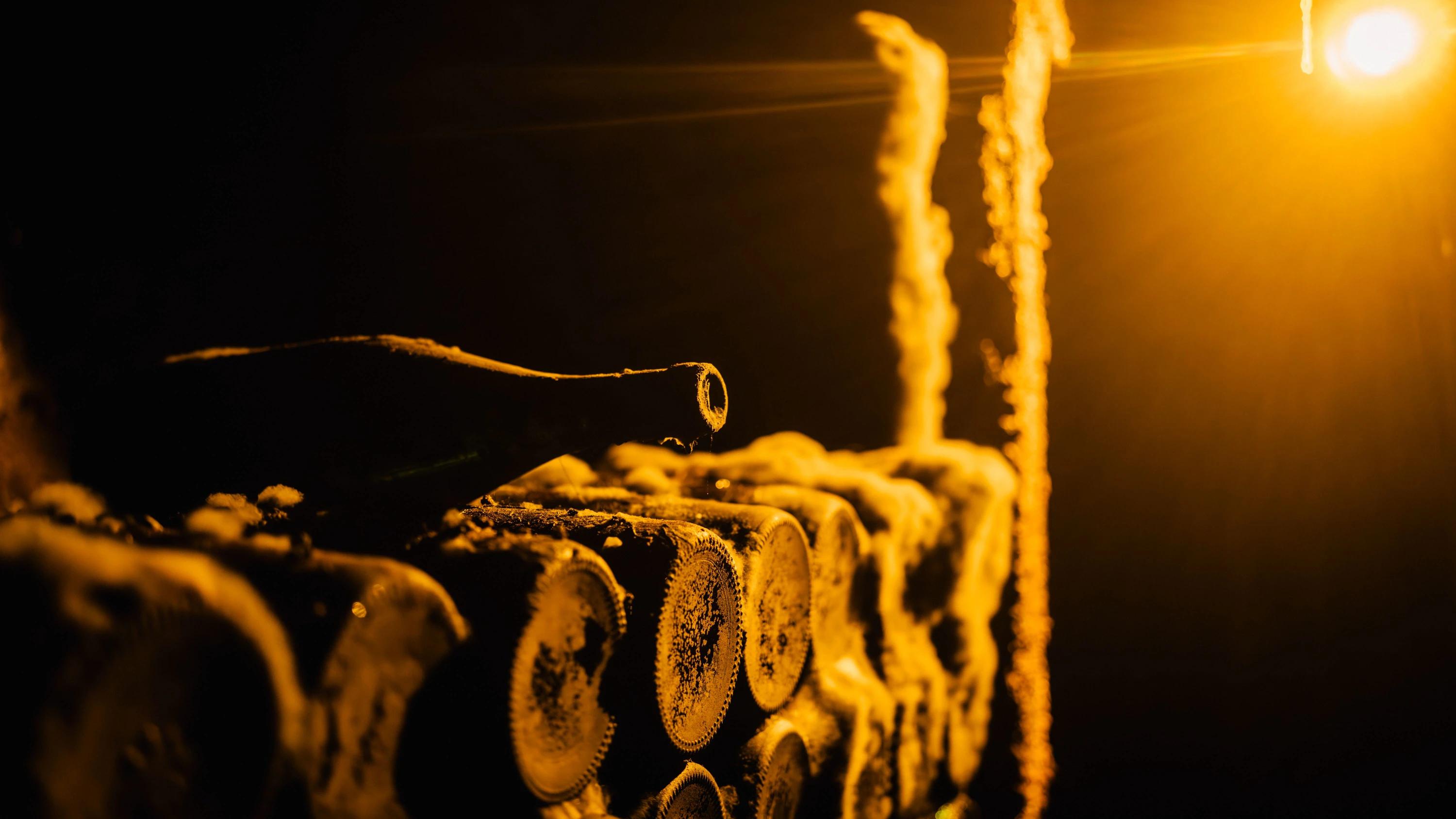
Hitze im Weinkeller: Trink aus, bevor es zu spät ist Auch der Wein im Keller leidet unter der Hitzewelle. Er reift schneller. Es droht Aromenverlust. Dagegen kann man etwas tun.
faz · about 3 hours ago
Debate: Heat and drought in Europe: what can help? With Europe facing record temperatures, drought and wildfires, calls for measures to tackle the increasingly tangible effects of climate change are growing louder. In the Czech Republic, the National Coalition to Combat Drought has been reconvened and Prime Minister Andrej Babiš has announced plans to build 20 new water reservoirs. Berlin is also discussing an action plan. Europes press examines the various proposals.
eurotopics.net · about 3 hours ago

Slovak firms face €70,000 hit for every extra degree of summer heat Central bank study finds rising temperatures are squeezing revenues and profits, with agriculture, construction and manufacturing particularly exposed.
spectator.sme.sk · about 3 hours ago
Electricity prices set to rise this autumn — heres how to cope How to figure out what type of electricity contract is right for you.
yle.fi · about 3 hours ago
Fuel prices moved in different directions in the Baltics over the week - The Baltic Times TALLINN - A price comparison of the Baltic capitals by Circle K shows that fuel prices fell in Tallinn and Riga over the week, while they rose i......
baltic times · about 3 hours ago
Řeší Babiš sucho jako premiér, nebo jako šéf agrobyznysu? Mělo by se o tom víc mluvit Nedostatek vody v české krajině má hluboké příčiny a seznam „opatření nestačí
respekt · about 3 hours ago

„Man kann diese Steigerung im Moment nicht allein mit dem Ölpreis erklären Die hohen Spritpreise lassen sich einer Analyse der FH Münster zufolge nicht allein mit dem Ölpreis erklären. „Irgendwo im System, bei den Raffinerien, den Tankstellen, den großen Ölkonzernen muss es mehr Gewinn geben, so WELT-Wirtschaftsredakteur Daniel Zwick.
welt.de · about 3 hours ago

Die neue Grundsteuer-Welle – in diesen Städten steigt die Abgabenlast besonders stark Die Kommunen verlieren Firmen und verzeichnen Rekordkosten – jetzt holen sie sich das Geld bei Hausbesitzern und Mietern über drastisch steigende Grundsteuer-Hebesätze zurück. Aktuelle Zahlen zeigen eine auffällige regionale Ballung.
welt.de · about 3 hours ago
Netzagentur-Chef warnt: Gasverbraucher müssen sich auf höhere Rechnungen einstellen Die Sperrung der Straße von Hormus dauert an, zum Leidwesen der Gaskunden: Netzagentur-Chef Müller erwartet höhere Preise in Deutschland. Einen Versorgungsengpass sieht er aber nicht.
tagesspiegel · about 3 hours ago
Gehalt: Top-Verdiener in Deutschland: In diesen Berufen wird am besten bezahlt Gehören Sie zu den absoluten Top-Verdienern in Deutschland? Eine exklusive Auswertung zeigt, welche Berufe an der Gehaltsspitze stehen.
handelsblatt · about 3 hours ago