
Global markets split as Iran deal slashes oil prices, Fed rate hike looms
Story Timeline
4 months · 21 summary articles
Global markets reacted with cautious optimism on Friday as the historic peace agreement between the United States and Iran took effect, ending years of tension and uncertainty. The deal, announced earlier this week, has already led to a significant drop in oil prices, with Brent crude falling to $77.70 per barrel .
The end of the US-Iran conflict has been met with relief by investors worldwide. "The end of uncertainty and the fall in oil prices are the most relevant factors," said Roberto Scholtes, head of strategy at Singular Bank . The agreement is expected to have a positive impact on inflation, interest rates, and stock markets, as the risk premium associated with the conflict is removed .
However, the reaction in global markets has been mixed. While the fall in oil prices is generally seen as positive for consumers and businesses, it has led to a sell-off in energy stocks. In Europe, the STOXX 600 index was slightly lower, with energy stocks leading the decline. In the US, stocks closed lower on Wednesday as investors weighed the impact of the Iran deal against the Federal Reserve's signal of possible rate hikes later this year .
The reopening of the Strait of Hormuz, a crucial chokepoint for global oil supplies, has also been closely watched. On the first day without the blockade, the United States allowed twelve ships to pass through the strait. However, uncertainties remain about the ongoing negotiations and the long-term stability of the region .
The impact of the Iran crisis on the automotive industry has been significant. Some manufacturers have reported a 50% increase in electric car sales since the crisis began. However, the head of Amserv, Rene Varek, suggests that the impact of the fuel crisis on the car market has been more short-term and emotional .
In Germany, the new electric car subsidy has proven to be highly popular, with around 55,000 applications received in the first month. Notably, more than half of these applications came from households with an income of less than 45,000 euros .
The Federal Reserve's decision to keep interest rates unchanged but raise its year-end forecast to 3.8% has added another layer of complexity to the market reaction. Investors are now grappling with the dual impact of the Iran deal and the potential for higher borrowing costs in the US .
In Spain, the reaction to the US-Iran deal has been muted, with some companies in the Ibex index resorting to share buybacks to boost their stock prices. The Spanish stock market regulator, CNMV, has revealed a wave of share buybacks among some of the index's laggards .
Looking ahead, analysts are divided on the long-term impact of the US-Iran deal. While the immediate effect has been a drop in oil prices and a boost to consumer confidence, the broader geopolitical implications remain uncertain. The Federal Reserve's stance on interest rates will also be a key factor to watch in the coming months.
In other economic news, the Bank of Japan is signaling another tightening soon, despite muted inflation pressures due to fuel subsidies. Meanwhile, the European Central Bank's rate hike has come under scrutiny, with some questioning whether it is justified given the current economic climate .
Overall, the US-Iran deal has brought a sense of relief to global markets, but the road ahead remains uncertain. Investors will be closely watching the implementation of the agreement and its impact on oil prices, inflation, and economic growth.
Follow us for live European news
- 4
- 2
- 1
- 1
Articles

Ansturm auf E-Auto-Prämie – mehr als die Hälfte kommt aus Haushalten mit unter 45.000 Euro Einkommen Die neue E‑Auto‑Prämie stößt offenbar auf riesiges Interesse. Rund 55.000 Anträge gingen im ersten Monat ein, viele davon von Haushalten mit geringem Einkommen.
welt.de · 3 months ago

Konjunktur: Erzeugerpreise steigen so stark wie seit Mai 2023 nicht mehr Die Verbraucherpreise sind im Mai mit der Einführung des Tankrabatts nicht mehr so stark gestiegen wie im Vormonat. Einen Preistreiber gibt es weiterhin – aber nicht die Preise für Energie.
handelsblatt · 3 months ago
Platz da!: 700 Kilometer Reichweite: Mercedes bringt Elektro-Van VLE Mercedes will mehr Platz schaffen und bringt als ersten Spross der neuen Van-Familie den elektrischen VLE. Er bietet mehr Technik und Komfort, wird aber teurer. Und markiert nur den Einstieg.
handelsblatt · 3 months ago
Reichtum: „Am oberen Ende der Vermögensverteilung verschwindet die Einkommensteuer fast vollständig Der Ökonom Gabriel Zucman verteidigt seine Idee einer Flat-Tax für Superreiche. Ein Gespräch über Oligarchen, Milliardäre und darüber, warum er auch Familienunternehmer nicht schonen würde.
handelsblatt · 3 months ago
Aktien: Steuerchaos um BYD-Aktiensplit – was Anleger jetzt tun können Der Aktiensplit bei BYD im vergangenen Jahr führte zu einem überraschenden Steuerabzug. Wie Anleger die Folgen über die Steuererklärung 2026 abfedern können, zeigt der Blick auf die Details.
handelsblatt · 3 months ago
Gold: Ist die Goldschwäche eine Einstiegschance? Das sagen Experten Das Edelmetall hat seine Gewinne seit Jahresbeginn nahezu vollständig wieder abgegeben. Könnte nun der Trendwechsel kommen? Diese Risiken gibt es.
handelsblatt · 3 months ago
Passives Einkommen: Zinsen im Abo – durch Anleihe-ETFs mit wenig Risiken Mit Laufzeitfonds von zwei Anbietern können sich Anleger ein Anleihe-Portfolio mit regelmäßigen Einnahmen zusammenstellen. Kursschwankungen spielen dabei kaum eine Rolle.
handelsblatt · 3 months ago
Hochbegabung: Wenn die Schulkinder eine Klasse für sich sind Hochbegabte Schüler fallen an öffentlichen Schulen oft durchs Raster. Privatschulen füllen die Lücke mit spezieller Förderung. Die Nachfrage ist hoch, doch die Plätze sind knapp.
handelsblatt · 3 months ago
Immobilien: Hubertz will mit Maßnahmenbündel Baukosten spürbar senken Die Kosten für den Wohnungsbau sind zuletzt massiv gestiegen. Mit einem Aktionsplan will die Bauministerin diesen Anstieg bremsen. Die Digitalisierung soll dabei eine zentrale Rolle spielen.
handelsblatt · 3 months ago
Geldanlage: Wie sicher sind Gold, Anleihen und Devisen in Krisen? Die aktuelle US-Politik verunsichert Anleger weltweit. Doch welche Werte verhielten sich rund um Börsencrashs in den vergangenen 100 Jahren am stabilsten?
handelsblatt · 3 months ago
Vermögen: Bin ich schon reich oder nicht? Dieser Rechner liefert Ihnen die Antwort Trotz Inflation zeigen aktuelle Daten, dass die Vermögen in Deutschland gewachsen sind. Der Handelsblatt-Rechner zeigt Ihnen, wo Sie im Vergleich zur deutschen Bevölkerung stehen.
handelsblatt · 3 months ago
Betriebliche Altersvorsorge: Diese Zusatzrenten bieten Deutschlands wertvollste Unternehmen Eine Handelsblatt-Umfrage zeigt, was 37 Dax- und MDax-Unternehmen ihren Beschäftigten in Sachen Altersvorsorge bieten. Wie hoch sind die Zuschüsse, welche Programme gibt es?
handelsblatt · 3 months ago
Karriere: Dieser Chatbot hilft Ihnen, das Maximum bei der Gehaltsverhandlung herauszuholen Sie wollen trotz Krise mehr Gehalt? Unser Chatbot und eine Verhandlungsexpertin simulieren Ihre Gehaltsverhandlung und zeigen, mit welchen Schritten der nächste Sprung gelingt.
handelsblatt · 3 months ago
Global markets split on Fed rate signals, Iran deal optimism Investors faced a mixed global market Thursday, caught between expectations of possible US rate hikes and optimism from the US-Iran peace agreement. The Federal Reserve kept rates unchanged but raised its year-end forecast to 3.8. Brent crude fell to $77.70, while the dollar strengthened before easing. US stocks closed lower Wednesday.
yenisafak · 3 months ago

Nem kell tétlenül várni: ingyenes porszívókat rakott a töltői mellé a Tesla Nem tűnik rossz ötletnek.
hvg.hu · 3 months ago
Betriebskosten: Ende Juni wird bei Mieten abgerechnet [premium] Die Abrechnung der jährlichen Betriebskosten muss Altbau-Mietern bis Juli zugestellt werden. Welche Kosten das sind, und was man bei falschen Rechnungen macht.
die presse · 3 months ago
„Gewinnermentalität stärken: Mercedes fordert mehr Einsatz seiner Belegschaft Der Autobauer sieht ungenutztes Potenzial bei Mitarbeitern und Prozessen. Mehr Leistungsbereitschaft und weniger Bürokratie sollen das Unternehmen voranbringen.
die presse · 3 months ago
Trump drängt: Deutsche sollen mehr für Medikamente bezahlen Die USA nehmen die deutschen Preise für Arzneimittel ins Visier. Auch die Europäer sollen mehr Geld an die Pharmakonzerne abliefern. Bisher bezahlen die USA „zwei Drittel der globalen Innovation, sagt Boehringer Ingelheim-Chef Pavol Dobrocky zur „Presse.
die presse · 3 months ago

US-Untersuchung wegen deutscher Arzneipreise Die USA befürchten, dass US-Patienten einen unverhältnismäßig großen Anteil der Kosten für Forschung und Entwicklung schultern. Neue Zölle drohen
der standard · 3 months ago
Inflation: Erzeugerpreise steigen so stark wie seit Mai 2023 nicht mehr Die deutschen Herstellerpreise sind im Mai aufgrund des Ölpreisanstiegs besonders schnell gestiegen. Produkte kosteten im Durchschnitt 2,2 Prozent mehr als im Jahr zuvor.
die zeit · 3 months ago
Denza Z9GT: BYD-Luxusmarke startet mit kostenloser Ladung Kaum hat sich BYD in Deutschland einigermaßen etabliert, holen die Chinesen ihre Premiummarke hinterher. Die startet mit extremer Ladeleistung und einem Lockangebot.
handelsblatt · 3 months ago
Kommentar: BMW droht ein Schicksal wie VW und Mercedes Lange galt BMW noch als der Lichtblick der deutschen Autoindustrie. Ihre Technologieoffenheit ließ die Münchener im Vergleich gut dastehen. Das hat sich nun geändert.
handelsblatt · 3 months ago
Kommentar: Das Ende der Rente mit 63 ist unausweichlich In einer Woche will die Rentenkommission ihre Vorschläge der Öffentlichkeit vorstellen. Dabei lassen sich die Ergebnisse mit gesundem Menschenverstand schon heute ziemlich genau aufschreiben.
handelsblatt · 3 months ago
Geld: Der Millionenerbe, der die Millionen nicht will Kai Viehof hat den Großteil seines Erbes ausgeschlagen, auch vom Rest will der Enkel des Allkauf-Gründers das meiste weggeben. Über einen Mann, dessen Beruf es ist, sinnvoll Geld loszuwerden.
handelsblatt · 3 months ago

Österreich muss sparen. Doch auf Wunsch der ÖVP gibt es für Waldbesitzer weiterhin Millionen Der bisherige Waldfonds wird ab 2027 in neuer Form fortgeführt. Kritiker stellen allerdings die Grundsatzfrage, ob der Staat Kosten übernehmen soll, die für viele Forstbetriebe lange vorhersehbar waren
der standard · 3 months ago

Globale Auswertung: Reichstes Zehntel richtet Umweltschäden in Billionenhöhe an Allein durch ihren Konsum verursachen die reichsten zehn Prozent der Menschheit enorme Umweltschäden – und werden kaum zur Verantwortung gezogen. Das zeigt eine Berechnung zweier Universitäten.
faz · 3 months ago

Altersvorsorgedepot: So lohnen sich Dachfonds Die Fonds, die in andere Fonds investieren, sind teuer. Eine Auswertung des Analysehauses Scope zeigt, dass der Preis sich aber in einigen Fällen lohnt.
faz · 3 months ago
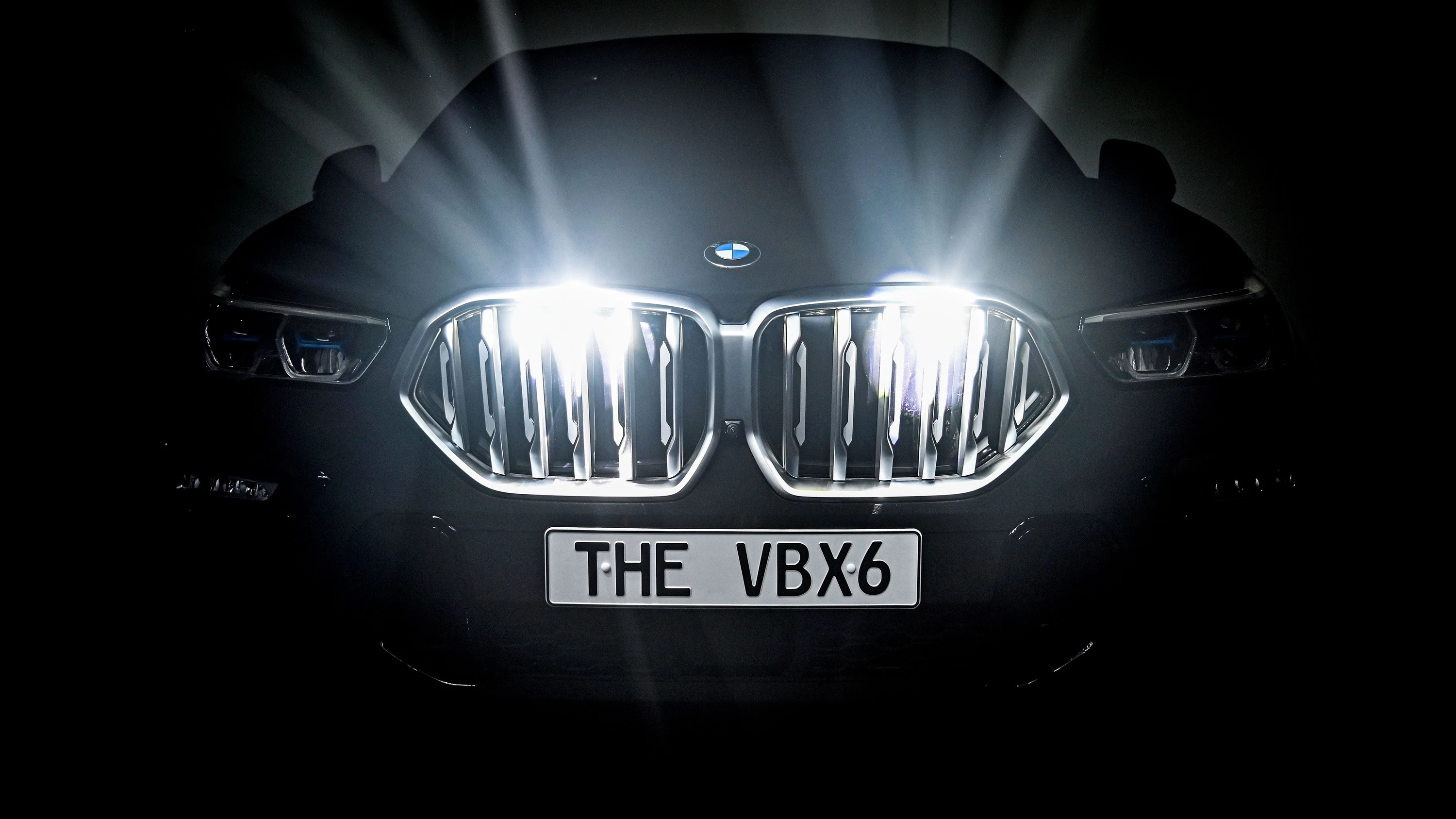
Für Autolacke geeignet: Forscher entwickeln Farbe, die noch schwärzer als schwarz ist Schwarzfahrer aufgepasst: So ein dunkles Schwarz soll es bislang noch nicht gegeben haben. Das neue Schwarz nimmt nicht nur Licht auf, es streut es auch.
faz · 3 months ago
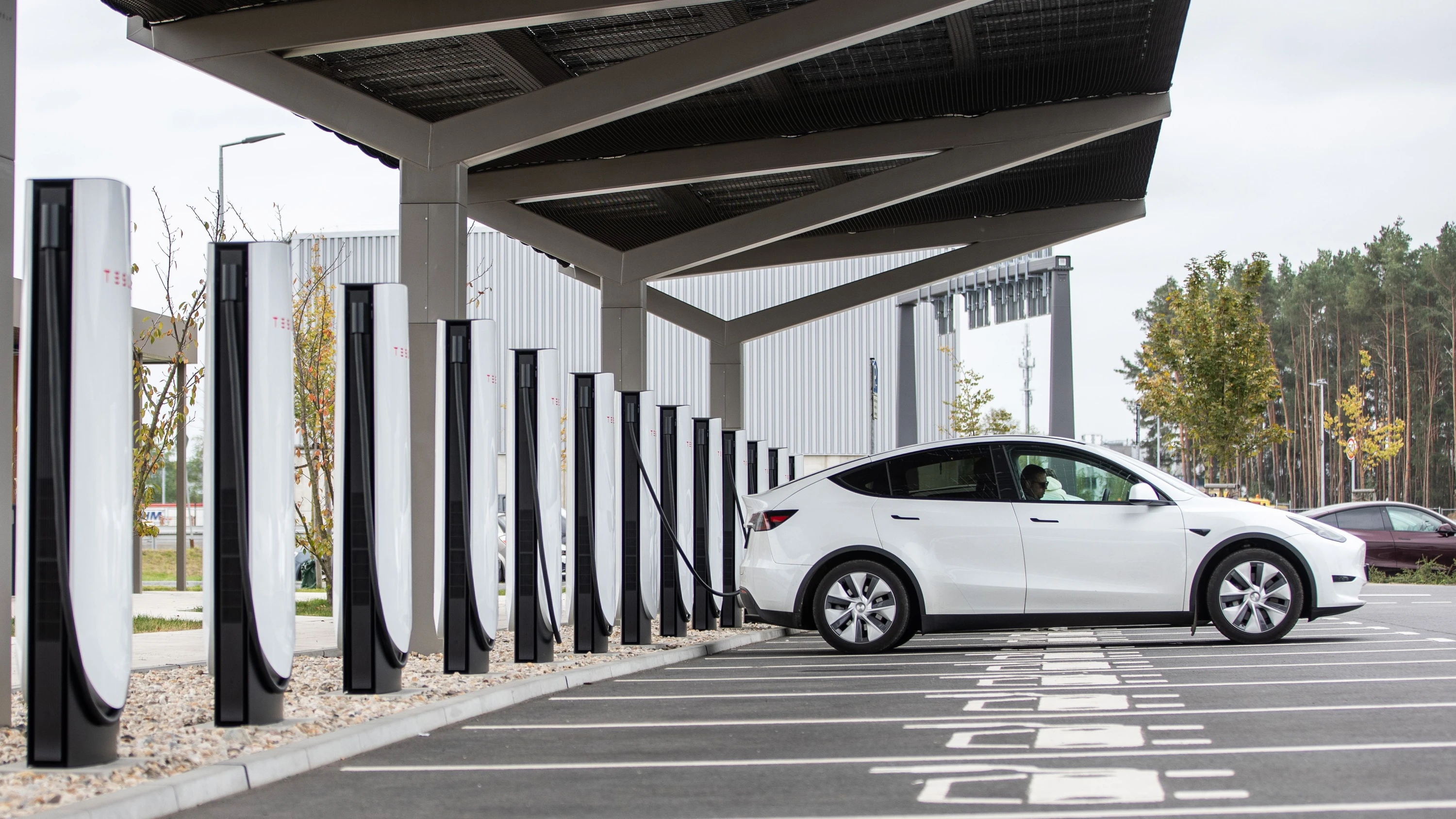
Klimafreundliche Verkehrspolitik: Die Politik für das E-Auto war ein teurer Flop Die Politik hat nicht genügend Voraussetzungen für das E-Auto geschaffen. So entstanden Milliardenverluste, Arbeitsplätze gehen verloren. Doch die Regulierer wollen weitermachen wie bisher.
faz · 3 months ago
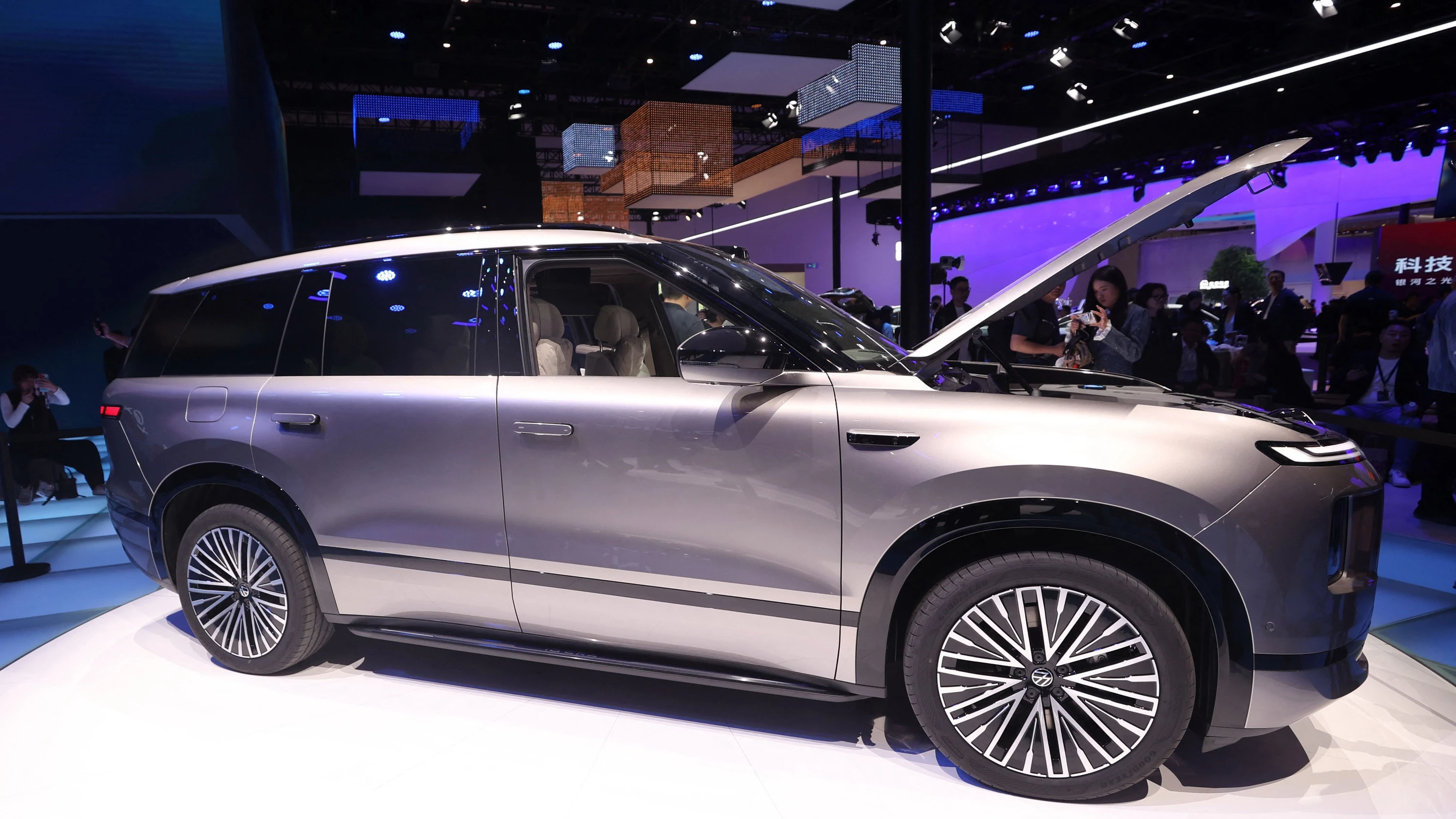
Mercedes, BMW & VW: Der Niedergang in China geht weiter Unter den zehn meistverkauften Modellen war in China zuletzt kein einziges reines Verbrennerauto mehr. Niemanden trifft das so hart wie die deutsche Autoindustrie. Vorbild könnten ausgerechnet die Japaner werden.
faz · 3 months ago