Loading…
 Saturday, September 26Saturday, September 26
2 months · 8 summary articles
Record-low water levels in the Danube have forced Hungary to shut down the Paks nuclear power plant, Prime Minister Péter Magyar announced on Friday. The four reactors at the facility will be taken offline on Monday as the river’s flow is insufficient to provide the cooling water required for safe operation.
The shutdown follows similar measures in Romania, where two reactors at the Cernavoda plant are already out of service due to drought, leaving the country reliant on electricity imports. Energy expert Cosmin Gabriel Păcuraru wrote on the Contributors platform that Romania’s crisis stems from long-standing issues, including delayed investments, abandoned projects, and protracted maintenance, which the drought has exposed. “In a sector that is key to national security, this is unacceptable,” Păcuraru stated.
In Hungary, Magyar urged the public and major industrial consumers to reduce electricity and water use in the coming weeks, though he insisted the situation remains under control. The Hungarian government has also called for voluntary restrictions on water usage, including suspending irrigation, as thousands in Szentendre were left without drinking water due to system overload. The military has deployed two tanker trucks and 7,000 bottled water supplies to assist affected residents.
The Danube’s critically low levels have revealed riverbed sections never before recorded as dry, according to drone footage published by Qubiton. Hungarian Economic Minister István Kapitány celebrated a reduction in residential electricity consumption on Thursday evening as a sign of public cooperation.
Meanwhile, Népszava raised concerns about Hungary’s planned Paks 2 expansion, which would add 2,400 megawatts to the existing 2,000-megawatt capacity. “If the Danube’s flow is not even able to safely cool a 2,000-megawatt reactor, what happens when the cooling system has to cope with a total reactor capacity of 4,400 megawatts?” the publication asked.
The shutdowns add to broader energy strains across Europe, where drought and extreme heat have disrupted power generation and strained grids. In Texas, utilities are adapting to surging demand by expanding battery storage and implementing mandatory weatherization, while the Electric Reliability Council of Texas approved standards requiring large data centers to disconnect during grid disturbances to maintain stability.
Follow us for live European news
3 further sources not geolocated

Η Κιμ Καρντάσιαν έκανε SUP σε λίμνη, τα στιγμιότυπα που ανέβασε με μαύρο μπικίνι Η τηλεπερσόνα δημοσίευσε βίντεο και φωτογραφίες από την απόδρασή της στη φύση
protothema · about 2 months ago
Sorin Grindeanu spune care e alianța cu care PSD are șanse să treacă „la limită de Parlament „După 15 august, probabil sunt șanse mai mari, ca un nou guvern să treacă de votul din Parlament, a declarat vineri președintele PSD Sorin Grindeanu la Parlament, într-o conferință de presă. Grindeanu a spus că România are nevoie rapid de Guvern cu puteri depline, susținând că partidul său „este deschis să fie parte a acestei …
hotnews.ro · about 2 months ago
Mehr als Strandkorb-Tourismus: Noch mehr Inseln: Norddeutschlands verborgene Paradiese Sylt oder Rügen kennen viele. Doch der Norden Deutschlands hat noch weit mehr Inseln zu bieten - von idyllischen Ausflugszielen bis zu streng geschützten Naturparadiesen.
handelsblatt · about 2 months ago
Österreich steht am Beginn der „stärksten Hitzewelle, die je gemessen wurde [premium] Eine solch extreme Hitze, wie in den kommenden Tagen erwartet wird, wurde in Österreich noch nie gemessen. Das haben Forscher aus Graz errechnet. Drei Viertel davon gehen auf die Kappe des Klimawandels.
die presse · about 2 months ago

Prozess gegen zwei rückfällige Räuber mit Machete, Messer und Fäusten Zwei vorbestrafte Männer, 30 und 31 Jahre alt, sollen in Wien-Favoriten mehrere Delikte begangen haben. Sie liefern wenig durchdachte Ausreden
der standard · about 2 months ago
Mărturii din microbuzul de la Dinamo 2: „I-am zis șoferului să o lase mai ușor. La volan se afla un bărbat de 83 de ani Un microbuz al CS Dinamo București, cu 16 persoane la bord, a fost implicat într-un grav accident în județul Argeș. Tinerii au relatat pentru Spynews.ro că au observat că ceva e în neregulă și că au încercat să-l facă pe conducătorul auto să meargă mai încet.
adevarul · about 2 months ago
How did climate change fuel the wildfires ravaging Europe this summer? A new study by researchers from the World Weather Attribution has found that human-induced climate change played a significant role in the wildfires that have gripped France and Spain in the past week. The hot and dry conditions brought about by climate change made the fires twice as likely in France and 20 times as likely in Spain the scientists found.
france24 · about 2 months ago
Swiss mountains claim third paraglider in three weeks A fatal crash occurred yesterday afternoon in the Crap Ner area of Laax when a 24-year-old paraglider crashed onto a steep slope. According to initial reports from the Graubünden Cantonal Police, the 24-year-old was flying from Upper Valais towards Graubünden. The fatal crash occurred on the southern slope of the Crap Ner, a mountain in the Laax area which rises to over 2,700 metres. Air rescue service Rega recovered the pilots body, which was already lifeless. Under the direction of the Office of the Attorney General of Switzerland, which investigates aviation accidents, the police are investigating the circumstances that led to the crash. There have already been two other fatal paragliding accidents in Switzerland over the past two weeks. The first occurred on July 14 above the Valais village of Vercorin. The victim was a 46-year-old Swiss national. The second accident took place on July 29 in Naters in Upper Valais. For reasons as yet unknown, a 35-year-old Swiss paraglider ...
swissinfo · about 2 months ago
Video: 93-year-old Helka spends her days caring for her 96-year-old husband, Jussi An estimated 350,000 people in Finland care for a loved one, but many dont know what help theyre entitled to or how to access it.
yle.fi · about 2 months ago

Cod galben de caniculă și pericol de incendiu : IGSU îndeamnă populația la prudență
gdelt bot · about 2 months ago
Reacții din PNL după ce Curtea de Apel București a dat dreptate PSD și a suspendat șase hotărâri luate de Guvernul Bolojan „PSD cere. Sistemul execută. Românii plătesc, a acuzat vineri deputatul liberal Robert Sighartău, într-un mesaj publicat pe Facebook. „Este un derapaj care pune în pericol statul de drept, fondurile europene şi însăşi capacitatea României de a se reforma, a scris și deputata Raluca Turcan într-o postare similară. Curtea de Apel București a suspendat vineri șase …
hotnews.ro · about 2 months ago
Ședință extraordinară de Guvern pentru criza energetică. Executivul pregătește stare de alertă și intervenții pe Dunăre (surse) Guvernul se reunește vineri, de la ora 15.00, într-o ședință extraordinară convocată de premierul interimar Ilie Bolojan, pentru a adopta măsuri urgente în contextul crizei energetice. Potrivit surselor Digi24, Executivul urmează să aprobe măsuri pentru menținerea în siguranță a funcționării Centralei Nuclearoelectrice Cernavodă, inclusiv instituirea stării de alertă în județele Constanța și Călărași și intervenții pentru asigurarea debitului Dunării.
digi24 · about 2 months ago
Pragues Online Heat Map Shows Where to Find Water and Shade As another spell of extreme summer heat approaches the Czech Republic, Prague has published an online map showing where residents can cool down, find drinking water or spend time near water. Temperatures in the capital could reach 38°C, with the hottest conditions expected toward the end of the week. This map is designed to help people find relief across the city and includes public drinking fountains, misting systems, fountains, wells and locations suitable for swimming or relaxing beside the water. The project was prepared by the City of Prague in cooperation with the Prague Institute of Planning and Development (IPR Prague) and the municipal technology company Operátor ICT. The initiative is part of the citys broader efforts to prepare for more frequent periods of extreme heat. Prague says it is increasingly focusing on measures that can reduce the effects of rising temperatures over the longer term, rather than relying only on temporary interventions. More trees, water and shade planned Prague is also looking to incorporate more greenery and water into public spaces as part of new development projects. The city is supporting measures including new fountains and other water features, green roofs, rainwater collection tanks, climbing plants, permeable surfaces and... The post Pragues Online Heat Map Shows Where to Find Water and Shade appeared first on Prague Morning.
prague morning · about 2 months ago
CEO-ul Electrica, apel la marile companii: „La prânz, soarele ne dă mai multă energie decât putem folosi Directorul general al Electrica, Alexandru Chiriță, le-a transmis vineri companiilor industriale un apel public pentru a-și muta o parte din consumul de energie în intervalul de prânz.
adevarul · about 2 months ago
Frances wildfires: Famous Bordeaux wine region at risk 🇫🇷 🍷 #Frances largest #wine region is facing a wake-up call after #wildfires neared #Bordeauxs famed vineyards. The blazes underscored the climate challenges posed by severe drought and repeated #heatwaves. FRANCE 24s Gabrielle Nadler explains ▶️
france24 · about 2 months ago
Swiss study shows birds continue to suffer for days after fireworks Birds flee, find it hard to rest and avoid their roosts for days afterwards, a new study carried out in Basel shows. "After a fireworks display, you often see lots of birds sleeping during the day. With their heads buried in their feathers, they try to catch up on the sleep theyve missed," explained biologist Valentin Moser in an interview with the Keystone-SDA news agency. For the study, published in the journal Animal Behaviour, the researcher – who was then working at the Swiss Federal Institute for Forest, Snow and Landscape (WSL), studied the behaviour of birds at a roosting site in the Basel border triangle over three winters (2020/2021 to 2022/2023). The focus was on black-headed gulls, but other waterbirds and songbirds were also recorded. On New Years Eve nights, the flight time of black-headed gulls increased dramatically around midnight. The birds reacted immediately to nearby fireworks, soaring to great heights and displaying clear signs of stress. Other waterbirds ...
swissinfo · about 2 months ago
Government wants to stop sneaky power business models Climate, Energy and Utilities Minister Samira Nawa will convene discussions after the summer holidays regarding conditions for Denmarks electricity customers. She cited recent cases involving electricity companies Velkommen and Nettopower, which were criticized for high advance payments that customers struggled to get refunded. Recently, Energidrift A/S took over these customers, raising suspicion that up to […]
cphpost · about 2 months ago

UK singer Boy George pulls out of London musical after pro-Israel song backlash British singer Boy George has pulled out of a West End production of the musical Jesus Christ Superstar after facing a backlash for releasing a pro-Israel song, We Will Dance Again. The 65-year-old musician will no longer be appearing in Jesus Christ Superstar at the London Palladium, his manager Paul Kemsley said on social media. The singer, whose real name is George Alan ODowd, rose to fame in the 1980s as the flamboyant singer of the pop band Culture Club. This week he released a song...
south china morning post · about 2 months ago
Entomologist says horseflies are having a good year in Estonia This summers lack of rainfall has given people a welcome break from mosquitoes. But horseflies, which depend on larger bodies of water, are doing quite well, says entomologist Urmas Tartes.
news.err · about 2 months ago
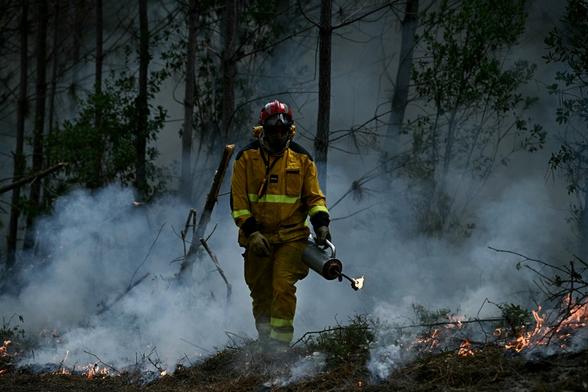
KYIV POST: Ukraine Sends Firefighters to Help France Battle Wildfires Ukraine has sent 70 firefighters and 15 specialized vehicles to France to help battle wildfires, with officials saying additional assistance, including aircraft, could be provided if needed. #World #Ukraine #Europe
mastodon bot · about 2 months ago
Judge reserves decision on fathers bid to attend childrens funeral in Bulgaria The Senior Judge of the Sovereign Base Areas (SBA) court on Friday reserved his decision on a bail application by the father accused over the deaths of his two young sons, who is seeking temporary release to travel to Bulgaria for their funerals. Following a second day of legal submissions, the court concluded the hearing […]
cyprus mail · about 2 months ago
Free sweets, live music and basket weaving in Livadia Larnaca welcomes August with the 13th Basketry and Traditional Culture Festival this weekend. As soon as the new month rolls in, on Saturday, August 1, the Larnaca Municipality – Livadia Municipal District hosts a special evening dedicated to tradition, music and folk craftsmanship. Agnooumenon Square in Agia Paraskevi of Livadia will fill with music and […]
cyprus mail · about 2 months ago
UK announces arrest of espionage suspect arrested in Cyprus last year Londons metropolitan police on Friday announced the arrest of a 44-year-old man who was arrested in Cyprus last year, accused of having spied on both the British Royal Air Forces base at Akrotiri and the National Guards Andreas Papandreou airbase in Paphos. The man, a dual British and Azerbaijani national, was initially arrested in June […]
cyprus mail · about 2 months ago
Jelgava is hot on Friday On Friday, by 3 pm, the air temperature at the Jelgava weather station in Staļģene reached +31.8 degrees, breaking the heat record for the last day of July.
lsm latvia · about 2 months ago

France, Spain battle wildfires as heat wave fuels fresh risks Firefighters across France and Spain remained on high alert as soaring temperatures and strong winds threatened to reignite major wildfires. While several blazes were brought under control, emergency crews continued working to contain hotspots amid widespread heat warnings and elevated wildfire risks across both countries.
yenisafak · about 2 months ago
Meteorologii au actualizat prognoza pentru luna august. Cum va fi vremea în următoarele patru săptămâni Prima parte a lunii august aduce temperaturi mai ridicate decât cele normale în aproape toată România, iar începutul intervalului va fi marcat și de un deficit de precipitații la nivel național. Potrivit estimărilor meteorologilor, vremea va rămâne mai caldă decât în mod obișnuit în cea mai mare parte a lunii, în timp ce spre final valorile termice se vor apropia de normal, iar regimul pluviometric va reveni la nivelurile specifice perioadei.
digi24 · about 2 months ago
Canicula se extinde în România. Cod portocaliu în șase județe și temperaturi de până la 41°C. ANM: „Este posibil să emitem și cod roșu ANM a extins avertizările de caniculă, iar codul portocaliu va viza sâmbătă șase județe. Temperaturile vor ajunge izolat la 40°C în weekend și ar putea urca până la 41°C săptămâna viitoare, când nu este exclusă emiterea unui cod roșu, a declarat Elena Mateescu, directorul general al ANM, la Digi24.
digi24 · about 2 months ago
Comandament de lucru la Guvern pentru criza carburanților. Cristian Bușoi: Nu va exista penurie, dar pot apărea întreruperi temporare Reprezentanții Guvernului și ai principalelor companii petroliere s-au reunit, vineri, la Palatul Victoria, într-un comandament de lucru convocat pe fondul tensiunilor de pe piața carburanților. Potrivit secretarului de stat din Ministerul Energiei, Cristian Bușoi, nu există riscul unei penurii de carburanți, însă în anumite zone ale țării pot apărea discontinuități temporare în aprovizionare. La rândul lor, companiile au dat asigurări că dispun de stocurile necesare și că pot acoperi cererea de pe piața internă în perioada următoare, fără a anticipa dificultăți majore.
digi24 · about 2 months ago

Boy (17) torched two homes and three cars in drug intimidation campaign, court told Two Glenageary houses gutted and no longer habitable in arson spree
irish times · about 2 months ago

Two 500-year-old mummies confirm Europeans brought smallpox to the Americas: It came from the Old World The oldest virus samples found on American soil had already fully adapted to humans
elpais · about 2 months ago