
Hungary shuts sole nuclear plant as Danube drought cuts cooling water: PM warns of five-day power crisis

Story Timeline
2 months · 11 summary articles
Hungary’s Paks nuclear power plant, the country’s sole nuclear facility, was fully shut down by early Sunday as the Danube River’s water levels hit historic lows, leaving the plant unable to draw sufficient water for cooling. Prime Minister Péter Magyar warned in a video message on Sunday that the next five days would place “enormous strain” on Hungary’s electricity system, with temperatures expected to reach 40 degrees Celsius (104°F) and the plant generating no power starting Monday.
The 2-gigawatt plant, which normally supplies about 40% of Hungary’s electricity, had been operating at just over 10% capacity in recent days as the Danube’s level continued to drop. Magyar urged businesses, public institutions, local governments and households to reduce or reschedule electricity use, particularly between 17:00 and 22:00, when demand peaks. The government is also considering mandatory consumption restrictions for major industrial users beginning Monday, though Magyar said temporary blackouts for some consumers would be a last resort, and residential limits would only be imposed if absolutely necessary .
The crisis extends beyond energy. Over 100 Hungarian municipalities, including parts of the Budapest metropolitan area, have introduced water use restrictions. László Gajdos, Hungary’s minister for the living environment, said drinking water supplies remain secured nationwide, though 10 to 20 localities may face issues that authorities are addressing. He noted that water consumption had surged by more than 25% in recent days due to extreme heat, and asked the public to conserve water, suggesting measures like running washing machines only when full and taking shorter showers .
In Budapest, the Főkert public parks company announced it had already shut down all 40 of its fountains and water features, and an emergency task force was meeting Sunday to finalize a climate crisis response plan. Péter Dezsényi, Főkert’s director, said irrigation must be drastically reduced but prioritized for young trees and newly planted shrubs, while lawns would receive minimal watering to preserve underground root systems. He also called for the immediate halt of all non-essential water use, including decorative pools .
Mark Radnai, vice president of the Tisza party, estimated the energy crisis could cost Hungary between 100 and 200 billion forints ($315–630 million) due to increased electricity import costs . The Danube’s low water levels have also disrupted navigation, tourism and water supply systems across Central Europe, with the river’s historic drought exposing broader vulnerabilities in the region’s infrastructure.
Follow us for live European news
- 4
- 4
- 3
- 3
- 1
- 1
- 1
- 1
- 1
- 1
- 1
5 further sources not geolocated
Articles

Magyar Péter: A legkritikusabb öt nap előtt állunk Holnaptól Paks már egyáltalán nem fog termelni, és pokolian forró, negyven fokos napok következnek.
444.hu · about 2 months ago
Extreme heat has transformed what summer means across generations in Europe
gdeltproject.org · about 2 months ago
Temperatures to hit 40 degrees as yellow weather warning takes effect Temperatures will hit 40 degrees Celsius today, according to the Department of Meteorology. A yellow weather warning will take effect at 2:30 pm and will remain in place until 4:30 pm. Temperatures are not expected to change significantly over the next three days and will remain above average for the time of year.
in-cyprus · about 2 months ago

Maandag en dinsdag code geel vanwege hitte: temperaturen lopen op tot 35 graden
parool · about 2 months ago
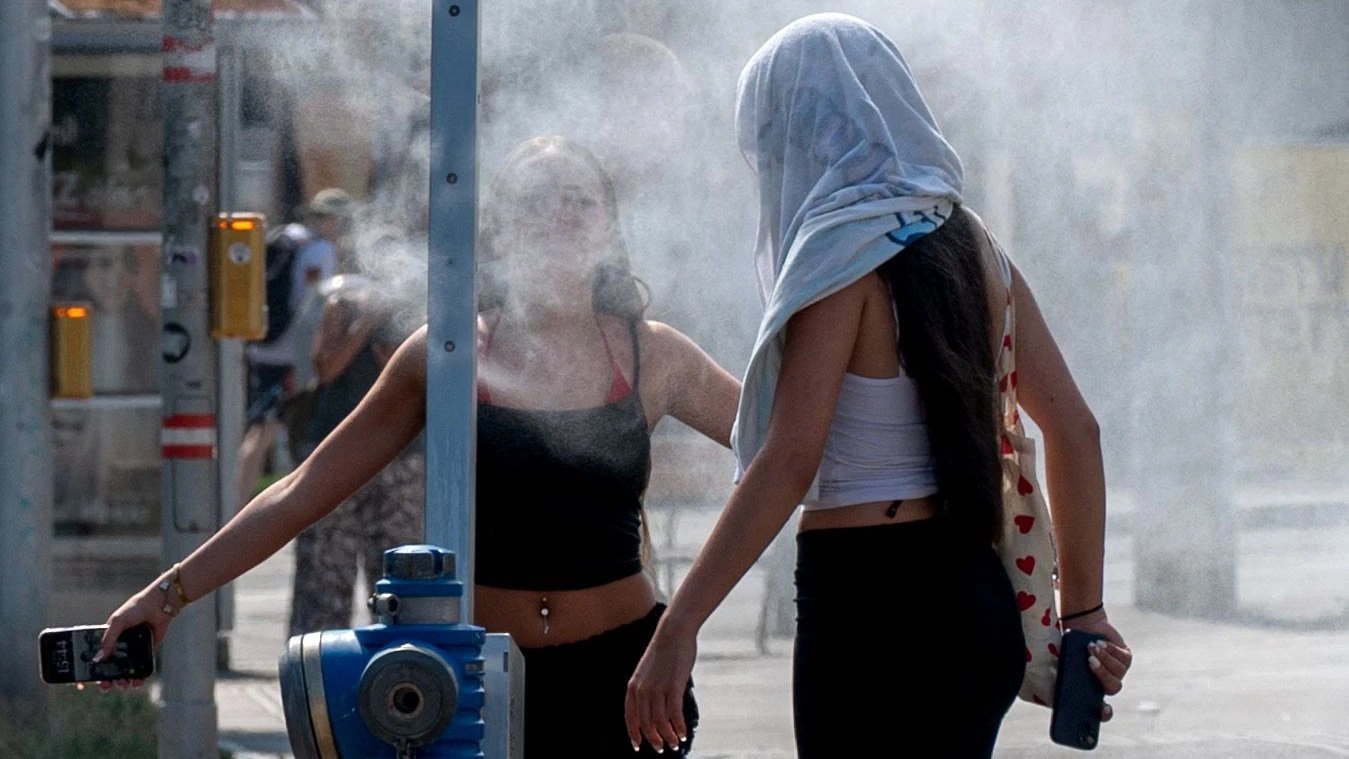
Hitze in der Stadt: Wien spritzt gegen die Hitze Wien leidet mehr als andere Großstädte unter der Hitze. Die historischen Viertel sind dicht bebaut und haben wenig Platz für Grün. Doch Not macht erfinderisch.
faz · about 2 months ago
Oficial din Ministerul Energiei: „Nu ne întoarcem la perioada de dinainte de 1989. Cine va suferi dacă sistemul energetic este pus sub presiune „Ne așteaptă două săptămâni de foc și la propriu, și la figurat, însă populația nu riscă restricții la alimentarea cu energie electrică, a declarat duminică secretarul de stat din Ministerul Energiei, Cristian Buşoi, la Digi24. Potrivit lui Bușoi, perioada critică în sistemul energetic va ține până pe 15 august. Acesta a respins însă scenariul că …
hotnews.ro · about 2 months ago
Hungary faces energy crunch as drought shuts down Paks nuclear plant, PM says Budapest loses 40 percent of the countrys electricity generation as water levels continue to drop.
politico.eu · about 2 months ago

Hungary faces the most critical five days ahead as a record drought in Central Europe has forced Budapest to shut down a nuclear power plant that generates 40 percent of the countrys electricity, Prime Minister Péter Magyar said today.
bluesky_Politico Europe · about 2 months ago
Wetteraussichten: Bis zu 38 Grad und Unwetter: Hitze breitet sich aus Tropennächte mit mehr als 20 Grad, heftige Gewitter und Hagel. Wann können die hitzegeplagten Menschen endlich wieder etwas aufatmen?
tagesspiegel · about 2 months ago
Facturile la energie ar putea crește din cauza secetei de pe Dunăre, avertizează un secretar de stat Secretarul de stat în Ministerul Energiei, Cristian Bușoi, avertizează că, deși furnizorii de energie nu și-au anunțat în prezent intenția de a majora prețurile pentru noile contracte, costurile generate de actuala criză energetică s-ar putea reflecta, în timp, în facturile plătite de consumatori.
adevarul · about 2 months ago
South Korea has hottest day on record amid extreme weather globally Scientists say the climate crisis driven by human activity is making heatwaves more frequent.
aljazeera · about 2 months ago
Criza din Ungaria: „Ne așteaptă cinci zile critice. Ce a spus premierul Magyar Ungaria se va confrunta cu cinci zile critice, a declarat duminică prim-ministrul Peter Magyar, în contextul în care secarea Dunării obligă singura centrală nucleară a țării să se oprească pentru prima dată în ultimii 44 de ani, pe fondul unui nou val de căldură care se profilează la orizont, transmite Reuters. Porțiuni întinse din Europa …
hotnews.ro · about 2 months ago
Code geel vanaf morgen in heel Nederland: Nationaal Hitteplan van kracht Het Nationaal Hitteplan van het Rijksinstituut voor Volksgezondheid en Milieu (RIVM) geldt vanaf morgen in het hele land. Vandaag is het al actief in het zuidoosten van het land, daar worden maximumtemperaturen van rond de 30 graden verwacht.
rtl nieuws · about 2 months ago
Ungarn schaltet AKW Paks wegen Wassermangels ganz ab
orf.at · about 2 months ago
Heat Plan takes effect nationwide Monday; KNMI issues code yellow for Monday, Tuesday The National Heat Plan issued by the National Institute for Public Health and the Environment (RIVM) takes effect across the entire Netherlands starting Monday.
nltimes.nl · about 2 months ago
Ungaria a redus din nou funcționarea singurei sale centrale nucleare: un singur reactor mai produce acum doar 240 de megawați Prim-ministrul ungar Peter Magyar a anunţat oprirea singurei centrale nucleare din ţara sa, o „premieră în ultimii 44 de ani, din cauza nivelului prea scăzut al apelor din Dunăre.
digi24 · about 2 months ago
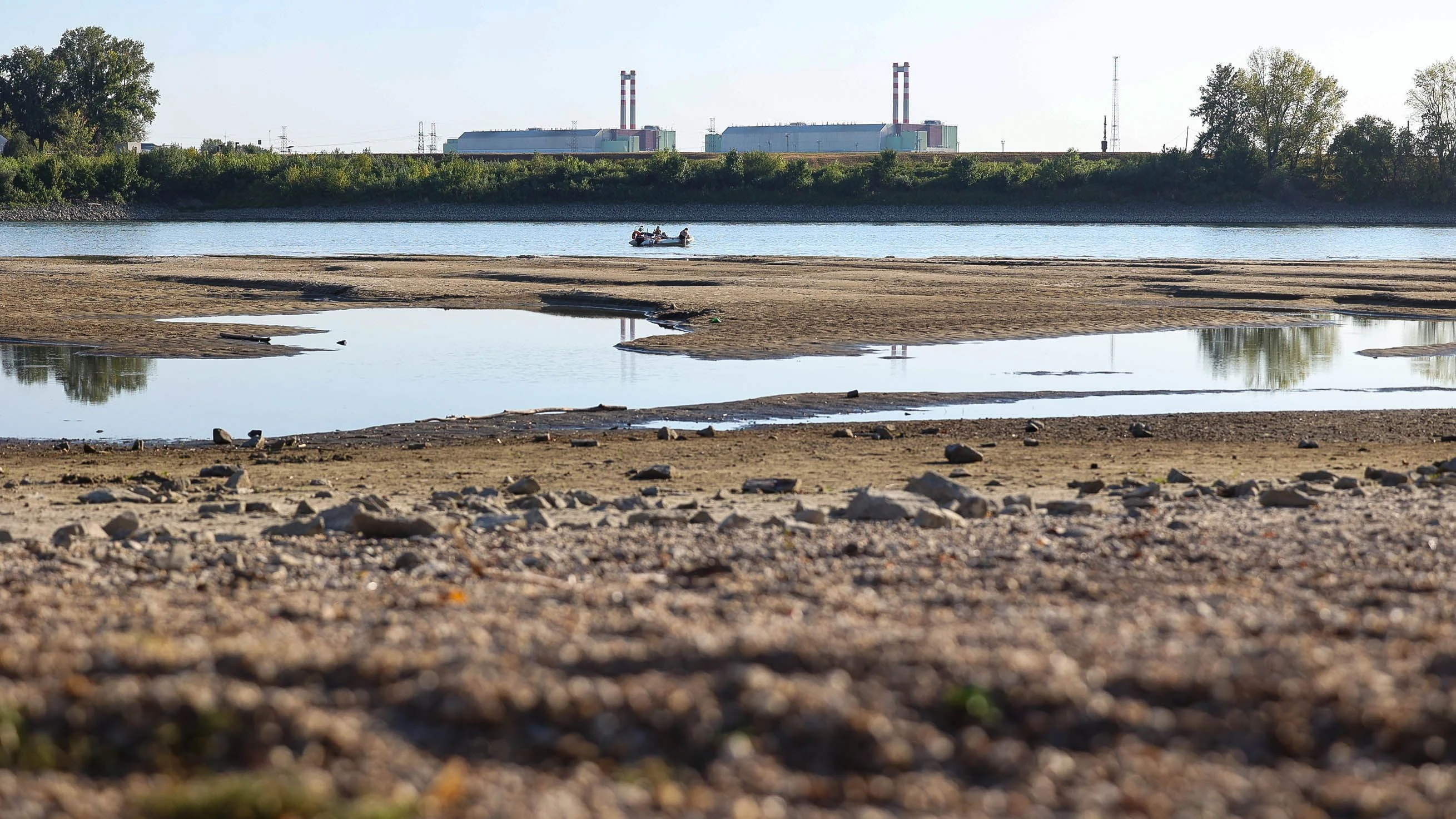
Niedriger Donau-Pegelstand: Ungarn schaltet einziges Atomkraftwerk ab Die Donau führt so wenig Wasser wie nie: Ungarn schaltet erstmals sein Atomkraftwerk komplett ab. Sonst liefert es die Hälfte des Strombedarfs des Landes. Was das für Ungarn nun heißt.
faz · about 2 months ago
Energie: Ungarn schaltet Atomkraftwerk wegen Wassermangels ab Die Donau führt viel weniger Wasser als normalerweise, deshalb müssen die Reaktoren vom Netz. Ungarn steht damit vor massiven Problemen – und ist nicht allein.
sueddeutsche · about 2 months ago

Hungary PM flags "critical" days ahead with looming nuclear shutdown reut.rs/4fHqK4c
bluesky_Reuters · about 2 months ago
Scientists warn Adriatic Sea is changing as warming waters bring new species CROATIA, 2 August 2026 – The Adriatic Sea is warming at an accelerating rate, and scientists say the effects are... The post Scientists warn Adriatic Sea is changing as warming waters bring new species first appeared on Croatia Week.
croatia week · about 2 months ago
Hitze: Niedrigwasser in der Donau – Ungarn fährt Atomkraftwerk Paks herunter Die extreme Trockenheit in Europa belastet die Energieversorgung. Ungarn muss wegen der Abschaltung seines einzigen Atomkraftwerks mit höheren Stromimporten rechnen.
handelsblatt · about 2 months ago

South Korea logs 42.5 °C in hottest day since 1904 Temperatures hit 42.5 degrees Celsius in the southeastern city of Yangsan on Sunday, marking the highest level since modern observations began in 1904 and prompting the government to activate Level 2 emergency operations amid concerns the heatwave could intensify further.
yenisafak · about 2 months ago
Ungarn schaltet einziges Atomkraftwerk ab – Regierungschef Magyar mahnt zum Stromsparen Das Atomkraftwerk Paks muss aufgrund des Niedrigwassers vom Netz genommen werden. Ministerpräsident Peter Magyar stimmt die Bevölkerung nun auf eine kritische Lage bei der Stromversorgung ein
der standard · about 2 months ago
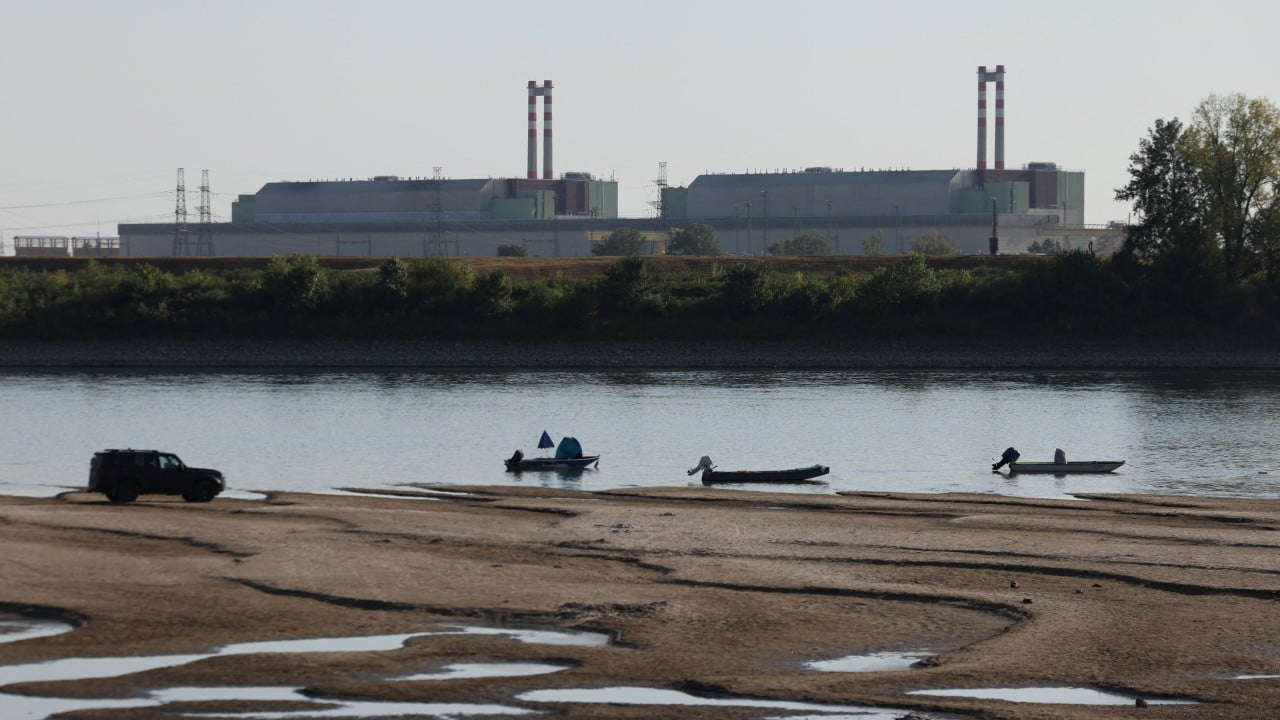
Climate crisis: Hungary closes nuclear power plant, Greece wildfires spread Hungary is fully shutting down its sole nuclear power plant for the first time due to the record low levels of the Danube River, straining energy supplies and posing a major test for the economy and new Prime Minister Péter Magyar. One of the two reactors still operating at the Paks plant was shut down early on Sunday, with the final one powering down later in the day, according to Magyar. He cited the progressively lower water levels, which are causing a shortage of water for cooling at the...
south china morning post · about 2 months ago
Maďarsko odstavuje kvůli málu vody elektrárnu Paks. ‚U nás není problém akutní, tvrdí odborník Maďarsko zcela odstaví jadernou elektrárnu Paks, oznámil premiér Péter Magyar. Odůvodnil to poklesem hladiny Dunaje, ze kterého Paks čerpá vodu pro chlazení a který má pokračovat. ‚Problém se netýká slovenských, ani českých jaderných elektráren, říká pro Český rozhlas Radiožurnál odborník na tepelnou a jadernou energetiku a ředitel pro rozvoj a mezinárodní vztahy slovenské společnosti Vuje Andrej Žiarovský.
irozhlas.cz · about 2 months ago
Ab Montag: S-Bahn im Berliner Süden eingeschränkt Pendler müssen umdenken: Zwischen Hermannstraße und Tempelhof rollen statt Zügen in der kommenden Woche nur Busse.
tagesspiegel · about 2 months ago
Dürre: Ungarn stoppt Atomkraftwerk – Stromversorgung unter Druck Die Donau führt so wenig Wasser wie nie: Ungarn schaltet erstmals sein Atomkraftwerk komplett ab. Was das für Stromverbraucher jetzt bedeutet.
handelsblatt · about 2 months ago
Ungarn schaltet einziges AKW ab Ungarn schaltet Paks ab und verhängt Homeoffice-Pflicht. Slowenien bietet Strom von eigenen Atomkraftwerken an.
die presse · about 2 months ago
Hungary: Successive heatwaves drain Danube river used to cool nuclear plant Prolonged drought and extreme heat across Europe have also triggered an energy crisis. For the first time ever, Hungary announced the shutdown of the countrys only nuclear power plant, after water levels in the Danube fell to a record low. Peter OBrien explains.
france24 · about 2 months ago
Vanaf morgen code rood in Italië vanwege hitte in 25 van de 27 grootste steden In vrijwel alle Italiaanse steden geldt vanaf maandag code rood vanwege temperaturen van boven 35 graden. Dat betekent dat er gezondheidsrisicos zijn voor de inwoners.
nu.nl · about 2 months ago