
Danube drought forces Romania to shut nuclear reactor, Hungary warns of power shortfall
Story Timeline
2 months · 13 summary articles
Record low water levels on the Danube River have pushed Central and Eastern Europe to the brink of an energy crisis, with nuclear power plants in Romania and Hungary struggling to maintain operations due to insufficient cooling water.
Romania’s Cernavodă Nuclear Power Plant, which supplies about one-fifth of the country’s electricity, shut down one of its two reactors last week as the Danube’s water levels plummeted. On Monday, Romanian authorities detonated 180 kg of explosives to remove a rock formation obstructing water flow toward the plant, an operation led by the Romanian Navy with support from the Defense Ministry. Interim Defense Minister Radu Miruță told Digi24 the blast successfully diverted additional water toward Cernavodă, raising levels at the plant’s intake pumps by 4 cm within 20 hours—a critical gain as levels had been dropping by 2 cm daily .
Hungary’s Paks nuclear plant, which provides about one-third of the country’s electricity, narrowly avoided a full shutdown after water levels rose slightly overnight, Prime Minister Péter Magyar said. Engineers had reduced the plant’s cooling water requirements to keep it online, but Magyar warned the situation remained critical .
Romania’s interim Prime Minister Ilie Bolojan declared a nationwide energy alert on July 31, urging industrial consumers to cut electricity use during peak evening hours. Over 80 major energy-intensive companies, including Dacia and Ford car plants, began scaling back production or halting operations to ease grid pressure. Dacia and Ford temporarily suspended production until August 19, reducing consumption by around 200 MW, while wood panel manufacturer Kronospan cut its usage by up to 50% .
The drought has also slashed hydropower generation across the region, with the Danube and other rivers at historic lows. The European Commission said it was prepared to activate its Electricity Coordination Group to address the crisis .
In Romania, authorities are considering additional measures, including scuttling four barges to further redirect water toward Cernavodă. The plant’s second reactor remains at risk if water levels continue to fall. Meanwhile, Hungary’s government has called for voluntary energy conservation as the country faces a potential shortfall of up to 1,000 MW .
Follow us for live European news
- 3
- 2
- 2
- 1
- 1
- 1
- 1
- 1
- 1
5 further sources not geolocated
Articles

Factcheck: How nuclear, gas, wind and solar power are affected during heatwaves Heatwaves are becoming more likely and more intense due to climate change, impacting sources of power generation around the world… The post Factcheck: How nuclear, gas, wind and solar power are affected during heatwaves appeared first on Carbon Brief.
carbon brief · about 2 months ago
More than 109,000 Business Entities in BiH have blocked Accounts The Central Bank of Bosnia and Herzegovina has announced that as of the beginning of August 2026, as many as 109,196 accounts of business entities in our country have been blocked. According to CB BiH data, this number increased by 3,862 accounts compared to the statistics from 2025. The Central Bank also announced that there […] The post More than 109,000 Business Entities in BiH have blocked Accounts appeared first on Sarajevo Times.
sarajevo times · about 2 months ago
Another blackout recorded at Zaporizhzhia Nuclear Power Plant The Zaporizhzhia Nuclear Power Plant (NPP) lost its external power supply once again on 4 August, forcing the station to operate on diesel generators for about an hour. These generators serve as a backup source to ensure nuclear and radiation safety.
ukrpravda · about 2 months ago
Mesajul Engie pentru clienți în plină criză energetică Filiala locală a gigantului francez din domeniul energiei Engie a lansat, marți după-amiază, un apel la „responsabilitate către clienții săi din România. Furnizorul de gaze și energie electrică și-a îndemnat clienții, într-un mesaj transmis prin aplicația companiei, să folosească cumpătat curentul și să evite, pe cât posibil, consumul ridicat în intervalul de vârf al zilei. …
hotnews.ro · about 2 months ago
„Nu anticipăm probleme. Ilie Bolojan anunță care este situația la Cernavodă și ce se întâmplă cu combustibilul pentru populație Premierul interimar, Ilie Bolojan, a anunțat în urma ședințelor de lucru pe care le-a găzduit în această dimineață care este situația privind reactoarele de la Cernavodă, dar și care ar putea fi următoarele măsuri privind gestionarea crizei energetice cu care se confruntă țara noastră.
digi24 · about 2 months ago
Changing winds, thunderstorms: Tense hours ahead for firefighters fighting Limburg blaze The coming hours will be very tense for the firefighters fighting the wildfire in the Limburg nature reserve of Boschhuizerbergen, a spokesperson for Veiligheidsregio Limburg-Noord told
nltimes.nl · about 2 months ago
Danube Drought Crisis Pushes Romania And Hungary Nuclear Plants To The Brink
gdeltproject.org · about 2 months ago
Estonian firefighters facing tough conditions battling Sardinia wildfires Estonian firefighters who have headed to Italy to battle large-scale wildfires there will face rapidly changing conditions, very different from those seen in wildfires at home, the Rescue Board said on Tuesday.
news.err · about 2 months ago
Energy situation in Hungary stable for now, Magyar says The Hungarian Prime Minister checked in from the Nuclear Power Plant in Paks, where the water level had minimally increased overnight.
telex.hu · about 2 months ago

Hungary Narrowly Avoids Full Nuclear Shutdown; Slovenia Plant Still at Full Capacity The cooling of Hungary and Romanias nuclear power plants by pumping water directly from the Danube to chill the reactors makes them particularly vulnerable to drought, unlike the plant in Slovenia.
balkaninsight · about 2 months ago

Romania Cuts Industrial Output to Ease Power Shortage Extreme heat and exceptionally low water levels in rivers force Romania to curb industrial production in order to reduce electricity consumption.
balkaninsight · about 2 months ago
Record drought and heatwave bring energy emergency to Eastern Europe Numerous governments across Central and Eastern Europe are taking steps to conserve electricity and avert an energy crisis amid record low water levels on the Danube River. In Hungary, the countrys only nuclear plant provides electricity for half the country - but is now being shut down as there is not enough water to cool its reactors down.
france24 · about 2 months ago
Romania, Hungary, France... Europes nuclear power plants tested by heatwave Record low water levels in Europes major rivers have reduced electricity output and shrunk company earnings, stoking fears about the economic impact of searing heat and erratic rainfall. Governments across Central and Eastern Europe are taking steps to conserve electricity and avert an energy crisis as record low water levels on the Danube River have forced power plants to the brink of shutting down.
france24 · about 2 months ago
Wildfire prevention requires nature-based solutions: Land treating us the way we treat the land Carys Garland is pleased to welcome Alexander Held, Senior Expert of the Resilience Programme for Integrated Fire Management. Held explains how Europes escalating wildfire crisis is exposing the limits of a response model built around emergency suppression rather than long-term resilience. He argues that while the European Union has significantly improved its capacity to coordinate firefighting efforts, it continues to intervene only after the fact: once wildfires have already become uncontrollable. His central thesis is that the challenge is no longer primarily one of firefighting but of landscape governance. Climate change may intensify the conditions for extreme fires, yet the scale and destructiveness of these events are also shaped by decades of land abandonment, fuel accumulation, changing agricultural practices, and political incentives that favour highly visible emergency responses over less visible preventive measures.
france24 · about 2 months ago
Firefighters in Greece gain ground against wildfires near Athens Easing winds on the northwestern outskirts of Athens allowed firefighters in Greece to gain ground against a wildfire that had been burning for five consecutive days near the coastal village of Psatha, the fire service said. The greater Athens region has been placed under near-maximum fire risk for Wednesday, according to the civil protection ministry.
france24 · about 2 months ago
Greece: Firefighters battle major wildfire as strong winds fuel flames Hundreds of firefighters, backed by helicopters and water-dropping aircraft, are battling a major wildfire west of Athens.
euronews · about 2 months ago
Forest recovery from fire can take decades, even centuries, forestry official says A burned forest ecosystem remains highly vulnerable for years after a wildfire is put out, Glafkos Kyriakou, First Forest Officer and Press Spokesman for the Forestry Department, said. Turning a burned forest area back into a mature forest takes decades, he said, and in some cases full recovery can take even centuries. A new period […]
in-cyprus · about 2 months ago
Croatias Danube and Drava rivers fall to lowest levels in almost 200 years Croatias major rivers have fallen to their lowest levels in almost 200 years, with authorities warning there are currently no... The post Croatias Danube and Drava rivers fall to lowest levels in almost 200 years first appeared on Croatia Week.
croatia week · about 2 months ago

Washington wildfires force 65,000 evacuations, destroy 700 homes The American Red Cross confirmed on Monday that over 65,000 people have evacuated their homes in the US state of Washington as wildfires destroyed more than 700 residences and Spokane County authorities arrested a 37-year-old man on first-degree arson charges linked to one of the devastating blazes.
yenisafak · about 2 months ago
Zaporizhzhia NPP in blackout for about an hour – Energoatom The Zaporizhzhia Nuclear Power Plant (ZNPP) lost its external power supply on August 4 and operated on diesel generators for about an hour. The generators serve as a backup power source to ensure nuclear safety.
ukrinform · about 2 months ago
Încă un oraș din România anunță măsuri pentru a economisi energie. Iluminatul stradal va fi redus cu 50 Primăria Arad a decis, marţi, în urma unui apel al prefectului, să reducă la 50 intensitatea iluminatului public pe străzile unde tehnologia permite acest lucru, în timp ce iluminatul arhitectural va fi suspendat.
digi24 · about 2 months ago
Comisia Europeană crede că România nu are probleme cu furnizarea energiei și spune în ce situație ar interveni Comisia Europeană a transmis, marţi, că monitorizează efectele secetei asupra Dunării, în timp ce în România şi Ungaria centralele nucleare funcţionează la capacitate minimă din cauza scăderii debitului fluviului, precizând că nu a identificat probleme de furnizare a energiei electrice, relatează agenţia EFE, potrivit Agerpres.
digi24 · about 2 months ago
Mesaj RO-Alert în judeţul Tulcea. Locuitorii, îndemnați să se adăpostească Locuitorii din zona de nord-est a judeţului Tulcea au primit marţi mesaj RO-Alert, fiind avertizaţi cu privire la posibilitatea căderii de obiecte din spaţiul aerian. Ei au fost sfătuiţi să se adăpostească în beciuri sau în adăposturi de protecţie civilă.
digi24 · about 2 months ago
Dacia și Ford au devansat perioada pentru lucrări de mentenanță în august. Dărăban (ACUE): Nu vorbim de o intervenție nedorită Companiile Dacia și Ford au anunțat o suspendare a activității lor între 4 și 19 august, devansând de fapt perioada pe care o aveau programată inițial, tot pentru luna august, în care urmau să facă lucrări de mentenanță. „Nu vorbim de o intervenție nedorită la modul la care afectează partea economică și implicit forța de muncă angajată în aceste companii, a declarat, la Digi24, Daniela Dărăban, directorul executiv al Federației Asociaţiilor Companiilor de Utilităţi din Energie (ACUE), care reprezintă 60 din totalul consumatorilor de energie electrică din piață.
digi24 · about 2 months ago
Decizie fără precedent: marile magazine din România sting luminile și reduc aerul condiționat. Ce măsuri iau retailerii Marile lanțuri de magazine trec la economii de energie. Membrii Asociației Marilor Rețele Comerciale din România (AMRCR) au anunțat un set de măsuri prin care vor să reducă presiunea asupra sistemului energetic național, fără să afecteze activitatea magazinelor.
adevarul · about 2 months ago
Major wildfire breaks out near Belgian border in Noord-Brabant A major wildfire has broken out in a forested area near Bergeijk in Noord-Brabant, the regional safety authority said.
nltimes.nl · about 2 months ago
Drought dries up European rivers; Rhine level drops to record low
gdeltproject.org · about 2 months ago
Crews battle wildfire that shut down major highways in Israel A major wildfire swept through Ben Shemen Forest in central Israel, prompting authorities to close Highway 6.
aljazeera · about 2 months ago
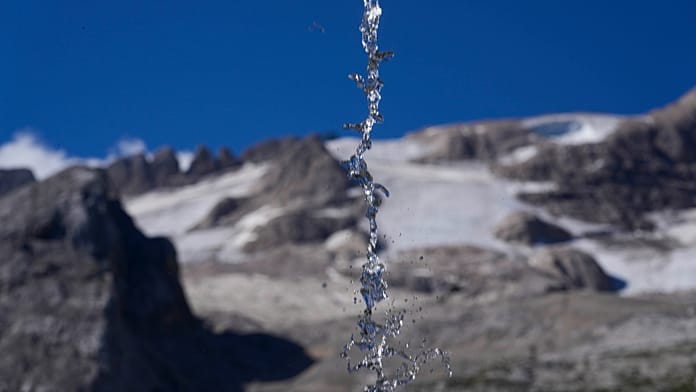
Europes hydropower nears all-time-low as summer drought worsens. Is gas the only backup? We are simply missing one-third of the water volume that our hydropower plants would normally process.
euronews · about 2 months ago
Incendiu într-un apartament din Sectorul 3 al Capitalei. 45 de persoane s-au autoevacuat din bloc Un incendiu a izbucnit marți, 4 august, la un apartament pe strada Odobești din Sectorul 3 al Capitalei. În consecință, 45 de persoane s-au autoevacuat până la sosirea salvatorilor.
adevarul · about 2 months ago