
Hungary shuts sole nuclear plant as Danube drought cuts cooling water, triggering energy crisis
Story Timeline
2 months · 12 summary articles
Hungary’s Paks nuclear power plant, the country’s sole nuclear facility, was fully shut down by Sunday as record-low Danube water levels left the plant without sufficient cooling capacity, according to multiple reports. The shutdown has left Hungary’s electricity grid under severe strain, with the plant generating no power as of Monday .
Prime Minister Péter Magyar warned citizens in a video address that coordinated action and voluntary energy cuts were necessary to avoid more severe consequences. He urged energy-intensive industries, such as battery and auto manufacturers, to reduce consumption and called on households to avoid using air conditioning and charging electric vehicles during peak evening hours . The government also approved emergency measures allowing the grid operator MAVIR to impose temporary blackouts on major industrial consumers if demand does not drop .
MAVIR projected a peak demand of 7,282 megawatts for Monday evening, just 3% below the summer record of 7,488 megawatts set on June 29, despite Paks currently contributing no power. The grid has so far held, with actual consumption falling below forecasts as industries and households heeded calls to cut usage . In Budapest, Mayor Gergely Karácsony ordered the shutdown of decorative lighting on historic buildings and replaced some electric trolleybuses with diesel alternatives to conserve energy .
The crisis extends beyond Hungary. Romania’s Cernavoda nuclear plant, which relies on the Danube for cooling, had already shut down two reactors due to low water levels. On Monday, the Romanian military detonated 180 kilograms of explosives to remove a rock formation blocking water flow to the plant, a measure intended to divert more water to the facility . Romania is now importing electricity from Bulgaria, which has surplus capacity due to its expanding nuclear program at Kozloduy .
In Romania, Prime Minister Ilie Bolojan announced emergency measures allowing authorities to notify major energy consumers 24 hours in advance of mandatory consumption limits, depending on their sector and technology . Bolojan also dismissed conspiracy theories circulating online that suggested upstream countries were deliberately withholding Danube water .
The drought has also triggered water restrictions in Hungarian cities. Pécs introduced a first-level water restriction on Monday, banning the filling of swimming pools, watering gardens with hoses, and washing vehicles with potable water. Debrecen followed with similar measures .
Follow us for live European news
Articles

Grindeanu cere Guvernului să negocieze amânarea închiderii centralelor pe cărbune. „Nu putem doar să importăm și să umflăm buzunarele unora Președintele PSD, Sorin Grindeanu, a declarat luni, 3 august, că cere Guvernului să negocieze la Bruxelles amânarea termenului de închidere a centralelor electrice pe cărbune și avertizează că România riscă oprirea Reactorului 2 de la Cernavodă.
adevarul · about 2 months ago
Debate: Drought forces nuclear plant shutdowns Nuclear power generation has been scaled back or halted in several European countries due to low water levels in rivers and the resulting shortage of cooling water. In Romania, two reactors at the countrys only nuclear power station, Cernavoda, have been shut down, and the country is now having to source electricity from its neighbours. In Hungary, too, the four reactors at the Paks power station have been shut down one by one, and the plant is no longer supplying electricity.
eurotopics.net · about 2 months ago
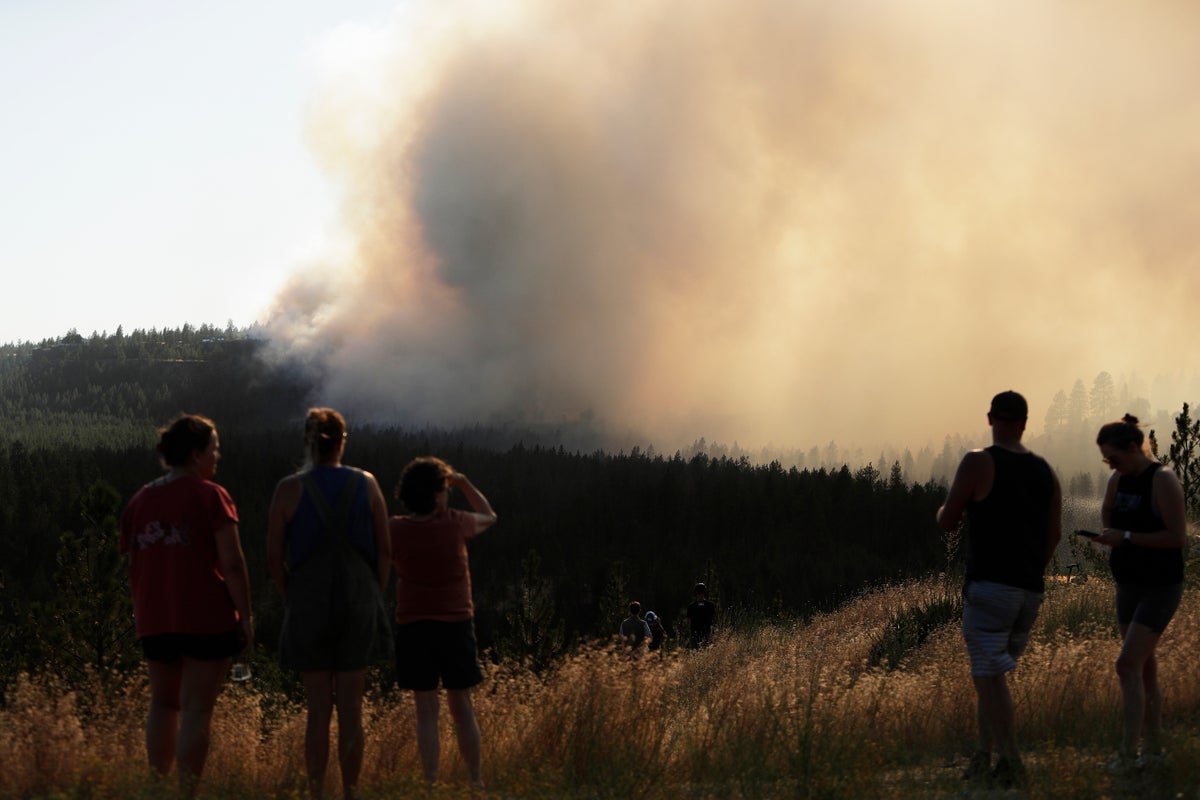
Washington wildfires worst disaster state has ever faced, says Spokane mayor Tens of thousands forced from their homes in Pacific Northwest and more than 640 structures destroyed as firefighters struggle to contain blazes encouraged by driving winds and dry conditions
independent · about 2 months ago
Greece wildfire in pictures: Firefighters battle blaze worsened by 100km per hour winds Greece is entering its second week of wildfires spread by extreme winds as more countries in Southern Europe battle with intensifying climate change.
cnbc · about 2 months ago
Wildfires destroy hundreds of homes near Spokane, Washington Wildfires in eastern Washington forced 5,000 home evacuations, destroyed about 600 buildings and continued to strain firefighting resources.
euronews · about 2 months ago
Wildfire uncovers unexploded WWII shells in France A wildfire in southwest France exposed unexploded World War II shells, forcing bomb disposal teams to clear the area before evacuated residents can return home.
euronews · about 2 months ago

2 Killed as Firefighting Helicopters Collide in Greece The aircraft crashed while battling a wildfire northwest of Athens, as Greece fought more than 200 fires in the past week.
new york times · about 2 months ago
🇬🇷 Water-bombing helicopters battle Greece wildfires Helicopters dump water to fight a wildfire in Kryo Pigadi, about fifty kilometres west of Athens, while Greek firefighters continue battling multiple blazes.
bluesky_AFP English · about 2 months ago
What should the EU prioritise to tackle wildfires? Take our poll The EU is deploying its largest-ever firefighting force in southern Europe to help countries battle wildfires. But is it enough, and what should Brussels prioritise?
euronews · about 2 months ago
Hungarys nuclear crisis tests new PM Magyars leadership Record-low Danube water levels have forced Hungarys Paks nuclear plant into partial shutdown, cutting output as demand surges. Former governing party Fidesz is seizing on the outage to question the still-new governments competence.
euronews · about 2 months ago
Guvernul cere marilor consumatori să reducă voluntar consumul de energie. Ilie Bolojan: „Dacia și Ford au oprit deja producția Guvernul a convenit cu reprezentanții marilor consumatori industriali reducerea voluntară a consumului de energie în intervalul 19:00-23:00, în contextul crizei energetice provocate de seceta severă și de debitul extrem de redus al Dunării. Premierul interimar Ilie Bolojan a anunțat luni că mai multe companii își vor adapta programul de funcționare în orele de vârf, în timp ce autoritățile vor reduce iluminatul arhitectural și intensitatea iluminatului public acolo unde este posibil.
digi24 · about 2 months ago
Răspunsul lui Ilie Bolojan pentru Sorin Grindeanu, după ce liderul PSD a cerut repornirea centralelor pe cărbune Prim-ministrul interimar, Ilie Bolojan, a subliniat în conferința de presă de luni că „nu s-a făcut mare lucru, timp de patru ani în timpul guvernelor PSD-PNL, în ceea ce privește angajamentele asumate de țara noastră prin interemediul Planului Național de Redresare și Reziliență (PNRR) pentru reducerea producției de energie pe bază de cărbune și înlocuirea cu alte forme.
digi24 · about 2 months ago
Măsura de rezervă anunțată de premierul Bolojan în contextul crizei energetice: marii consumatori, notificați cu 24 de ore în avans Premierul Ilie Bolojan a anunțat luni că în zilele care urmează Guvernul va adopta o hotărâre care va permite notificarea companiilor mari consumatoare de energie, cu 24 de ore înainte, cu privire la stabilirea unui consum maxim, în funcţie de obiectul de activitate şi de tehnologia folosită, pe fondul crizei energiei.
digi24 · about 2 months ago
Curtea de Apel București a suspendat alte cinci hotărâri ale Guvernului, după contestațiile PSD. Ce măsuri sunt blocate Guvernul a anunțat că va face recurs după ce Curtea de Apel București a suspendat luni alte cinci hotărâri adoptate de Executivul interimar, în urma contestațiilor depuse de PSD. Deciziile instanței opresc aplicarea unor măsuri privind primele acordate tinerilor la prima angajare, suspendarea permisului pentru amenzile neachitate, gestionarea a aproape 600 de milioane de euro din fonduri externe, sprijinul pentru crescătorii individuali de animale și reducerea numărului de posturi la Comisia Națională pentru Controlul Activităților Nucleare.
digi24 · about 2 months ago
Virulent wildfires raze entire neighbourhoods in Washington state At least 600 buildings have been destroyed in wildfires in the US state of Washington. One of 15 fires currently burning tore through the states second-largest city Spokane. A number of unfavourable weather conditions have made this summers fire season in the state particularly strong, with over 1,000 square kilometres burned through.
france24 · about 2 months ago

Firefighters abandoned French village to wildfires so they could save millionaires homes According to some 700 resident from Le Porge, fire crews were redirected to focus their attention on the affluent area of Cap Ferret - often referred to as the French version of the Hamptons.
dailymail · about 2 months ago
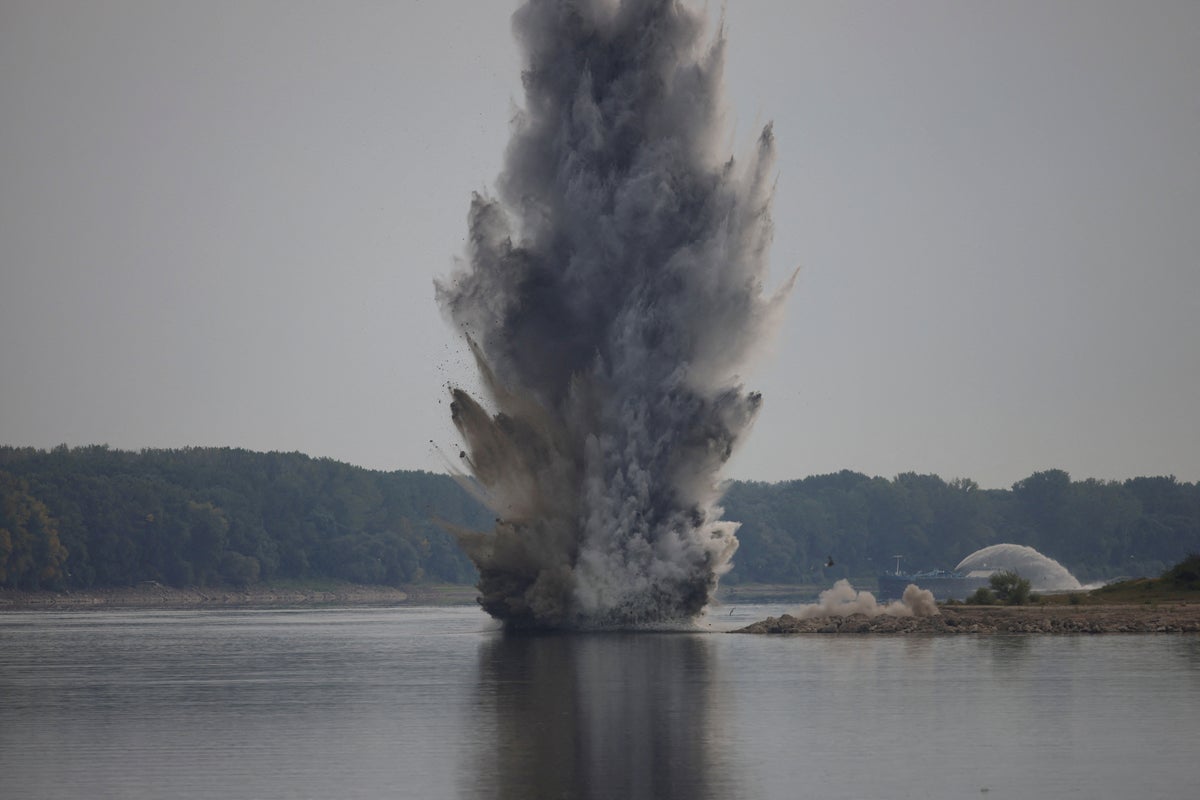
Romania blows up rocks in drought-stricken Danube to divert water to struggling nuclear reactor The river has hit a record low in places amid prolonged drought
independent · about 2 months ago
Video: Large wildfire burns in Noord-Limburg; Trains halted between Nijmegen and Venray A large wildfire is burning in the nature area de Rosmolen in the village of Oostrum in the municipality of Venray in Noord-Limburg, L1
nltimes.nl · about 2 months ago
Record low Danube levels push some countries in Eastern Europe to the brink of energy emergency
gdeltproject.org · about 2 months ago
Orbán government failed to prepare country for severe water shortage, former minister admitted last year Despite the surfaced recording, the former governing party, which led the country for sixteen years believes that the Tisza government alone is responsible for the country being unprepared for the current energy crisis caused by the historic drought.
telex.hu · about 2 months ago
Amid a drought and soaring temperatures, Hungary shuts down its nuclear plant Nuclear power is often touted as a solution to global warming. It comes with risks, but creates energy without the same greenhouse gas emissions as coal or gas plants. However, rising temperatures and drought in Europe are creating problems and shutdowns at nuclear power plants. With water levels too low to cool the reactors, Hungary - for example - is shutting down the reactor thats meant to provide energy for half the country.
france24 · about 2 months ago
Rhine falls to record low levels as drought strains Europes rivers Low water levels in the Rhine, Danube and Po have curtailed the transport of goods and reduced electricity output.
bbc · about 2 months ago
Record low Danube levels prompt central European governments to take emergency action It comes amid soaring temperatures across Europe, as the continent grapples with yet another heatwave.
euronews · about 2 months ago
€23.2 million paid to Limassol wildfire victims State support for victims of the 2025 wildfires reached €23.2 million by June 30, representing 41 per cent of the governments €56.1 million recovery package, according to figures released by the General Accounting Office on Monday. The General Accounting Office said the payments formed part of the governments recovery plan, funded entirely from state resources. […]
cyprus mail · about 2 months ago

Wildfire in southern France stabilized after burning 1,850 hectares Around 1,500 firefighters reinforced by European crews are battling active hotspots across Frances Var region after flames consumed 1,850 hectares, as officials warn that rising temperatures and shifting winds threaten to complicate containment efforts later Monday.
yenisafak · about 2 months ago

Cuba suffers nationwide blackout as power grid collapses Cuba experienced another total power outage after its national electrical grid collapsed over the weekend, marking the first blackout of August and the fourth such incident since July as the communist-ruled island grapples with chronic energy shortages.
yenisafak · about 2 months ago
Consilier al premierului Bolojan: Există în continuare un risc mare ca România să fie retrogradată la categoria junk Ionuț Dumitru, consilier onorific al premierului interimar Ilie Bolojan, a declarat luni, la Digi24, că în continuare există „un risc mare ca România să fie retrogradată la categoria Junk, chiar dacă Fitch a decis să mențină ratingul de țară la „BBB-. Declarația vine în contextul în care săptămâna aceasta este așteptat și anunțul Moodys, o agenție considerată mai dură decât Fitch.
digi24 · about 2 months ago
Rogobete, ironii din sala de operații pentru Bolojan: „Ne-ați spus să stingem lumina. Operăm pe întuneric? Fostul ministru al Sănătății, Alexandru Rogobete (PSD), l-a atacat pe premierul interimar Ilie Bolojan într-un clip publicat pe Facebook, după apelul acestuia privind reducerea consumului de energie. „Ce facem acum? Operăm pe întuneric?, a întrebat deputatul social-democrat.
digi24 · about 2 months ago
Cristian Bușoi, despre riscul penelor de curent: „Nu există niciun scenariu în care populația să rămână fără energie Secretarul de stat în Ministerul Energiei, Cristian Bușoi, a declarat luni, la Digi24, că autoritățile discută cu aproximativ 70-80 de mari consumatori de energie pentru reducerea voluntară a consumului în orele de vârf. Companiile ar putea să își mute o parte din activitate în alte intervale orare sau să reducă temporar consumul, pentru a evita o intervenție a Dispeceratului Energetic Național. Oficialul a precizat că, în cazul unei situații extreme, pot fi deconectați consumatori industriali, însă nu există niciun scenariu în care alimentarea populației să fie întreruptă.
digi24 · about 2 months ago
Bolojan: Nu luăm în calcul scumpirea energiei sau restricții pentru populație Premierul interimar Ilie Bolojan a declarat, luni, că populația nu trebuie să se aștepte la scumpiri ale energiei sau la restricții privind transportul public, în contextul stării de alertă energetice. Șeful Executivului a dat asigurări că România dispune de suficiente resurse pentru alimentarea cu energie a consumatorilor casnici și a instituțiilor esențiale.
digi24 · about 2 months ago