
Romania delays Danube barge sinking to save nuclear reactor as water levels hit record lows
Story Timeline
2 months · 13 summary articles
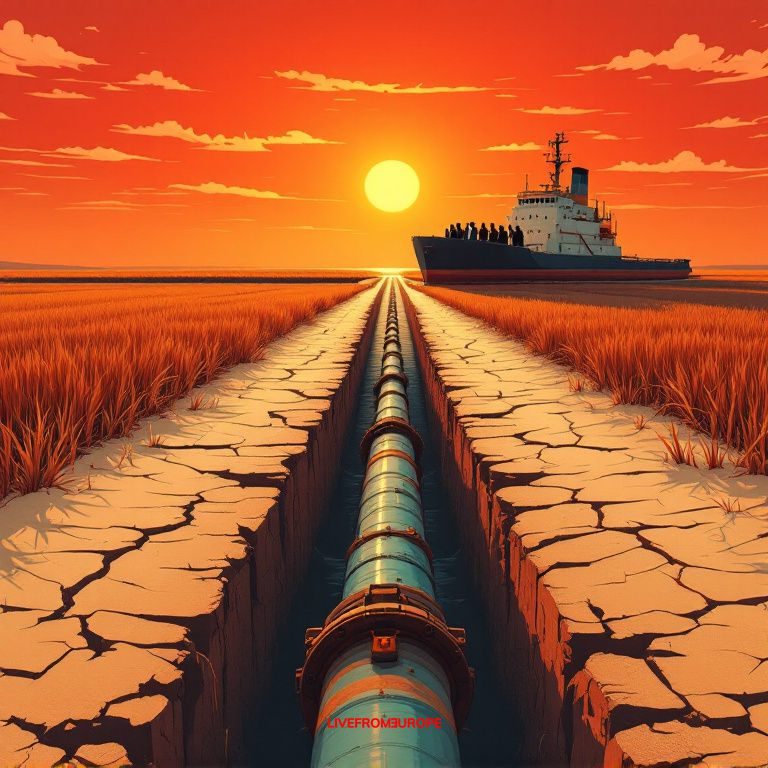
Romania delayed until Friday the sinking of four rock-filled barges into the Danube River to divert water toward its sole operational nuclear reactor at Cernavoda, citing unsafe conditions. The move aims to buy a few more days of operation for the plant, which relies on Danube water for cooling and has already shut down one of its two reactors due to record-low water levels .
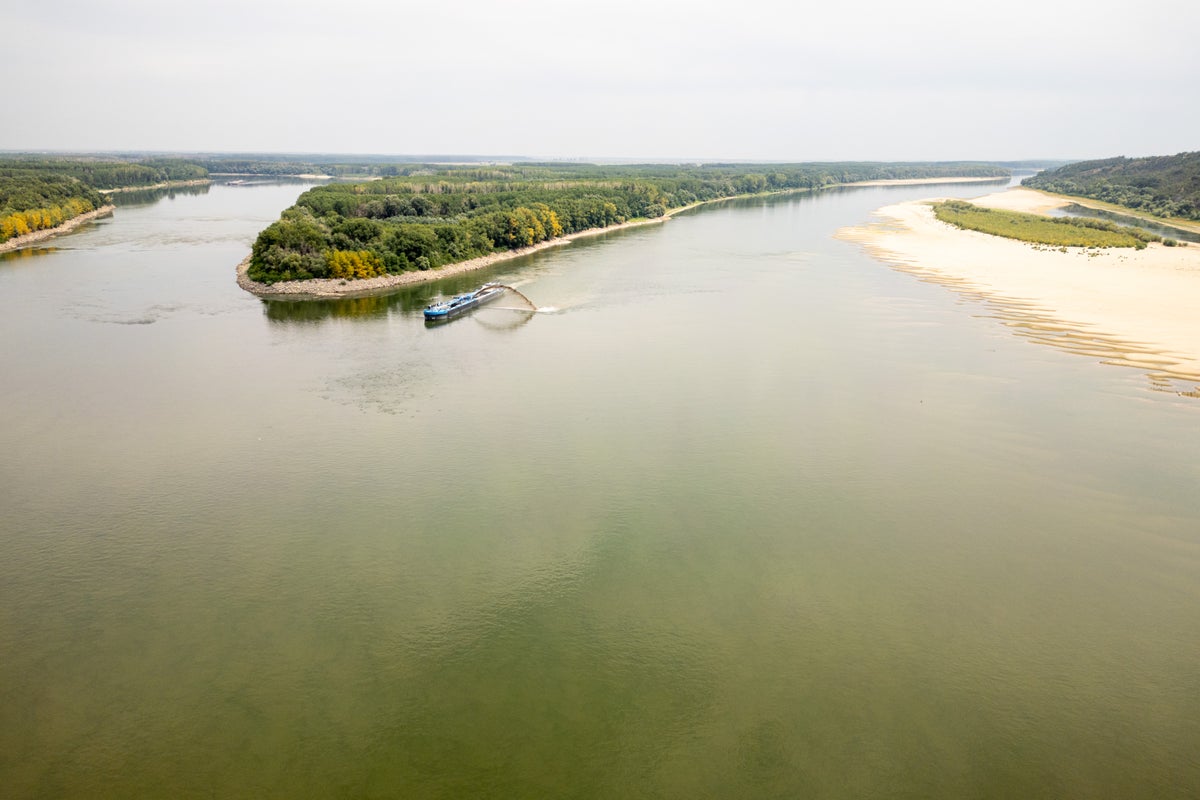
The Danube’s flow in Romania dropped to 1,400 cubic meters per second on Thursday, about a third of the August average. Authorities plan to submerge the barges one at a time starting at 1200 GMT to create a barrier and redirect water from a river branch toward the plant. Romeo Urjan, the Cernavoda plant’s director, told Digi24 that if the barges fail to generate a water surplus, the remaining reactor could cease operations within five to six days, though a successful operation might extend that deadline to nine or 10 days .
Romania’s interim Prime Minister Ilie Bolojan urged households and businesses to reduce electricity consumption between 7 p.m. and 11 p.m. until the end of August to ease pressure on the power system. Bucharest has already reduced street lighting by one-third and switched off illumination at landmarks overnight. Major industrial consumers, including car manufacturers and steel producers, have suspended or scaled back operations to reduce grid strain .
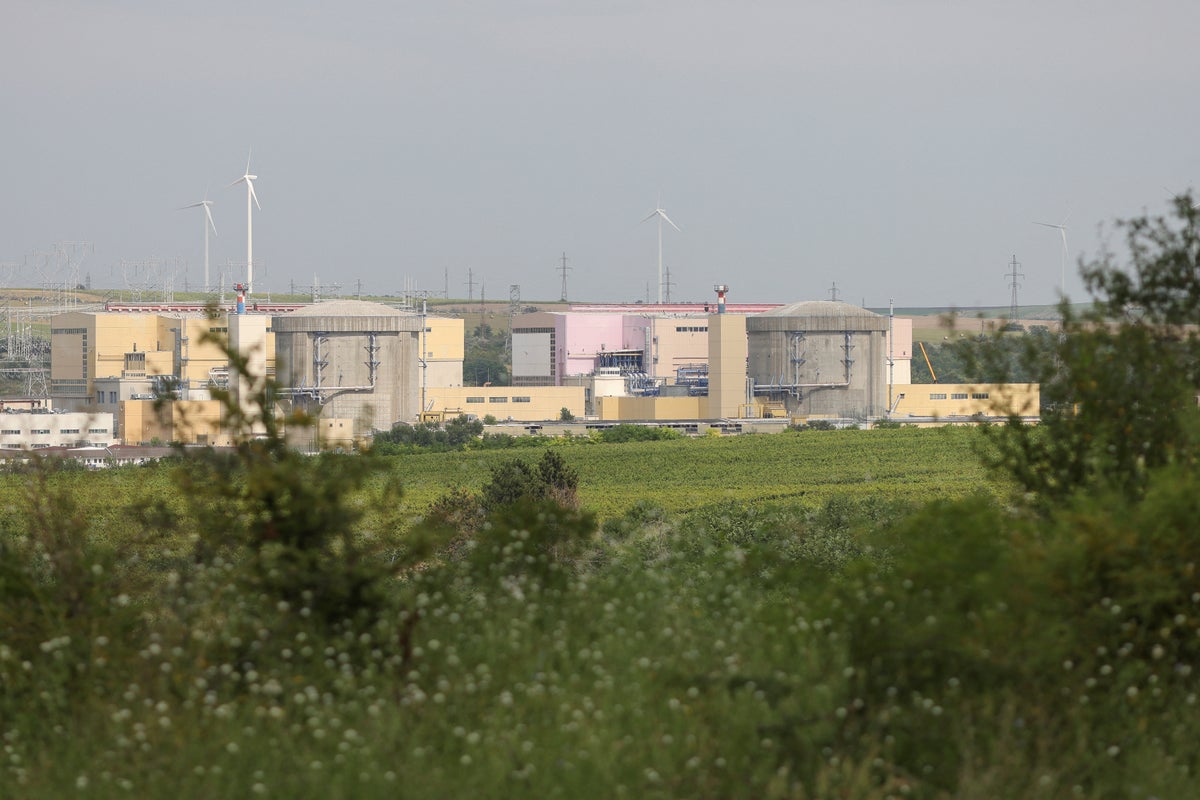
The Cernavoda plant’s two reactors, operated by Nuclearelectrica, supply a fifth of Romania’s electricity. Previous efforts, including detonating a rock obstruction earlier this week and dredging the riverbed, provided only temporary relief. ING Bank noted in a statement that such measures “should not be mistaken for an energy strategy,” as they do not address long-term needs like new generation capacity or grid interconnections .
Hungary’s Paks nuclear power plant, also dependent on Danube water for cooling, was fully shut down on Aug. 3 due to record-low levels. Hungarian Prime Minister Péter Magyar reported on Thursday that water levels near Paks had risen by 4 centimeters in 24 hours, expressing optimism that the plant could restart soon. Slovakia’s Environment Minister Tomáš Taraba pledged to maintain steady water flow to support Hungary’s nuclear operations .
The Danube’s historic lows have exposed sandbanks and stranded cargo vessels in Serbia, while in Bulgaria, Roman-era bridges have emerged. In Budapest, authorities dimmed historic landmarks to conserve energy amid the crisis .
Follow us for live European news
- 4
- 3
- 3
- 1
- 1
- 1
6 further sources not geolocated
Articles

Fischereiverband Berlin-Brandenburg warnt: Hitze und Niedrigwasser stressen Fische Flüsse führen zu wenig und zu warmes Wasser - das setzt Fischen zu. Wie ein Wissenschaftler Gefahren niedriger Pegelstände einschätzt.
tagesspiegel · about 2 months ago
„Dort stirbt die Natur: Brandenburgs Parks kämpfen gegen den Klimawandel In gleich mehreren Brandenburger Schlossgärten macht sich ein Teil der Landesregierung ein Bild über die klimabedingten Schäden. Es stehen dringende Maßnahmen an, doch es fehlt an Geld.
tagesspiegel · about 2 months ago
Spitzentreffen in Bonn: Bilger kündigt Sofortmaßnahmen gegen Niedrigwasser-Folgen an Ausnahmen beim Lkw-Fahrverbot und mehr Güter auf die Schiene: Wie Bilger die Versorgung trotz Niedrigwasser sichern will.
handelsblatt · about 2 months ago
Niedrigwasser in Flüssen: Bilgers erster Noteinsatz Das historische Niedrigwasser vor allem im Rhein wird zum Standortrisiko für die deutsche Wirtschaft. Als erste Maßnahme will der Verkehrsminister das Sonntagsfahrverbot für Lkw aussetzen.
sueddeutsche · about 2 months ago
Romania diverts Danube water in race to save nuclear reactors from shutdown Record low water levels threaten to close the two reactors – which supply a fifth of the countrys electricity
independent · about 2 months ago
Romania rushes to sink 4 barges in the Danube to keep a nuclear power plants second reactor running Romania is racing to sink four barges into the Danube River to redirect water toward a nuclear power plant
independent · about 2 months ago
The Danube Rivers water is dropping so low that World War II ships are emerging
gdeltproject.org · about 2 months ago

Romanians Urged to Use Less Electricity in Heatwave as Danube Levels Drop Households and businesses advised to consume less electricity during ongoing heatwave, to ease pressure on power grid that has been exacerbated by record-low water levels on the River Danube.
balkaninsight · about 2 months ago
🇰🇪 🐊 Rising Kenyan lakes push crocodiles closer to homes Some Rift Valley lakes have risen to levels not seen in at least half a century, with scientists attributing the surge to extreme rainfall linked to climate change. Crocodiles and other wildlife brought by the waters are posing a threat
bluesky_AFP English · about 2 months ago
Romania delays effort to divert Danube water to nuclear reactor as shutdown looms Romania delayed plans to sink four rock-filled barges into the Danube until Friday citing unsafe conditions, as the race tightens to divert water from the drought-hit river to its only working nuclear reactor and buy a few more days of operation amid low electricity supplies. Record low water levels on the Danube, used to cool […]
cyprus mail · about 2 months ago
Niedrigwasser: Gesperrte Schleusen und weniger Fracht für Güterschiffe Weniger Fracht, gesperrte Schleusen: Niedrigwasser beeinträchtigt die Schifffahrt – teils auch in Berlin und für Durchfahrten zur Elbe.
tagesspiegel · about 2 months ago
Licht aus in Ungarns Hauptstadt: Donau-Niedrigwasser zwingt Budapest zum Energiesparen Wegen des Rekord-Tiefstands der Donau musste Ungarn ein Atomkraftwerk abschalten. In Budapest werden deshalb die Wahrzeichen der Stadt nicht mehr beleuchtet. mehr...
taz.de · about 2 months ago
Krisentreffen gegen Niedrigwasser: Immer tiefer Rhein Niedrige Pegelstände großer Flüsse bedrohen auch Ökosysteme. Der Bundesverkehrsminister plant trotzdem nur Maßnahmen für die Rettung der Wirtschaft. mehr...
taz.de · about 2 months ago
Mesaj optimist al premierului Peter Magyar în criza provocată de Dunăre. Ce se întâmplă cu centrala nucleară Paks Nivelul Dunării a început să crească în Ungaria după ce a atins minime record din cauza valurilor succesive de căldură. Premierul Péter Magyar spune că apa se află acum cu nouă centimetri peste nivelul de duminică și este optimist că centrala nucleară Paks, oprită din cauza debitului scăzut, ar putea fi repornită în curând.
digi24 · about 2 months ago
ÎNTREBAREA SĂPTĂMÂNII: Cum a ajuns România în criză energetică, deși problemele de pe Dunăre erau cunoscute de zeci de ani? „Criza energetică nu se rezolvă pe TikTok și nici prin apeluri pionierești la economie. România avea nevoie de mult timp de noi capacități de producție și de stocare a energiei", spune Florin Negruțiu. Claudiu Pândaru atrage atenția: „De 40 de ani există planuri pentru rezolvarea problemei de la Piatra Frecăței–Bala. România își tratează însă problemele doar când acestea explodează.
digi24 · about 2 months ago
România pierde cursa stocării energiei. Christian Năsulea: „Întreg sistemul energetic este gândit să-i dezavantajeze pe cetățeni Deși produce suficientă energie electrică, România rămâne dependentă de importuri în anumite intervale deoarece nu dispune de suficiente capacități de stocare. Profesorul de economie mondială Christian Năsulea afirmă, într-o declarație acordată în exclusivitate Digi24, că principalele cauze sunt birocrația, blocajele din sistemul energetic și lipsa concurenței.
digi24 · about 2 months ago
Bolojan acuză Ministerul Transporturilor că a blocat patru ani un proiect strategic pentru Dunăre: „Avea toate avizele și nu a fost pus în practică Premierul interimar Ilie Bolojan a acuzat Ministerul Transporturilor că a ținut blocat timp de patru ani un proiect strategic pentru Dunăre, deși acesta avea toate avizele necesare.
adevarul · about 2 months ago
Avertisment de la Bruxelles: Comisia Europeană analizează modificările aduse la București legii decarbonizării Comisia Europeană a anunțat că va analiza modificările adoptate de Parlamentul României la legea decarbonizării, reformă inclusă în Planul Național de Redresare și Reziliență (PNRR), pentru a evalua dacă acestea pot reprezenta o reversare a jalonului 114.
adevarul · about 2 months ago
Trockenheit: Niedrigwasser belastet die deutsche Wirtschaft immer stärker Der Rhein, die mit Abstand wichtigste deutsche Wasserstraße, führt immer weniger Wasser – und das wird für die deutsche Industrie teuer. Auch Verbraucher werden davon getroffen.
sueddeutsche · about 2 months ago
Hackers targeted water systems in seven US states. Heres how they tried to take control Hackers tried to break into at least 30 municipal water systems in Minnesota on July 26-27, 2026
independent · about 2 months ago
Hungarian FM requests Slovakias assistance in securing Hungarys water supply Tomáš Taraba, Slovakias Minister of Environment and Deputy PM promised they would do everything in their power to maintain a steady water flow, which is essential for the operation of Hungarys only nuclear power plant.
telex.hu · about 2 months ago
We need to start conserving water or well be forced to make drastic adjustments in the not-too-distant future Telex spoke with experts about the reasons for the historic drought Hungary is experiencing, as well as the potential solutions for reducing water scarcity and preparing for future challenges.
telex.hu · about 2 months ago
Record-low Danube exposes sandbanks, strands boats in Serbia Record-low Danube water levels in northern Serbia expose sandbanks, dry marinas and leave cargo vessels stranded along the river.
euronews · about 2 months ago
Want to see the climate crisis? Go to the banks of the dried-up Danube With the river too shallow for freight, a nuclear plant almost offline and big firms ordered to curb power use, Hungarys heatwave is rippling straight into citizens jobs, bills and fears of blackouts.
euobserver · about 2 months ago

Drought Threatens a Vital Economic Artery in the Heart of Europe The Rhine conveys vessels and cargo that power European industry. Record low water levels are disrupting supply chains, adding costs and presenting fresh risks to growth.
new york times · about 2 months ago
#Europe s #Heatwave Is Hitting Refineries And Power Supplies | OilPrice.com
mastodon bot · about 2 months ago

All bodies of water in England polluted with toxic chemicals, official data shows
bluesky_The Guardian · about 2 months ago

⚡️ Ukraine aids Hungary amid heatwave-induced energy crisis. The Danube Rivers water level reached an all-time low in July, at only 30 centimeters in Budapest, which led Hungary to close its Paks nuclear power plant for the first time ever.
bluesky_Kyiv Independent · about 2 months ago
Sectorul energetic european, afectat de încă un fenomen: eclipsa totală de soare. Ce pregătiri face Bruxellesul Reţeaua Europeană a Operatorilor de Transport şi Sistem pentru Energia Electrică (ENTSO-E) se pregăteşte pentru „posibile repercusiuni asupra producţiei europene de energie determinate de eclipsa de soare ce va avea loc miercurea viitoare, a declarat joi purtătorul de cuvânt al Comisiei Europene. „Eclipsa solară de săptămâna viitoare, din 12 august, va afecta producţia de energie. …
hotnews.ro · about 2 months ago
Avertisment pentru România de la Comisia Europeană după adoptarea legii decarbonizării Neîndeplinerea obiectivelor din PNRR va avea „consecințe financiare, transmite Comisia Europeană într-un comunicat citat de TVR. „Comisia solicită tuturor statelor membre să își respecte pe deplin angajamentele asumate prin planurile de redresare și reamintește că orice risc de reversare va fi analizat cu atenție, putând implica consecințe financiare, a afirmat Comisia Europeană. În declarația citată, …
hotnews.ro · about 2 months ago