Loading…
 Saturday, September 26Saturday, September 26
2 months · 8 summary articles
The Dutch government and water boards are holding an emergency meeting on Thursday to address the severe drought and falling water levels affecting the country. The meeting involves the Ministry of Infrastructure and Water Management, water boards, drinking water companies, and Rijkswaterstaat.
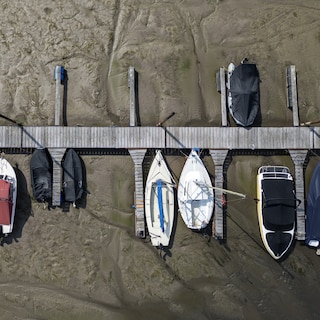
Locks are being used less frequently, shipping routes are being restricted, and farmers in more areas are being banned from irrigating their crops using surface water. Measures already in place include the indefinite closure of the locks near Eefde, blocking shipping traffic on the Twente Canal, and the closure of the port in Deventer from Saturday. Regional bans on extracting surface water for irrigation have also been implemented, with Zeeland imposing such a ban for the first time ever.
A spokesperson for the Ministry of Infrastructure and Water Management stated that the low river levels are historically low, even lower than in the record year of 1976. The Netherlands is currently on "alarm phase two," indicating an actual water shortage. Minister Vincent Karremans of Infrastructure and Water Management would take over control of crisis meetings in the next phase, phase three.
In Hungary, the water level of the Danube River has continued to decrease, with the current water level at Paks measured at -121 cm. This has led to a reduction in the performance of the Paks Nuclear Power Plant's second block by 50% starting from 7:00 AM on July 30, 2026. The power output of the first block was reduced by 245 MW on Monday, and the third block was shut down on Tuesday evening. The low water levels affect the cooling system of the nuclear power plant, which uses water from the Danube.
The environmental regulations state that the temperature of the receiving water at the point of discharge of cooling water, 500 meters from the mouth of the warm water channel on the Danube, must not exceed 30 degrees Celsius. In exceptional cases, with the approval of the minister responsible for energy policy, this limit can be exceeded up to 31.5 degrees Celsius for security of supply reasons.
According to István Kapitány, the minister of economic and energy affairs, the reduction in the performance of the Paks Nuclear Power Plant is part of a carefully prepared professional plan. The current water level at Paks is -121 cm, and the power output of the second block was reduced by 50% starting from 7:00 AM on July 30, 2026.
In Ireland, the Environmental Protection Agency (EPA) has warned that many private water supplies are not being monitored, posing a risk to public health. The EPA's 2025 report on drinking water quality in private water supplies highlights that around 370 private group schemes supply drinking water to over 194,000 people in rural communities across Ireland. However, many small private supplies are not registered and not monitored by local authorities, creating a risk to public health.
Noel Byrne, EPA programme manager, stated that "many small private supplies are not registered and not monitored by local authorities," which creates a "risk to public health." The EPA said there is an "urgent need for mandatory registration for businesses to supply water to consumers from a well."
In Romania, the low water levels of the Danube have led to the shutdown of both units at the Cernavodă nuclear power plant, removing approximately 1,400 MW of continuous and predictable production capacity from the system. This has increased the country's dependence on imports from neighbors who are also facing drought and reduced hydroelectric and nuclear production.
A spokesperson for the Ministry of Infrastructure and Water Management stated that the government aims to discuss further measures to manage the water shortage, including the possibility of implementing one-way traffic on rivers to prevent ships from running aground when passing each other. The spokesperson emphasized that there is still enough drinking water, but the situation is serious and requires careful management to prevent irreparable damage.
The Ministry spokesperson told AD that the Twente Canal is no longer accessible from the IJssel, which is a major drain. On other routes, locks are being used less frequently to retain as much fresh water as possible.
Follow us for live European news
2 further sources not geolocated

Felére csökkentették a Paksi Atomerőmű 2. blokkjának teljesítményét a Duna alacsony vízállása miatt Az elmúlt napokban már visszavették az 1. blokk teljesítményét, és bejelentették, hogy leállítják a 3. blokkot.
444.hu · about 2 months ago
‚Povodňový kostel zničený velkou vodou se mění před očima. Opava ho znovu otevře na jaře Od ničivých záplav v Moravskoslezském kraji uplynuly už téměř dva roky, přesto se ještě nepodařilo všechny škody napravit. Třeba v Opavě se velká voda prohnala kostelem u tamních Městských sadů a zůstaly po ní jenom holé zdi. Na opravu věřící čekali dlouho, nakonec se ale dočkali.
irozhlas.cz · about 2 months ago
Léků na rakovinu prsu bylo dost jen do července. Byla totiž přerušena dodávka náhrady, říká expert Desetina pacientek s rakovinou prsu se bez něj podle lékařů neobejde. Lék s účinnou látkou tamoxifen v Česku chybí. Státní ústav pro kontrolu léčiv (SÚKL) sice zajistil asi tisícovku balení přípravku z Dánska, jenže spotřeba tamoxifenu v Česku je mnohem vyšší. Ročně přibližně 40 tisíc balení. „První informace přišla v červnu minulého roku u léku o síle 10 mg. Přerušení vykryly léky o síle 20 mg, říká pro Radiožurnál ředitel SÚKL Tomáš Boráň.
irozhlas.cz · about 2 months ago

El verano del río Fluvià Tiene que llover más pronto que tarde, el río se está quedando sin agua en su paso por Olot
la vanguardia · about 2 months ago
Storing bij elektrische verkeersborden boven snelwegen in noordoosten verholpen Door een stroomstoring bij de verkeerscentrale van Rijkswaterstaat waren de matrixborden in het noordoosten van Nederland enkele uren niet te bedienen. Het ging om de elektrische verkeersborden in Groningen, Drenthe, Friesland en een deel van Overijssel.
nu.nl · about 2 months ago
Intervenția chirurgicală care reface drumul sângelui către picior Atunci când arterele membrelor inferioare sunt sever îngustate sau blocate, țesuturile pot primi prea puțin sânge. Dacă mersul devine foarte dureros sau apar răni care nu se vindecă, refacerea circulației poate deveni necesară.
digi24 · about 2 months ago

A vendéglátósok 20 százalékánál talált higiéniai hiányosságot a hatóság A szabadtéri rendezvényeken a hulladékkezelés is problémát okozott.
hvg.hu · about 2 months ago
In the waters off Malaysia, Iranian oil sales continue despite blockade A large anchorage area off the coast of Malaysia is a major marketplace for sanctioned oil.
aljazeera · about 2 months ago
Droogtealarm: ministeries, waterschappen, drinkwaterbedrijven en Rijkswaterstaat overleggen over mogelijkheden
parool · about 2 months ago

Geheime Planungen – Bundesnetzagentur bereitet Deutschland auf lang anhaltende Stromausfälle vor Die Bundesnetzagentur richtet klammheimlich eine „Sicherheitsplattform Strom ein. Großverbraucher müssen sich dort registrieren lassen. Mit dem Instrument reagiert der Bund auf die Gefahr „struktureller Mangellagen und langer Blackouts.
welt.de · about 2 months ago
Frykter strømprissjokk Ikke på over 20 år har det vært mindre vann i magasinene. Det kan sende strømprisen rett opp, tror analytiker.
aftenposten · about 2 months ago

More than half of England officially in drought, says UK government u.afp.com/Srr6
bluesky_AFP English · about 2 months ago
Storing Rijkswaterstaat verholpen, matrixborden werken weer De stroomstoring bij de matrixborden boven wegen in zeven provincies is verholpen. Rijkswaterstaat meldt dat alle systemen weer werken.
rtl nieuws · about 2 months ago
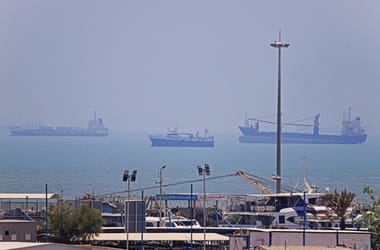
Három hét után először haladt át egy LNG-tanker a Hormuzi-szoroson Némileg élénkül a hajóforgalom, de helyreállásról azért még nem lehet beszélni.
hvg.hu · about 2 months ago

Nincs megállás: a 2. blokk teljesítményét is lefelezik Pakson a Duna vízszintje miatt A hármas blokkot már szerdán teljesen leállították.
hvg.hu · about 2 months ago
Oslofjorden er blitt mørkere. Det påvirker hele økosystemet. Fra 2003 til 2022 ble verdens hav mørkere ned til 200 meters dyp. Også den norske kysten blir mørkere, ifølge en…
aftenposten · about 2 months ago
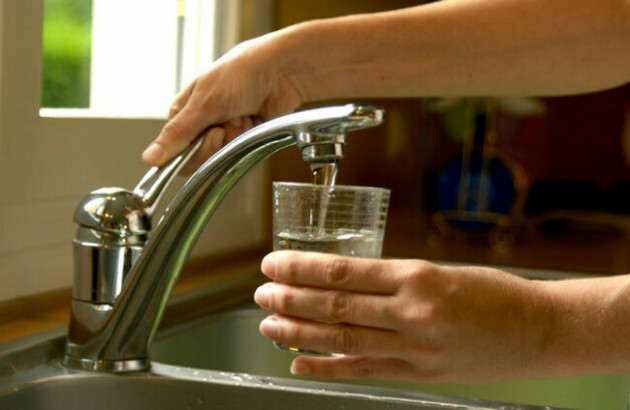
Action is needed: EPA warns many private water supplies are not being monitored The EPA warned many small private supplies are not registered and not monitored by local authorities, which creates a risk to public health.
thejournal · about 2 months ago

Le casse-tête des villes face à la nécessaire végétalisation des espaces urbains La végétalisation des espaces publics est indispensable, mais implique des défis de taille pour les villes belges. ...
la libre · about 2 months ago

Ce rapport de 2004 sur le changement climatique refait surface en Belgique: "Cest à en pleurer, déplore Jean-Pascal van Ypersele En établissant une série de conséquences attendues, ce rapport aurait pu permettre aux décideurs politiques de prendre des mesures. ...
la libre · about 2 months ago
Elektrische verkeersborden boven snelwegen in noordoosten kampen met storing Door een stroomstoring bij de verkeerscentrale van Rijkswaterstaat zijn de matrixborden in het noordoosten van Nederland niet te bedienen. Het gaat om de elektrische verkeersborden in Groningen, Drenthe, Friesland en een deel van Overijssel.
nu.nl · about 2 months ago

Private water schemes serving many schools, crèches and bars across Ireland pose health risk Environmental Protection Agency raises concerns over public health risk
irish times · about 2 months ago
Prefectura Vaslui reziliază contractul cu firma care trebuia să distrugă permisele ajunse la o groapă de gunoi de peste Prut Prefectura Vaslui a anunțat, într-un răspuns în exclusivitate pentru digi24.ro că a inițiat procedurile de reziliere a contractului cu firma care trebuia să distrugă permisele de conducere ajunse la o groapă de gunoi din Republica Moldova, după ce presa a dezvăluit cum au ajuns actele emise de România la gunoiștea de peste Prut.
digi24 · about 2 months ago
Dutch govt & water boards gathering for emergency meeting over falling water levels The consequences of the drought are increasingly visible in the Netherlands, with locks being used less frequently, shipping routes being restricted, and farmers in more areas being banne
nltimes.nl · about 2 months ago
Euro NCAP to require selected physical controls for five-star rating from 2026 - turn signals, wipers, horn
gdeltproject.org · about 2 months ago

Jovens querem reabrir debate da regionalizção Os municípios das regiões Centro, Lisboa e Vale do Tejo e Alentejo foram os mais afetados pelos temporais
observador · about 2 months ago
De astăzi, România fără energie nucleară. De unde luăm curent Oprirea ambelor unități de la Cernavodă, din cauza nivelului scăzut al Dunării, scoate din sistem aproximativ 1.400 MW capacități de producție continuă și predictibilă. România poate evita întreruperile de alimentare, însă ajunge să depindă aproape integral de disponibilitatea vecinilor exact când aceștia se confruntă cu aceeași secetă, caniculă și reducere a producției nucleare și hidroelectrice, …
hotnews.ro · about 2 months ago
Matrixborden in zeven provincies niet te bedienen door storing: Wees alert Door een stroomstoring in de verkeerscentrale van Rijkswaterstaat zijn de matrixborden in zeven provincies van het land niet te bedienen. Daardoor kunnen er tijdelijk geen rode kruizen worden geplaatst of verwijderd. Ook spitsstroken kunnen niet open en aangepaste snelheden kunnen niet worden weergegeven.
rtl nieuws · about 2 months ago
Wasserschaden während des Urlaubs: Zahlt die Versicherung? [premium] Ist man länger als 72 Stunden nicht daheim, muss man die Wasserzufuhr sperren – so steht es meist in den Versicherungsbedingungen. Aber gilt das auch, wenn öfter jemand vorbeikommt? Damit war der OGH befasst.
die presse · about 2 months ago
Schienenersatzverkehr: Störungen an Signal: Regionalverkehr in Essen eingeschränkt
die zeit · about 2 months ago
Gap in law allows drinking water supplies to be unregistered and untested Environmental Protection Agency raises concerns over public health risk
irish times · about 2 months ago