Loading…
 Saturday, September 26Saturday, September 26
4 months · 13 summary articles
Geneviève Lazaron, a former teacher and now a lawmaker for Belgium’s Les Engagés party, has defended her vote on a contentious education decree after being publicly criticized by the activist collective Mars Attacks. In a statement released Wednesday, Lazaron acknowledged the backlash but insisted she felt “no shame” and “no pride” in her decision. The decree, which outlines a new education program, has sparked fierce debate across Belgian social media, with critics accusing the government of undermining academic standards. Lazaron, who served as an educator before entering politics, framed her vote as a pragmatic choice rather than a moral failing, though she stopped short of endorsing the decree outright. The controversy underscores the deep divisions in Belgium’s education policy, where ideological clashes often overshadow consensus-building efforts .
Meanwhile, France’s Senate dealt a setback to a government-backed amendment aimed at improving relations between authors and publishers. The amendment, which sought to introduce a “clause de conscience” allowing editors to refuse certain projects on ethical grounds, was rejected by senators from right-wing and centrist parties. Culture Minister Catherine Pégard had urged caution, emphasizing the need for consensus, but the chamber’s conservative majority sided with publishers who argued the clause could stifle creative freedom. The vote reflects broader tensions in France’s literary sector, where authors and publishers have long clashed over compensation and creative control .
In Germany, Saxony’s Justice Minister Constanze Geiert has called for the repeal of a law that criminalizes insults against politicians, arguing it creates a “two-tier justice system.” Geiert, a member of the CDU, contends that the current framework unfairly shields public officials from criticism while leaving ordinary citizens vulnerable to legal repercussions. Her proposal has drawn mixed reactions, with some legal experts warning it could embolden hate speech. The debate comes amid rising concerns over free speech in Germany, particularly in the wake of far-right rhetoric gaining traction in regional politics .
Across the Atlantic, Turkish President Recep Tayyip Erdoğan appears to have outmaneuvered opposition leader Özgür Özel, who has been stripped of his parliamentary seat following a legal challenge. Analysts suggest Özel may have fallen into a trap set by Erdoğan’s ruling AKP, which has systematically targeted dissenting voices in recent years. The move has intensified scrutiny of Turkey’s judiciary, with critics accusing the government of weaponizing legal processes to silence opponents .
Follow us for live European news

Épinglée par Mars Attacks, Geneviève Lazaron (Les Engagés) se défend : "Je nai pas honte. Je ne suis pas fière non plus" Pointée du doigt sur les réseaux sociaux par le collectif Mars Attacks, lancienne enseignante nommée justifie son vote du décret programme. ...
la libre · 4 months ago

Lesordio di Vannacci a Otto e mezzo: Lega sovranista a giorni alterni, io no. Gaffe sul dizionario Zingaretti e scintille con Gruber sui diritti Lgbt Ma quante giravolte avrei fatto? Sono sempre stato coerente con i principi e i valori con i quali mi sono messo in gioco. Se la Lega fa la sovranista a giorni alterni, non fa per me. Così a Otto e mezzo (La7) Roberto Vannacci, europarlamentare eletto con la Lega e fondatore di Futuro Nazionale, risponde […] Larticolo Lesordio di Vannacci a Otto e mezzo: Lega sovranista a giorni alterni, io no. Gaffe sul dizionario Zingaretti e scintille con Gruber sui diritti Lgbt proviene da Il Fatto Quotidiano.
il fatto quotidiano · 4 months ago
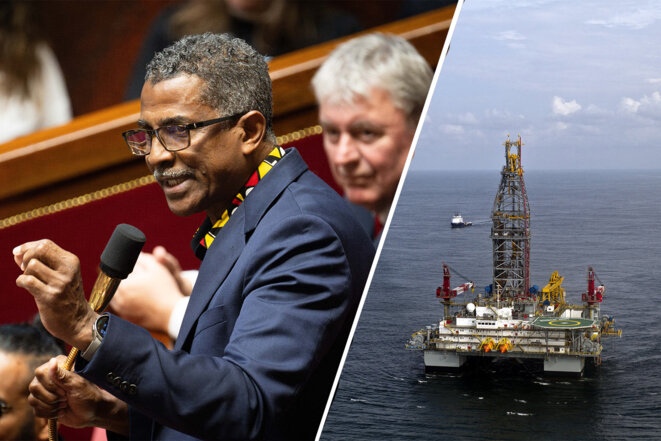
Forage pétrolier en Guyane: un texte du groupe communiste sème la zizanie à lAssemblée La proposition de loi réautorisant la recherche dhydrocarbures en outre-mer, portée par deux députés guyanais au nom de la «souveraineté» de leur territoire, crée un tollé chez les défenseurs de lenvironnement. Soutenu par la droite et lextrême droite, le texte, qui a aussi reçu lonction de Fabien Roussel, suscite un gros malaise à gauche.
mediapart · 4 months ago
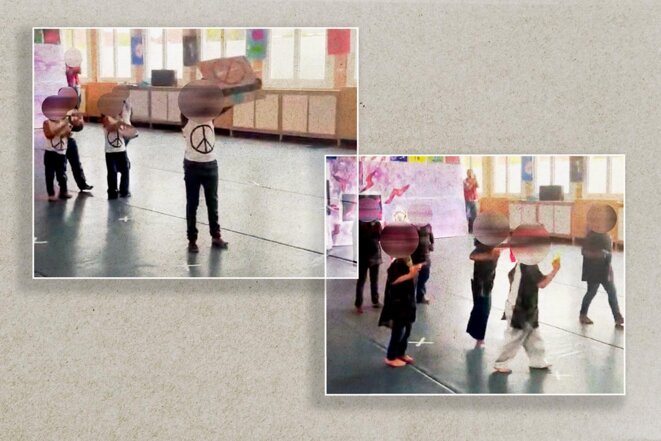
Spectacle de maternelle à Montreuil: les dix enseignants et la directrice convoqués devant le rectorat Depuis plusieurs jours, la vidéo tronquée dun spectacle de maternelle circule sur des comptes dextrême droite qui y voient, entre autres, une apologie du terrorisme. Malgré les explications du corps enseignant, une enquête administrative a été ouverte par le rectorat de Créteil.
mediapart · 4 months ago
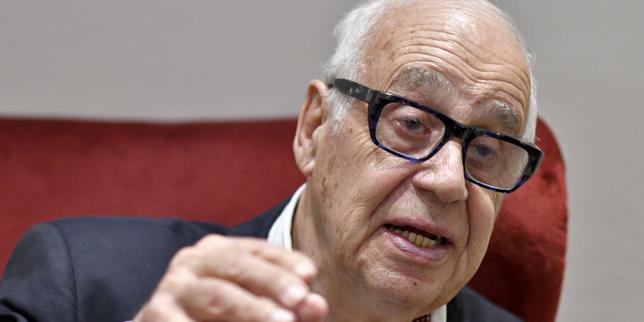
Jean Ziegler, figure de la gauche suisse et critique du capitalisme, est mort à 92 ans Sociologue, écrivain, professeur à luniversité de Genève et diplomate onusien, il sest illustré par sa dénonciation du capitalisme « cannibale », des inégalités et du rôle parfois controversé de la place financière suisse.
le monde · 4 months ago

Therapie für eine kaputte Debattenkultur – Dieter Nuhr erhält Leo-Baeck-Preis Es ist der höchste Preis des Zentralrats der Juden in Deutschland: Für seinen Einsatz gegen Antisemitismus erhält Dieter Nuhr den Leo-Baeck-Preis. Bei der Preisverleihung teilt der Kabarettist gegen Greta Thunberg und die deutsche Medienlandschaft aus.
welt.de · 4 months ago
Maschinen-Antwort auf den Holocaust: Mario Voigt verteidigt die Nutzung von KI – und macht es sich viel zu einfach Thüringens Ministerpräsident hat kein großes Problem damit, wenn KI-Sätze in seinen Reden und Texten auftauchen. Mario Voigt zeigt damit seine Geringschätzung für die demokratische Debatte.
tagesspiegel · 4 months ago

Kampen om Dalai lama – fredsikonens död kan utlösa storstrid DHARAMSALA. Det pliriga leendet och humorn är intakt. Men när DN träffar snart 91-åriga Dalai lama behöver han hjälp för att höja armen i en hälsning. Kina planerar redan inför hans bortgång. De vill utse en egen Dalai lama och en maktkamp av storpolitiska mått väntar runt hörnet.
dagens nyheter · 4 months ago
:format(jpg)/f.elconfidencial.com%2Foriginal%2F22b%2Faef%2Fd21%2F22baefd21b257c5f776dce65964583f1.jpg)
"Indignación" en la Asociación de Fiscales por la explicación de la Fiscalía sobre Leire Díez "Debemos afirmar que la explicación ofrecida" por el Ministerio Público, "deja sin respuesta cuestiones esenciales", dice la asociación
el confidencial · 4 months ago
Sociologue, homme de gauche et critique du capitalisme, le suisse Jean Ziegler est mort à 92 ans Luniversitaire, ancien rapporteur des Nations Unies, sétait illustré par sa dénonciation du capitalisme «cannibale», des inégalités et du rôle parfois controversé de la place financière suisse. Il est décédé des suites de la maladie de Parkinson, annonce sa famille ce 10 juin.
liberation · 4 months ago
Crise chez Grasset : le Sénat soppose à une «clause de conscience» dans lédition Alors que la chambre étudie une proposition de loi transpartisane visant à améliorer les relations entre auteurs et éditeurs, un amendement pourtant soutenu par le gouvernement a été repoussé ce mercredi par les sénateurs de droite et du centre.
liberation · 4 months ago
Preis des Zentralrats der Juden: Kabarettist Dieter Nuhr mit Leo-Baeck-Preis ausgezeichnet Der Zentralrat der Juden verleiht seine höchste Auszeichnung an Dieter Nuhr. Der Kabarettist decke Doppelstandards auf, lobte Zentralratspräsident Josef Schuster.
die zeit · 4 months ago
Reacția USR la acuzațiile CSM: „Apare un risc real de abuz de putere și de cenzură Reprezentanții USR au reacționat miercuri, 10 iunie, după apariția hotărârii CSM prin care judecătorii au făcut acuzații privind încercarea de subordonare a Justiției. Un risc real de abuz de putere și de cenzură, a transmis USR prin intermediul unui comunicat de presă.
adevarul · 4 months ago
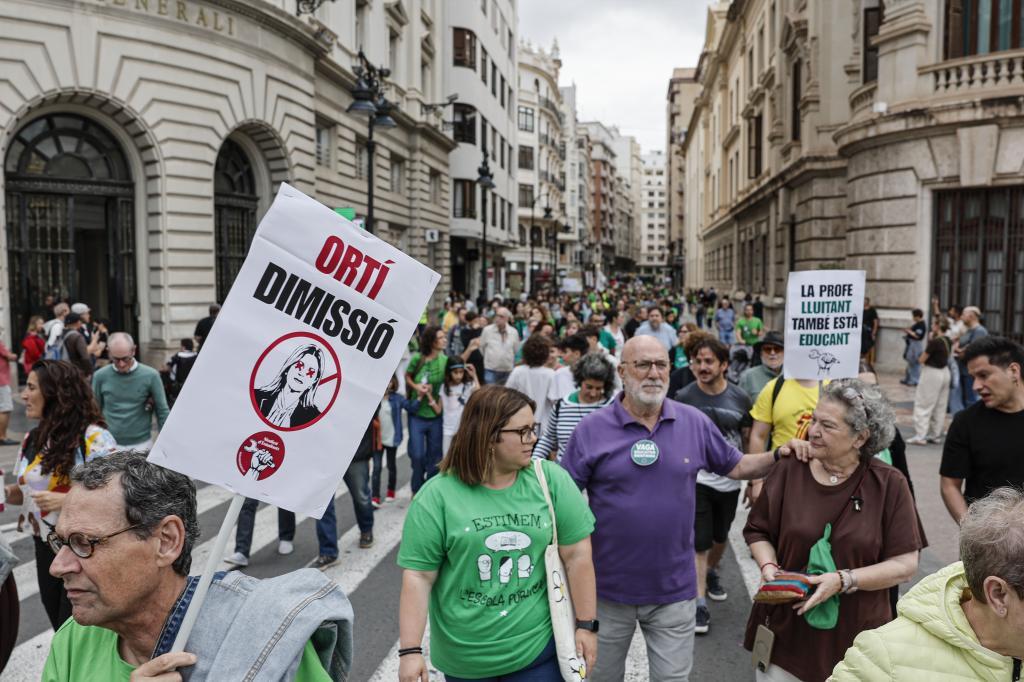
El profesorado valenciano vota suspender la huelga indefinida pero rechaza la oferta de la Generalitat con la subida salarial El fin de los paros se hará efectivo este viernes, aunque continuarán las movilizaciones Leer
elmundo · 4 months ago
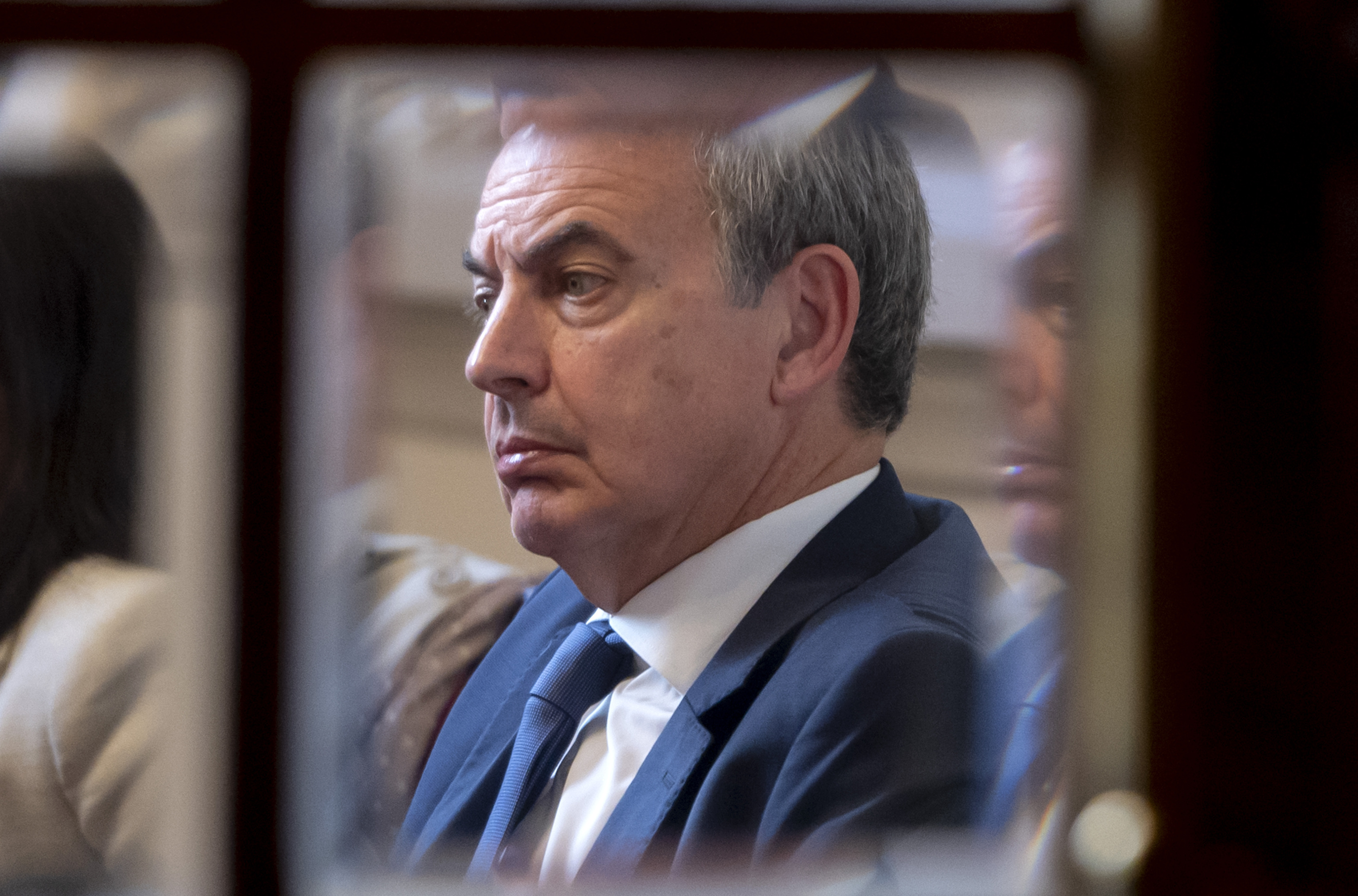
La defensa de Zapatero reclama al juez información exhaustiva de cómo obtuvo EEUU la información del móvil que incrimina al ex presidente Plantea que "la ausencia de los datos completos" de lo sucedido con el terminal del propietario de Plus Ultra impide al ex presidente ejercer su derecho de defensa Leer
elmundo · 4 months ago
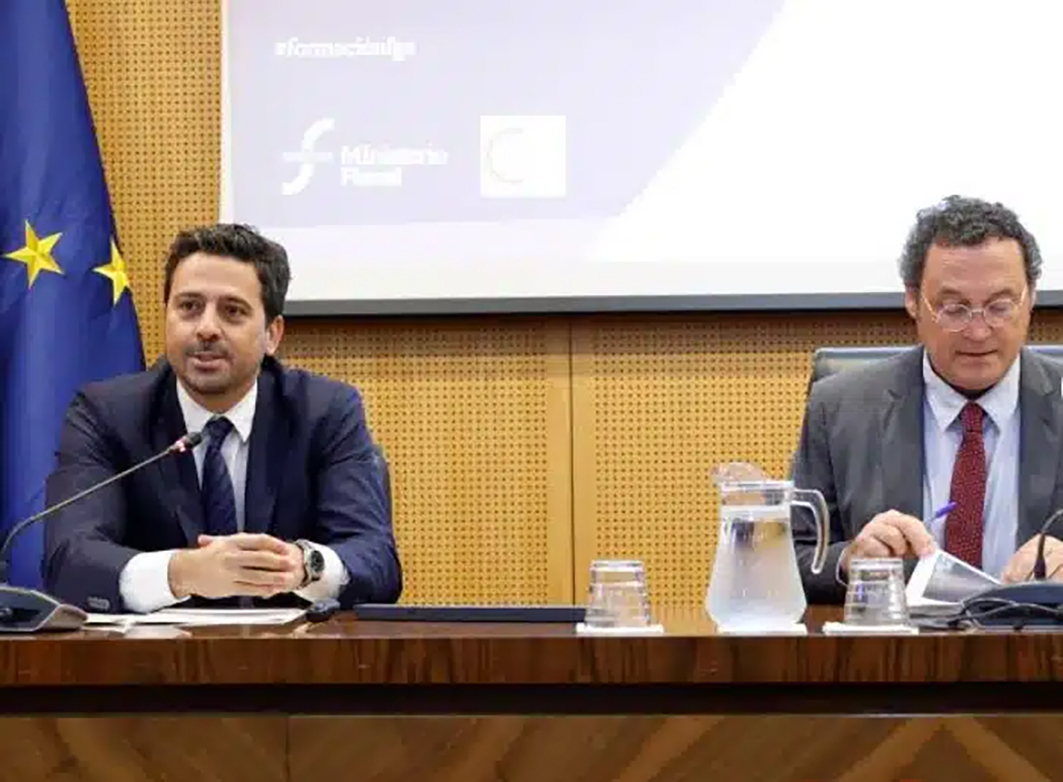
La Asociación de Fiscales exige a Peramato que diga "quién autorizó" las reuniones de la mano derecha de García Ortiz con la fontanera del PSOE El colectivo mayoritario de fiscales muestra su "indignación" por las citas de la mano derecha de García Ortiz con miembros de las cloacas de Ferraz. Leer
elmundo · 4 months ago
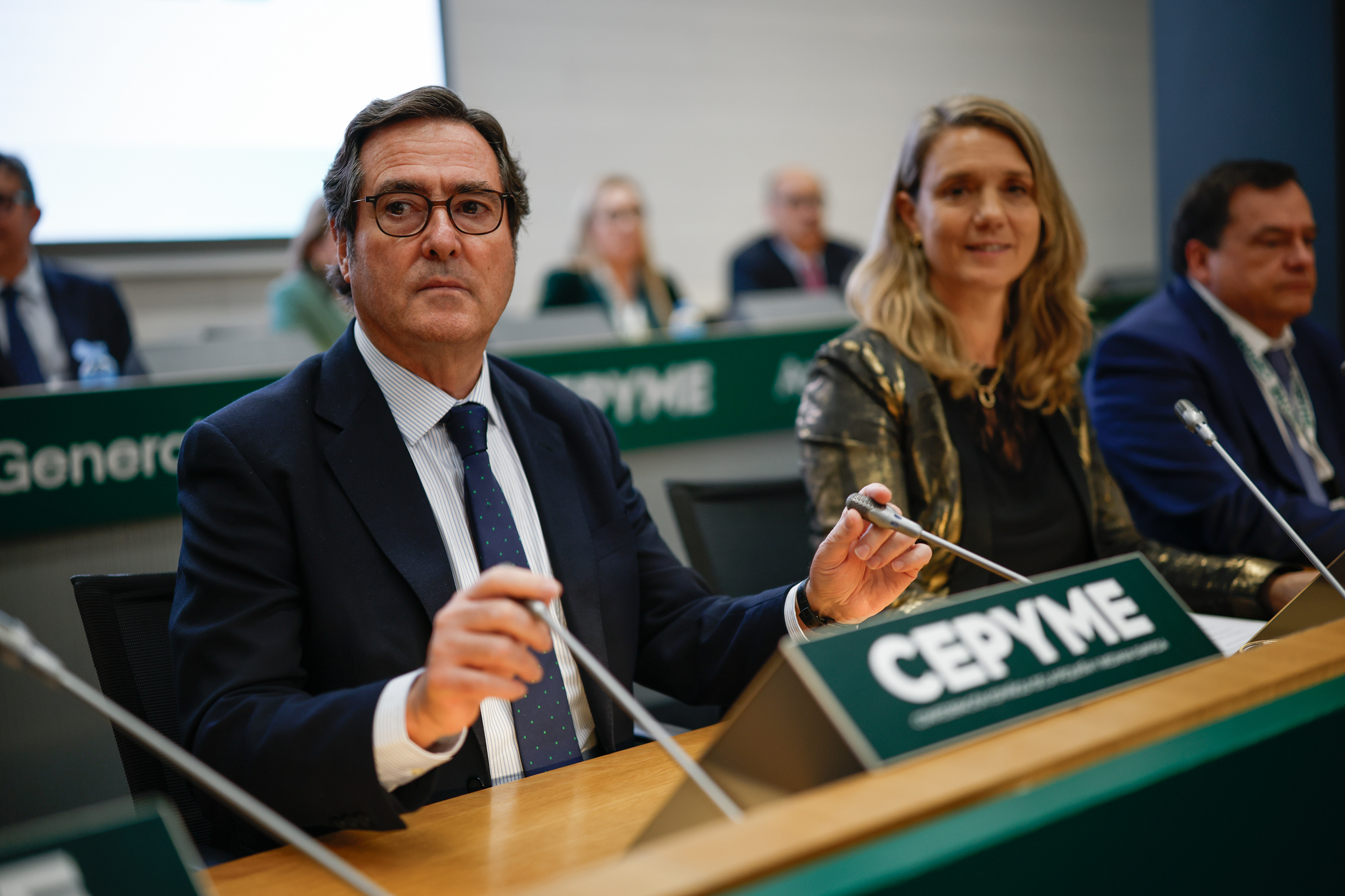
El Supremo tumba el recurso de CEOE y garantiza a Conpymes su asiento en el Consejo de la Pyme El Alto Tribunal puntualiza en dos sentencias que limitar la pluralidad de interlocutores equivale en la práctica a un monopolio de la representación empresarial. También avala la participación de la patronal catalana en el Observatorio Estatal de la Morosidad Privada. Leer
expansion · 4 months ago
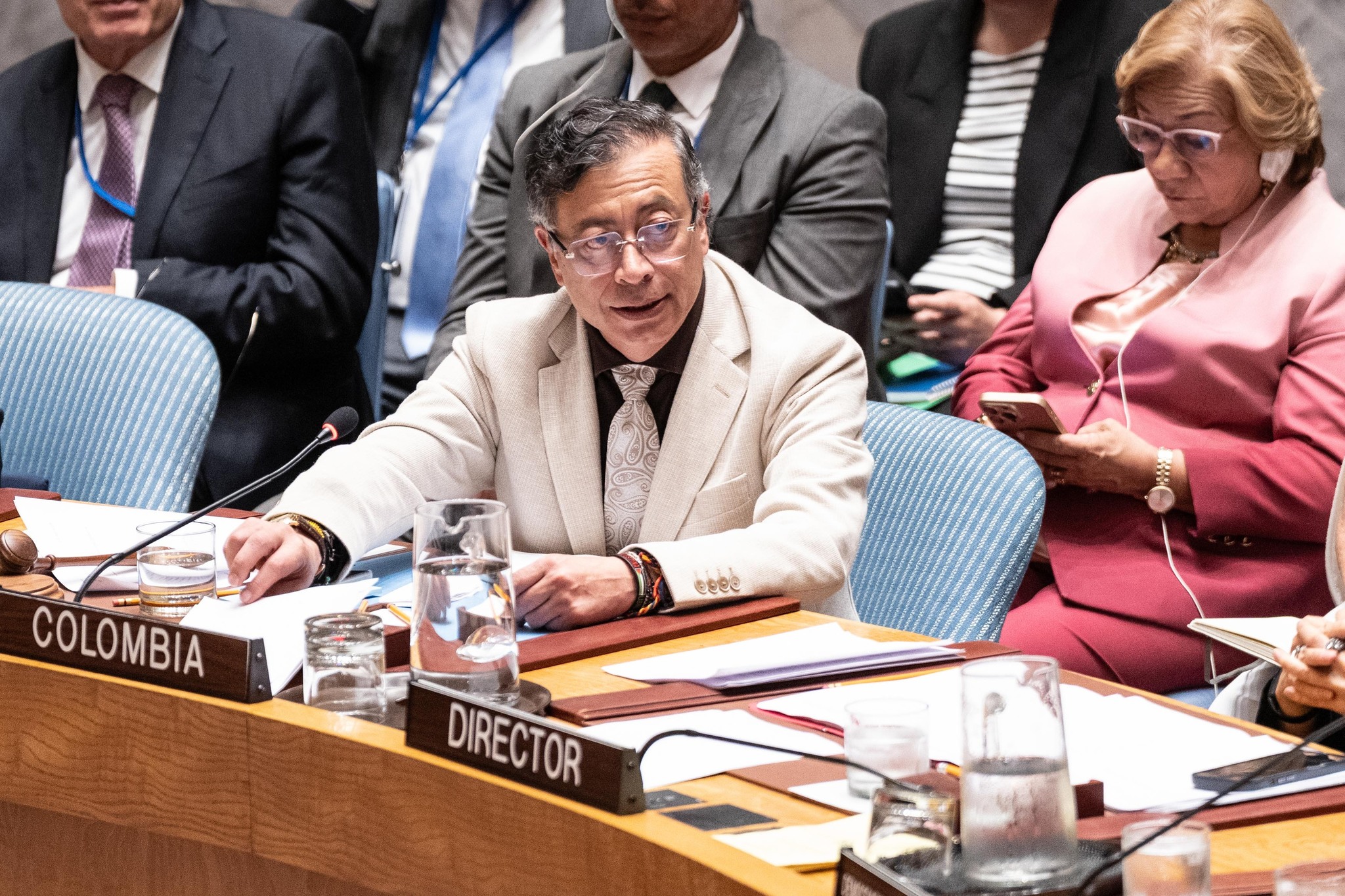
Medida busca inhabilitar a Gustavo Petro de sus funciones como presidente de Colombia La decisión requiere la votación en pleno de la Cámara de Representantes y ratificada en el Senado. En caso de prosperar, la medida implicaría el cese de actividades hasta el próximo 21 de junio al cierre de la jornada electoral de segunda vuelta en la que el país elige al próximo presidente. Leer
expansion · 4 months ago
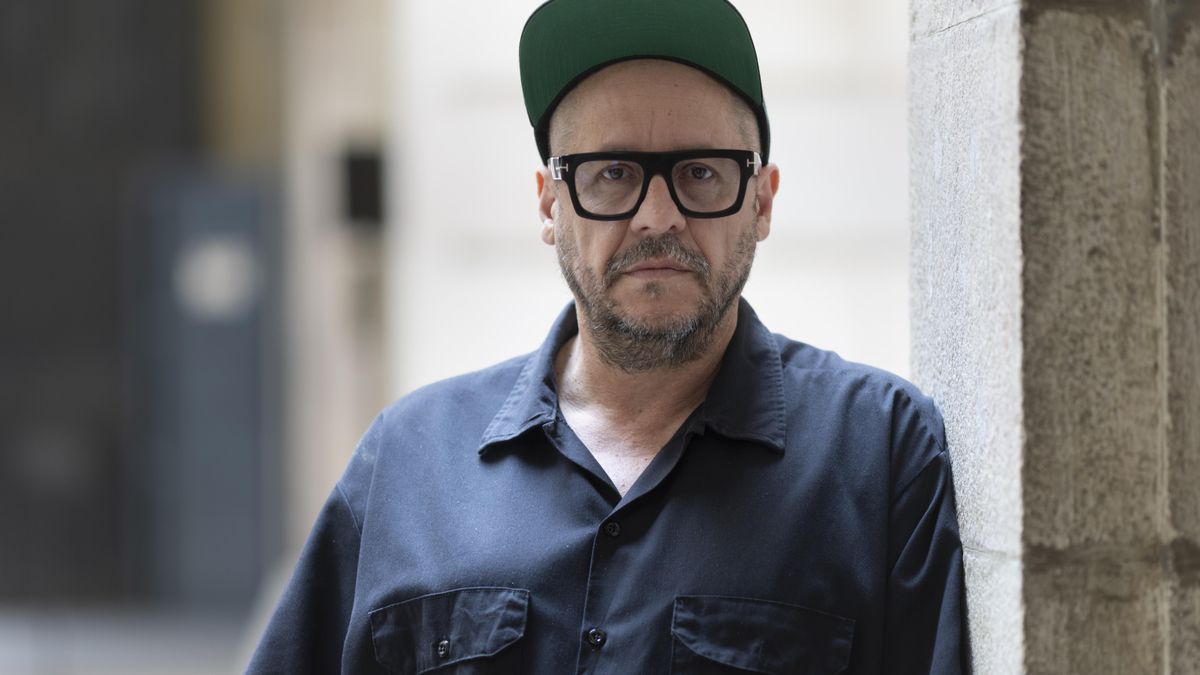
Valentín Roma, nuevo director del MACBA El escritor e historiador del arte fue destituido en 2015 de su puesto como conservador jefe en el Museu por la polémica que provocó la inclusión de una escultura en la que se que sodomizaba al rey Juan Carlos en una exposiciónEugenio Merino resucita su Franco en una nevera, ahora como capitán de la Marca España El escritor, historiador del arte y doctor en Filosofía Valentín Roma (Ripollet, 1970), que en los últimos nueve años ha estado al frente de La Virreina Centre de la Imatge, será el nuevo director del Museu dArt Contemporani de Barcelona (MACBA), según ha informado el museo barcelonés. Roma ha sido elegido por unanimidad del jurado como nuevo director del Macba, que convocó la plaza tras la salida en abril de Elvira Dyangani Ose, quien se había convertido en la primera mujer negra en dirigir el centro museístico. El Consell General del Consorcio del Macba ha validado la propuesta de la comisión de valoración, que ha adjudicado a Roma la mejor valoración respecto a los méritos entre los candidatos presentados. En sus conclusiones, el jurado destaca la solidez del proyecto que ha presentado el candidato así como la coherencia y rigurosidad de su trayectoria profesional, que permitirá liderar la institución con ambición intelectual, dinamismo y relevancia en esta nueva etapa del Macba. El nuevo director fue en el pasado conservador jefe del Macba, pero fue destituido en 2015 a raíz de la polémica provocada por una escultura de Ines Doujak que mostraba al rey emérito sodomizado por una mujer obrera, a su vez sodomizada por un perro pastor alemán, obra incluida dentro de la exposición La bestia y el soberano, de la que Roma era uno de los comisarios. El mandato del nuevo director —elegido entre 21 candidatos preseleccionados— y que se iniciará en las próximas semanas, tendrá una duración prevista de cinco años con la posibilidad de renovación a un máximo de tres más. El nuevo responsable del Macba, doctor en Filosofía (Universitat de Southampton) y licenciado en Historia del Arte (Universitat Autònoma de Barcelona), ha sido comisario de exposiciones en el Museu Picasso, el MNAC o el CaixaForum, entre otros. Asimismo, en 2009 fue el comisario del primer pabellón catalán en la Bienal de Venecia. En su faceta de escritor, es autor de El enfermero de Lenin (2017), Retrato del futbolista adolescente (2019), Diecinueve apagones y un destello (2020) y Los trillizos (2026), publicados en la editorial Periférica. La nueva dirección del MACBA se da a conocer después de que en las últimas horas el sector emitiera un comunicado crítico con la presunta falta de transparencia y libre concurrencia en la valoración de méritos para el puesto. La Asociación Catalana de Crítica de Arte (ACCA), la Asociación de Profesionales de la Gestión Cultural de Catalunya (APGCC) y la Plataforma Asamblearia de Artistas de Catalunya (PAAC), con el apoyo del Comité de Empresa del Macba, firmaron un escrito en contra de las bases del concurso a nuevo director, una selección que se abrió el pasado 9 de abril tras el anuncio de la salida de Dyangani Ose.
eldiario.es · 4 months ago
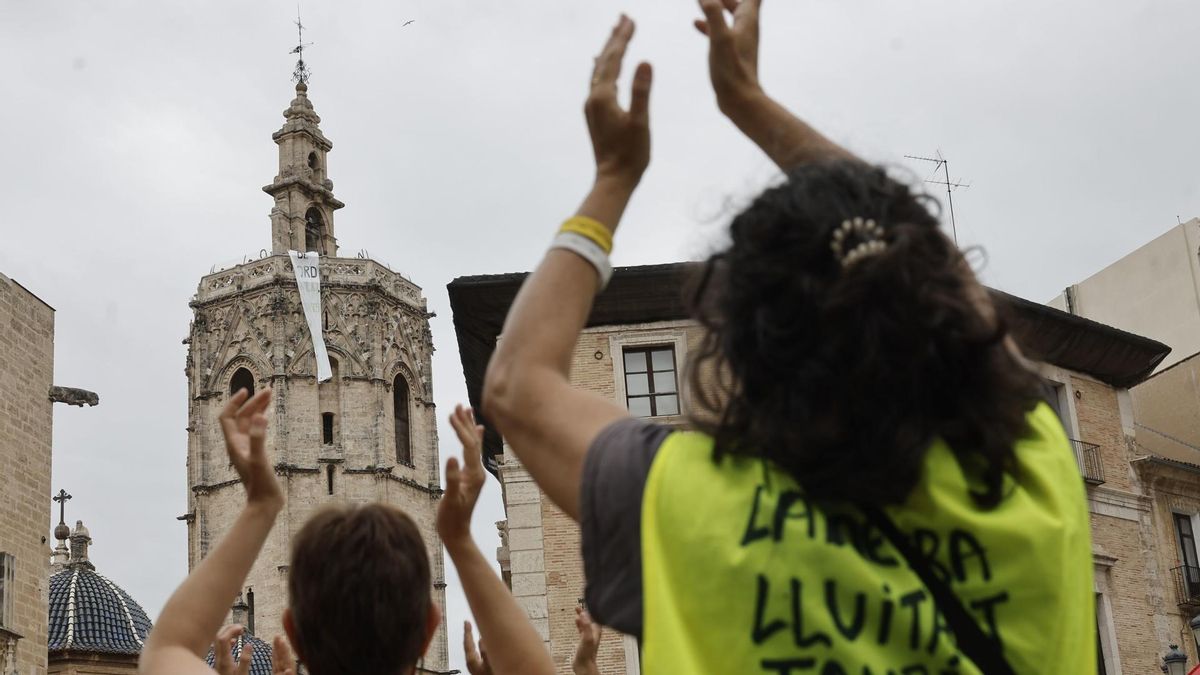
Los docentes valencianos rechazan masivamente el "acuerdo global" con Educación pero votan suspender la huelga indefinida Una consulta masiva con la participación de más de 30.000 profesores y maestros tumba la última propuesta de la conselleria, con un 87 de votos en contra. El 71 del colectivo opta por una "suspensión estratégica" para retomar la batalla en el inicio del próximo curso escolarDel indignante no hay dinero a los supuestos 3.338 millones: las claves de la última oferta de Educación a los docentes valencianos Este miércoles hemos visto un giro de guion en el conflicto educativo valenciano, que ha cumplido el primer mes de huelga indefinida. El profesorado de la enseñanza pública no universitaria ha rechazado de forma contundente la última propuesta de acuerdo global presentada por la Conselleria de Educación el pasado 9 de junio. En una consulta masiva organizada por los sindicatos STEPV, CCOO y UGT, junto a la Coordinadora dAssemblees Docents del País Valencià (CADCV), un contundente 87 de los docentes ha votado No a la firma del documento definitivo presentado por el departamento que dirige la consellera Carmen Ortí. Sin embargo, el enorme desgaste tras cinco semanas de paros indefinidos ha llevado a la comunidad educativa a una especie de repliegue táctico: el 67 del profesorado ha considerado adecuado interrumpir o desconvocar la huelga en este tramo final de curso, frente a un 33 que abogaba por mantenerla de forma inmediata. El escrutinio definitivo, cerrado a las 20:00 horas de este miércoles con una participación de 30.238 respuestas computadas, dibuja una radiografía de profundo malestar entre los maestros y profesores valencianos. El rechazo a la oferta de la administración es prácticamente total, especialmente en los bloques que originaron el conflicto. La cuestión salarial y la referida a las condiciones laborales es la que más indignación despierta: un 90 de los docentes rechaza el acuerdo parcial en materia salarial, considerando insuficiente el redactado de la conselleria. Por otra parte, el 84 de los participantes en la consulta se opone a firmar el bloque lingüístico, en pleno clima de protestas contra la aplicación de la Ley de Libertad Educativa. Y el 78 de los docentes que han votado ha rechazado las condiciones de contratación y el modelo del Pla +Mestre. Respecto a los ratios y la inclusión, ambos bloques han recibido un 70 de votos en contra, invalidando los calendarios de descenso de ratios presentados por el departamento de Campanar. El único punto del acuerdo global que se salva del castigo de las bases es el bloque de simplificación burocrática, que ha sido avalado de forma interna por un rotundo 82 de los profesores, quienes ven con buenos ojos el uso de tecnología e inteligencia artificial para aliviar las labores administrativas de las secretarías. Suspensión estratégica: la huelga se congela de cara a septiembre Pese al rechazo frontal a las propuestas de la Conselleria de Educación, la realidad del calendario escolar y el sacrificio económico acumulado han pesado en la decisión sobre el futuro de las movilizaciones. De los 26.217 docentes que tumbaron el texto, la gran mayoría (17.633 trabajadores) ha optado por frenar el paro indefinido antes de las vacaciones de verano. Dentro de este bloque mayoritario, la opción elegida de manera masiva (71) ha sido la de suspender temporalmente la huelga bajo un diseño estratégico. Esta fórmula jurídica y sindical permite congelar el paro de manera temporal para dar un respiro a las plantillas, manteniendo la capacidad de retomar la huelga indefinida en cualquier momento del próximo curso y sin necesidad de emitir un nuevo preaviso legal a la administración. El 29 restante prefería dar por cerrado este ciclo para diseñar otros modelos de protesta en septiembre. Por su parte, el 33 que deseaba mantener las protestas de forma activa prefería, en su inmensa mayoría (90), un formato de huelga indefinida con movilizaciones intermitentes y puntuales según se decidiera en cada asamblea territorial. Alto seguimiento de las acciones de protesta Los datos de la consulta revelan el alto seguimiento de la protesta. Aunque un 3 de los votantes declaró no haber secundado ningún paro (y un 5 se encontraba de baja), el grueso de la comunidad educativa valenciana ha soportado un duro peaje económico: miles de docentes declaran haber secundado entre 5 y 15 días de huelga legal, destacando un reducto de más de 800 profesores en la Comunitat Valenciana que ha mantenido el paro durante 23 días laborables. El resultado de la ratificación sitúa ahora la pelota en el tejado de la Conselleria de Educación. Los sindicatos y las asambleas acuden a las próximas mesas de negociación con el respaldo de más de 26.000 firmas que exigen mejoras sustanciales en los salarios, el blindaje de las líneas en valenciano y un aumento real de las plantillas. La tregua estival, según advierten desde los comités de huelga, es solo temporal: el profesorado avisa de que el próximo curso escolar arrancará en pie de guerra si el Consell no rectifica sus propuestas. Tal y como han confirmado los tres sindicatos que mantienen la convocatoria de la huelga, la suspensión de los será efectiva a partir del viernes 12 de junio.
eldiario.es · 4 months ago

El PP mantiene su rechazo al Tratado de Amistad con Francia por ser inconstitucional Los populares impugnan la participación de miembros de un Gobierno en reuniones del Consejo de Ministros del otro país
la vanguardia · 4 months ago
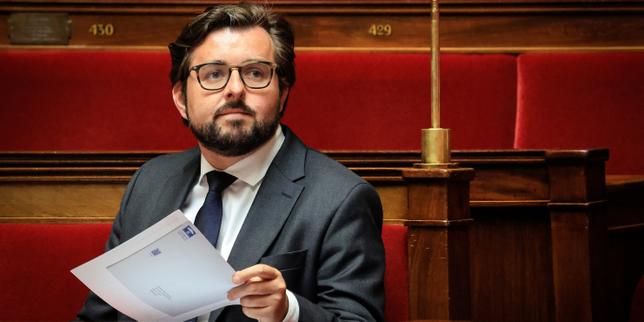
La France sans nouveau budget jusquà la présidentielle en 2027 : le scénario qui divise Les députés socialistes viennent de boucler une proposition de loi pour permettre à la France de tenir des mois si aucun budget ne peut être adopté. Le gouvernement, lui, ne veut pas entendre parler dune nouvelle loi spéciale.
le monde · 4 months ago