
U.S. reinstates Iran naval blockade, strikes targets for fourth day as Hormuz tensions escalate
Story Timeline
2 months · 19 summary articles
The United States has reinstated a naval blockade on Iranian ports and conducted strikes against Iran for the fourth consecutive day. Iran has retaliated by attacking U.S. military bases in neighboring countries like Bahrain, Kuwait, and Jordan.
The U.S. military's Central Command announced that it carried out strikes against dozens of targets over seven hours on Wednesday, July 15, 2026. The strikes were in response to Iran's attacks on commercial ships passing through the Strait of Hormuz. President Donald Trump stated that the strikes would continue until he says "it's enough."
Iran's Revolutionary Guards Corps claimed responsibility for attacks on U.S. military assets in Bahrain and Kuwait, vowing to continue the attacks if the U.S. persists in its actions. The Guards also threatened to shut down other energy lines that serve U.S. and partner interests if Washington continues to prevent the region's oil and gas exports by controlling maritime passages.
The conflict has escalated with missile alerts reported in Bahrain, Kuwait, and Jordan. Authorities in Jordan reported shooting down three incoming Iranian missiles, while Kuwaiti forces repelled Iranian drone assaults.
President Trump has threatened to expand the strikes to include Iran's power plants and bridges if Iran does not agree to negotiate. "Next week comes the bridges. We're going to knock out all their power plants. We'll knock out all their bridges unless they get to the table and negotiate," Trump told Fox News.
The U.S. military confirmed that Iran had launched dozens of missiles and drones at neighboring Gulf Arab countries. The U.S. forces carried out another wave of strikes as it reimposed the blockade, striking dozens of targets over seven hours.
The situation has drawn international concern, with the United Nations calling it a "huge setback" for civilians in the region. Saudi Arabia's Foreign Ministry expressed "strong condemnation" of Iran's attacks on several Arab countries, holding Tehran responsible for the consequences of continuing these attacks.
The conflict has also impacted regional energy exports, with Iran threatening to close the Strait of Hormuz and other vital seaways. The Iranian Revolutionary Guards stated that regional energy exports will be "for everyone or for no one."
The U.S. military's Central Command confirmed that the naval blockade against maritime traffic entering and exiting Iranian ports was reinstated from 4 p.m. Eastern Time on July 14. The blockade involves at least 19 warships, including two aircraft carriers and an amphibious assault ship with over 1,000 marines on board.
President Trump has also reversed his plan to charge a 20% toll on cargo passing through the Strait of Hormuz, instead seeking investment deals with Gulf states. "Based on highly productive conversations with Middle East leadership, I have decided to replace the 20% United States Reimbursement Fee with Trade and Investment Deals that the various Gulf States will be making into the United States," Trump wrote on Truth Social.
The conflict has led to increased tensions in the region, with Dubai planning to build a new port to bypass the Strait of Hormuz. The UAE has been hit hard by Iranian retaliatory strikes and seeks to protect itself from further hostilities.
The situation remains fluid, with both sides exchanging strikes and threats. The international community is watching closely as the conflict escalates, with concerns about the impact on global energy supplies and regional stability.
Follow us for live European news
- 2
- 1
- 1
- 1
- 1
- 1
- 1
- 1
- 1
6 further sources not geolocated
Articles

Trumps Says Strikes On Iran To Continue As Battle Over Strait Of Hormuz Escalates US President Donald Trump said air strikes on Iran will continue until he says "its enough," as Tehran and Washington stepped up attacks in a battle to control the Strait of Hormuz, in what the United Nations called a "huge setback" for civilians in the region.
radio free europe · about 2 months ago

Iran threatens to block more vital seaways as Trump orders renewed Iran blockade reut.rs/4vYSE2w
bluesky_Reuters · about 2 months ago
Middle East live: Tehran and US exchange strikes as blockade of Iranian ports resumes The United States launched strikes against Iran on Wednesday, with bombings reported in Bandar Abbas, on the island of Qeshm and in the city of Ahvaz. Tehran was quick to retaliate, with Jordan, Kuwait and Bahrain all reporting attacks. These strike exchanges come alongside the resumption of the US naval blockade on Iranian ports. Follow our liveblog for the latest updates.
france24 · about 2 months ago
Iran threatens to shut Bab el-Mandeb after closing Strait of Hormuz Irans Islamic Revolutionary Guard Corps has threatened to close all other export corridors that benefit the U.S. and its allies, Iranian media reported, after Iran shut the Strait of Hormuz and the U.S. reimposed a naval blockade of Iranian ports. Regional energy exports are either shared by all, or denied to all, the IRGC said […]
cyprus mail · about 2 months ago

Oil rises after US-Iran hostilities flare again with strikes on energy targets reut.rs/4gE9Q8W
bluesky_Reuters · about 2 months ago
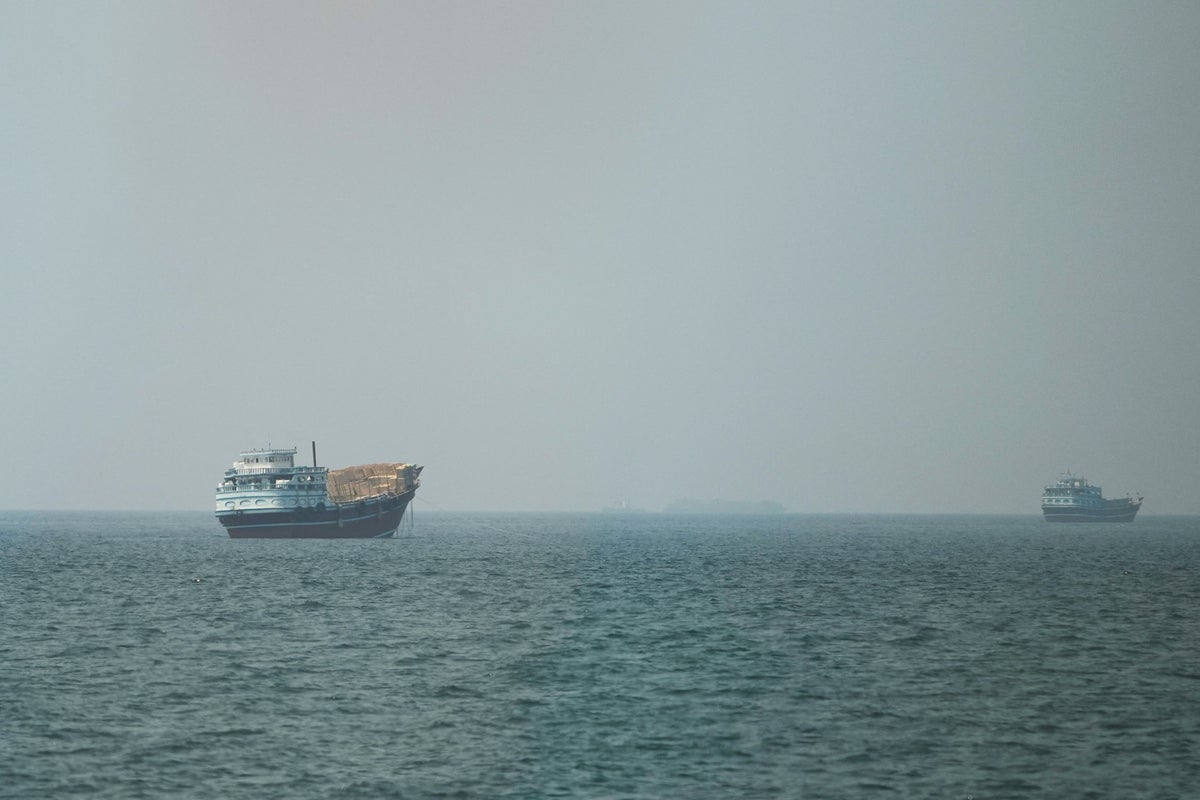
Dubai to build new port to bypass Strait of Hormuz as Iran continues attacks on ships The UAE has been the hardest-hit by Iranian retaliatory strikes and seeks to protect itself from further hostilities
independent · about 2 months ago
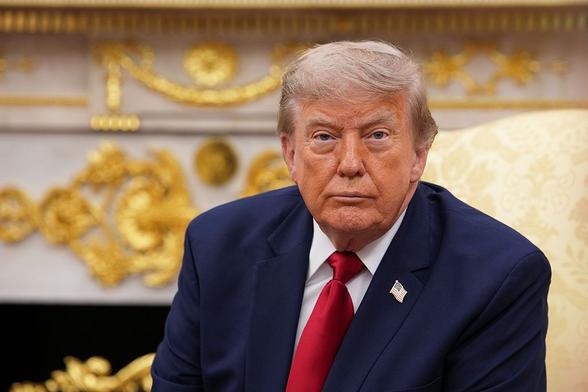
KYIV INDEPENDENT: US to hold Iran accountable for strikes on vessels in Strait of Hormuz as blockade resumes Two Ukrainian crew members were among those injured when Iranian missiles struck two vessels in the waterway on July 14. #Ukraine
mastodon bot · about 2 months ago

„Es wird keiner von euch übrig bleiben – Trump stellt Ultimatum an den Iran US-Präsident Donald Trump hat neue Militärschläge gegen den Iran ankündigt und das Mullah-Regime in martialischem Tonfall zu einem Deal gedrängt.
welt.de · about 2 months ago
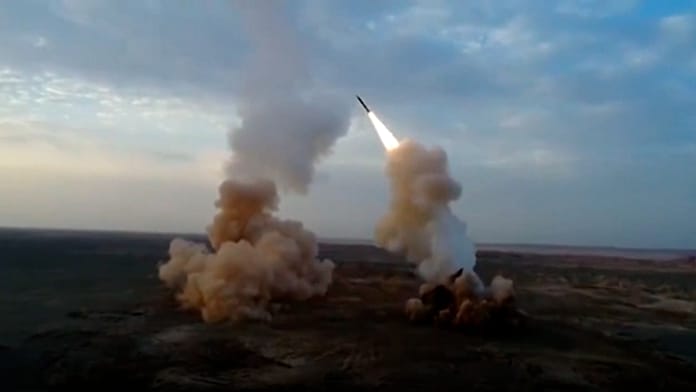
Iran launches strikes on neighbours as US resumes blockade and Trump threatens to hit power plants Tehrans attack comes as the US military carried out a fourth night of strikes against Iran after President Donald Trump reinstated its blockade of Iranian shipping around the strait of Hormuz.
euronews · about 2 months ago
Iran warns US against interference in Strait of Hormuz management Irans military has issued a stern warning to the United States against "interference" in the Strait of Hormuz, following President Donald Trumps suggestion that Washington would likely take control of operations in the strategic waterway.
yenisafak · about 2 months ago
US launches 3rd night of strikes on Iran: CENTCOM US Central Command announced on Monday that American forces had launched a third consecutive night of military strikes against Iranian targets, stating that the attacks are designed to impose a heavy cost on Tehrans military and reduce its operational capabilities at the direction of the Commander in Chief.
yenisafak · about 2 months ago
Trump vows Hormuz strikes to continue, says deal still possible US President Donald Trump said Monday that American forces are destroying Irans military capabilities in the Strait of Hormuz while insisting a diplomatic agreement remains possible despite three consecutive nights of strikes against the Islamic Republic.
yenisafak · about 2 months ago
Iran accuses US of luring tankers into mined Hormuz route Irans Islamic Revolutionary Guard Corps said Tuesday that US naval forces directed two supertankers toward an unauthorized route in the Strait of Hormuz shortly before the vessels were struck and disabled, warning that continued cooperation with Washington would delay the waterways reopening and deepen the global energy crisis.
yenisafak · about 2 months ago
Why did America and Iran return to war? With President Trumps announcement that the war with Iran had restarted, CENTCOM announced that it had carried out strikes in different parts of Iran for three consecutive days. After Iran struck ships it claimed were violating the agreement, Trump announced that the blockade of the Strait of Hormuz would be reimposed and raised the possibility of imposing a 20 percent fee. Iran, in turn, announced that it had closed the Strait of Hormuz and, in an apparent mockery of Trump, stated that it was
yenisafak · about 2 months ago

Trump hotar slå till mot Irans infrastruktur USA och Iran utbyter attacker för fjärde natten i rad. Samtidigt kommer USA:s president Donald Trump med nya hot mot Teheran om ett fredsavtal inte nås.
dagens nyheter · about 2 months ago
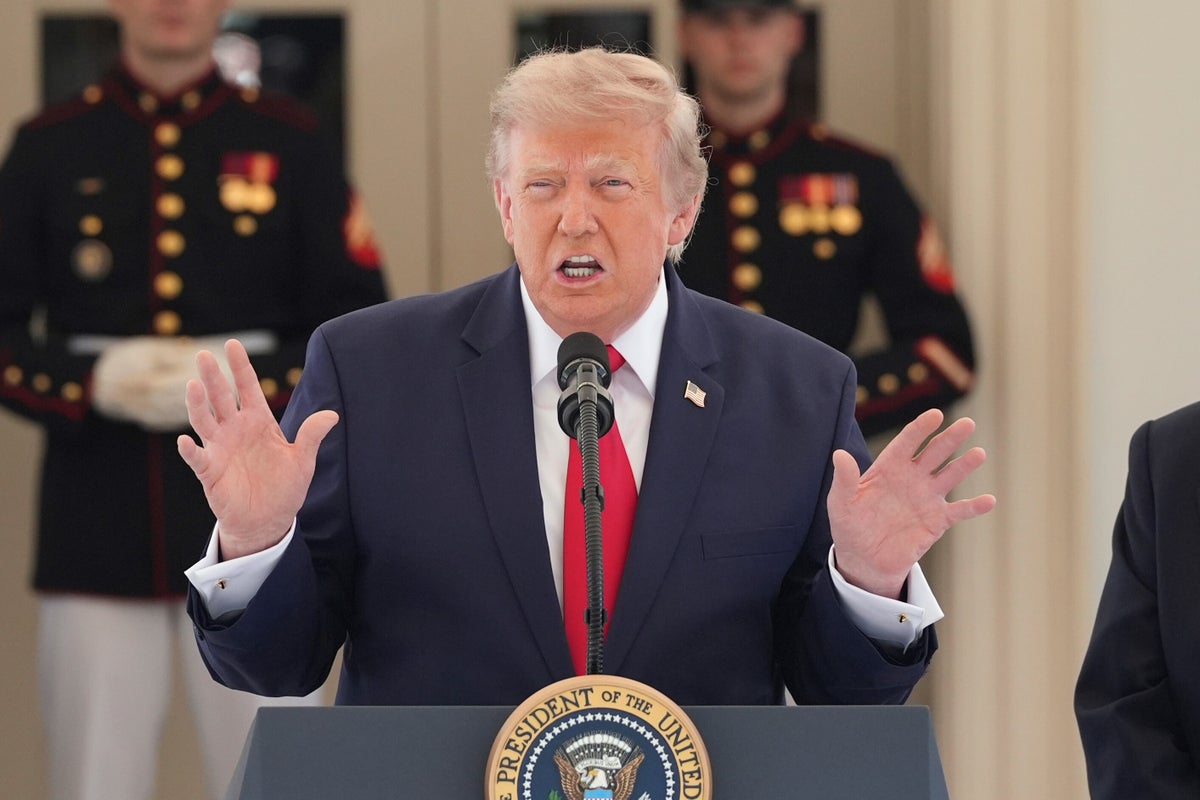
Iran-US war latest: Trump threatens to hit civilian targets in Iran as US resumes Strait of Hormuz blockade The US launched more strikes against Iran and reinstated its naval blockade in the Strait of Hormuz Tuesday
independent · about 2 months ago
President Trump reimposed a naval blockade of all Iranian ports and, in an interview with Fox News Channels Trey Yingst, threatened to hit power plants and bridges next week unless Tehran resumes negotiations, in the latest U.S. escalation of the conflict.
bluesky_Reuters · about 2 months ago
Iran war live: US carries out strikes, IRGC claims damage on US Gulf bases Irans bridges, power plants possible targets, Trump says, adding that strikes on Iran will continue until he says.
aljazeera · about 2 months ago
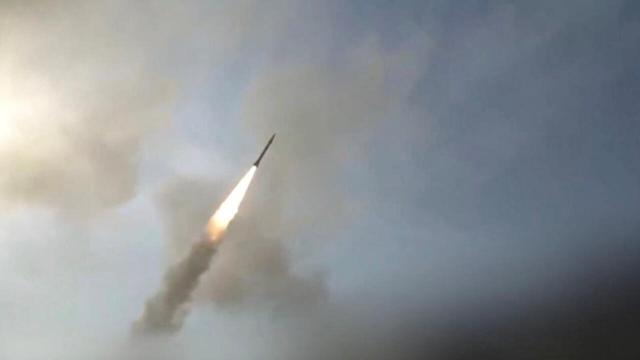
🟠 UPDATETrump warns Iran of continued strikes until deal reachedUS launched strikes on Bandar Abbas, Qeshm island, and Ahvaz. Iran retaliated with attacks reported in Jordan, Kuwait, and Bahrain. US naval blockade on Iranian ports resumed.📰 #USA #Military #Geopolitics #GeoWire
mastodon bot · about 2 months ago

Iran war live: Trump threatens power plant hits as US resumes blockade and launches more strikes reut.rs/4gErbhY
bluesky_Reuters · about 2 months ago
JUST IN - Trump says strikes on Iran will continue until I say its enough.
telegram_Insider Paper · about 2 months ago
LIVE: Trump says strikes on Iran will continue until I say enough Irans bridges, power plants possible targets, Trump said as IRGC says it attacked US forces in Kuwait, Bahrain, Jordan.
aljazeera · about 2 months ago

US to hold Iran accountable for strikes on vessels in Strait of Hormuz as blockade resumes #UkraineUS to hold Iran accountable ...
mastodon bot · about 2 months ago
Strait of Hormuz tanker traffic nears halt after US-Iran strikes Marine tracking data showed only two tankers completed passage through the Strait of Hormuz in the 24 hours through Tuesday morning as renewed US-Iran strikes disrupted traffic through the critical waterway, prompting heightened security concerns among international shipowners and operators.
yenisafak · about 2 months ago
![Trump held Situation Room meeting on massive new Iran strikes President Trump held a Situation Room meeting Tuesday to discuss a massive offensive in Iran that will be wider in scope than the current strikes around the Strait of Hormuz, three sources with knowledge said. Why it matters: Trump appears willing to escalate the war to cause enough damage that the Iranian regime will open the Strait of Hormuz and accept Trumps nuclear demands. Driving the news: Trump convened the meeting as the U.S. military conducted strikes in the Strait of Hormuz area and along the southern coast of Iran for the fourth day in a row. Most of the targets were air defense and radar systems, anti-ship missile positions and drone launch sites. U.S. officials said the aim of the strikes was to significantly degrade Irans ability to conduct attacks against ships in the Strait of Hormuz. Iran retaliated by continuing to launch missiles and drones at U.S. bases in Jordan, Kuwait and Bahrain. On Tuesday afternoon, the U.S. naval blockade on Iranian ports went into effect. The commander of the U.S. militarys Central Command, Adm. Brad Cooper, said in a statement that over the last week Iran "has intentionally targeted civilians across the region by attacking seven commercial ships resulting in nearly a dozen civilian crew members killed, missing, or injured."Despite the attacks, the U.S. military managed to coordinate the transit of 300 ships through the strait over the past week, U.S. officials said. Inside the room: Trump was joined in the Situation Room by his top national security team, including Vice President JD Vance, Secretary of State Marco Rubio, Defense Secretary Pete Hegseth, Chairman of the Joint Chiefs Gen. Dan Caine, CIA Director John Ratcliffe, White House envoy Steve Witkoff and other senior officials, the sources said.The sources said the meeting focused on new plans for devastating strikes on strategic targets in Iran, in addition to the strikes against Iranian targets in the Strait of Hormuz. The White House declined to comment. What hes saying: In an interview with Fox News before the Situation Room meeting, Trump said the strikes would expand in the coming days. The U.S. military is going to hit Iran "hard" over the next three days, he said, before stressing that strikes could significantly escalate after that. "Next week, it gets really bad for them because next week comes the power plants," Trump said. "Next week comes the bridges. Were gonna knock out all their power plants. Were gonna knock out all their bridges unless they get to the table and negotiate." What to watch: Trump said the U.S. is monitoring suspicious activity by Iran at Pickaxe Mountain, a deep underground site that the U.S. and Israel think Iran wants to use for its nuclear program and that will be immune from airstrikes. Trump said the U.S. bunker busters "can go deep" and claimed "nobody knows" if Pickaxe Mountain is impervious to such an attack. "By the way, nobody knows if they even are doing anything in Pickaxe. Its just something that comes up. We have cameras on it. Theres very little activity there. But, uh, if theres even just a small amount, well hit it and well hit it hard," he said. State of play: Trump said his negotiators spoke with Iranian officials on Tuesday and delivered the message that Iran needs to come to the table."I said, You better make a deal, [or] youre not gonna have anything left," Trump said.](https://images.axios.com/CXo2R1-wu-E6USK8-28-dZFJm54=/0x0:3000x1688/1366x768/2026/07/15/1784082587069.jpeg)
Trump held Situation Room meeting on massive new Iran strikes President Trump held a Situation Room meeting Tuesday to discuss a massive offensive in Iran that will be wider in scope than the current strikes around the Strait of Hormuz, three sources with knowledge said. Why it matters: Trump appears willing to escalate the war to cause enough damage that the Iranian regime will open the Strait of Hormuz and accept Trumps nuclear demands. Driving the news: Trump convened the meeting as the U.S. military conducted strikes in the Strait of Hormuz area and along the southern coast of Iran for the fourth day in a row. Most of the targets were air defense and radar systems, anti-ship missile positions and drone launch sites. U.S. officials said the aim of the strikes was to significantly degrade Irans ability to conduct attacks against ships in the Strait of Hormuz. Iran retaliated by continuing to launch missiles and drones at U.S. bases in Jordan, Kuwait and Bahrain. On Tuesday afternoon, the U.S. naval blockade on Iranian ports went into effect. The commander of the U.S. militarys Central Command, Adm. Brad Cooper, said in a statement that over the last week Iran "has intentionally targeted civilians across the region by attacking seven commercial ships resulting in nearly a dozen civilian crew members killed, missing, or injured."Despite the attacks, the U.S. military managed to coordinate the transit of 300 ships through the strait over the past week, U.S. officials said. Inside the room: Trump was joined in the Situation Room by his top national security team, including Vice President JD Vance, Secretary of State Marco Rubio, Defense Secretary Pete Hegseth, Chairman of the Joint Chiefs Gen. Dan Caine, CIA Director John Ratcliffe, White House envoy Steve Witkoff and other senior officials, the sources said.The sources said the meeting focused on new plans for devastating strikes on strategic targets in Iran, in addition to the strikes against Iranian targets in the Strait of Hormuz. The White House declined to comment. What hes saying: In an interview with Fox News before the Situation Room meeting, Trump said the strikes would expand in the coming days. The U.S. military is going to hit Iran "hard" over the next three days, he said, before stressing that strikes could significantly escalate after that. "Next week, it gets really bad for them because next week comes the power plants," Trump said. "Next week comes the bridges. Were gonna knock out all their power plants. Were gonna knock out all their bridges unless they get to the table and negotiate." What to watch: Trump said the U.S. is monitoring suspicious activity by Iran at Pickaxe Mountain, a deep underground site that the U.S. and Israel think Iran wants to use for its nuclear program and that will be immune from airstrikes. Trump said the U.S. bunker busters "can go deep" and claimed "nobody knows" if Pickaxe Mountain is impervious to such an attack. "By the way, nobody knows if they even are doing anything in Pickaxe. Its just something that comes up. We have cameras on it. Theres very little activity there. But, uh, if theres even just a small amount, well hit it and well hit it hard," he said. State of play: Trump said his negotiators spoke with Iranian officials on Tuesday and delivered the message that Iran needs to come to the table."I said, You better make a deal, [or] youre not gonna have anything left," Trump said.
axios · about 2 months ago
🇺🇸🇮🇷⚡️ — CENTCOM announces completion of its latest strike on Iran: U.S. Central Command (CENTCOM) completed an additional round of strikes against Iran at 10 p.m. ET, July 14, hitting dozens of military targets near the Strait of Hormuz and Iranian coastal areas. U.S. fighter aircraft, drones, and naval vessels launched precision munitions against Iranian missile and drone sites, naval capabilities, and coastal defense systems during the seven-hour wave to further degrade Irans ability to threaten commercial shipping and civilian crews. The strikes took place the same day U.S. forces resumed the naval blockade against vessels transiting to or from Iranian ports and coastal areas. The blockade went into effect at 4 p.m. ET today. U.S. forces remain vigilant, lethal, and prepared to execute operations directed by the Commander in Chief. - US Central Command. @IntelSlava
telegram_Intel Slava · about 2 months ago
USA: Har gjennomført nye angrep i Iran Det amerikanske militæret har utført nye angrep i Iran, sier militærkommandoen for Midtøsten (Centcom) på meldingstjenesten X. USA har angrepet en rekke iranske militære mål ved Hormuzstredet og i Iran, ifølge Centcom. Det er fjerde dag på rad at USA gjennomfører nye angrep i Iran. Natt til onsdag ble det meldt om lyden av eksplosjoner flere steder i Iran. Samtidig sier iranske myndigheter at de har angrepet amerikanske mål i Kuwait, Bahrain og Jordan.
nrk · about 2 months ago
🇮🇷❌🇺🇸 — IRGC launches missile toward the Strait of Hormuz.
telegram_Intel Slava · about 2 months ago
🇺🇸❌🇮🇷⚡️ — NEW: Trump warns Iran that strikes will continue until a deal is reached, threatening to hit Iranian power stations as soon as next week. ➡️ "Strikes on Iran will continue until I say enough." ➡️ Irans power stations will be targeted next week if no deal is reached. ➡️ Energy targets in Iran will be held until last in the strike sequence. ➡️ Trump says the U.S. is urging Iran to reach an agreement. @IntelSlava
telegram_Intel Slava · about 2 months ago

Trump again threatens to strike Irans power plants amid impasse over strait of Hormuz
bluesky_The Guardian · about 2 months ago