Loading…
 Saturday, August 29Saturday, August 29
2 months · 10 summary articles
Mass protests fail to halt AfD federal convention as party’s rise fuels political fractures across Europe
Mass demonstrations in Erfurt on Saturday failed to prevent the Alternative for Germany (AfD) from holding its federal convention, as 17,000 activists from the alliance *Widersetzen* blocked 12 access points to the Messehalle, according to the group’s own count. Delegates had already arrived by the time activists assembled at dawn, allowing the party to proceed with its scheduled proceedings. The episode underscored the AfD’s resilience despite sustained public opposition and deepening divisions within Germany’s political landscape.
Reactions to the protests were sharply polarized. Senior citizens interviewed by *taz* dismissed the blockades as counterproductive, with one 68-year-old former industrial clerk stating, “You’re just giving the AfD more attention and even handing them voters,” while adding that she could now consider voting AfD after previously supporting the BSW. A 19-year-old security worker at a Späti kiosk described the blockades as “shitty for the locals,” though she shared the party’s criticism. A 26-year-old bookstore employee cited traffic disruptions as her primary concern, though she expressed understanding for anti-AfD sentiment. The AfD’s online supporters mocked the protesters for oversleeping, while the *Widersetzen* coalition hailed the action as its “largest blockade ever,” despite the convention proceeding as planned .
The convention’s smooth execution coincided with escalating tensions within the AfD’s North Rhine-Westphalia (NRW) branch, where a power struggle between the party’s federal leadership and the right-wing faction led by Björn Höcke’s associate Stefan Hövelmann threatens to derail the state’s candidate list for the 2027 state election. NRW AfD leader Markus Vincentz, seen as a moderate within the party, is locked in a dispute with right-wing hardliner Hans-Thomas Helferich over top-list positions, raising the prospect of a formal split that could weaken the party’s electoral prospects. The Bundesspitze’s attempt to broker a compromise has so far collapsed, signaling deeper instability ahead of regional votes in Saxony-Anhalt and Thuringia, where the AfD leads polls .
Across the continent, the AfD’s ascent is reshaping political alliances and testing long-standing taboos. In Saxony-Anhalt, where the AfD leads in polls ahead of next year’s state election, CDU leader Sven Schulze has warned that without a majority, the state could face prolonged political gridlock, raising the specter of breaking the so-called *Brandmauer*—the CDU’s long-standing refusal to cooperate with the AfD. Political scientist Oliver Lembcke noted that while party officials publicly uphold the line, “behind closed doors, many in the state associations speak of ‘governing majorities’ but shy away from the consequences.” The debate has already claimed its first casualty: a CDU county council president in Mecklenburg-Vorpommern announced his defection to the AfD last month, citing frustration with the party’s exclusion from power .
Meanwhile, the AfD’s growing influence is prompting soul-searching among European partners. In Brussels, MEPs from the Renew Europe and European People’s Party groups clashed over the EU’s next long-term budget, with Irish MEP Ciaran Mulloly insisting that farm subsidies—currently 30% of the EU budget—cannot be reduced to accommodate Ukraine’s potential accession, while Finnish MEP Pekka Toveri argued that rising security threats require reallocating funds from agriculture to defense. “We understand the importance of food security, but we also face a threat from Russia,” Toveri said. “Everyone must contribute, including agriculture” .
The AfD’s rise is also reverberating in national capitals. In Greece, opposition leader Maria Karystianou of the *Hope for Democracy* party accused Prime Minister Kyriakos Mitsotakis of “national betrayal” for failing to veto NATO decisions that upgraded Turkey’s role in European defense during a summit in Ankara. “The deliberate non-use of our veto is national betrayal,” she wrote on social media, adding that Mitsotakis would be held accountable for undermining Greece’s strategic interests .
As the AfD consolidates its position, the party’s opponents are struggling to contain its advance. In Erfurt, left-wing protesters also targeted journalists covering the convention, prompting the *Bundestag* to debate accusations of double standards in responses to political violence. Bavarian Broadcasting condemned the attacks on reporters, stating that violence from both left and right must be uniformly condemned .
Follow us for live European news
4 further sources not geolocated

Landesvertretung: Buffet, Politik, Netzwerk: «Hessenfest» feiert Jubiläum
die zeit · about 2 months ago
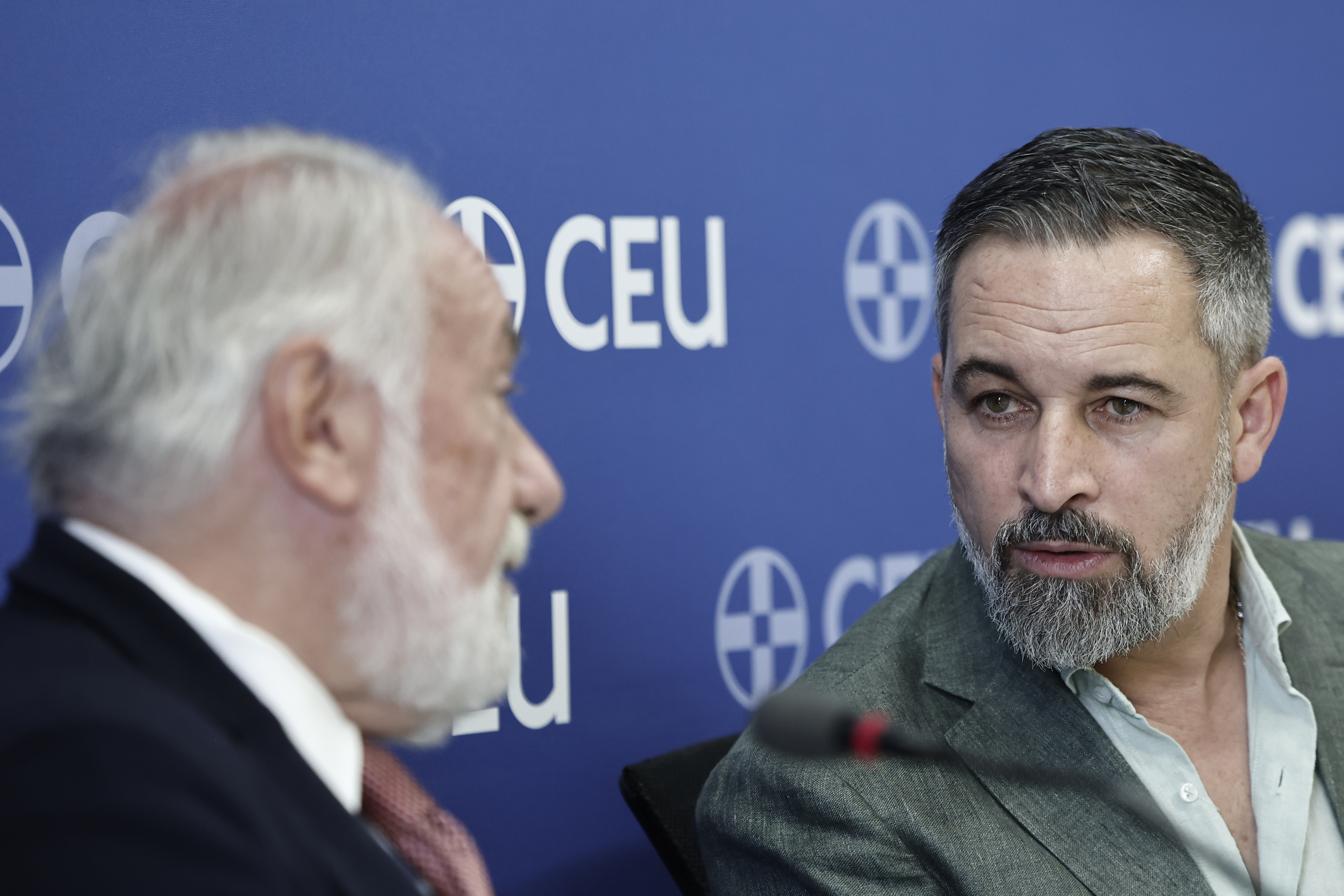
Abascal reclama un referéndum sobre la regularización de inmigrantes y las "nacionalizaciones masivas" del Gobierno Llama a partidos, instituciones y ciudadanos a "organizarse por encima de las diferencias ideológicas" contra "un Gobierno corrupto" Leer
elmundo · about 2 months ago
Campo largo, proteste a Napoli. Schlein: Non faremo mai più il favore alle destre di dividerci Momenti di tensione con gli attivisti di Potere al Popolo. Agenti in assetto antisommossa. Solidarietà di Meloni. Conte: Con noi prima misura il salario minimo
corriere · about 2 months ago
Grüne für Abwahlmöglichkeit des Nationalratspräsidenten
orf.at · about 2 months ago
Tanks vs. tractors? Can the EU keep providing a political shield to farmers? MEPs debate in The Ring
gdeltproject.org · about 2 months ago
Javier Milei wants US-style government shutdowns in Argentina Government should suspend functions when lawmakers reach an impasse on spending, says rightwing leader
financial times · about 2 months ago

How did South Africa produce an anti-African movement?
bluesky_The Guardian · about 2 months ago

Pentagon seeks to rally Latin America behind new Monroe Doctrine reut.rs/3SPlowc
bluesky_Reuters · about 2 months ago
Pirc Musar o "shodu domoljubov": To ni domoljubje, ampak širjenje sovraštva V torek je v središču Ljubljane potekal "Shod domoljubov", ki se ga je po navedbah policije udeležilo sto ljudi. Nacistično ikonografijo, dvigovanje desnic, homofobne in žaljive izpade je najostreje obsodila tudi predsednica republike Nataša Pirc Musar.
rtv slovenia · about 2 months ago
Anton Rop in Urška Klakočar Zupančič skupaj na ljubljanske lokalne volitve V večini strank priprave na lokalne volitve že intenzivno potekajo, v njih evidentirajo kandidate za občinske in mestne svete ter za župane. Imen zadnjih po večini še ne razkrivajo. Najbolj vroče bi lahko bilo v Mestni občini Ljubljana.
rtv slovenia · about 2 months ago

Prisão de líder do PAIGC pode levar a "guerra civil" "A pretensa vontade de neutralização do Domingos Simões Pereira é um convite a instabilidade política agravada, com contornos incalculáveis", sublinham sete elementos da sociedade civil
observador · about 2 months ago

"Inimigos internos" são a maior ameaça à UE O debate teve a moderação da diretora de informação da Lusa, Luísa Meireles
observador · about 2 months ago
Η Καρυστιανού σχολιάζει τη σύνοδο του ΝΑΤΟ και βλέπει πάλι... «εθνική προδοσία» στα ελληνοτουρκικά, η απορία Γεωργιάδη Η ανάρτηση της προέδρου της Ελπίδας για τη Δημοκρατία με αφορμή τη σύνοδο στην Άγκυρα - «Συγγνώμη σε ποιο veto αναφέρεστε;» την ρώτησε ο υπουργός Υγείας
protothema · about 2 months ago

AfD má v průzkumech rekordní podporu. Jak by Německo vypadalo pod vládou krajní pravice? Výtah Respektu: Souhrn dne a rozhovor s Tomášem Lindnerem
respekt · about 2 months ago

Des panneaux dégradés aux abords de Bruxelles sèment lémoi et provoquent des tensions politiques: "Une agression des francophones Drève du Haras, à la frontière entre Uccle et Rhode-Saint-Genèse, des mots français ont été de longue date barrés pour ne laisser que les appellations flamandes. Au Parlement bruxellois, le MR dénonce labsence de réaction des autorités régionales pour nettoyer ce qui est vu comme une agression des francophones. Elke Van den Brandt réagit. ...
la libre · about 2 months ago
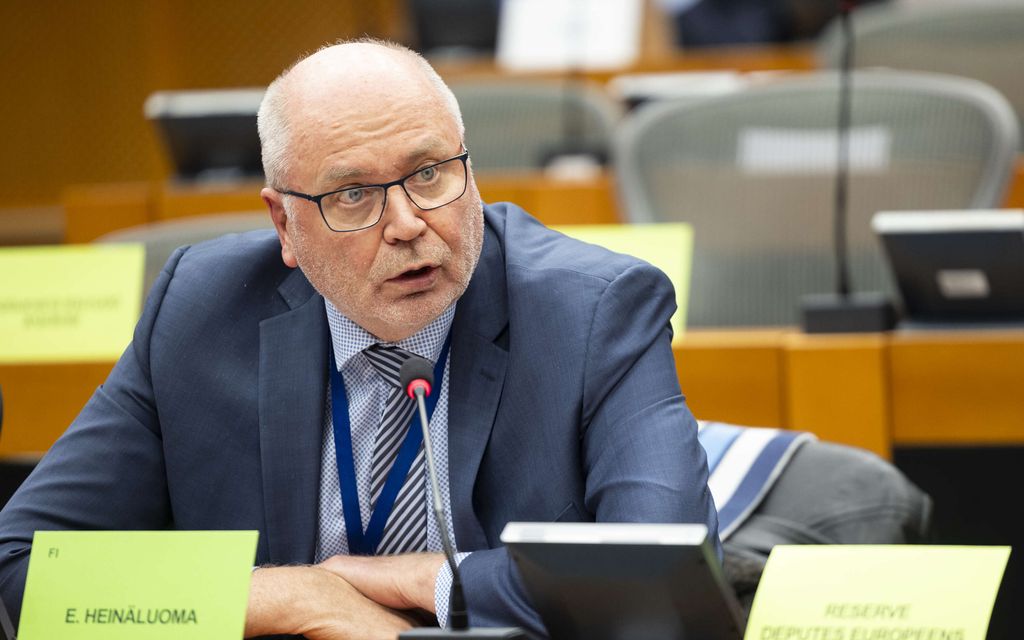
Suomen meppien vaikutusvalta arvioitiin – Tässä on viiden kärki
iltalehti · about 2 months ago

La batalla por el futuro de las repúblicas democráticas Las celebraciones en EEUU por su 250º aniversario son en parte una señal de que están en retroceso. Leer
expansion · about 2 months ago
Napoli, anche il pg contro la stretta del Csm sulla comunicazione: Il popolo è sovrano solo se informato In una Repubblica democratica, il popolo è sovrano e lo è soltanto se è un popolo informato. Dopo il procuratore Nicola Gratteri, anche il procuratore generale di Napoli Aldo Policastro polemizza contro lautobavaglio del Consiglio superiore della magistratura, la circolare sulla comunicazione giudiziaria che ha imposto limiti ancora più stringenti ai rapporti tra pm e […] Larticolo Napoli, anche il pg contro la stretta del Csm sulla comunicazione: Il popolo è sovrano solo se informato proviene da Il Fatto Quotidiano.
il fatto quotidiano · about 2 months ago
Puntualità dei treni aumentata. Ritardi? 24 colpa di fattori esterni. Da Boschi allex leghista Ravetto, Salvini risponde in loop alle domande sul caos ferrovie Da Laura Ravetto, ex leghista ora passata in quota vannacciani, a Maria Elena Boschi, passando per i deputati di Partito democratico e Movimento 5 stelle, Anthony Emanuele Barbagallo, Andrea Quartini e Antonino Iaria. Per il ministro delle Infrastrutture e dei Trasporti, Matteo Salvini, interrogato al question time alla Camera, arriva una pioggia di domande sul […] Larticolo Puntualità dei treni aumentata. Ritardi? 24 colpa di fattori esterni. Da Boschi allex leghista Ravetto, Salvini risponde in loop alle domande sul caos ferrovie proviene da Il Fatto Quotidiano.
il fatto quotidiano · about 2 months ago
Intercettazioni, vertice al ministero dopo lo scontro FdI-Fi: sugli emendamenti pro-ascolti decideranno i leader di partito Saranno i leader di partito a risolvere il caos in maggioranza sulle intercettazioni. In una riunione al ministero della Giustizia è stato deciso di rimettere a Giorgia Meloni, Matteo Salvini e Antonio Tajani il dossier dei cosiddetti emendamenti Melillo, presentati da Fratelli dItalia allultimo decreto Giustizia per rispondere allallarme del procuratore nazionale antimafia. Le due […] Larticolo Intercettazioni, vertice al ministero dopo lo scontro FdI-Fi: sugli emendamenti pro-ascolti decideranno i leader di partito proviene da Il Fatto Quotidiano.
il fatto quotidiano · about 2 months ago
Al lavoro per cambiare lItalia: Schlein, Conte, Fratoianni e Bonelli insieme sul palco a Napoli. La diretta della manifestazione Il campo largo arriva a Napoli per una nuova foto di gruppo, stavolta non nel chiuso di un ristorante ma su un palco, in piazza del Gesù. Elly Schlein, Giuseppe Conte, Angelo Bonelli e Nicola Fratoianni parlano dal palco di Al lavoro per cambiare lItalia, lappuntamento annunciato a metà giugno con uno scatto pubblicato sui […] Larticolo Al lavoro per cambiare lItalia: Schlein, Conte, Fratoianni e Bonelli insieme sul palco a Napoli. La diretta della manifestazione proviene da Il Fatto Quotidiano.
il fatto quotidiano · about 2 months ago
Tensioni allevento del campo largo a Napoli: disoccupati 7 novembre tentano di occupare il palco. La protesta al grido di lavoro, lavoro Momenti di tensione in piazza del Gesù a Napoli, poco prima della manifestazione dei leader del campo largo Al lavoro per cambiare lItalia. Un gruppo di circa 50 persone, i disoccupati del movimento 7 novembre, ha provato a occupare il palco al grido di lavoro, lavoro. Immediato lintervento delle forze dellordine durante il quale non […] Larticolo Tensioni allevento del campo largo a Napoli: disoccupati 7 novembre tentano di occupare il palco. La protesta al grido di lavoro, lavoro proviene da Il Fatto Quotidiano.
il fatto quotidiano · about 2 months ago
Interrotto il comizio del centrosinistra dagli attivisti di Potere al Popolo. La mediazione di Conte: Non facciamo decreti per impedirvi di parlare È durata circa dieci minuti la contestazione che ha interrotto il comizio del Campo largo delle forze di centrosinistra, in programma in piazza del Gesù Nuovo, nel cuore del centro storico di Napoli. A protestare è stato un gruppo di attivisti di Potere al Popolo, che ha impedito temporaneamente il proseguimento delliniziativa. A cercare una […] Larticolo Interrotto il comizio del centrosinistra dagli attivisti di Potere al Popolo. La mediazione di Conte: Non facciamo decreti per impedirvi di parlare proviene da Il Fatto Quotidiano.
il fatto quotidiano · about 2 months ago
Campo largo in piazza a Napoli, Conte: Al governo con unalleanza per la Costituzione. Schlein: Mai più il favore alla destra di dividerci Mandiamoli a casa tutti insieme, andiamo al governo con una grande alleanza per la Costituzione. Da Napoli, dove i leader del centrosinistra si sono riuniti per lanciare la corsa alle Politiche, Giuseppe Conte rilancia la sua proposta per il nome della futura coalizione che dovrà sfidare il centrodestra. E la accompagna con un impegno programmatico: […] Larticolo Campo largo in piazza a Napoli, Conte: Al governo con unalleanza per la Costituzione. Schlein: Mai più il favore alla destra di dividerci proviene da Il Fatto Quotidiano.
il fatto quotidiano · about 2 months ago

Radio Nova, le virage militant : enquête sur la "bataille culturelle" de Matthieu Pigasse
lexpress · about 2 months ago

Wie der mächtigste AfD-Landesverband auf eine Eskalation zusteuert Die NRW-AfD steht vor der Kandidatenaufstellung für die Landtagswahl 2027. Der innerparteilich gemäßigte Landeschef Vincentz streitet mit dem Rechtsextremen Helferich um die besten Listenplätze. Ein von der Bundesspitze angestrebter Konsens droht zu scheitern.
welt.de · about 2 months ago

„Verurteilen Angriffe entschieden – BR bezieht Stellung nach Kritik an Anja Kohls Aussagen Nach Kritik an Anja Kohls Äußerungen zu Angriffen auf dem AfD-Parteitag in der Sendung „Sonntags-Stammtisch meldet sich der BR zu Wort – und verurteilt die Attacken auf Reporter.
welt.de · about 2 months ago
Risse in der Brandmauer: Wie wahrscheinlich sind Überläufer zur AfD nach den Ostwahlen? Die einen fordern ein Ende der Brandmauer, in Mecklenburg-Vorpommern läuft ein CDU-Abgeordneter zur AfD über. Ist das erst der Anfang?
tagesspiegel · about 2 months ago
Bundestagsdebatte nach Angriffen von Linken auf Journalisten: „Bei linker und rechter Gewalt wird mit zweierlei Maß gemessen Im Umfeld des AfD-Parteitags in Erfurt griffen linke Gegendemonstranten Journalisten an. Die Partei hat das nun im Bundestag zum Thema gemacht. Wie dort über die Ereignisse gestritten wurde.
tagesspiegel · about 2 months ago
Erfurter*innen über Anti-AfD-Aktion: Von „Scheiß-Blockaden bis „AfD verbieten Das Bündnis Widersetzen hat am Wochenende versucht, den Bundesparteitag der AfD zu verhindern. Wie fanden die Menschen in Erfurt die Aktion? mehr...
taz.de · about 2 months ago