Loading…
 Saturday, August 29Saturday, August 29
3 months · 14 summary articles
A fragile pause in fighting between the United States and Iran took hold on Friday as regional mediators scrambled to salvage a collapsing ceasefire over control of the Strait of Hormuz, the world’s most critical oil chokepoint. After two days of tit-for-tat strikes that halved shipping traffic through the strait, Washington and Tehran allowed a lull in hostilities to take effect while backchannel talks continued, according to US officials and regional diplomats.
The latest flare-up began on Tuesday night when the US launched strikes on 85 Iranian targets, including air-defence systems and IRGC naval assets, after the Islamic Revolutionary Guard Corps fired on commercial vessels that refused to follow Tehran’s designated route through the strait. Iran retaliated by targeting US military bases in Kuwait, Bahrain, Qatar and Jordan, prompting a second US wave on Wednesday that hit 90 sites across southern Iran, including Bandar Abbas, Bushehr and Chabahar. By Thursday, only 23 cargo ships and tankers had transited the strait—down from 47 the previous week and a pre-conflict average of 138 per day—while the Omani corridor, backed by Washington as a safe passage, remained empty.
The dispute hinges on a vaguely worded clause in the June 17 memorandum of understanding (MoU) that Iran and the US signed to end six weeks of fighting. Point 5 commits Iran to “arrange safe passage” for commercial vessels and to “conduct dialogue with Oman on future administration,” but neither side agrees on what this means. Washington insists it guarantees free navigation, while Tehran interprets it as a mandate to control the strait and enforce its own routing rules. “Foreign powers have no claim to this land or to the Strait of Hormuz,” an IRGC commander said on Thursday, after Iranian forces prevented three tankers from using the US-backed corridor.
US President Donald Trump declared the MoU “over” on Wednesday during the NATO summit in Ankara, calling the Iranian leadership “scum” and saying he believed the ceasefire was a “waste of time.” Yet by Thursday, he told reporters on Air Force One that a full-scale war was not the aim and that Tehran “wants to make a deal.” A US official told Al Jazeera that Washington remains committed to negotiations, with “technical talks” continuing despite the collapse of the framework agreement. Iran’s foreign minister, Abbas Araghchi, told his Pakistani counterpart that US strikes violated the MoU, while mediators from Qatar, Pakistan, Turkey and Saudi Arabia held multiple phone calls with both sides to restore calm.
Regional pressure is mounting. NATO Secretary-General Mark Rutte backed Trump’s decision to restart strikes, saying it was “totally crucial” that the US react forcefully after Iran violated the ceasefire. French President Emmanuel Macron also supported the strikes but stressed that meetings under the 60-day framework would continue. The International Energy Agency warned that the escalation threatened the fragile recovery in global oil supply, while the UN’s chief spokesman urged an immediate end to the cycle of retaliation.
Despite the pause in fighting, the underlying dispute remains unresolved. Iran’s leverage lies in its ability to disrupt shipping through the strait, a strategy it has used to extract concessions in past crises. “The regime in Tehran has realised that the cost of a war is too high for Donald Trump—and that he is not prepared for the kind of large-scale ground operations that would be required to capture the Strait of Hormuz,” noted the Dutch daily *NRC*. Meanwhile, the US has targeted Iranian infrastructure beyond the strait, including a strategic railway bridge linking Iran to China and Russia, further complicating any return to the negotiating table.
With mid-term elections looming in the US and oil prices rising, the window for diplomacy is narrow. “Tehran is well aware of the US president’s vulnerability and is doing everything in its power to exploit this and blackmail him,” wrote the Greek business daily *Naftemporiki*. As mediators work to revive talks, the risk of another escalation—whether by design or miscalculation—remains acute.
Follow us for live European news
5 further sources not geolocated
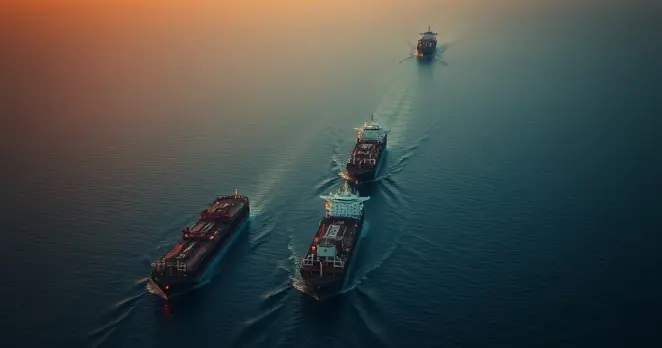
If the Strait of Hormuz Closes: The $98 Oil Shock in Numbers (2026)What a full closure does to oil, gas pumps and global GDP - the economic mechanism, in numbers. #WorldNews #ForeignPolicy
mastodon bot · about 2 months ago

🇺🇸🇮🇷⚡️ — Fighting has paused temporarily between the US and Iran, but no compromise is in sight over the disputed administration of the Strait of Hormuz, CNN reports. ➡️ Iran views control of the strait as its key wartime gain and insists ships must follow its assigned route — the latest round of fighting was triggered after the US retaliated against Iran for firing on vessels that defied its directives. ➡️ The dispute centers on Point 5 of the MoU, which calls on Iran to arrange safe passage and engage Oman on future strait administration — but does not explicitly grant Iran exclusive authority over shipping there. ➡️ Both sides have been imposing their own interpretations of the clause; Crisis Group warns the ambiguity that helped end initial fighting has since become a liability. ➡️ Mediators are working to return both parties to the negotiating table; Iran has shown no sign of compromise, but hostilities appear to have paused as of today. @IntelSlava
telegram_Intel Slava · about 2 months ago
#NEW ⚡️🇮🇱❌🇮🇷 - Yesterday at the IAF pilots graduation ceremony in Israel, the IDF Chief of Staff Eyal Zamir stated that "major" operations are expected to be carried out on Iran, during his speech. On the drawing board are new plans. Major operations are still expected to lie ahead of us. Be prepared. Zamir also reiterated the fact that the IAF was on standby to take-off for a major operation on Iran on 8th the of June, and the state of alert remain high. 📝 Israels Defense Minister Israel Katz too stated that the IDF is prepared for the resumption of the campaign in Iran. If we need to return, we will return with even greater force.
telegram_GeoPWatch · about 2 months ago
US-Iran Wars Return May Leave Europe Short of Arms When It Needs Them Most
gdeltproject.org · about 2 months ago
Iran says U.S. crossed the point of no return with attacks on ports
gdeltproject.org · about 2 months ago
Iran War: Conflicting Reports on Momentary Pause – Restart of Talks or Iran Readying Big Strike? Russia Diesel Export Halt and Qatar LNG Pullback Increase Energy Pressure
gdeltproject.org · about 2 months ago
US-Iran war: Will peace talks resume, and when? While Trump said the MoU with Iran is over, US officials have reaffirmed Washingtons commitment to continue talks.
aljazeera · about 2 months ago
US-Iran escalation threatens oil supply recovery, warns IEA Sources suggest that the ceasefire can be revived amid a lull in fighting and backroom diplomacy.
aljazeera · about 2 months ago

🟠 UPDATEIran escalates regional pressure following US strikes on Khamenei funeralUS officials reaffirm commitment to continue peace talks with Iran, contradicting Trumps statement that the Memorandum of Understanding is over.📰 #USA #Diplomacy #Geopolitics #GeoWire
mastodon bot · about 2 months ago
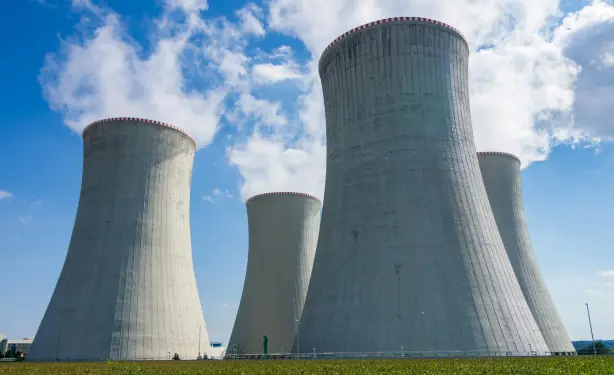
US-Iran Nuclear Standoff: Enrichment RealitiesExplore the US-Iran nuclear standoff: separating technical realities from imminent threat narratives. Understand enrichment, weaponization, and escalation risks. #WorldNews #ForeignPolicy
mastodon bot · about 2 months ago

Thai court to consider damages sought by crew of ship attacked in Strait of Hormuz reut.rs/4bglkf2
bluesky_Reuters · about 2 months ago

Tanker traffic slows in Strait of Hormuz after US and Iran clashes reut.rs/4pnSKOL
bluesky_Reuters · about 2 months ago

Countries must reject Iran efforts to control Hormuz, UN agency document says reut.rs/4eQAFW0
bluesky_Reuters · about 2 months ago
Merz tells Netanyahu US-Iran deal is best chance for stability German Chancellor Friedrich Merz told Israeli Prime Minister Benjamin Netanyahu during a phone call Thursday that the US-Iran framework agreement offers the best chance for regional stability. Merz also warned against steps toward de facto partial annexation of the West Bank, reaffirming Germanys position on the two-state solution.
yenisafak · about 2 months ago
Fidan, Araghchi discuss regional issues, ceasefire status Turkish Foreign Minister Hakan Fidan and Iranian counterpart Abbas Araghchi held a phone call Thursday to exchange views on regional developments and the ceasefire situation. The discussion follows renewed US strikes on Iran and the collapse of a Pakistan-brokered agreement, underscoring Türkiyes continued mediation efforts.
yenisafak · about 2 months ago
Explosions rock southern Iran as US strikes target military sites Iranian officials reported at least seven explosions near the southern cities of Bushehr and Konarak late Thursday, confirming that air defense systems responded to projectiles fired by US forces amid escalating hostilities that have seen Tehran launch retaliatory strikes on American bases across the Gulf.
yenisafak · about 2 months ago
Netanyahu says Iran war has not ended amid new US strikes Israeli Prime Minister Benjamin Netanyahu declared on Thursday that the war with Iran has not ended, warning of new challenges as Washington and Tehran exchanged fresh military strikes in the Strait of Hormuz following the collapse of a Pakistan-brokered truce agreement that US President Donald Trump declared terminated earlier this week.
yenisafak · about 2 months ago
UN demands halt to tit-for-tat as Iran strikes Gulf bases UN spokesperson Stephane Dujarric urged an immediate end to the cycle of retaliation on Thursday, warning that diplomacy represents the only viable path to stability after Iranian forces targeted US military installations across the Gulf region.
yenisafak · about 2 months ago
U.S. and Iran continue technical talks despite recent mutual attacks The U.S. and Iran continue to hold technical talks on nuclear issues following two days of strikes that took place this week.
ukrinform · about 2 months ago
Iran says Strait of Hormuz transit subject to its rules Shipping through the Strait of Hormuz would be governed solely by rules set by Iran, an IRGC commander said, acknowledging that the force prevented three foreign tankers from using a US-backed route to sail through the critical waterway.
intellinews · about 2 months ago
COMMENT: America and Iran are fighting a stochastic war The US-Iran conflict has become a war of probabilities, with both sides deliberately randomising. The theory behind it runs from Schellings Nobel-winning deterrence work to Nixons madman doctrine, and it carries a flaw.
intellinews · about 2 months ago
Pakistanische Kreise: Iran will mit USA verhandeln
orf.at · about 2 months ago
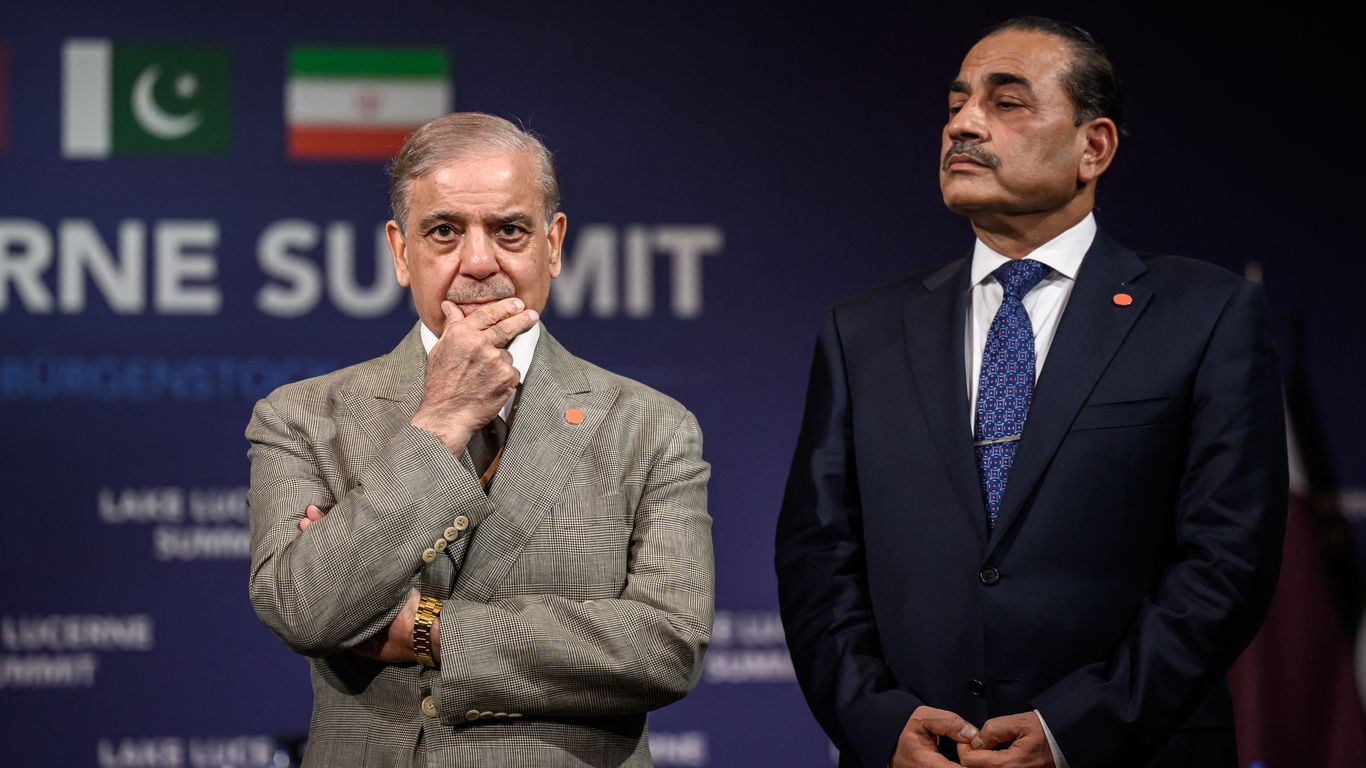
Regional mediators scramble to prevent U.S.-Iran deal from collapsing Qatar, Pakistan and other regional mediators are trying to de-escalate tensions between the U.S. and Iran and revive negotiations on a nuclear deal, according to two sources from the mediating countries and a U.S. official. Why it matters: While President Trump announced on Wednesday that the U.S.-Iran memorandum of understanding (MOU) and the ceasefire were "over" and ordered two rounds of airstrikes, he is focused on reopening the Strait of Hormuz and still wants to avoid a return to an all-out war with Iran. The mediators think that, regardless of the recent escalation, the parties made progress toward a nuclear deal in earlier rounds of talks and want to prevent the MOU from collapsing.A regional source from one of the mediating countries said the mediators believe the recent Iranian attacks in Hormuz were initiated by elements inside the Iranian regime that oppose the MOU and want to undermine it. Behind the scenes: Qatari, Pakistani, Turkish, Egyptian and Saudi officials have conducted multiple phone calls on Wednesday with both U.S. and Iranian officials in an effort to calm down the situation, the sources said.Irans Foreign Minister Abbas Araghchi told Pakistani military commander Field Marshal Asim Munir that the U.S. attacks and rhetoric were violations of the MOU, according to a statement on his Telegram channel. "There are extensive diplomatic efforts to first agree with both sides on de-escalation and then set a date for another round of negotiations between the technical teams," one regional source involved in the mediation said. State of play: After two days of exchanges of fire between the U.S. and Iran, Thursday was much calmer. Despite reports in some Iranian media outlets regarding explosions in southern Iran, U.S. officials said the U.S. military didnt conduct any new strikes on Thursday. One U.S. official said it was a result of the de-escalation efforts. What they are saying: President Trump held a meeting on Thursday afternoon with his top national security team about the tensions with Iran and the way forward. After the meeting a U.S. official said the Trump administration is "still committed to finding a resolution, and technical-level talks continue" to reach a nuclear deal."President Trump made his feelings very clear yesterday in no uncertain terms. Irans attacks on these innocent vessels are acts of terrorism. The MOU is performance-based, and Irans actions constitute failed performance at an unacceptable level", the U.S. official said.
axios · about 2 months ago
Debate: Iran war: escalation looming again? The US and Iran have resumed fighting. Washington confirmed strikes on targets in Iran, Tehran has attacked US bases in Kuwait and Bahrain. Shortly beforehand, merchant ships had come under fire in the Strait of Hormuz. Trump has since said that the agreed ceasefire is over. Europes press tries to gauge the risk of further escalation.
eurotopics.net · about 2 months ago

Trump launches Operation B**** Slap in retaliation for Iran shooting ships in Strait of Hormuz: Going with his gut President Donald Trump has intensified US military strikes against Iran following attacks on commercial ships in the Strait of Hormuz.
dailymail · about 2 months ago
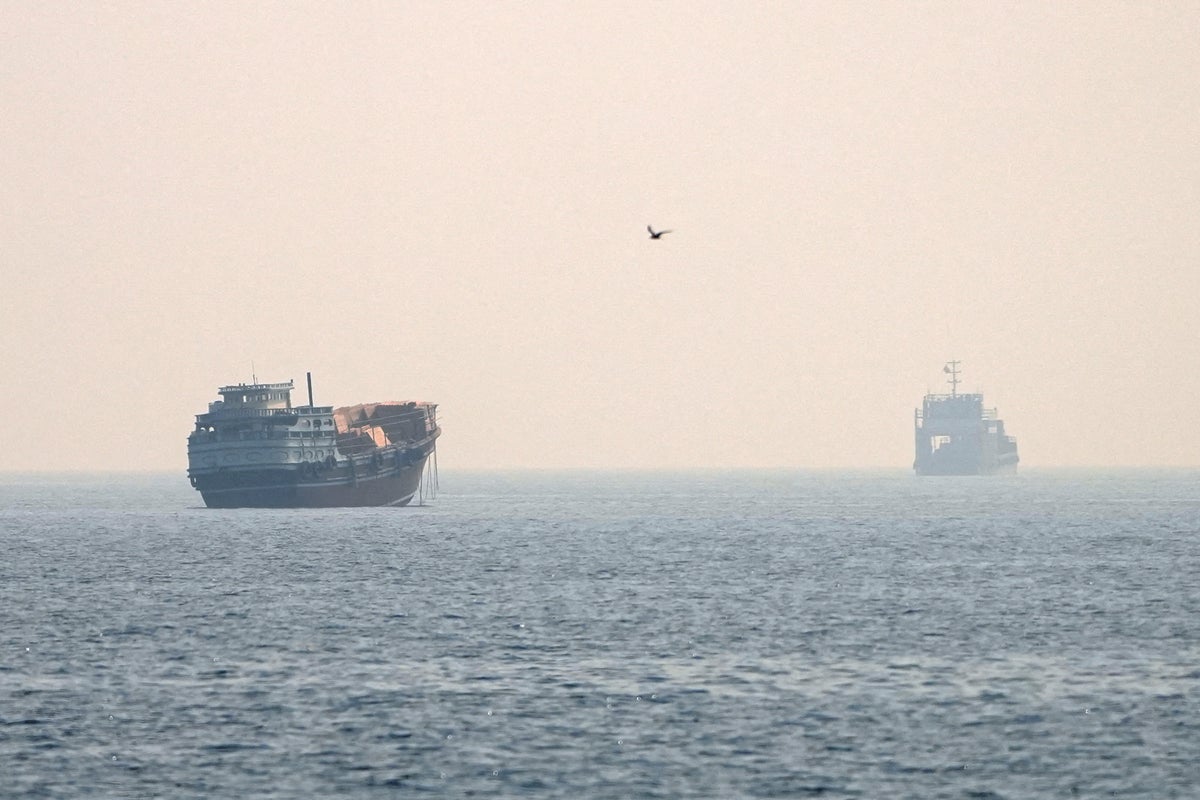
Traffic through Strait of Hormuz halves days after US strikes in blow to global economy Row between US and Iran appears to centre around use of an Omani shipping corridor
independent · about 2 months ago

China temporarily bans helium exports as US-Iran tensions flare again reut.rs/4eSFPAS
bluesky_Reuters · about 2 months ago
🇺🇸🇮🇷⚡️ — Shipping traffic through the Strait of Hormuz has dropped sharply, with just 22 verified transits recorded Thursday, Kpler reports. ➡️ Only one vessel crossed via the Omani channel — the rest opted for Irans designated shipping lane. ➡️ 22 transits is well down from 40–50 in recent weeks and a fraction of the 100+ daily crossings recorded before the war began. ➡️ Some vessels are disabling transponders entirely, meaning actual traffic may be higher than tracked figures show.
telegram_Intel Slava · about 2 months ago
🇺🇸⚡️ — US average gas prices have surged 9 cents in two days, reaching $3.88 per gallon, AAA reports. ➡️ Prices rose 5 cents Thursday and a further 4 cents overnight, following a roughly 6 rise in oil prices since US-Iran hostilities resumed in the Persian Gulf. ➡️ The outsized jump reflects how gas prices behave: they rise sharply in anticipation of higher wholesale costs, but fall only gradually as station owners use lower prices to recover lost profit margins. ➡️ Gas had been slowly declining from a wartime peak of $4.56 per gallon hit in mid-May before the latest oil spike reversed that trend. @IntelSlava
telegram_Intel Slava · about 2 months ago
🇺🇸🇮🇷⚡️ — NEW: The US and Iran remain deadlocked over core issues despite a June ceasefire, with "technical talks" unlikely to resolve fundamentally political disputes, the New York Times reports. The key flashpoint is control of the Strait of Hormuz — a vaguely worded paragraph in the Versailles MOU has been interpreted entirely differently by each side: the US saw it as Irans commitment to ensure free passage; Iran took it as a mandate to control the waterway and charge tolls. When the US Navy began secret escorting ships through a channel near Oman — away from Irans preferred route — Iran fired on some of the vessels. Lloyds of London reports traffic through the strait has now dropped sharply. A second unresolved dispute concerns Irans nuclear fuel stockpile; the ceasefire agreement is vague on whether Iran retains control of it, and Trump is said to be resistant to any deal that offers less than the 2015 Obama-era accord. Trump has declared the Versailles MOU "over," though aides insist the US is not in violation, arguing the agreement was performance-based and Iran failed to meet its terms. A US official, speaking anonymously, said the administration remains committed to a peaceful resolution and expects "technical talks" to continue — despite lower-level negotiators are not empowered to resolve the political core of the dispute. @IntelSlava
telegram_Intel Slava · about 2 months ago