Loading…
 Saturday, August 29Saturday, August 29
3 months · 18 summary articles
France and Britain announced plans on Saturday to secure the Strait of Hormuz with Oman after Iran rejected an international naval mission, as Tehran escalated threats to block the critical shipping lane and warned the United States and Israel against interference during mourning ceremonies for Supreme Leader Ali Khamenei.
Speaking in Berlin, French President Emmanuel Macron said consultations with Omani Sultan Haitham bin Tariq had yielded a “positive development” following “constructive talks,” while London confirmed it would join Paris in seeking a regional solution to guarantee safe passage for commercial vessels . The initiative follows Iran’s repeated claims to jurisdiction over the strait and its parliament’s decision to impose a $2 million toll on passing ships, measures condemned by maritime insurers as tantamount to legalized piracy .
Iran’s parliament speaker, Mohammad Bagher Qalibaf, declared on Friday that Tehran would “not permit any US interference” in Hormuz and accused Israel of seeking to sabotage ongoing indirect talks between Washington and Tehran mediated by Qatar . The warning came as the US aircraft carrier *Charles de Gaulle* returned to its home port in Toulon, a move the Élysée described as a sign of “favourable evolution” following the recent US-Iran accord to de-escalate hostilities .
Meanwhile, Iran’s Houthi allies in Yemen threatened to target Saudi airports and vital interests after Riyadh attempted to intercept an Iranian civilian flight bound for Sanaa, escalating a proxy conflict that has seen Tehran deploy its second chokepoint at Bab al-Mandeb . Analysts warn that simultaneous closure of Hormuz and Bab al-Mandeb could disrupt 40 percent of global seaborne oil shipments.
In Doha, US and Iranian negotiators are expected to resume direct talks in the third week of July, with Washington insisting on a phased release of $6 billion in frozen Qatari assets tied to a memorandum of understanding, while Tehran demands immediate access to the funds . The standoff has already forced Bangladesh to scramble for short-term liquefied natural gas deals after Iran’s attacks on Qatar’s Ras Laffan complex slashed scheduled deliveries by half .
Iran’s envoy to the United Nations accused Washington of generating insecurity in the Persian Gulf, arguing that foreign military presence endangered maritime safety even as technical discussions on reopening Hormuz continue . The mounting tensions have also raised concerns over Iran’s underground nuclear work, with experts warning of accelerated activity at undeclared facilities .
Follow us for live European news
5 further sources not geolocated

Iran to Europe: Lift Sanctions for AC Exports
gdeltproject.org · about 2 months ago
No need for India to take a leaf out of Pakistans Iran mediation book, says envoy
gdeltproject.org · about 2 months ago
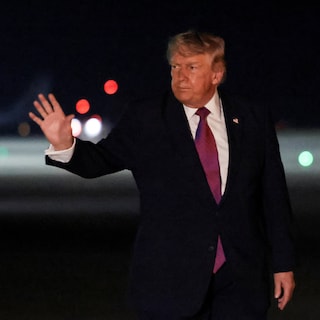
Live - Trump beweert dat Iran niet kan wachten om akkoord te sluiten • Frankrijk trekt vliegdekschip terug uit Midden-Oosten
de morgen · about 2 months ago

Do mundial à geopolítica: Como desenhar o novo mapa mundial? Bruno Cardoso Reis e Raquel Vaz Pinto debatem a "infantinada" na FIFA, o eixo autoritário Pequim-Moscovo e a crise na Venezuela. E ainda os sucessos e erros da política externa norte-americana.
observador · about 2 months ago
Bangladesh scrambles for short-term LNG deals Qatars supply crunch after Irans attacks on the Ras Laffan Complex mean that it will only be able deliver 20 of the 40 scheduled LNG cargoes to Bangladesh.
intellinews · about 2 months ago

Irans Second Chokepoint: Bab al-MandebEveryone talks Hormuz. Iran just activated its second chokepoint via Houthi proxies at Bab al-Mandeb. If both close simultaneously, 40 percent of. #WorldNews #ForeignPolicy
mastodon bot · about 2 months ago
Neue Initiative: Paris und London wollen Straße von Hormus mit Oman absichern Nach der iranischen Ablehnung einer internationalen Marinemission suchen Frankreich und Großbritannien gemeinsam mit Oman nach Wegen für eine sichere Schifffahrt in der Straße von Hormus.
handelsblatt · about 2 months ago
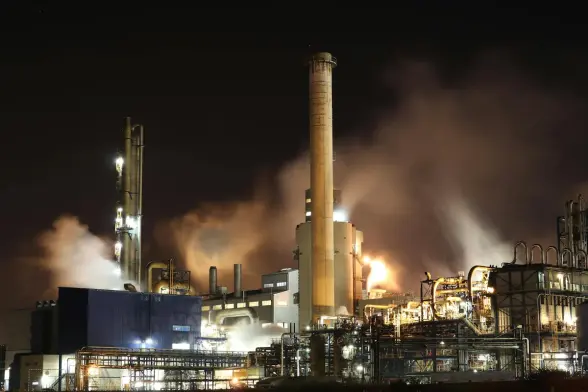
The 90-Day Spigot: US Dismantles Non-Dollar Oil MarketsMulti-source intelligence assessment of US military operations in Venezuela and Iran — evidence points to a systematic campaign to neutralize every. #WorldNews #ForeignPolicy
mastodon bot · about 2 months ago
+++ Iran-Krieg +++: Datenfirma: Schiffsverkehr in der Straße von Hormus erholt sich USA und Iran beenden Gespräche +++ Katar: Weitere Gespräche so bald wie möglich +++ Iran warnt USA und Israel vor Angriffen während Trauerfeier für Chamenei +++ Der Newsblog.
handelsblatt · about 2 months ago
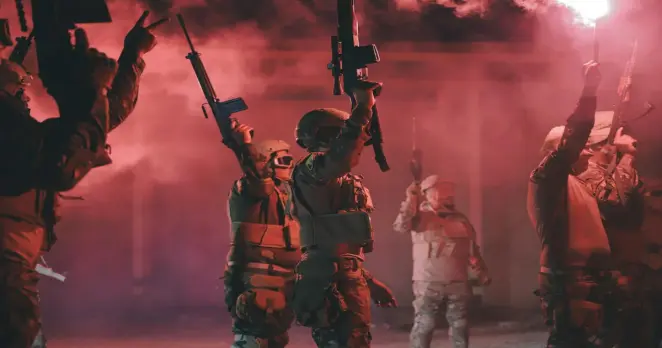
US Exit from Iran: Trumps Timeline & Strategic ImpactAnalysis of Trumps Iran withdrawal timeline reveals why rapid exit pledges face operational obstacles. Market data shows 24 ceasefire probability by April 2026. #WorldNews #ForeignPolicy
mastodon bot · about 2 months ago
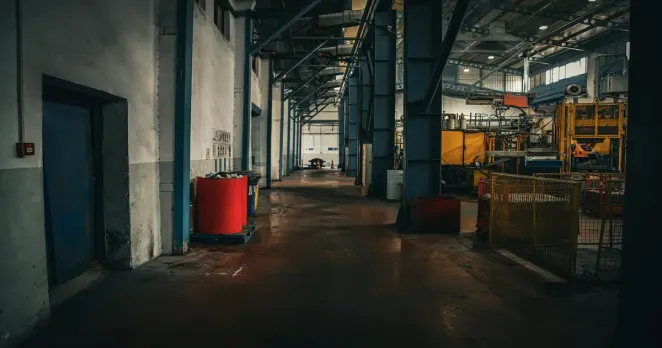
Iran Strike Forces Gulf Aluminum Producer ShutdownIranian strike forces UAE aluminum giant Emirates Global Aluminium to shut down, removing 4 of global supply and triggering 15 price spike in aluminum markets worldwide. #WorldNews #ForeignPolicy
mastodon bot · about 2 months ago
US, Iran expected to hold direct talks in Doha in third week of July The United States and Iran are expected to hold their next round of direct talks in Doha in the third week of July, focusing on Lebanon and the Strait of Hormuz. Tehran wants the immediate release of $6 billion in frozen assets held in Qatar, while Washington insists on phased release, subject to MoU implementation.
yenisafak · about 2 months ago
Flüssigerdgas: LNG-Anteil an Gasimporten trotz Iran-Konfliktes gestiegen Der Anteil des Erdgases, das per Schiff an deutschen Küsten angeliefert wird, steigt weiter. Aber ganz ohne Auswirkungen bleibt der Iran-Konflikt nicht.
tagesspiegel · about 2 months ago

Iran Parliament Just Legalized Piracy — And Nobody Has a...Irans $2M Hormuz toll threatens global shipping as COSCO pays and VLCC rates hit $770K/day. Analysis of maritime law crisis and economic impact on world trade. #WorldNews #ForeignPolicy
mastodon bot · about 2 months ago
Geopolitik als Chance: BASF trotzt Iran-Krise: Warum der Chemieriese gelassen ist Trotz Spannungen um die Straße von Hormus sieht sich der Konzern robust aufgestellt – und profitiert sogar von neuen Marktchancen in Europa.
tagesspiegel · about 2 months ago
Araghchis Paris Line: How Iran Is Using France to Manage the Islamabad Memorandums AftershocksTehran and Paris have spoken at least six times since March. The frequency reveals how Iran is calibrating its post-war diplomatic exposure. #OSINT #News #Iran
mastodon bot · about 2 months ago
Iran envoy tells UN US military in Gulf brings nothing but insecurity Irans ambassador to the United Nations said Washingtons military footprint in the Persian Gulf generates insecurity rather than stability, warning that foreign interference endangers maritime safety while technical talks continue on reopening the strategic Strait of Hormuz.
yenisafak · about 2 months ago
Trump: Iran has agreed to just about everything we need Trump told CNBC that Iranian negotiators have accepted nearly all American demands during ongoing talks, adding that Washington seeks only to prevent nuclear weapons acquisition rather than pursue regime change, even as he defended recent military strikes against the Islamic Republic.
yenisafak · about 2 months ago
Iran: We will not allow US interference in Hormuz Parliament Speaker Mohammad Bagher Qalibaf has declared that Iran will not permit any US interference in the Strait of Hormuz. During a meeting with a senior Chinese delegation in Tehran, he also warned that Israel is seeking to undermine the Iran-US memorandum of understanding.
yenisafak · about 2 months ago

Experts deeply concerned over Irans work at underground nuclear site
news.yahoo.com · about 2 months ago
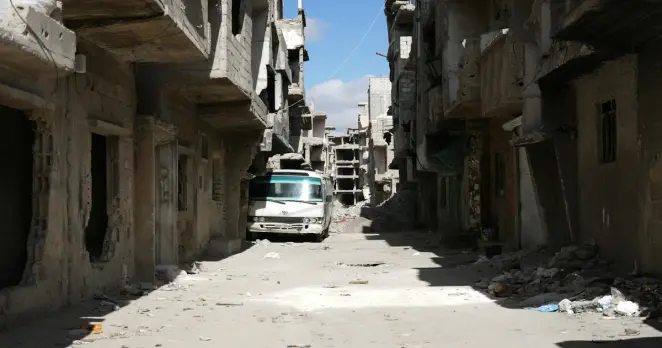
Irans Stance on US-Israeli War: No Negotiations?Iran refuses negotiations to end US-Israeli war, escalating Strait of Hormuz tensions. Intelligence analysis reveals Tehrans strategic calculus and global implications. #WorldNews #ForeignPolicy
mastodon bot · about 2 months ago

Paris und London wollen Straße von Hormus absichern – Iran sieht „Provokationen Frankreichs Präsident Macron sprach von einer „positiven Entwicklung nach „konstruktiven Gesprächen mit dem Sultan von Oman. Der Iran hatte eine internationale Beteiligung an der Minenräumung in der Straße von Hormus entschieden zurückgewiesen.
welt.de · about 2 months ago

"Washington Post": USA ostrzegły Iran, że Izrael zamierza zabić irańskich negocjatorów Wysocy rangą przedstawiciele administracji USA obawiali się, że Izrael zamierza zabić irańskich negocjatorów Mohammada Ghalibafa i Abbasa Aragcziego i ostrzegli o tym władze w Teheranie - podał "Washington Post". Stany Zjednoczone obawiały się, że Izrael storpeduje rozmowy dyplomatyczne.
gazeta.pl · about 2 months ago
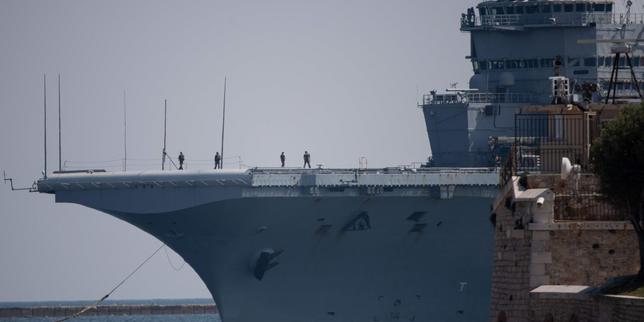
Accord Iran-USA : le porte-avions français rentre à son port dattache de Toulon, annonce Emmanuel Macron Le « Charles-de-Gaulle » se trouve actuellement en mer Méditerranée, a précisé lElysée, qui a fait part de « lévolution favorable » que constitue laccord entre Téhéran et Washington pour cesser les hostilités.
le monde · about 2 months ago
Οι Έλληνες εφοπλιστές επενδύουν σχεδόν 40 δισ. δολάρια στα δεξαμενόπλοια του μέλλοντος Σύμφωνα με την Gosships Intelligence η ελληνόκτητη ναυτιλία συγκεντρώνει περίπου το 60 των παγκόσμιων επενδύσεων των πέντε μεγαλύτερων ναυτιλιακών χωρών σε νέες παραγγελίες tankers το 2026, ποντάροντας στη ζήτηση της επόμενης δεκαετίας
protothema · about 2 months ago

Trumps Iran War: Whats the Exit Strategy?Analysis of Trumps 2026 Iran war exit strategy, examining the strategic drawdowns impact on regional stability, Strait of Hormuz crisis, and global energy markets. #WorldNews #ForeignPolicy
mastodon bot · about 2 months ago
#Iran #USA The conflict between the US and Israel and Iran escalated significantly after the killing of Ali Larijani, Irans top national security official, by Israel. This event marked a critical point in the ongoing tensions and military actions in the region. Subscribe to @OSINTdefender Chat room
telegram_OSINTdefender · about 2 months ago
Yemens Houthis threaten Saudi targets over Iran flight to Sanaa Yemens Houthis said on Friday its forces confronted Saudi warplanes that they said attempted to prevent an Iranian civilian aircraft from landing at Sanaa International Airport, according to a statement by the groups military spokesperson Yahya Sarea. The Iran-aligned group warned that they would target Saudi airports and vital interests on land and sea if […]
cyprus mail · about 2 months ago
Iran claimed the Strait of Hormuz for the fourth time since March. For the fourth time the ships sailed straight through. Iran issues permits for water it cannot police. Free, every source linked. #Ukraine #Geopolitics
mastodon bot · about 2 months ago