eldiario.es
La Cumbre Iberoamericana concluye sin grandes acuerdos y con Milei que remarca las divisiones ideológicas España, como país anfitrión, ha considerado la cumbre un "éxito" y ha apostado por este tipo de foros multilaterales. Sin embargo, la presencia del presidente ultra de Argentina, Javier Milei, ha recordado que existen fracturas dentro de la comunidad de 22 paísesArranca la Cumbre Iberoamericana en Madrid con la presencia de los ultras Milei y Kast y sin apenas líderes progresistas
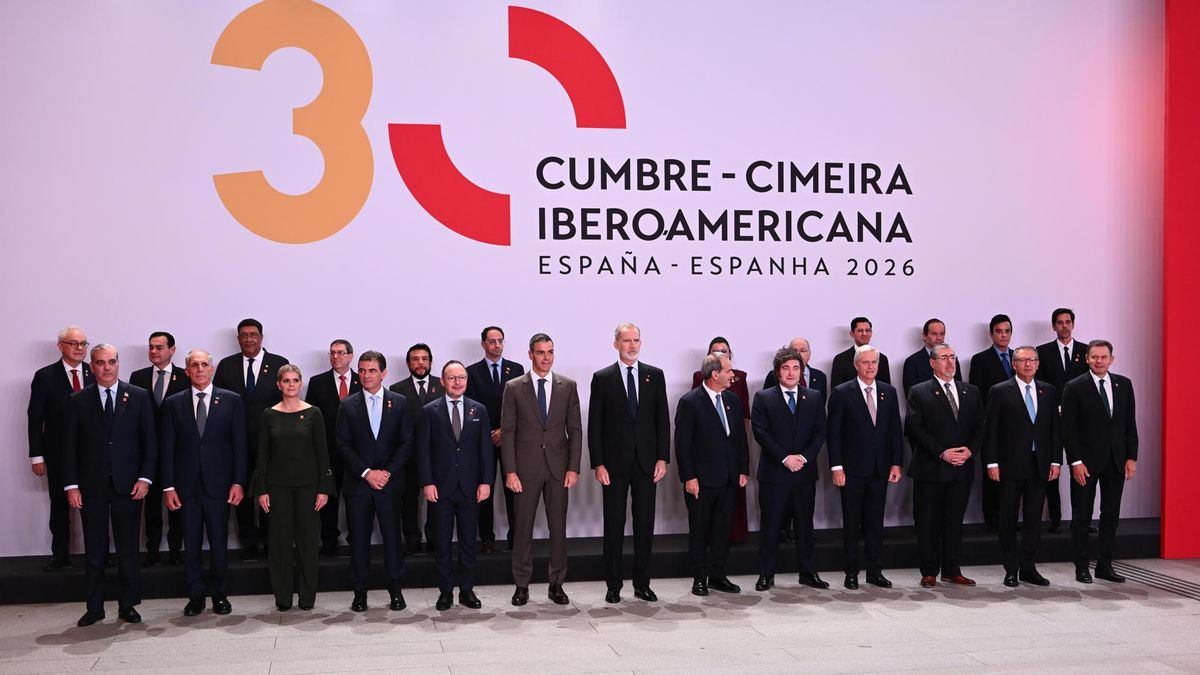
La XXX Cumbre Iberoamericana de jefas y jefes de Estado y de Gobierno, que se ha celebrado este miércoles y jueves en Madrid, ha apostado por la unidad y la cooperación, pero la participación del presidente argentino, Javier Milei, ha recordado las diferencias políticas que parten el bloque, a ambos lados del Atlántico. A la cita no han acudido los dos principales exponentes de la izquierda en América Latina —la presidenta de México, Claudia Sheinbaum, y el recién reelegido de Brasil, Luiz Inácio Lula da Silva— pero sí lo ha hecho Milei y también otro exponente de la extrema derecha, el mandatario de Chile, José Antonio Kast.
Milei ha sido el protagonista por sus declaraciones y sus acciones poco amigables con el país anfitrión, España. El miércoles por la noche, no participó en la inauguración oficial en el Teatro Real y la cena de gala posterior. El jueves por la mañana, el argentino y el presidente del Gobierno español se saludaron de forma muy distante antes de la cumbre, que tuvo lugar en la Galería de Colecciones Reales. Fue el primer encuentro entre los dos líderes después de que el argentino llamara a Pedro Sánchez "impresentable dictador" y le volviera a calificar de "corrupto", en su última visita a España hace unas dos semanas.
Durante su intervención en la reunión de jefes de Estado y de Gobierno (ninguna jefa mujer estaba presente entre los diez mandatarios hombres), Milei equiparó el socialismo con el fascismo: "El socialismo es fascista en política y el fascismo es socialista en economía". "Comparten el odio por el libre mercado, adoran la intervención del Estado, nacionalizan empresas, regulan la economía, controlan los medios de comunicación y se dedican a esparcir propaganda", dijo.
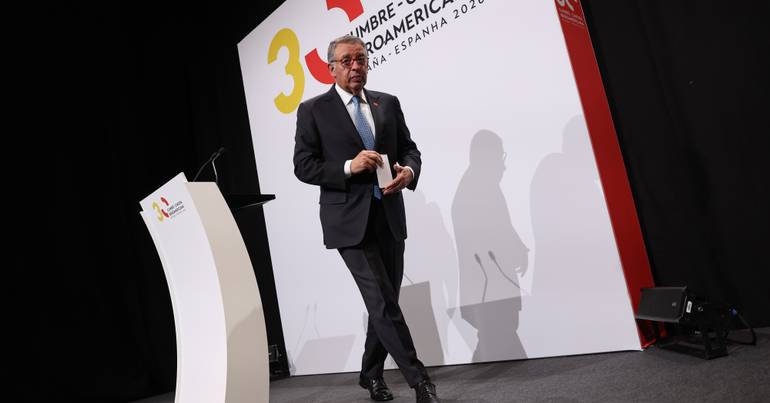
En una rueda de prensa al concluir la cumbre, Sánchez ha querido agradecer a todos los líderes su presencia, incluido el propio Milei, "porque es un esfuerzo venir a España", pero no ha querido responder a las palabras del mandatario ultra. "Los presidentes estamos para unir a los países, sobre todo cuando estamos en espacios multilaterales, el insulto no está en mi forma de hacer y entender la política", ha afirmado el presidente del Gobierno. También ha admitido que existe una "diferencia de opiniones en el sistema iberoamericano", algo que "no es nuevo", pero ha querido restarle importancia.
Sánchez ha considerado que la cumbre ha sido "un gran éxito" y, sin referirse nunca a Milei, ha destacado que, "por encima de las diferencias ideológicas que tenemos y las legítimas diferencias que se pueden tener entre naciones", la comunidad iberoamericana se mueve por "la voluntad de construir un mundo mejor", con "la paz y el respeto al Derecho Internacional como guía y como bandera".
Tanto el presidente del Gobierno como el secretario general iberoamericano, el chileno Andrés Allamand, han destacado los logros concretos de esta cita en Madrid: la aprobación de una nueva Estrategia de Cooperación Iberoamericana; la creación de la Red Iberoamericana de Reducción del Riesgo de Desastres y Protección Civil y de la Alianza Iberoamericana de Inteligencia Artificial; la adopción de la Carta Iberoamericana de Movilidad Académica y de la Carta Iberoamericana de Cuidados y Apoyos.
Sánchez ha asegurado que son "acuerdos y avances concretos en beneficio de la mayoría social de los países" que integran la comunidad iberoamericana (22, incluido España). Ha destacado, en concreto, la creación de la red iberoamericana de respuesta a los desastres porque —ha dicho— Iberoamérica está "particularmente afectada por los efectos de la emergencia climática".
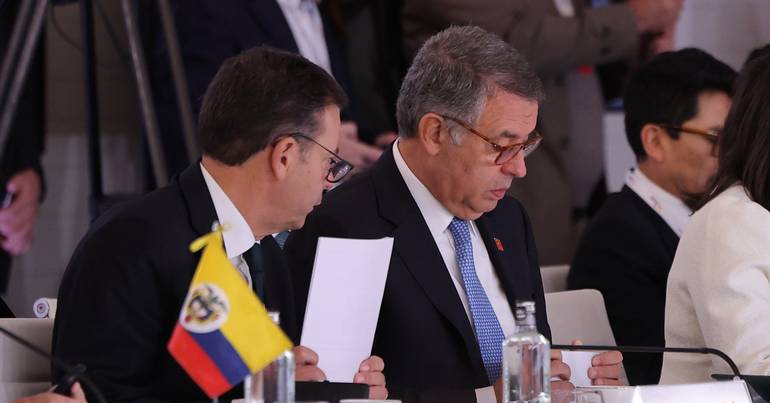
Todas las iniciativas han quedado plasmadas en la Declaración de Madrid, emitida al final de la reunión plenaria, que, sin embargo, incluye algunos puntos que no han apoyado todos los países. Argentina, Colombia, Costa Rica y Paraguay no han secundado el punto 4: "Rechazamos la coerción y la aplicación de medidas contrarias al Derecho Internacional y la Carta de Naciones Unidas que obstaculicen la capacidad de los Estados para hacer frente a sus necesidades y prioridades en materia de desarrollo".
Argentina tampoco ha respaldado la alianza de la IA, la carta de movilidad académica y la carta de cuidados y apoyos. Sin duda, el Gobierno de Milei ha sido la voz discordante en el foro iberoamericano, que, 35 años después de su fundación, ha querido reiterar su "compromiso con el multilateralismo y con un orden internacional basado en el pleno respeto a la soberanía de los Estados, al Derecho Internacional, a los Propósitos y Principios de la Carta de las Naciones Unidas, así como a los derechos humanos y al Estado de derecho".
Allamand ha señalado que ha habido "un consenso respecto al núcleo" de la declaración final, pero que "algunos países expresaron puntos de vista diferentes".
Se esperaba que la delegación de Chile, encabezada por Kast, tomara una postura más combativa, pero no ha habido fricciones públicas, pese al posicionamiento ideológico del presidente chileno. Kast se reunió con Sánchez este jueves en los márgenes de la cumbre, después de haber recibido el pasado lunes la medalla Internacional de la Comunidad de Madrid, de la mano de la presidenta, Isabel Díaz Ayuso.
En su discurso ante los demás mandatarios, Kast hizo un llamamiento a "avanzar juntos" y pidió más cooperación internacional para superar las "diferencias históricas" en la región.
El presidente de Honduras, Nasry Asfura, también exponente de la derecha en América Latina, ha asumido la secretaría pro tempore de la Cumbre Iberoamericana, cuya próxima reunión se celebrará en su país. En la comparecencia posterior a la reunión, con Sánchez y el secretario general iberoamericano, apenas ha hablado y sólo ha tenido buenas palabras con el anfitrión y de cara a los próximos dos años en los que Honduras estará al frente del grupo.
El invitado sorpresa a la cumbre fue el presidente de Ucrania, Volodímir Zelenski, quien pidió este jueves a Sánchez y otros líderes reunidos en Madrid apoyo ayuda hacer frente a las consecuencias de los ataques de Rusia contra la infraestructura energética de su país. Zelenski afirmó que "hay compañías en España y Latinoamérica" que pueden ayudar a Ucrania a mentener operativos sus sistemas energéticos y, en concreto, detalló que serían útiles transformadores de Brasil, México, Argentina y Colombia; cables de Chile o equipos eléctricos y generadores de España.
Zelenski se reunió también con el presidente del Consejo Europeo, António Costa, y la vicepresidenta de la Comisión Europea, Teresa Ribera, los cuales acudieron también a la cumbre, así como el secretario general de la ONU, António Guterres.
Con información de Europa Press y EFE
about 13 hours ago