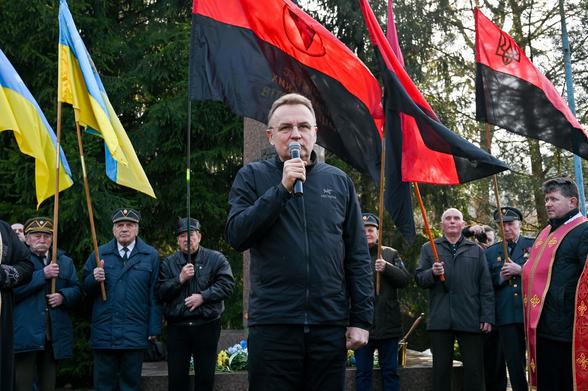
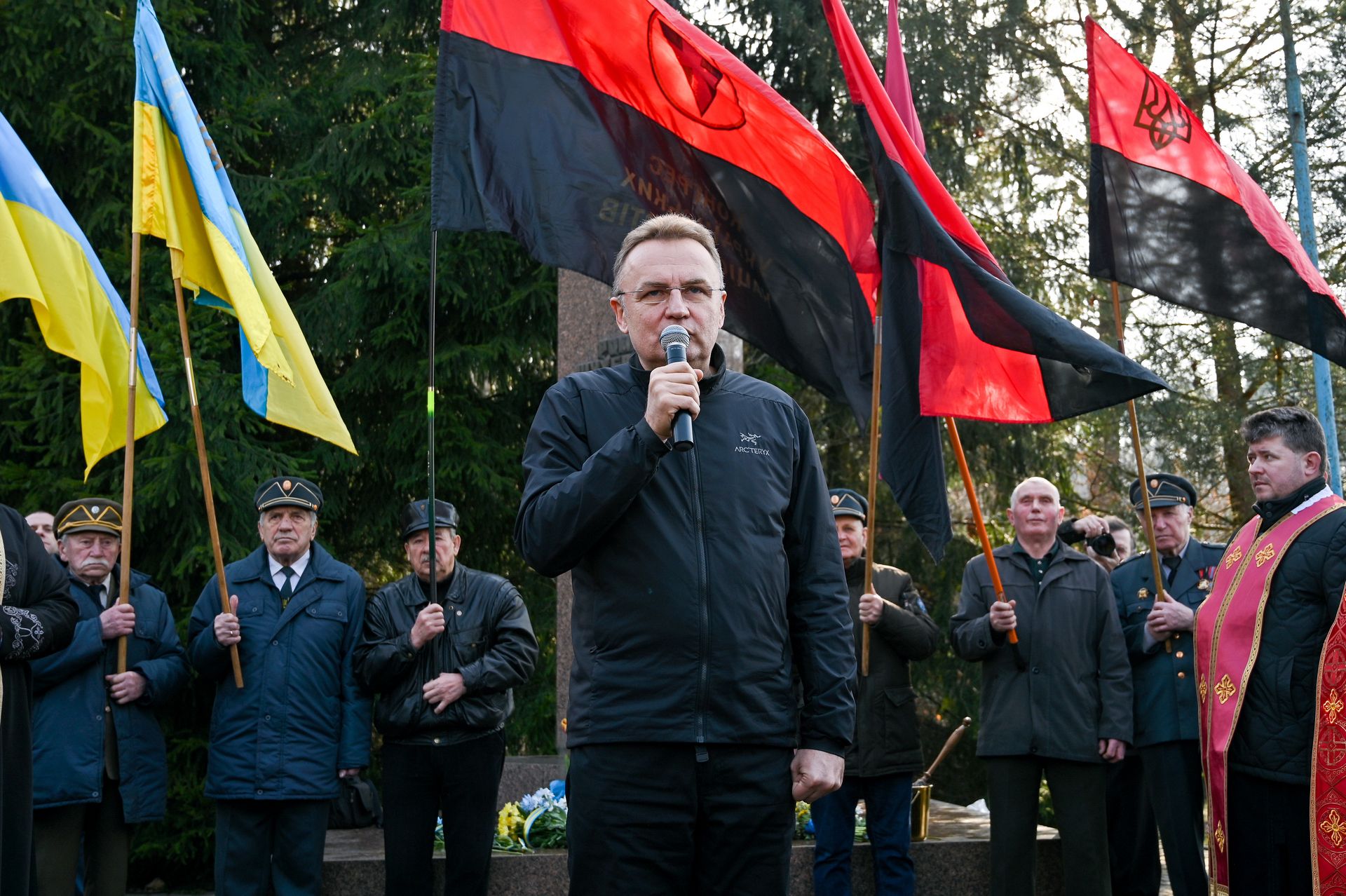
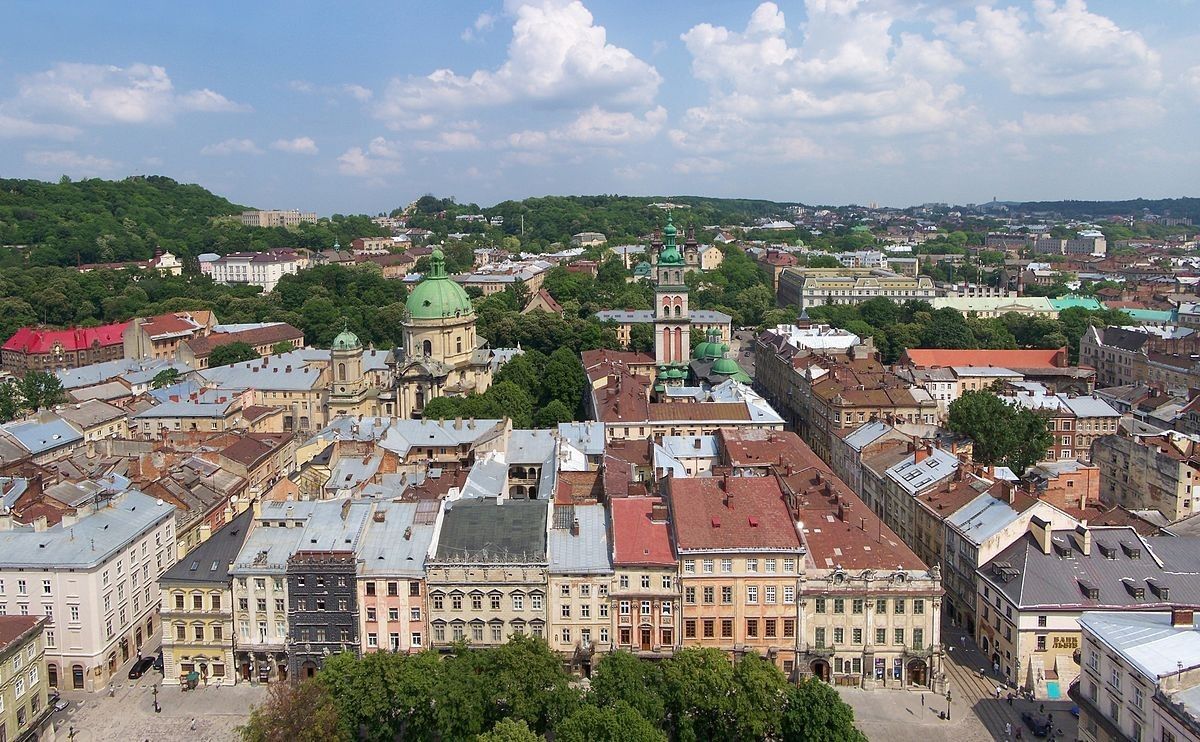
Polish cities suspended cooperation with Lviv after its regional council declared 2027 the Year of the Ukrainian Insurgent Army (UPA) and its leader Roman Shukhevych.
Przemyśl’s city council unanimously voted on 26 October to suspend its partnership with Lviv, with all 21 councillors supporting the motion. The Lublin regional assembly also voted to terminate its economic, trade, scientific, and cultural agreement with Lviv Oblast. Both decisions were triggered by the Lviv Oblast Council’s 20 October decrees naming 2027 the Year of the UPA, Shukhevych, and Oleh Olzhych, a nationalist poet and activist.
Przemyśl’s resolution obliges its mayor to pursue legal steps to dissolve the 1995 cooperation agreement, with a provision to restore ties if Lviv authorities formally revoke the UPA resolution and distance themselves from initiatives glorifying groups responsible for civilian massacres. Mayor Wojciech Bakun stated the city would halt joint activities until Lviv clarifies its stance on promoting ideologies hostile to Poland and Poles.
Lublin’s marshal, Jarosław Stawiarski, called the move a symbolic protest to ensure Ukrainians remember Poland’s opposition to honoring figures like Shukhevych, Stepan Bandera, and Andriy Melnyk, whom he described as criminals. Councillors across parties condemned the glorification of UPA and OUN, linked by Polish historians to the 1943–45 Volhynia massacres, which Poland classifies as genocide against its civilian population.
Ukraine’s Foreign Ministry criticized Lviv’s decision as counterproductive to bilateral relations, noting it was taken at a regional level. Polish Prime Minister Donald Tusk called the Lviv resolution “suicidal tactics” and said President Volodymyr Zelensky had indicated he would not support it if the final decision rested with him. Tusk added Zelensky was “very displeased” with the development.
Warsaw declared Sviatoslav Sheremeta, the Lviv council’s cultural committee head and the resolution’s author, persona non grata, banning him from the Schengen zone until 2031. Poland’s charge d’affaires in Kyiv, Piotr Łukasiewicz, stated Shukhevych was a criminal who collaborated with the Nazis and bore responsibility for the deaths of thousands of Poles.