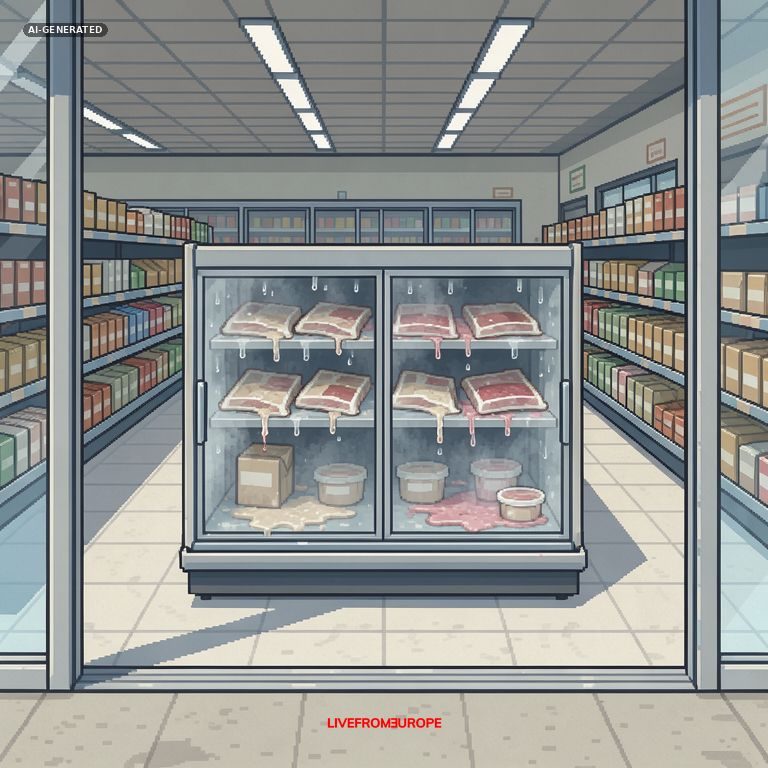
France on Monday blamed Iran's Revolutionary Guards for cyberattacks that spoiled food at hundreds of French supermarkets last month, vowing European sanctions against those responsible.
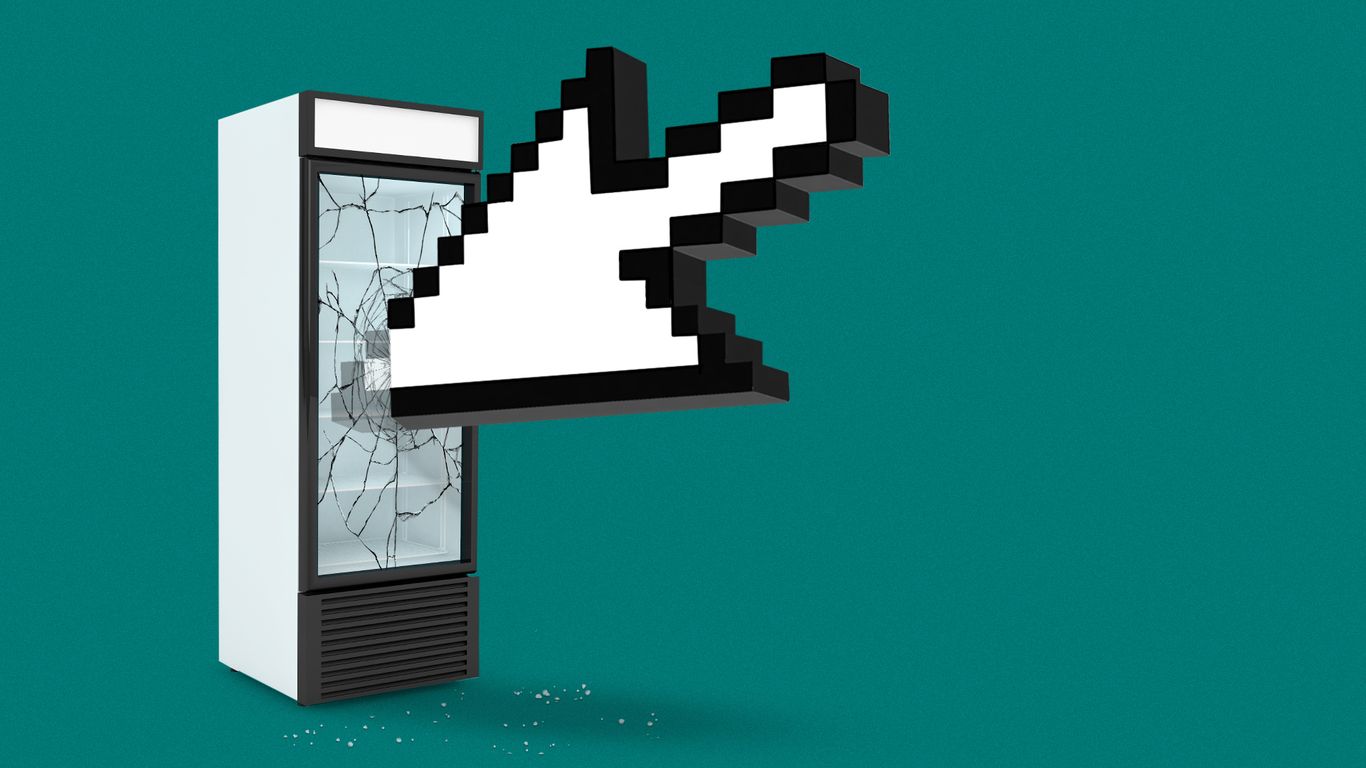
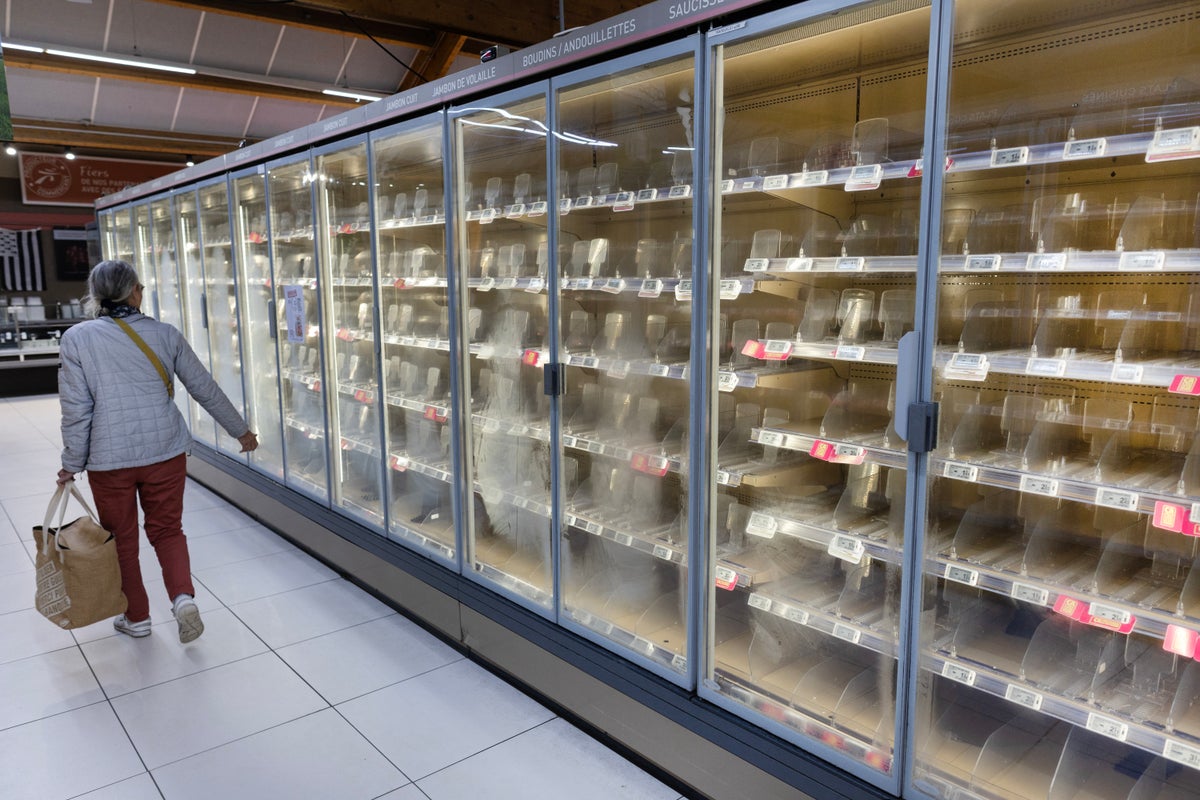
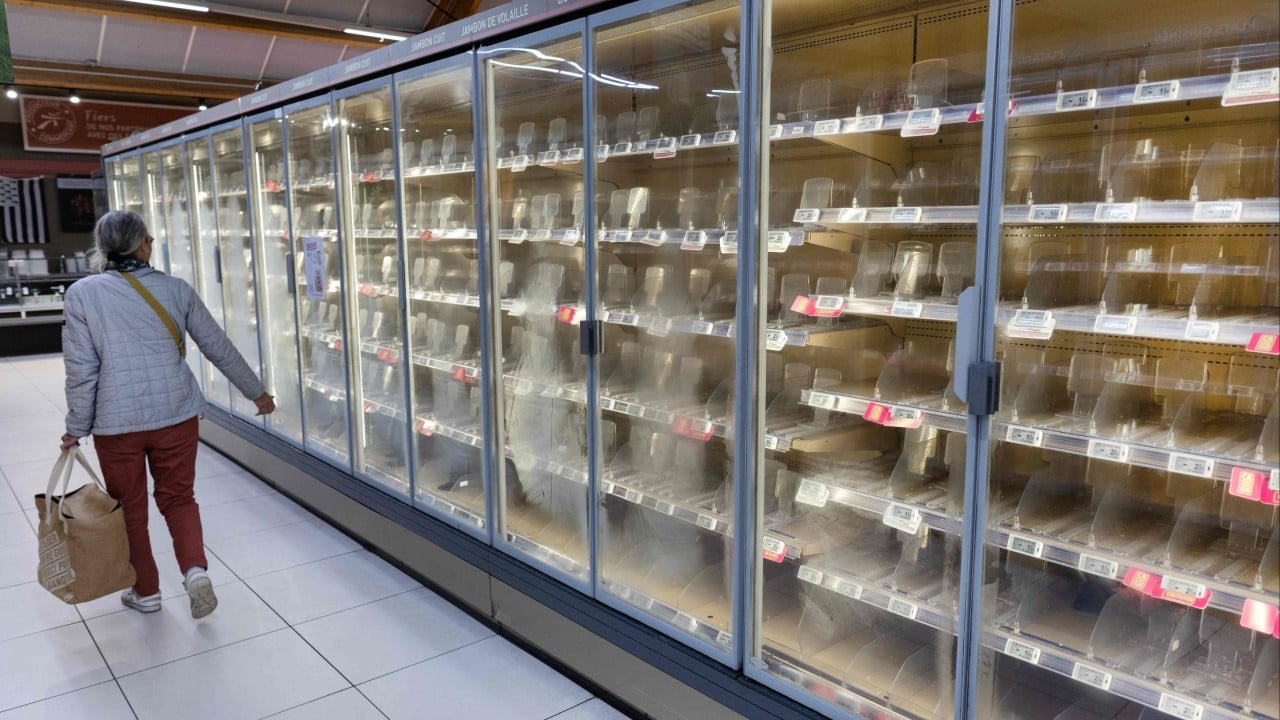
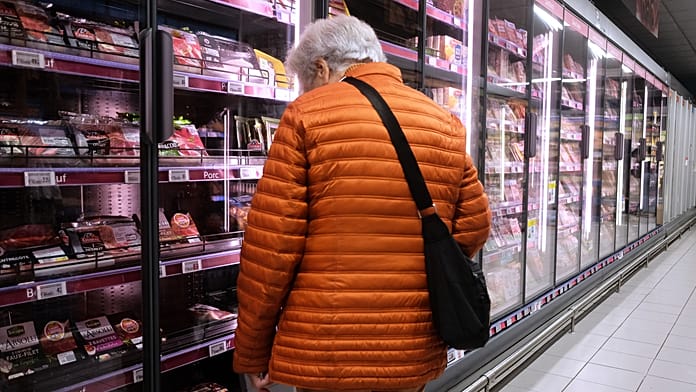
The attacks struck roughly 700 commercial sites across France on October 11 and 12. Hackers remotely raised temperatures in refrigerators and freezers to as high as 50 degrees Celsius. The sabotage caused tens of millions of euros in food losses and sparked at least 15 fires, according to French officials.
Foreign Minister Jean-Noël Barrot said the Islamic Revolutionary Guard Corps carried out the operation. He called it "unprecedented in both its scale and its level of aggression." He said the Iranian ambassador had been summoned to protest the attack.
A joint report by French intelligence and cyber agencies attributed the hacks to Shahid Kaveh. The unit operates within the IRGC's Electronic and Cyber Centre. The report named three alleged associates: Hamid Reza Lashgarian, Mahdi Lashgarian and Reza Salarvand.
Investigators linked Shahid Kaveh to the attacks by matching digital infrastructure and intrusion patterns to previous operations. They also found traces of Farsi in the attack systems. The hackers operated through front groups including CyberAveng3rs and Cyber Isnaad Front.
Paris prosecutors have requested international arrest warrants for the perpetrators. Barrot said France would implement sanctions at the European level against all those responsible.
The French attacks were followed this month by a second wave hitting more than 100 establishments across Europe. The incidents included refrigerators used by French blood banks. Similar attacks have been reported in at least nine other European countries.
The United States also suspects Iran of similar attacks. Pentagon investigators are examining malfunctions at military commissaries in August as a suspected cyberattack. US Secretary of State Marco Rubio said at G7 talks in Paris: "It does not surprise us. They have done things like this for a very long time."
The attacks occurred during an eight-month war between the United States and Iran that began in February. Microsoft had privately tied Iran to the October cold-storage sabotage at least two weeks before France's public attribution.