
Trump cancels Iran strikes, claims talks to start; Tehran denies negotiations underway

Story Timeline
2 months · 14 summary articles
President Donald Trump said on Sunday that negotiations with Iran would begin on Monday afternoon, citing diplomatic progress as the reason for canceling planned U.S. military strikes. Speaking aboard Air Force One, Trump stated he preferred a deal over further conflict, adding that regional allies had urged restraint in the belief that an agreement on the Strait of Hormuz was possible.
Iran’s Foreign Ministry spokesman Esmail Baghaei rejected Trump’s claim on Monday, asserting that no talks with the United States were underway and none were scheduled. Baghaei said Iran’s only current negotiations were with Oman, focused on securing safe passage through the Strait of Hormuz. He emphasized that any broader discussions involving the U.S. would depend on future developments and that Iran would not reopen the strait while U.S. strikes and a naval blockade continued.
The contradiction follows a pattern in Trump’s handling of the five-month conflict. Since late February, he has repeatedly threatened large-scale attacks on Iran, only to delay or cancel them, citing ongoing or impending negotiations. Previous pauses, including a June memorandum of understanding aimed at ending hostilities and reopening the strait, collapsed within weeks, leading to renewed U.S. strikes.
Trump’s latest announcement came after he claimed to have called off what he described as the “biggest attack since World War Two,” saying Saudi Arabia, the United Arab Emirates, and Qatar had requested the pause to pursue a potential agreement. He linked the talks to both the reopening of the Strait of Hormuz and Iran’s nuclear program.
Iran’s position remained firm. Baghaei reiterated that Iran’s negotiations with Oman were bilateral and that other actors could only play a “constructive or destructive” role. He also tied the strait’s reopening to an end to U.S. military action and its naval blockade, calling a safe-passage deal with Oman “necessary but not sufficient.”
The dispute over the Strait of Hormuz has been a central flashpoint, with recent attacks on commercial shipping, including a second Qatari LNG tanker struck within a month, exacerbating regional tensions. Meanwhile, Israel continued airstrikes on Gaza over the weekend, killing at least 17 people, despite Trump’s announcement of a breakthrough in disarming Hamas. Israeli officials expressed reservations about the U.S.-brokered plan, stating it did not reflect their positions.
Oil prices fell more than 5% on Monday following Trump’s announcement, while European shares rose on hopes of de-escalation. However, Iran’s denial of direct talks with the U.S. left the diplomatic path uncertain.
Follow us for live European news
- 3
- 3
- 2
- 2
- 1
- 1
- 1
- 1
- 1
- 1
6 further sources not geolocated
Articles

Irans Pezeshkian says Tehran does not seek to widen regional tension Iran does not want tension and insecurity to spread across the region but will act with full force to defend its security and territorial integrity, President Masoud Pezeshkian said at the launch of a national family-medicine programme.
intellinews · about 2 months ago
Israel mit „Bedenken zu Trumps Gaza-Plan Israel hat bei den USA Bedenken gegen den von Präsident Donald Trump verkündeten Plan zur Entwaffnung der militanten Palästinenserorganisation Hamas geäußert. Die veröffentlichte Fassung spiegle die israelischen Positionen nicht wider, sagte Doron Spielman, Sprecher des Büros von Ministerpräsident Benjamin Netanjahu, am Montag der Nachrichtenagentur AFP.
orf.at · about 2 months ago
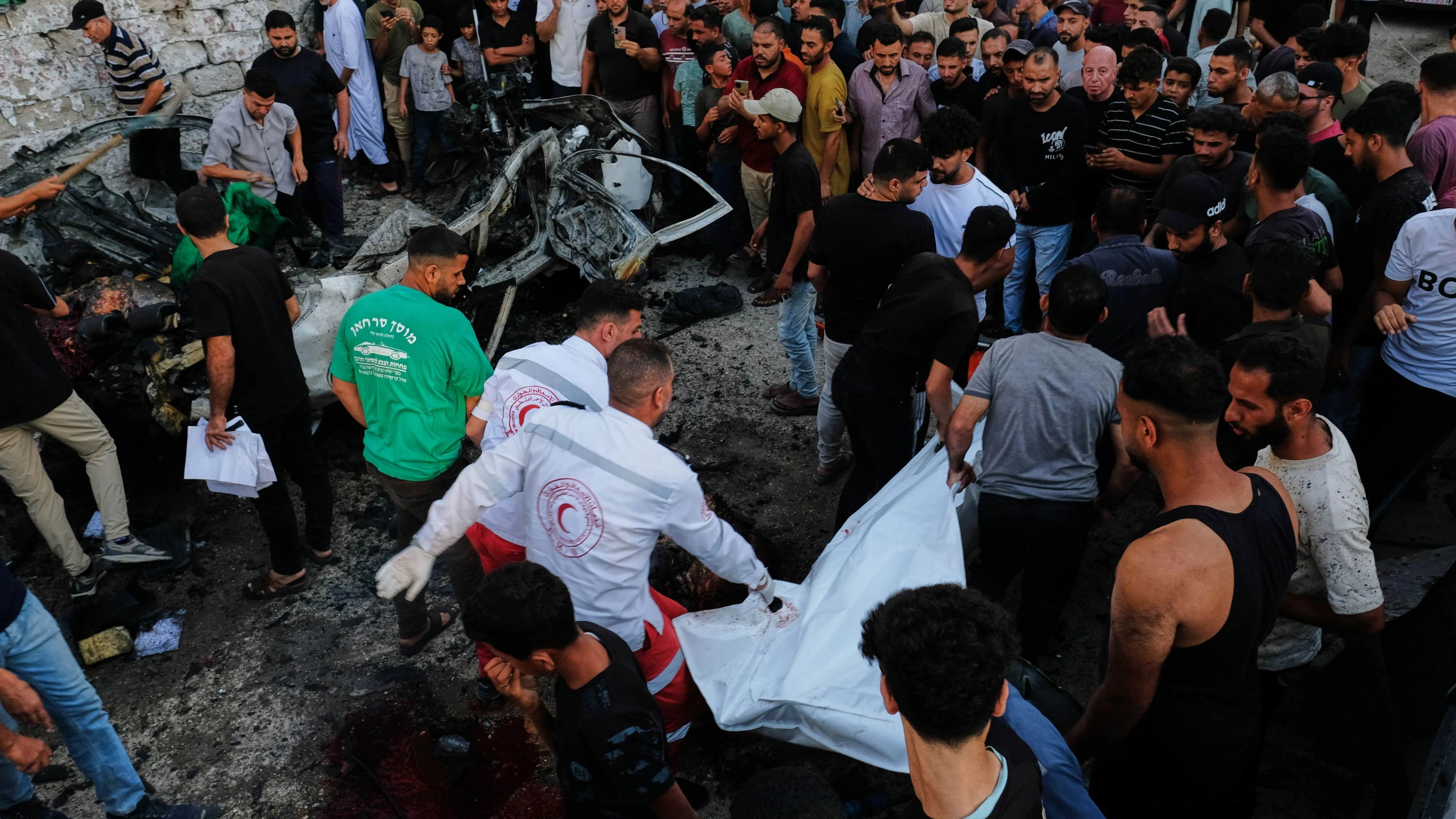
Mehrere Kinder unter den Opfern: Mindestens 17 Tote bei Luftangriffen in Gaza US-Präsident Donald Trump hatte einen Durchbruch bei der Umsetzung eines Waffenstillstands in Gaza angekündigt. Doch israelische Kampfjets bombardierten am Wochenende weiter mehrere Orte im Gazastreifen.
faz · about 2 months ago

Iran says no talks are under way with United States after Trump calls off attacks
news.yahoo.com · about 2 months ago
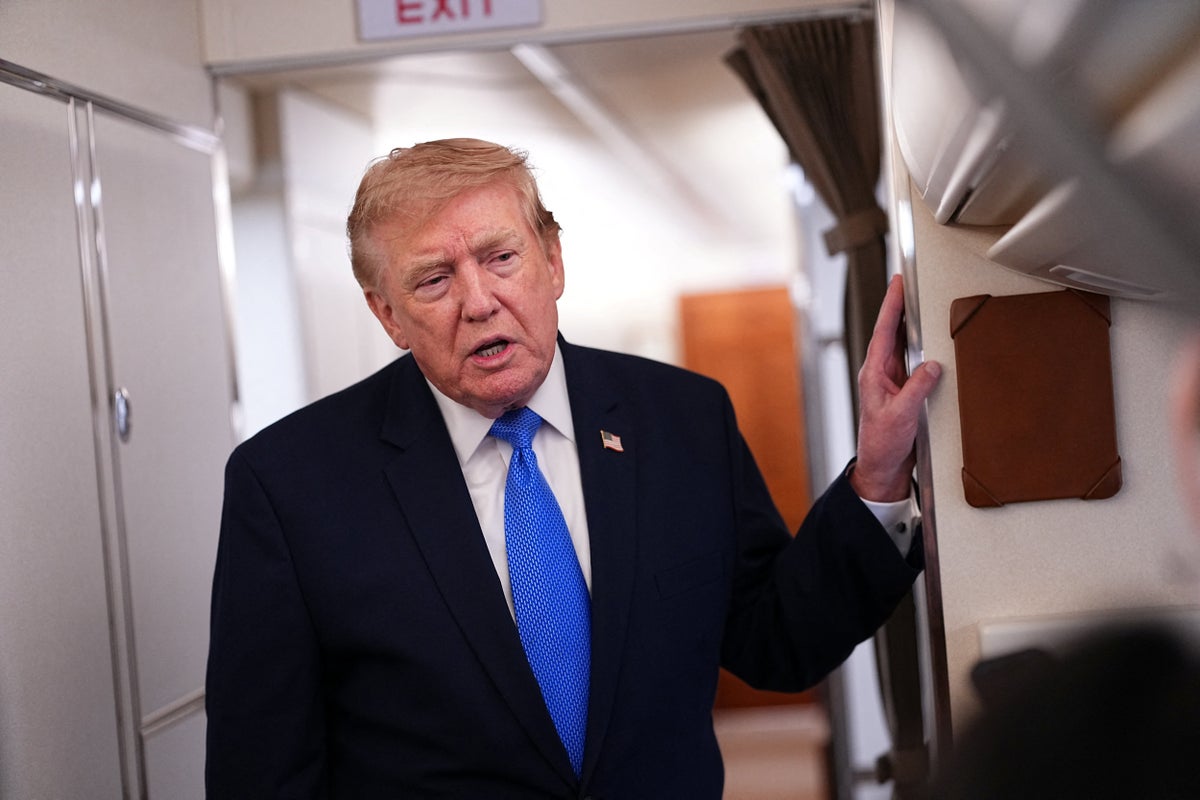
The seven times Trump threatened Iran before pulling back President Donald Trump announced late Saturday that he had called off planned U.S. strikes on Iran, saying renewed negotiations had raised hopes of easing the conflict and reopening shipping through the Strait of Hormuz.
independent · about 2 months ago
Iran denies Trump claim of imminent talks US president had said negotiations would begin on Monday but Tehran denied the two parties were in talks
financial times · about 2 months ago
Iran Hangs Two It Claims Spied For Israel As Execution Surge Continues Iran has hanged two men accused of spying for Israel as the Islamic republics execution spree since the start of the war with the United States and Israel shows no signs of slowing down.
radio free europe · about 2 months ago
Iran signals no immediate U.S. talks after Trump says negotiations to resume Washington says negotiations will resume Monday.
politico.eu · about 2 months ago

Iran Rejects Trumps Claims of New Talks Amid Ongoing Conflict📰 Original title: Iran denies Trumps claim that new talks will begin on Monday🤖 IA: Its not clickbait ✅👥 Users: Its not clickbait ✅View full AI summary #iran #trump
mastodon bot · about 2 months ago
🇵🇸 Gazans not optimistic about Hamas disarmament deal In central Gazas Deir el-Balah, displaced Palestinians question whether a deal announced by US President Donald Trump for Hamas to hand over its weapons and Israeli forces to withdraw will be implemented
bluesky_AFP English · about 2 months ago

Donald Trump said negotiations with Iran would resume today, after scrapping a planned military strike over the weekend.
bluesky_Politico Europe · about 2 months ago
🇺🇸 🇮🇱 The U.S. and Israel Are Discussing a Land Blockade of Iran What Does This Mean for Traders? Washington and Jerusalem are considering the possibility of cutting off Irans land trade routes. Trump and Netanyahu also discussed maintaining the blockade and the possibility of launching large-scale strikes. The Strait of Hormuz is virtually paralyzed. Tensions remain high. This is the moment when you can predict how the market will behave Subscribe now — well show you exactly how to trade this move in the channel 👉 #ad
telegram_War Monitors · about 2 months ago
„Nu negociem. Anunț sec de la Teheran, deși Trump a spus altceva Teheranul a transmis luni că în prezent nu au loc negocieri cu Statele Unite și că nu există planuri pentru vreo întâlnire, contrazicând astfel declarațiile președintelui american Donald Trump, care dăduse asigurări că tratativele urmau să aibă loc în cursul după-amiezii după anularea unui atac masiv planificat, scrie Reuters. În weekend, Trump a reluat un …
hotnews.ro · about 2 months ago
Iranin sota | Iran kiistää Trumpin väitteen uusista neuvotteluista Trump oli aiemmin perunut uudet iskut Iraniin.
helsingin sanomat · about 2 months ago
Iran ties Hormuz reopening to end of US strikes and naval blockade Iran will not reopen the Strait of Hormuz while US military action and its naval blockade continue, foreign ministry spokesman Esmaeil Baghaei said, calling a safe-passage deal with Oman necessary but not sufficient.
intellinews · about 2 months ago
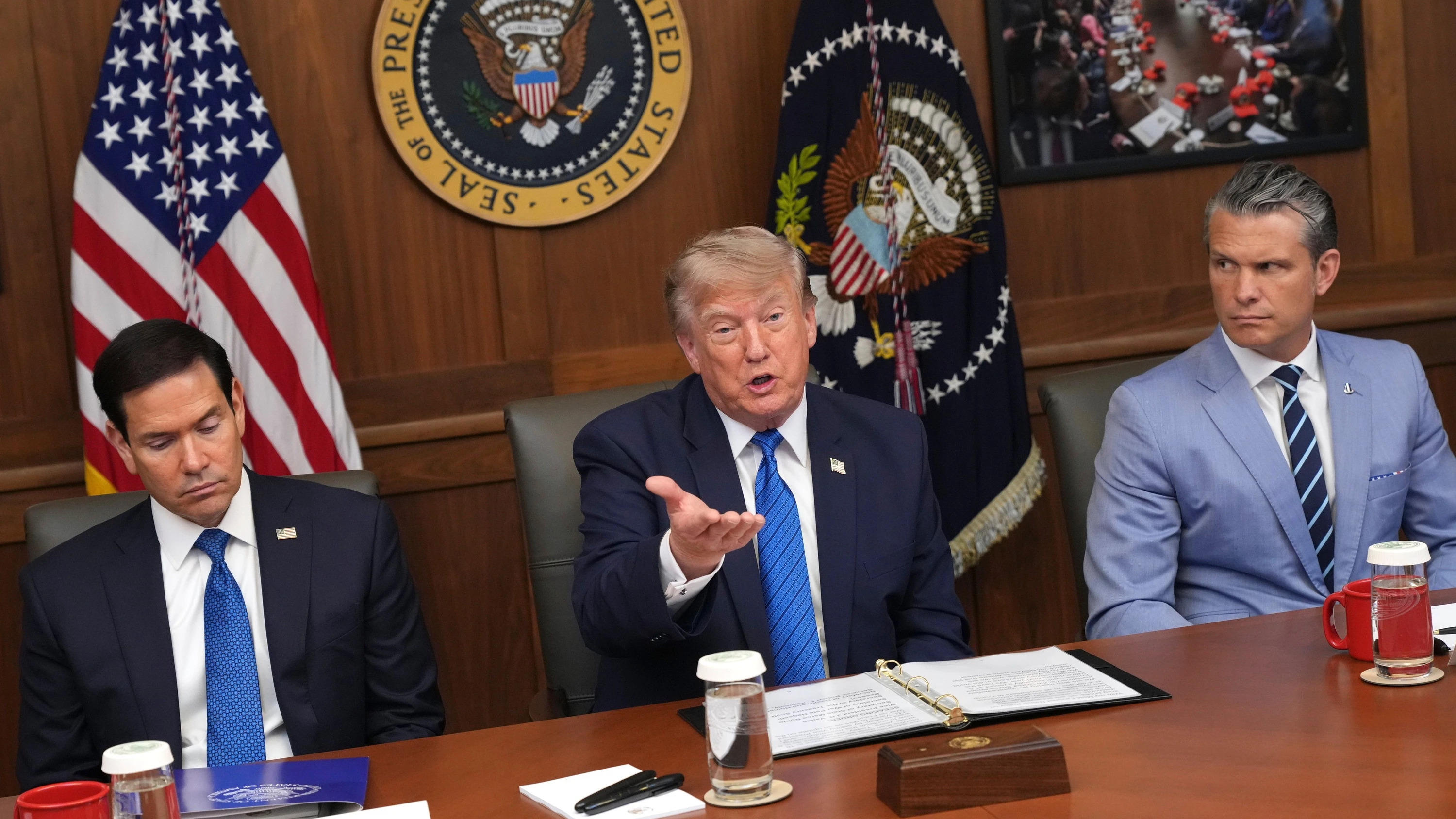
HackingAngriffe: Cyberattacken auf Wassersysteme machen den Amerikanern Angst Angriffe auf Infrastruktur werfen die Frage auf, ob der Krieg in Iran in den USA angekommen ist – auch wenn Präsident Donald Trump einen Zusammenhang bestreitet.
faz · about 2 months ago
Iran-Krieg: Warum Trumps Drohungen nicht mehr wirken Angriff, doch kein Angriff, nun wieder Gespräche. So sah sie aus, die Iran-Politik des US-Präsidenten seit Samstag. Fragen und Antworten darauf, wie es in dem Konflikt weitergehen könnte.
sueddeutsche · about 2 months ago
US, Israel agree to pause further strikes on Iran after weeks of violence After weeks of escalating attacks and fears of an even wider war, President Donald Trump says the US and Israel have agreed to pause further strikes on Iran if a deal to end the conflict can be reached quickly. The announcement marks a dramatic change in tone after Trump recently warned Iran it would be hit "very hard". Iran swiftly denied there was any such agreement, dismissing Trumps account and casting fresh doubt over whether diplomacy is any closer.
france24 · about 2 months ago
Cuba could collapse. Heres what Trump wants. After Venezuela and Iran, could Cuba be Donald Trumps next target? As the island endures its worst crisis in decades, Washington is hardening its stance and imposing further sanctions. Is this merely political posturing, or part of a genuine strategy by the US president? How far are the United States prepared to go? In this video, France 24s Stella Elgersma, together with several experts, examines the geopolitical stakes and the possible scenarios surrounding the communist island, to understand what is unfolding just 90 miles off the coast of the United States.
france24 · about 2 months ago
After Donald Trumps latest U-turn, uncertainty remains over talks with Iran Between the U-turns, the posturing, the denials and the flexing of military might, its hard to know exactly where negotiations between the US and Iran are actually at - if they have gone anywhere. While US President Donald Trump says negotiations are underway, Tehran has denied that any are planned but that it is in talks with Oman.
france24 · about 2 months ago
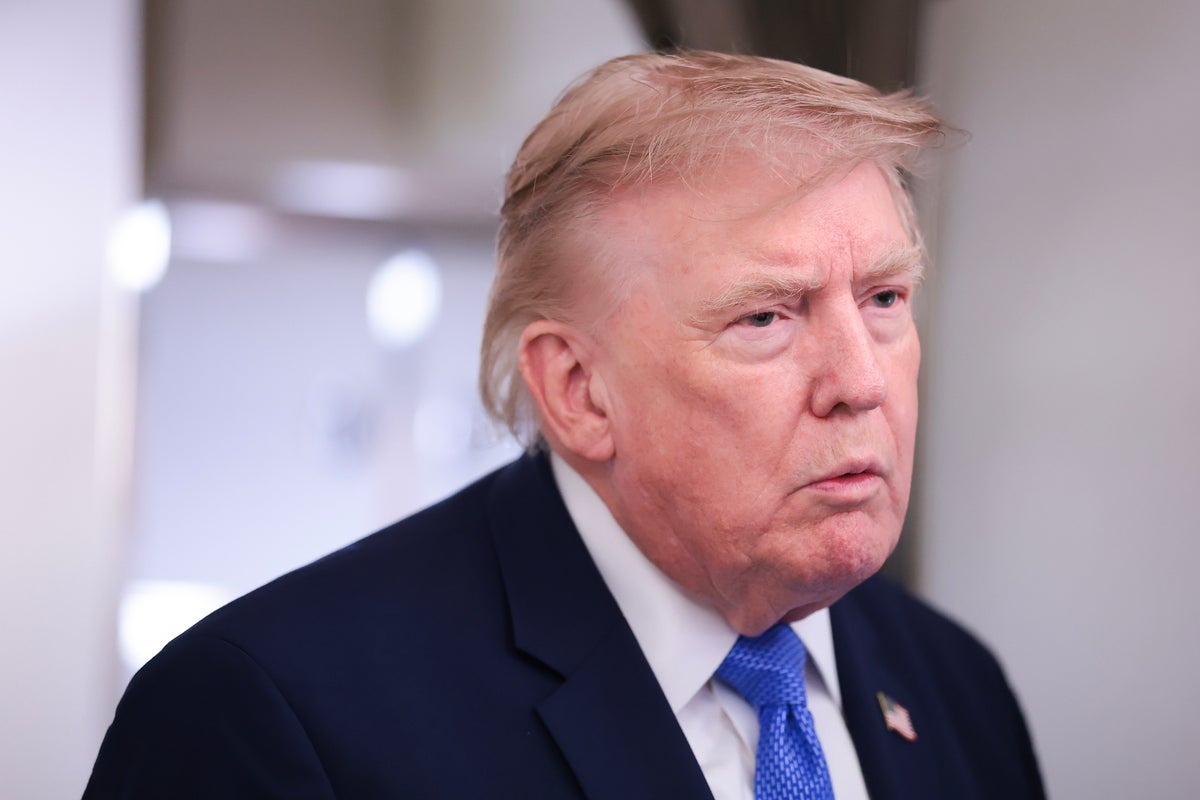
Iran-US war latest: Trump humiliated after Tehran denies his claim of new peace talks Trump said the agreement would include reopening the Strait of Hormuz and address Irans nuclear program
independent · about 2 months ago

🔊 Trump says talks with Iran restart today. Hear what he said aboard Air Force One on todays Reuters World News podcast reut.rs/4wUMq4t
bluesky_Reuters · about 2 months ago
Trumps deadline: Då är Grönland vårt Donald Trump vägrar släppa Grönland. Nu har han satt en deadline – då är ön under deras kontroll.– Man kan lugnt slå vad om det, säger han.
expressen · about 2 months ago

Guerre en Iran : Donald Trump dit relancer la voie diplomatique, Téhéran le contredit
lexpress · about 2 months ago
Nahost: Trotz Trump-Ankündigung: Israel fliegt erneut Angriffe auf Gaza Nach palästinensischen Angaben sind am Wochenende mindestens 17 Menschen bei Luftangriffen ums Leben gekommen. US-Präsident Trump hatte zuletzt von einem Durchbruch in den Bemühungen um einen Waffenstillstand zwischen Israel und der Hamas berichtet.
handelsblatt · about 2 months ago

Israel learned of Trumps Iran strike halt via social media Senior Israeli officials said they learned of President Donald Trumps decision to call off a planned joint military strike against Iran only through his social media posts, leaving them in a "fog" of uncertainty for hours regarding the aborted operation and Washingtons pivot to diplomacy.
yenisafak · about 2 months ago

Oil prices slide over 5 as US-Iran peace talks resume International oil benchmarks plunged more than 5 on Monday as US President Donald Trump announced that peace talks with Iran would resume later in the day, having canceled planned military strikes against Tehran at the request of regional allies.
yenisafak · about 2 months ago

Iran denies US talks, works with Oman on Hormuz temporary route Iranian Foreign Ministry spokesperson Esmaeil Baqaei said Monday that Tehran is not engaged in negotiations with Washington while working with Oman to establish a temporary shipping route through the Strait of Hormuz to ensure safe passage amid ongoing tensions.
yenisafak · about 2 months ago
Iran calls Trumps bluff as it denies negotiating with the US U.S. President Donald Trump said new talks to wind down the war in Iran will start on August 3, after announcing he is holding off on new massive strikes he had threatened to unleash on the country. This is not a one-time occurrence: Trump has regularly announced ongoing talks after threatening agressive strikes on Iran. But this time, Iran seems to not have given into the strategy. FRANCE 24s Kethevane Gorjestani tells us more.
france24 · about 2 months ago

Iran denies Trumps claim of peace talks and says there are NO negotiations with US Iran has denied Donald Trumps claims that there are ongoing peace talks between Tehran and Washington.
dailymail · about 2 months ago