Loading…
 Saturday, September 26Saturday, September 26
4 months · 14 summary articles
US Defense Secretary Pete Hegseth announced a six-month review of American military forces in Europe on Thursday, warning NATO allies that Washington may cut troop deployments and financial contributions if they fail to meet defense spending targets. Speaking at a NATO meeting in Brussels, Hegseth condemned what he called “free riding” by European allies and described restrictions on US bases during the Iran war as “shameful,” signaling a potential shift in Washington’s long-standing security commitments to the continent.
The Pentagon chief’s remarks came as tensions escalated over Europe’s response to the Iran conflict, with Hegseth explicitly linking US support to allied military spending. “The era of free riding is over,” he told reporters . “If allies do not step up, we will review our force posture, including troop levels, base access, and our financial contributions to NATO.” He added that the review would scrutinize US troop numbers, base access rights, and crisis force deployments across Europe, with findings expected before the NATO leaders’ summit in July.
Hegseth’s comments were echoed by multiple outlets, including *Politico Europe*, which reported that the review would assess whether European nations are taking “primary responsibility” for continental defense . German Defense Minister Boris Pistorius responded cautiously, warning of “dangerous capability gaps” if US forces were withdrawn without coordination .
The announcement follows months of pressure from Washington, with Hegseth criticizing European allies for failing to meet the 2014 NATO pledge to spend 2% of GDP on defense. According to *The Wall Street Journal*, he suggested that US “NATO dues” would be contingent on allies meeting these targets . Dutch Prime Minister Mark Rutte, currently serving as NATO Secretary General, declined to criticize Hegseth’s remarks, signaling a cautious approach to the US demands .
Analysts suggest the review reflects broader geopolitical shifts, including the US pivot toward Asia and growing skepticism in Washington about Europe’s commitment to collective defense. *Al Jazeera* noted that Hegseth’s language—describing NATO as a “paper tiger” in some reports—marks a sharp departure from traditional US rhetoric on the alliance . The move also coincides with reports that several European allies, including the UK, have yet to finalize defense plans ahead of the July summit .
As the review begins, European officials face a stark choice: accelerate defense spending or risk a reduction in US military support. The outcome could redefine NATO’s future structure and the transatlantic security architecture for decades to come.
Follow us for live European news
2 further sources not geolocated

USA wollen keine „Ära des Trittbrettfahrens mehr: So macht Washington Druck auf die Nato-Partner US-Verteidigungsminister Pete Hegseth droht erneut mit Truppenabzug. Sein deutscher Amtskollege Boris Pistorius warnt vor einem schnellen Umbruch – und sorgt sich um von den Amerikanern hinterlassene Lücken.
tagesspiegel · 3 months ago
Pentagon chief announces NATO 3.0 review of US force posture in Europe US Defense Secretary Pete Hegseth launched a six-month review of American military forces in Europe, urging allies to take "primary responsibility" for continental defense. He warned that US "NATO dues" would be contingent on allies meeting spending targets, criticized "free riding," and condemned European restrictions on US bases during the Iran war as "shameful."
yenisafak · 3 months ago
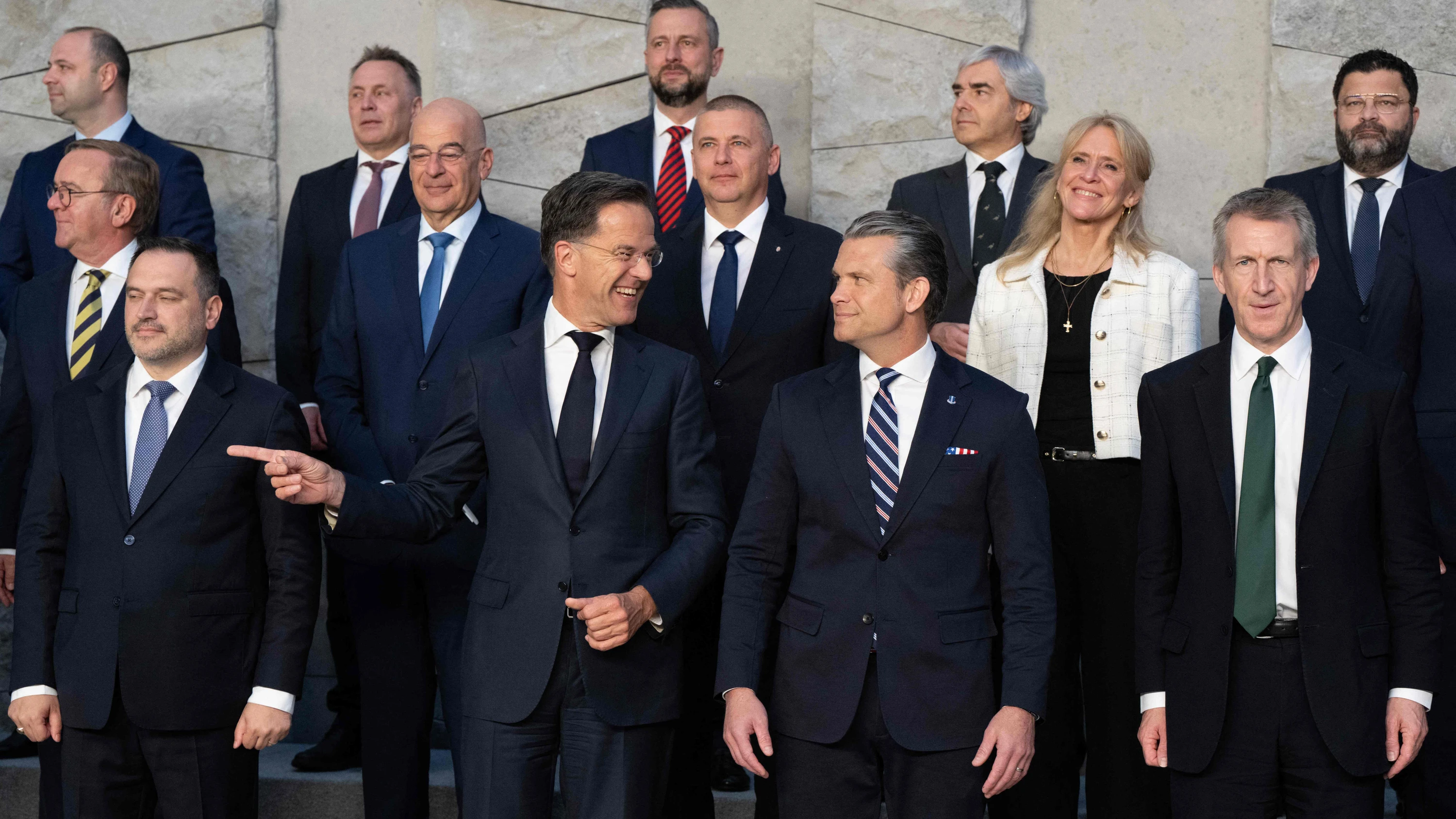
Streit beim NATO-Treffen: Hegseth spricht von weiterem Abzug, Pistorius fordert Absprachen Der US-Verteidigungsminister kündigt eine Überprüfung der Präsenz in Europa an. Pistorius warnt vor „gefährlichen Lücken.
faz · 3 months ago
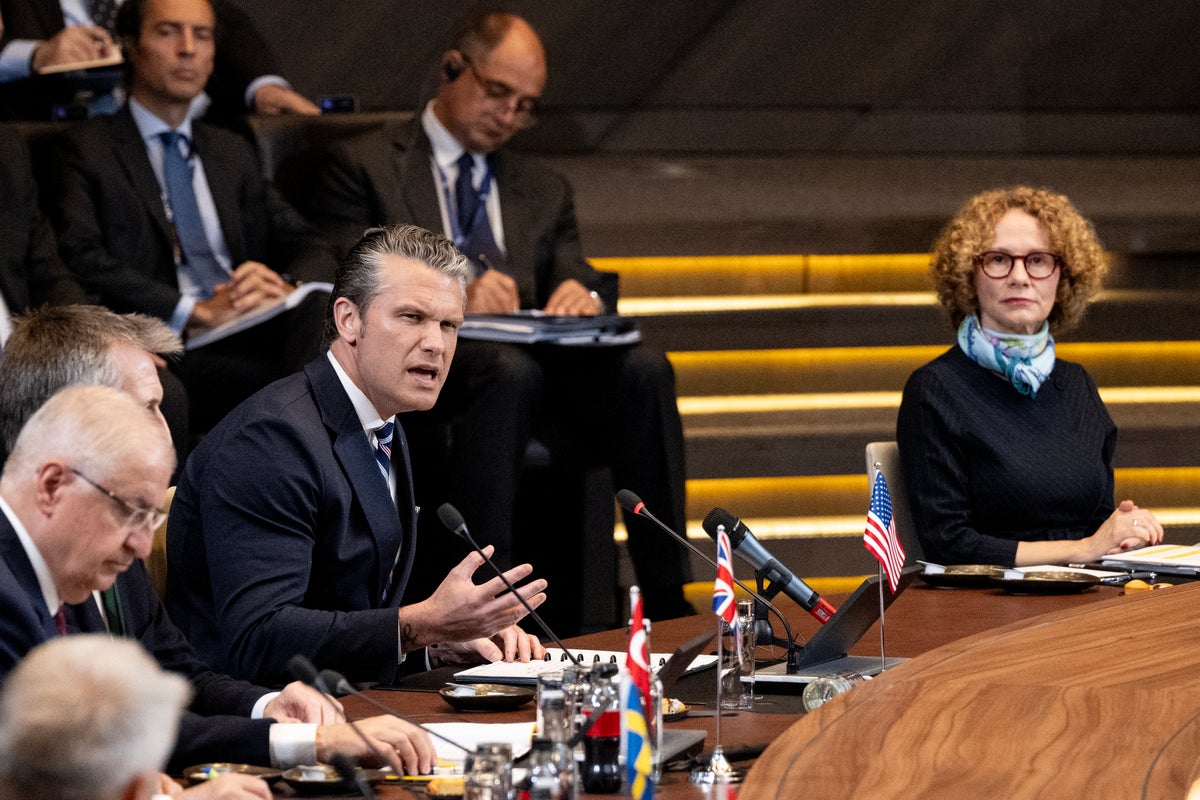
Trumps war secretary tears into UKs lack of defence plan as Dan Jarvis arrives at Nato summit empty-handed Pete Hegseth announces review of forces in Europe as he says era of other countries free riding US is over
independent · 3 months ago
Hegseth Criticises NATO Allies, Signals Review of US Forces in Europe
gdeltproject.org · 3 months ago
Hegseth orders six-month review of US troops in Europe
gdeltproject.org · 3 months ago
Hegseth blasts NATO, vows review of US forces in Europe
gdeltproject.org · 3 months ago
Hegseth lashes out at NATO allies, announces review of US forces in Europe
gdeltproject.org · 3 months ago
US To Review Europe Troops, Hegseth Blasts NATO Allies For Shameful Iran Stance
gdeltproject.org · 3 months ago
Secretary of War Pete Hegseth Just Tore Into NATO
gdeltproject.org · 3 months ago
Pentagon chief lashes out at NATO allies and announces a review of US forces in Europe
gdeltproject.org · 3 months ago
Hegseth: Pentagon to review US forces in Europe
gdeltproject.org · 3 months ago
KYIV POST: Hegseth Tells NATO US Will Review Force Presence in Europe US Defense Secretary Pete Hegseth said the Pentagon will review troop deployments in Europe within six months and warned allies that US support and NATO funding contributions could be cut if they fail to boost defense spending, amid tensions over Europes response to the Iran war. #Europe #World
mastodon bot · 3 months ago
US-Truppenabzug in Europa: Boris Pistorius fordert mehr Zeit für Umbau der Nato Drei Wochen vor dem Nato-Gipfel in der Türkei erhöht die US-Regierung den Druck und fordert eine Führungsrolle Europas. Pistorius warnt vor Gefahren für das Bündnis.
die zeit · 3 months ago

Hegseth Announces Review of U.S. Forces in Europe, Threatens NATO Cuts The defense secretary said the level of Washingtons contributions to the alliance budget would be contingent on European military spending.
wsj · 3 months ago
Hegseth lashes out against European NATO allies ahead of summit The US has announced it is going to cut down on NATO crisis forces and will be reviewing its presence in Europe as Secretary of Defense Pete Hegseth lashed out against European NATO allies. The United States is piling on the pressure ahead of a NATO summit in July as it seeks to make sure that allies make good on a pledge to massively ramp up defence spending. FRANCE 24s Dave Keating tells us more from Brussels.
france24 · 3 months ago
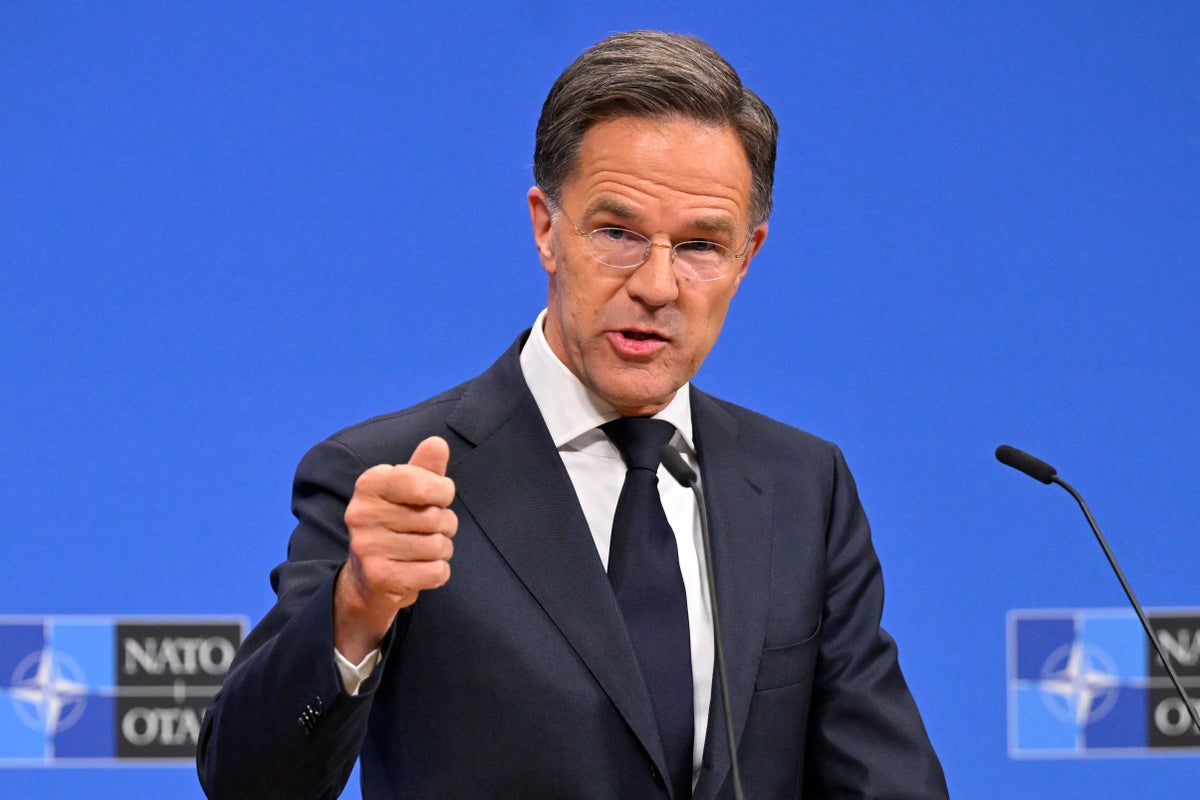
Natos Rutte refuses to criticise US over Hegseth attack on allies The US defence secretary has announced a review of US forces in Europe and called Nato a paper tiger
independent · 3 months ago
Hegseth blasts NATO allies, says U.S. will review forces in Europe
gdeltproject.org · 3 months ago
Pentagon chief announces review of US forces in Europe, slams NATO allies
gdeltproject.org · 3 months ago
Hegseth launches six-month review of US force posture in Europe The review will scrutinize troops, bases and access rights as Washington pressures allies to take the lead on Europes defense.
politico.eu · 3 months ago