
U.S. accelerates military drawdown in Europe, forcing NATO allies to boost defense spending
Story Timeline
4 months · 48 summary articles
The U.S. accelerates its military drawdown in Europe, forcing NATO allies to assume a greater defense burden as tensions with Russia escalate. Officials confirm the Pentagon will present concrete withdrawal plans within weeks, targeting the *NATO Force Model*—the alliance’s rapid-response framework—with no grace period for European members to adjust. The move, first reported by *Welt am Sonntag* and corroborated by *Econotimes*, follows Washington’s long-standing push for allies to meet the 2% GDP defense spending target, a demand now framed as urgent by U.S. commentators like Fox News host Pete Hegseth, who warned Europe to "raise defense spending or else" .
NATO’s 32 members will review the revised plans next month, according to *Econotimes*, with the Czech Republic already conceding it will miss the 2% target this year—a failure Czech Prime Minister Andrej Babiš attributed to domestic political constraints . The U.S. withdrawal, described by *Digi24* as a "high-risk" project for Europe, risks leaving gaps in the alliance’s eastern flank, particularly in Poland and the Baltics, where NATO has concentrated forces since Russia’s 2022 invasion of Ukraine.
Moscow has seized on the development, with Foreign Ministry spokeswoman Maria Zakharova calling the troop reduction "rational and long-overdue" but warning that any redeployment to Poland or neighboring states would provoke "military-technical measures" from Russia . The Kremlin’s mixed messaging—welcoming the drawdown while threatening retaliation—underscores the precarious balance NATO must strike as it reconfigures its posture.
Meanwhile, Japan is positioning itself as a counterweight to China’s military expansion, with Defense Minister Shinjiro Koizumi rejecting Beijing’s accusations of "new militarism." Koizumi framed Tokyo’s $14.7 million investment in NATO’s Ukraine defense program—a purchase of U.S. military equipment—as part of a broader strategy to deepen security cooperation across the Asia-Pacific, including joint training exercises with NATO forces . The move reflects Japan’s rapid shift under Prime Minister Sanae Takaichi, who has accelerated the country’s departure from its post-WWII pacifism, a pivot encouraged by Washington.
The developments mark a critical juncture for NATO, as the alliance grapples with internal divisions over burden-sharing, external threats from Russia, and the growing militarization of the Indo-Pacific. With the U.S. reducing its footprint, European members face a stark choice: increase defense spending and integration or risk leaving the continent’s security architecture vulnerable to Moscow’s ambitions. The upcoming NATO review will test whether the alliance can adapt—or fracture—under the pressure.
Follow us for live European news
- 1
- 1
- 1
- 1
- 1
2 further sources not geolocated
Articles

Japan defence minister rejects China accusations of new militarism Shinjiro Koizumi says Tokyo is pursuing security co-operation across Asia-Pacific region
financial times · 4 months ago
US Plans Faster Military Drawdown in Europe, NATO Allies Face Greater Defense Role
gdeltproject.org · 4 months ago
US to Accelerate Troop Withdrawal from Europe, NATO Allies to Review Plans Next Month
gdeltproject.org · 4 months ago
Russia calls US troop withdrawal from Europe rational, long-overdue Maria Zakharova told reporters in Moscow on Thursday that withdrawing American forces from Europe would represent a rational and long-overdue step toward stabilizing the continent, though she warned that redeployment to Poland or neighboring states would trigger necessary military-technical measures from Moscow.
yenisafak · 4 months ago
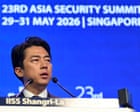
Japan defence minister rebuffs claims of new militarism levelled by China Shinjiro Koizumi says Japan valued as a peace-loving nation while China expands military capabilities without sufficient transparencyJapans defence minister took a veiled swipe at China on Sunday, pledging to keep strengthening the military despite Beijings criticism of Tokyos increasingly muscular security stance.Under the prime minister, Sanae Takaichi, Japan has quickened its pivot to a more proactive defence policy, further shaking off – with US encouragement – its pacifist outlook in place since the end of the second world war. Continue reading...
theguardian · 4 months ago
Japonia investește 14,7 milioane de dolari într-un efort pentru a echipa Ucraina și trimite soldați pentru a se antrena alături de NATO Japonia a achiziționat echipament militar american în valoare de peste 14 milioane de dolari, în cadrul unui program NATO menit să ajute Ucraina în eforturile sale de apărare împotriva războiului declanșat de Rusia.
digi24 · 4 months ago
Babiš claims pro-Trump advantage in defence spending miss Populist prime minister admits Czech Republic will miss Natos 2 target this year
financial times · 4 months ago
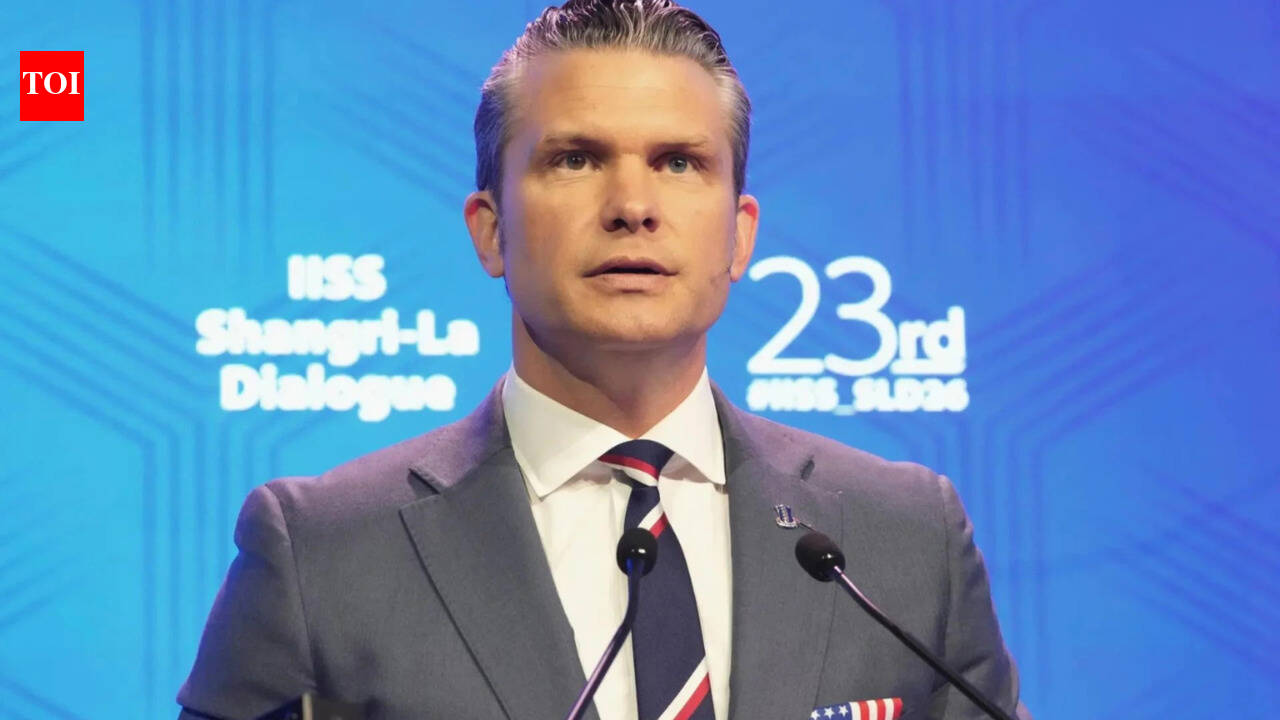
Raise defence spending or else , Hegseth tells NATO , Europe
gdelt bot · 4 months ago
Fără perioadă de grație: SUA vor să-și reducă rapid prezența militară în Europa. Este vizat în primul rând NATO Force Model Statele Unite intenționează să-și reducă prezența militară în Europa mai repede decât se credea până acum. În curând, Pentagonul va prezenta planuri concrete. Din perspectiva aliaților europeni, un proiect anume este deosebit de riscant și le lasă foarte puțin timp la dispoziție, potrivit publicației germane Welt am Sonntag.
digi24 · 4 months ago
HS:n tiedot | Ampumatarvikejätti Nammolta on mennyt satojen miljoonien eurojen vientikauppoja sivu suun Nammolta on mennyt vientikauppoja sivu suun, koska poliitikot ovat halunneet pitää Puolustusvoimien ammuslataamot omilla kannatusalueillaan. Puolustusteollisuudessa ratkaisua ei ymmärretä.
helsingin sanomat · 4 months ago