
U.S. warns NATO: Pentagon review may slash Europe troop deployments over spending
Story Timeline
4 months · 17 summary articles
U.S. Defense Secretary Pete Hegseth on Thursday launched a six-month Pentagon review of American military forces in Europe, warning NATO allies that Washington may reduce troop deployments and financial contributions if they fail to meet defense spending targets amid rising transatlantic tensions over Europe’s response to the Iran war.
Speaking at a NATO summit in Brussels, Hegseth accused European allies of “free riding” on U.S. security guarantees and condemned what he described as “shameful” restrictions imposed on American bases during the conflict in Iran. “The era of other countries taking a free ride on U.S. defense is over,” he told reporters . “Europe must take primary responsibility for its own security.”
The review, announced during a tense meeting with NATO defense ministers, will assess the future posture of U.S. forces across the continent, including deployments in Germany, Poland, and the Baltics. Hegseth emphasized that Washington’s continued support would be contingent on allies meeting the alliance’s long-standing target of spending 2% of GDP on defense—a benchmark many European members have yet to achieve. “NATO dues are not optional,” he said, framing the review as a direct response to what he called Europe’s inadequate burden-sharing .
The Pentagon chief’s remarks came as European leaders gathered in Brussels for a separate summit, where Ukrainian President Volodymyr Zelenskyy joined discussions on EU accession talks and peace negotiations with Russia. While the timing of Hegseth’s announcement appeared to overshadow the EU’s deliberations, diplomats noted that the two forums were addressing distinct but overlapping security challenges .
Reactions from European capitals were swift. Belgian Prime Minister Alexander De Croo defended his country’s defense contributions, while German Defense Minister Boris Pistorius acknowledged the need for greater European defense autonomy but warned that abrupt changes could destabilize regional security . Meanwhile, British officials faced criticism after their delegation arrived at the NATO summit without a clear defense plan, a point Hegseth seized upon in his remarks .
Analysts suggest the review reflects broader shifts in U.S. foreign policy under the current administration, which has prioritized Indo-Pacific security while demanding greater burden-sharing from European allies. The outcome of the six-month assessment could reshape NATO’s military footprint in Europe and test the alliance’s cohesion in an era of heightened geopolitical rivalry.
Follow us for live European news
- 3
- 1
- 1
2 further sources not geolocated
Articles

#Russia #France #USA Macron described Trumps approach to Russia as a "moment of strategic awakening," indicating a significant shift in European defense and security dynamics. This reflects the need for Europe to adapt to changes in American foreign policy under Trumps leadership. During the G7 summit in Evian, France, US President Donald Trump called on the Kremlin to negotiate an end to the war, and subsequently signed a joint final declaration of the participating countries, which outlined new sanctions against the Russian oil and gas sector. He also supported the decision to continue supplying Ukraine with long-range weapons and air defense systems. French President Emmanuel Macron, who hosted the meeting, subsequently declared the summit a "moment of strategic awakening": the G7 countries agreed that pressure on Moscow should be increased to force it to negotiate. Subscribe to @OSINTdefender Chat room
telegram bot · 3 months ago
#EU #USA U.S. Secretary of Defense Pete Hegseth criticized European NATO allies for not taking enough responsibility for their own security, suggesting they have been "free riding" on U.S. military support. He emphasized the need for Europe to step up its defense spending and capabilities to ensure collective security within NATO. Subscribe to @OSINTdefender Chat room
telegram bot · 3 months ago
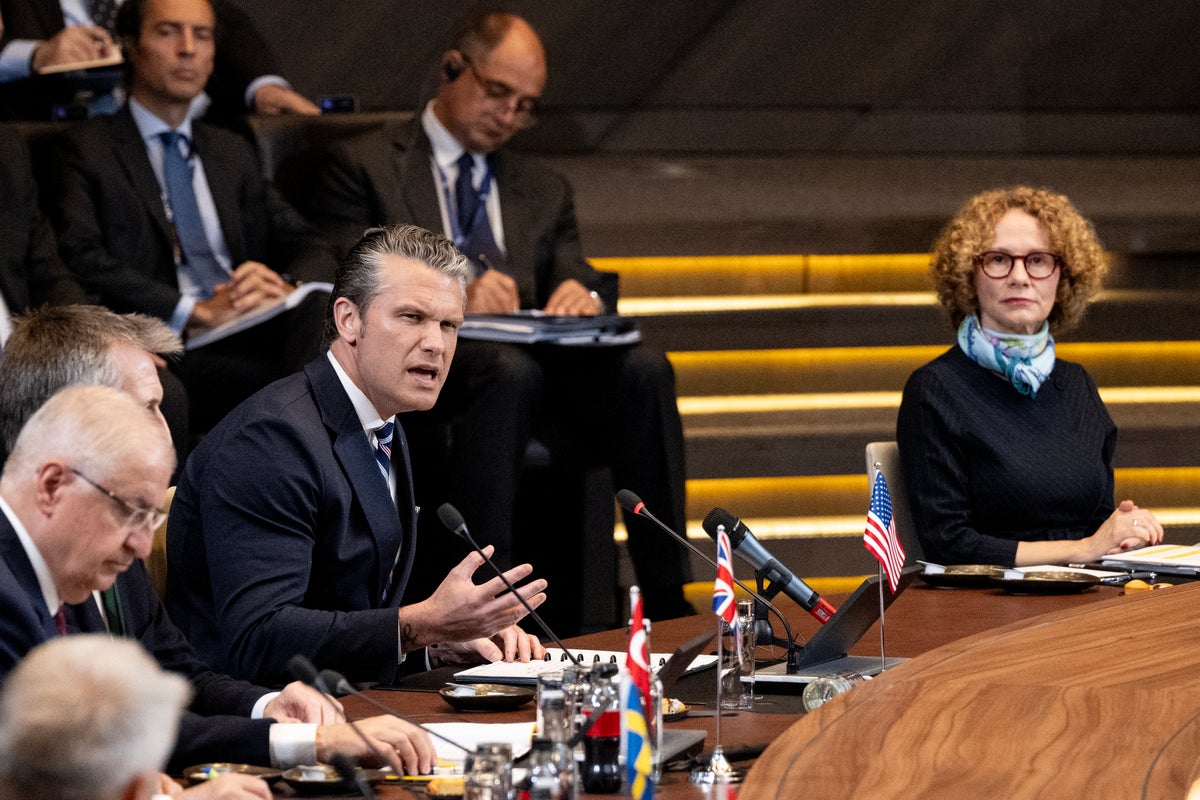
Trumps war secretary tears into UKs lack of defence plan as Dan Jarvis arrives at Nato summit empty-handed Pete Hegseth announces review of forces in Europe as he says era of other countries free riding US is over
independent · 3 months ago
Hegseth renews Nato criticism and says US will review presence in Europe
gdeltproject.org · 3 months ago
Hegseth Tells NATO US Will Review Force Presence in Europe
gdeltproject.org · 3 months ago
Hegseth announces six-month Pentagon review of US forces in Europe, berates NATO allies
gdeltproject.org · 3 months ago
Hegseth blasts NATO allies, says US will review forces in Europe
gdeltproject.org · 3 months ago
US To Review Europe Troops, Hegseth Blasts NATO Allies For Shameful Iran Stance
gdeltproject.org · 3 months ago
Secretary of War Pete Hegseth Just Tore Into NATO
gdeltproject.org · 3 months ago
Pentagon chief lashes out at NATO allies and announces a review of US forces in Europe
gdeltproject.org · 3 months ago
Hegseth: Pentagon to review US forces in Europe
gdeltproject.org · 3 months ago
As Hungarys new leader joins EU summit, sidelined Orbán meets with far-right allies in Brussels
gdeltproject.org · 3 months ago
Press release - Europe for Culture, Culture for Europe: European institutions commit to placing culture at the heart of EU policy The Presidents of the European Parliament, Council and Commission set out their shared political commitment to protecting, promoting and supporting culture in Europe. Source : © European Union, 2026 - EP
european parlament · 3 months ago
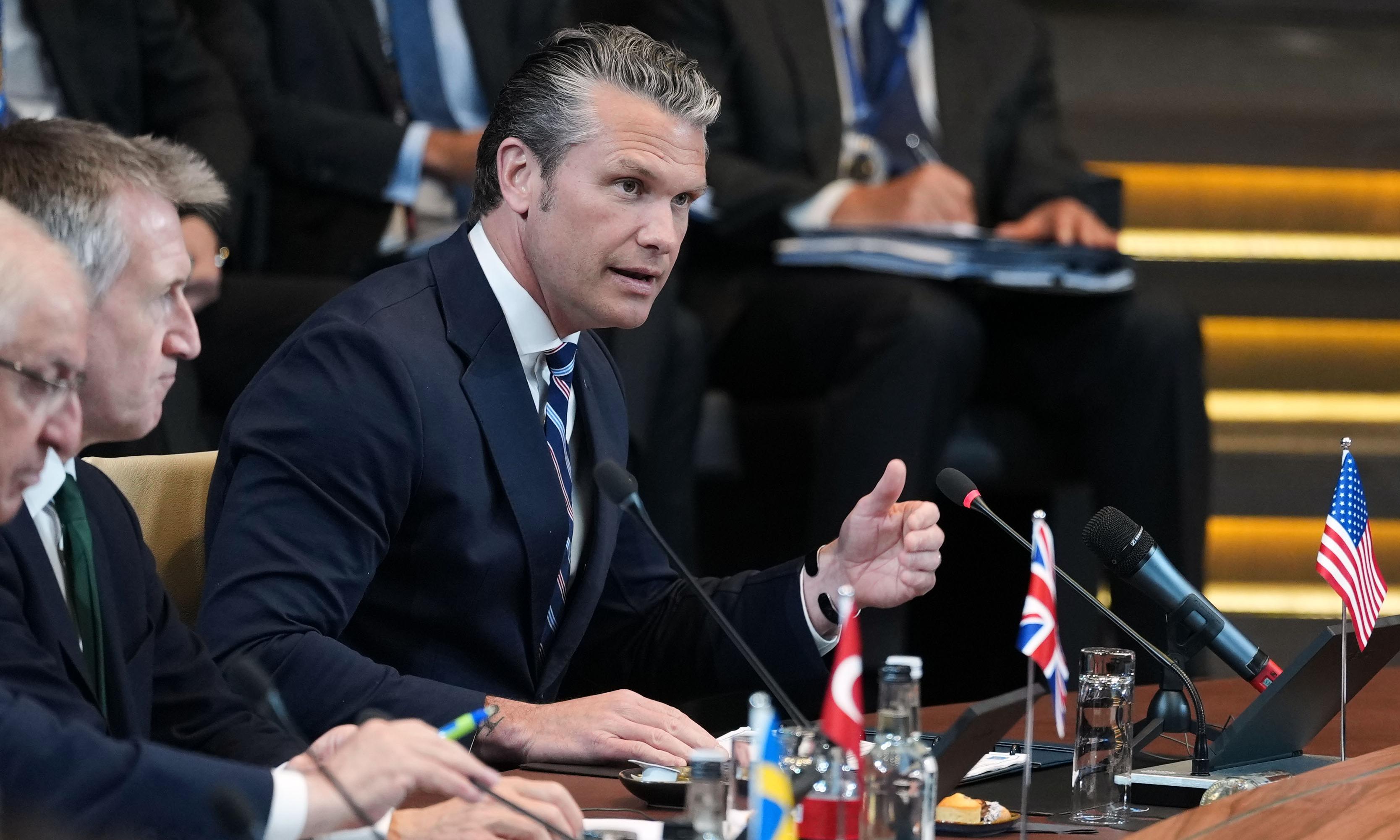
Hegseth Criticises NATO Allies , Signals Review of US Forces in Europe
gdelt bot · 3 months ago
Pentagon chief announces NATO 3.0 review of US force posture in Europe US Defense Secretary Pete Hegseth launched a six-month review of American military forces in Europe, urging allies to take "primary responsibility" for continental defense. He warned that US "NATO dues" would be contingent on allies meeting spending targets, criticized "free riding," and condemned European restrictions on US bases during the Iran war as "shameful."
yenisafak · 3 months ago
KYIV POST: Hegseth Tells NATO US Will Review Force Presence in Europe US Defense Secretary Pete Hegseth said the Pentagon will review troop deployments in Europe within six months and warned allies that US support and NATO funding contributions could be cut if they fail to boost defense spending, amid tensions over Europes response to the Iran war. #Europe #World
mastodon bot · 3 months ago
Hegseth blasts NATO allies, says US will review forces in Europe
gdeltproject.org · 3 months ago
Hegseth lashes out at NATO allies, announces review of US forces in Europe
gdeltproject.org · 3 months ago