Loading…
 Wednesday, September 2Wednesday, September 2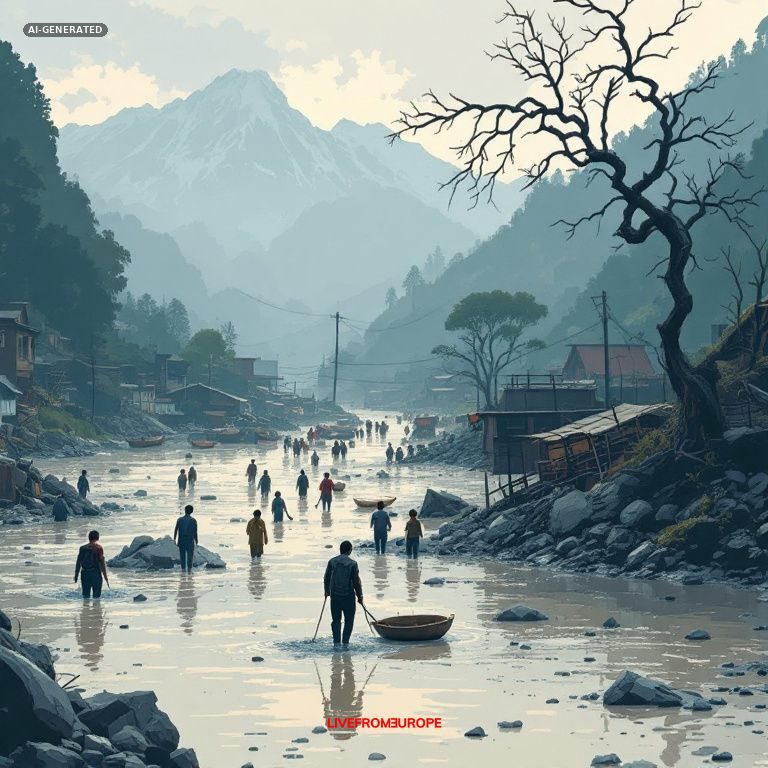
7 days · 11 summary articles
Hopes of finding survivors dimmed on Wednesday, a week after a glacier collapse in the Himalayas triggered catastrophic flash floods that devastated Nepal and parts of China’s Tibet region. Authorities reported at least 1,127 deaths in Nepal alone, with nearly 4,500 people still missing, according to police and government statements .
China’s state media reported 16 deaths and 546 missing in Tibet, where rescue crews completed a makeshift road to the disaster site at Gyirong Port on the Nepal border, allowing heavy machinery to access the washed-away border crossing .
Nepal’s Foreign Ministry said 324 foreign nationals had been rescued, while about 590 from 39 countries remained missing. Australian Prime Minister Anthony Albanese confirmed that five Australians previously unaccounted for had been found safe, reducing the number of missing Australians from 43 to 38 .
Of the bodies recovered in Nepal, only 95 had been handed over to families by Wednesday morning, as most remains were unidentifiable, with rescuers often finding only bone fragments. Authorities stated that DNA analysis could later identify all recovered remains, aiding families in burial rites .
The World Health Organization warned of disease outbreaks in the affected areas, citing the risk of infectious diseases spreading due to displaced populations living in cramped conditions, flooding, and stagnant water .
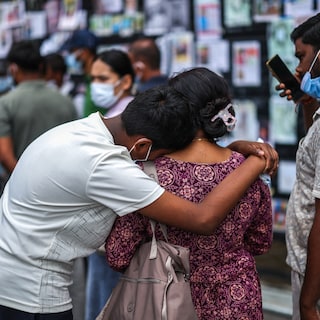
Nepali families began holding symbolic funeral ceremonies to "liberate the souls" of missing loved ones, with some relatives losing hope after days of searching shelters and mortuaries. Dolma Newar Tamang, whose husband disappeared en route to China, told AFP, “We had to do this to set his soul free, so that he is at peace and happy wherever he is” .
Rescue teams continued searching tunnels of hydropower plants, where survivors might still be trapped. Nepal’s Foreign Minister Shisir Khanal said he still hoped some of the missing could be alive, stating, “Miracles do happen. At this point, I do not want to completely give up hope” .
Nepal’s Prime Minister Balendra Shah linked the disaster to climate change, calling it “a serious indication that the risks we face in the Himalayan region are increasing alongside climate change” and emphasizing that “disaster response is also a global responsibility” .
Satellite images published in *Nature* revealed accelerated movement of a glacier-rock mass days before its collapse, which triggered the deadly flash flood .
Follow us for live European news
5 further sources not geolocated

Hopes of finding survivors dim a week after catastrophic Nepal flood reut.rs/3SHBAQ8
bluesky_Reuters · about 14 hours ago

70 tisíc tun asfaltu a 900 metrů denně. Obchvat u Češnovic finišuje, řidiči budou muset zpomalit Silničáři v úterý začali pokládat finální vrstvu vozovky na novém obchvatu Češnovic a Dasného na Českobudějovicku. Stavba je součástí hlavního tahu z Plzně do Českých Budějovic. Řidiči začnou po nové komunikaci jezdit už 3. října, v provozu bude zatím pouze jeden pruh. „Na úsek o délce jednoho kilometru spotřebujeme přibližně 1000 tun, říká stavbyvedoucí Luděk Zemen.
irozhlas.cz · about 14 hours ago
Mass burials of unidentified victims continue in Nepal as death toll exceeds 1,000 one week after flash floods Many were outraged and expressed their disapproval after the government revealed it intended to carry out mass temporary burials of the deceased. Nepals largely Hindu community objected to the measure which they say goes against religious traditions.
euronews · about 14 hours ago
Hopes of finding survivors dim a week after catastrophic Nepal flood Hopes of finding more survivors among the thousands still missing in Nepal were fading, authorities said on Wednesday, a week after a glacier collapse in the Himalayas unleashed flash floods that devastated the mountainous nation. At least 1,114 people have been killed and nearly 4,000 remain unaccounted for, with officials fearing many are buried under […]
cyprus mail · about 14 hours ago

Nepal flood death toll rises to 1,127
news.yahoo.com · about 14 hours ago
Berlin / Brandenburg: Himalaya: Zahl der Sturzflut-Toten steigt auf mehr als 1.000 Himalaya: Zahl der Sturzflut-Toten steigt auf mehr als 1.000
tagesspiegel · about 14 hours ago

Nepal-China border floods death toll reaches 1,130 The death toll from devastating flash floods and mudslides along the China-Nepal border has climbed to 1,130 with nearly 4,500 people still missing, as authorities in both countries continued large-scale rescue operations amid widespread devastation.
yenisafak · about 14 hours ago
Massegraver for uidentifiserte flomofre i Nepal Nepalsk politi har begynt å begrave uidentifiserte ofre etter flomkatastrofen i midlertidige massegraver i Katmandu.
aftenposten · about 14 hours ago
Záchrana přeživších, pátrání po mrtvých. Nepál používá v terénu drony, chybí mu ale těžká technika Přes tisíc mrtvých a další tisíce pohřešovaných. V Nepálu pokračuje pátrání po lidech uvězněných v tunelech a šachtách vodních elektráren, které minulý týden zasáhla ničivá povodňová vlna. Záchranářům ale chybí těžká technika a práci jim komplikují velmi špatné podmínky pod zemí. Pomáhají jim proto i drony.
irozhlas.cz · about 14 hours ago
Live - Dodentol in Nepal loopt op tot 1.114, ook nog 3.916 mensen vermist
de morgen · about 14 hours ago
Bilanțul autostrăzilor construite prin PNRR: Ce se întâmplă cu proiectele întârziate şi cât va plăti România pentru ele A7 Bacău–Paşcani şi A1 Margina–Holdea au ratat termenul-limită al PNRR, dar şantierele nu se opresc. O parte dintre lucrări va fi plătită din bugetul de stat, iar pentru altele autorităţile încearcă să găsească finanţare europeană prin programele clasice. România pierde însă avantajul finanţării ieftine din PNRR. În paralel, Ministerul Transporturilor estimează că până la sfârşitul lui 2026 ar putea fi deschişi circa 250 de kilometri de autostrăzi şi drumuri expres.
digi24 · about 14 hours ago
600 de locuințe pentru tineri și o cale ferată strategică, în impas: șantierele deschise în PNRR au rămas fără finanțare România trage linie în dreptul reformelor cu bani europeni. Chiar dacă țara noastră a reușit să se modernizeze, a și pierdut milioane de euro. Multe proiecte nu au fost finalizate la timp, așa că acum autoritățile sunt nevoite să găsească alte surse de finanțare. Este și cazul a 600 de locuințe pentru tineri, care urmau să fie date în folosință în Gorj, dar și a tronsonului de cale ferată dintre Episcopia Bihor și Cluj-Napoca, rută pe care nu se mai circulă de trei ani.
digi24 · about 14 hours ago
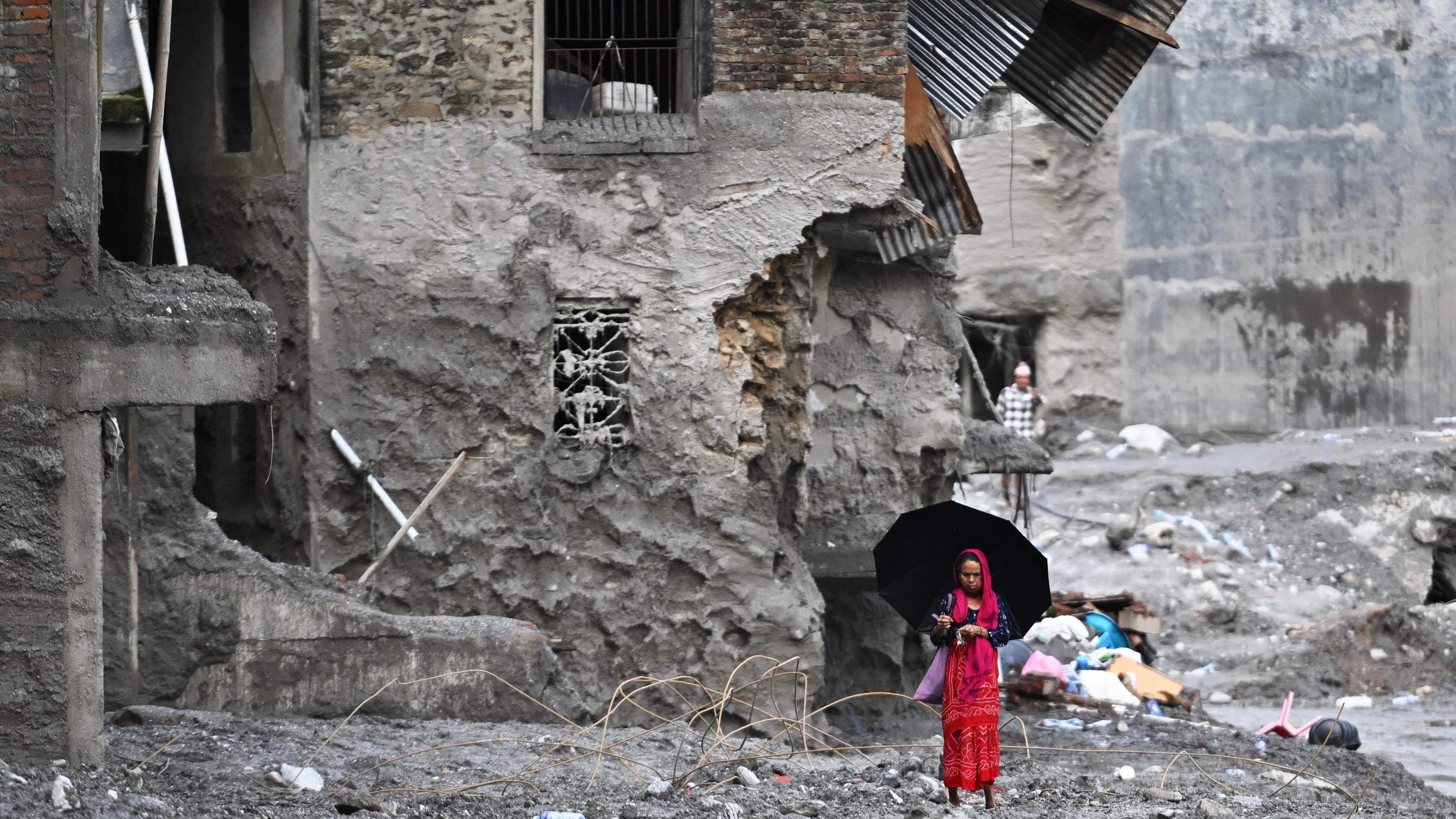
Verheerende Sturzflut: Zahl der Todesopfer im Himalaja steigt auf 1127 Die nepalesische Polizei meldet 1127 bestätigte Tote allein in Nepal. Noch immer werden tausende Menschen vermisst. Experten warnen vor dem Ausbruch gefährlicher Krankheiten.
faz · about 14 hours ago

Nepali families hold symbolic funeral ceremonies to "liberate the souls" of loved ones missing since deadly floods swept away their villages and homes in the Himalayan region a week ago. Emergency teams have recovered more than 1,000 bodies, and nearly 4,500 people remain missing u.afp.com/SVuk
bluesky_AFP English · about 14 hours ago
Sturzflut im Himalaya: Zahl der Toten nach Sturzflut in Nepal steigt auf rund 1.130 Nach der Sturzflut im Himalaya sind inzwischen mehr als 1.130 Tote zu beklagen. Viele Leichen bleiben bisher unidentifiziert, die Suche nach Vermissten geht weiter.
die zeit · about 15 hours ago

Families hold funerals for missing in Nepal as death toll tops 1,100 A week on from the colossal disaster, Nepali rescuers remained hopeful about finding survivors.
thejournal · about 15 hours ago
Nepal nach dem Himalaja-Tsunami: "Innerhalb von sieben Minuten kam alles runter" Nach der Sturzflut in Nepal steigt die Opferzahl auf über 1000 Tote. Immer noch sind viele Regionen gar nicht erreichbar. Nepalis versuchen, mit aller Mühe zu den Überlebenden vorzudringen
der standard · about 15 hours ago
Cât au îndeplinit statele UE din PNRR și ce urmează după 31 august. România este în zona de mijloc a clasamentului Termenul-limită pentru implementarea Planurilor Naționale de Redresare și Reziliență a expirat la 31 august 2026, dar statele mai pot depune până la 30 septembrie ultimele cereri de plată, iar CE va continua evaluarea și autorizarea plăților până la sfârșitul anului
adevarul · about 15 hours ago
Some missing tourists make contact as Nepal flood death toll tops 1,100 Some tourists previously reported missing in Nepal have made contact with authorities, officials said Wednesday, as search efforts continued following catastrophic floods that killed at least 1,118 people…
japantoday · about 15 hours ago

One hiker remains missing in flood-stricken Grand Canyon reut.rs/3Url1Zu
bluesky_Reuters · about 15 hours ago
Frana sul Monviso, disperso un escursionista Segnalato il mancato rientro di uno straniero al Rifugio Quintino Sella. Continuano le temperature sopra la media
il sole 24 ore · about 15 hours ago
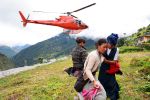
Sturzflut in Nepal: Zahl der Toten steigt auf 1.127 Nach der Sturzflut im Himalaya erhöht sich die Zahl der Todesopfer in Nepal weiter. Viele Leichen bleiben bisher unidentifiziert, die Suche nach Vermissten geht weiter
der standard · about 15 hours ago

LIVE: Nepal after deadly flash flood Rescue efforts continue after a huge wall of mud and rock collapsed into a river on the Himalayan border between Nepal and Chinas Tibet last week, triggering severe flooding on the Nepali side. www.youtube.com/watch?v=kFsN...
bluesky_Reuters · about 15 hours ago
Beliebte ARD-Doku: Bergwacht im Rampenlicht – Fans, Geschenke und Bewerbungen Schneesturm, Gletscherspalten, Felswände: Die ARD-Bergwacht-Doku zeigt packende Einsätze - und hat die ehrenamtlichen Retter plötzlich zu Stars gemacht. Warum sich die Retter nicht als Helden sehen.
tagesspiegel · about 15 hours ago
Marile viaducte de pe Autostrada Transilvania, tot mai aproape de final. Alți 30 de kilometri între Cluj și Zalău așteptați în 2026 Lucrările se apropie de final pe cele mai spectaculoase viaducte construite pa Autostrada Transilvania. Odată cu realizarea lor, așteptată în 2026 alți 30 de kilometri din autostrada construită în nord-vestul României vor fi deschiși traficului.
adevarul · about 15 hours ago
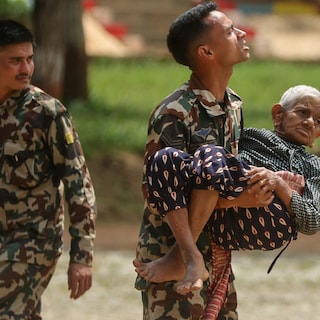
Dodental Nepal en Tibet week na overstroming boven de 1100
trouw · about 15 hours ago
Scammers use Nepal tragedy, says Latvian State Police The State Police have received reports of incidents in which fraudsters have attempted to swindle money from the relatives of Latvians who have gone missing in Nepal, police said on September 1.
lsm latvia · about 15 hours ago
Satellite images before Nepal disaster showed warning signs Nature, Published online: 02 September 2026; doi:10.1038/d41586-026-02746-4Images revealed the accelerated movement of a glacier–rock mass just days before it collapsed, triggering a deadly flash flood.
nature.com · about 15 hours ago

British man is rescued alive nearly a week after Nepal flood disaster Nepali rescuers have rescued a British man nearly a week after devastating flash floods tore through the country and killed over 1,000 people, authorities said.
dailymail · about 15 hours ago
Nepal floods: Mounting death toll and concern for women and girls Continue reading Nepal floods: Mounting death toll and concern for women and girls at The European Sting - Critical News & Insights on European Politics, Economy, Foreign Affairs, Business & Technology - europeansting.com.
european sting · about 15 hours ago