Israeli caretaker Prime Minister Benjamin Netanyahu on Saturday appealed to opposition leader Gadi Eisenkot to form a national unity government, an offer Eisenkot dismissed as political "tricks."
The exchange came as Eisenkot, tapped on Sunday to form a government, negotiates a coalition. Netanyahu said a Thursday meeting "only strengthened the conviction that it is essential to form a national unity government" to guarantee Israel's security. He said such a government could "eliminate the Iranian threat once and for all," claiming Iran would "not hesitate to use nuclear weapons against us."
Netanyahu proposed a government of parties recognizing Israel "as a state for the Jewish people," excluding Arab parties. He warned against Eisenkot's plan for a minority "national emergency government." Such a plan would see 48 lawmakers in Eisenkot's bloc vote for his government against 46 Netanyahu backers. The 26 other members of parliament, from Arab and ultra-Orthodox parties, could abstain, allowing the government to be approved without an absolute majority in the 120-seat Knesset.
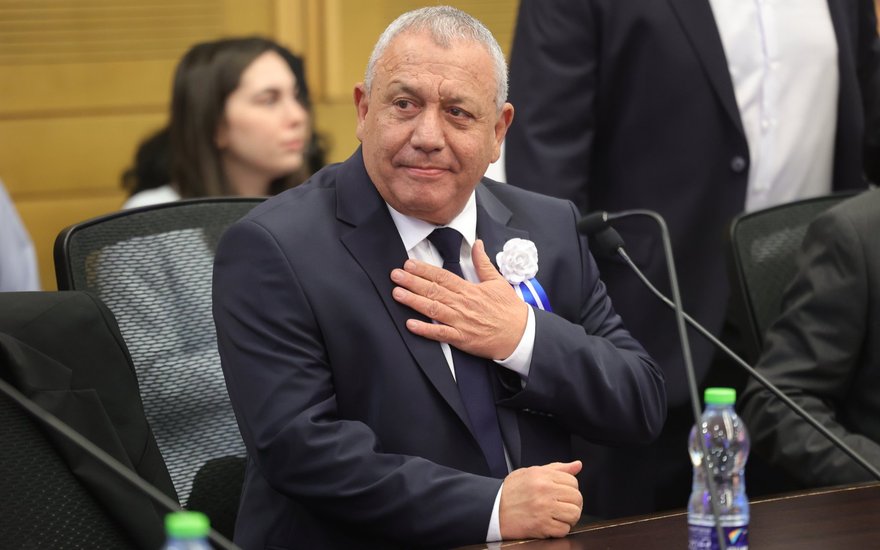
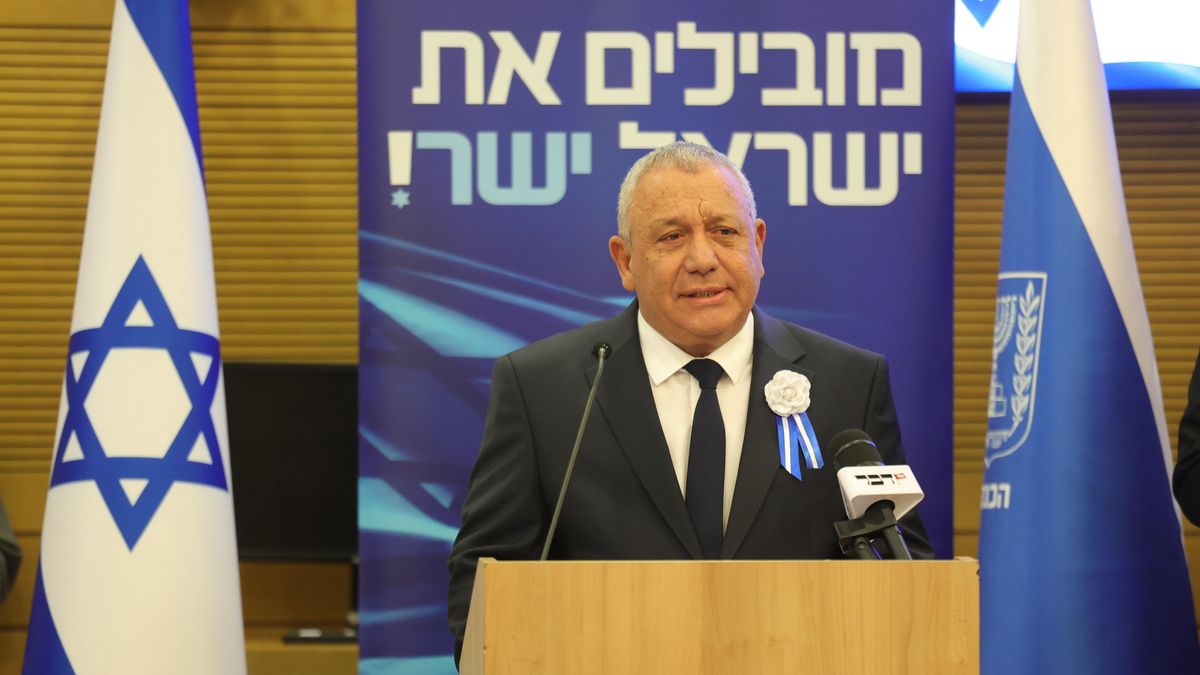
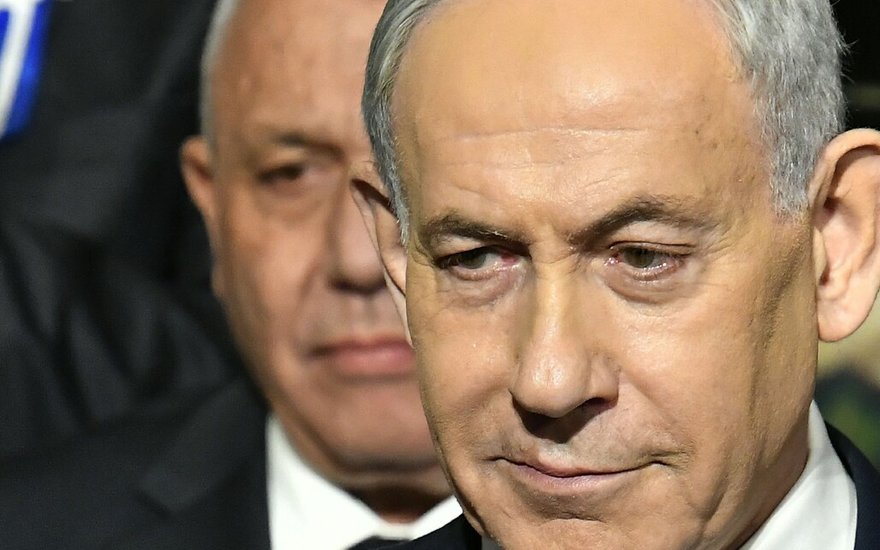
"Instead of trying to form a weak and dangerous government... let's meet in one room, without preconditions, put aside all our disagreements and all the boycotts," Netanyahu urged. Minutes later, Eisenkot responded that Netanyahu "knows he lost the election," accusing him of playing "tricks." "Netanyahu is calling for negotiations while they are already underway; he claims to want unity but... sows division and stokes tensions as if there were no tomorrow," the former army chief said.
Eisenkot was tapped on Sunday to form a new government within 28 days, with a possible 14-day extension. He has indicated openness to forming a government with members of Netanyahu's Likud party and outgoing Finance Minister Bezalel Smotrich's Religious Zionism, provided their commitment to unity is "sincere." Eisenkot denounced Netanyahu's "racist" campaign against Arab parties on Friday.
Eisenkot reiterated calls for a "break with the extremists," notably supporters of far-right minister Itamar Ben Gvir, as a condition for participation in a government under his leadership. Another point of contention is Tuesday's election of the Knesset speaker, currently held by Amir Ohana, a close Netanyahu ally. The opposition has put forward Matan Kahana, a former army officer, to replace him. "If they are truly seeking a sincere political partnership... they must allow the democratic process to unfold normally... and instruct their members of parliament to support the appointment of Matan Kahana," Eisenkot said.