Loading…
 Saturday, August 29Saturday, August 29
3 months · 19 summary articles
NATO leaders gathering in Ankara on Monday for a two-day summit face their most critical test since the Cold War, as transatlantic tensions over burden-sharing and U.S. commitment threaten to overshadow urgent security challenges from Ukraine to the Middle East. The gathering, which begins Tuesday, comes as Washington and Ankara edge closer to a potential breakthrough on Turkey’s long-suspended F-35 fighter jet program, while European allies scramble to fill the void left by Washington’s shifting defense posture.
NATO Secretary General Mark Rutte on Sunday hailed a “historic” €70 billion ($80 billion) annual aid package for Ukraine agreed by alliance leaders, with similar commitments penciled in for 2027 . The pledge, confirmed by French President Emmanuel Macron’s office, marks a rare moment of unity as Kyiv intensifies calls for urgent Patriot interceptor supplies amid escalating Russian missile strikes . “The challenge of the summit will be for Europeans to take greater responsibility for their own security,” Macron’s office stated, underscoring the bloc’s push for strategic autonomy amid U.S. retrenchment.
Yet the summit’s cohesion remains fragile. U.S. President Donald Trump, who spoke to both Russian President Vladimir Putin and Ukrainian President Volodymyr Zelensky ahead of the talks , has repeatedly questioned NATO’s value, demanding “loyalty” from allies who he claims exploit American largesse. His administration notified Congress on Friday of plans to approve a €613 million sale of U.S. jet engines to Turkey for its domestically developed KAAN fighter, a move seen as a conciliatory gesture to President Recep Tayyip Erdoğan . The deal could pave the way for Ankara’s eventual return to the F-35 program, from which it was ejected in 2019 after purchasing Russia’s S-400 missile system—a move Washington deemed incompatible with NATO’s stealth technology .
Erdoğan, who will host the summit in Ankara for the first time since 2004, has positioned Turkey as a linchpin of NATO’s future, warning that the alliance’s outdated security policies are failing to address modern threats from cyber warfare to climate change . “The Euro-Atlantic security is at a historic turning point,” Erdoğan told NATO parliamentary speakers on Monday, citing “chaos instead of order” and “predictability decreasing” across the bloc’s eastern and southeastern borders .
The summit’s agenda reflects this turbulence. European Commission President Ursula von der Leyen is expected to unveil plans for a €17 billion increase in Italian defense spending by 2028, while Sweden’s Prime Minister Ulf Kristersson described the gathering as taking place “at a turbulent time” for global security . Analysts warn that the alliance’s survival may hinge on whether it can transition from a U.S.-centric model to a more European-led structure. “There’s no going back to the old Atlantic Alliance,” said Jamie Shea, a former NATO deputy secretary-general. “NATO cannot be built around a central U.S. conventional and nuclear presence in Europe as in the past” .
As leaders convene, the specter of a single miscalculation looms large. A report in *London Business News* cautioned that escalatory risks—from Russia’s war in Ukraine to tensions over a potential U.S.-Iran deal—could pull NATO into its “gravest crisis” . With Trump’s unpredictability and Erdoğan’s regional ambitions adding to the volatility, the Ankara summit may well determine whether NATO emerges stronger—or fractures under the weight of its divisions.
Follow us for live European news
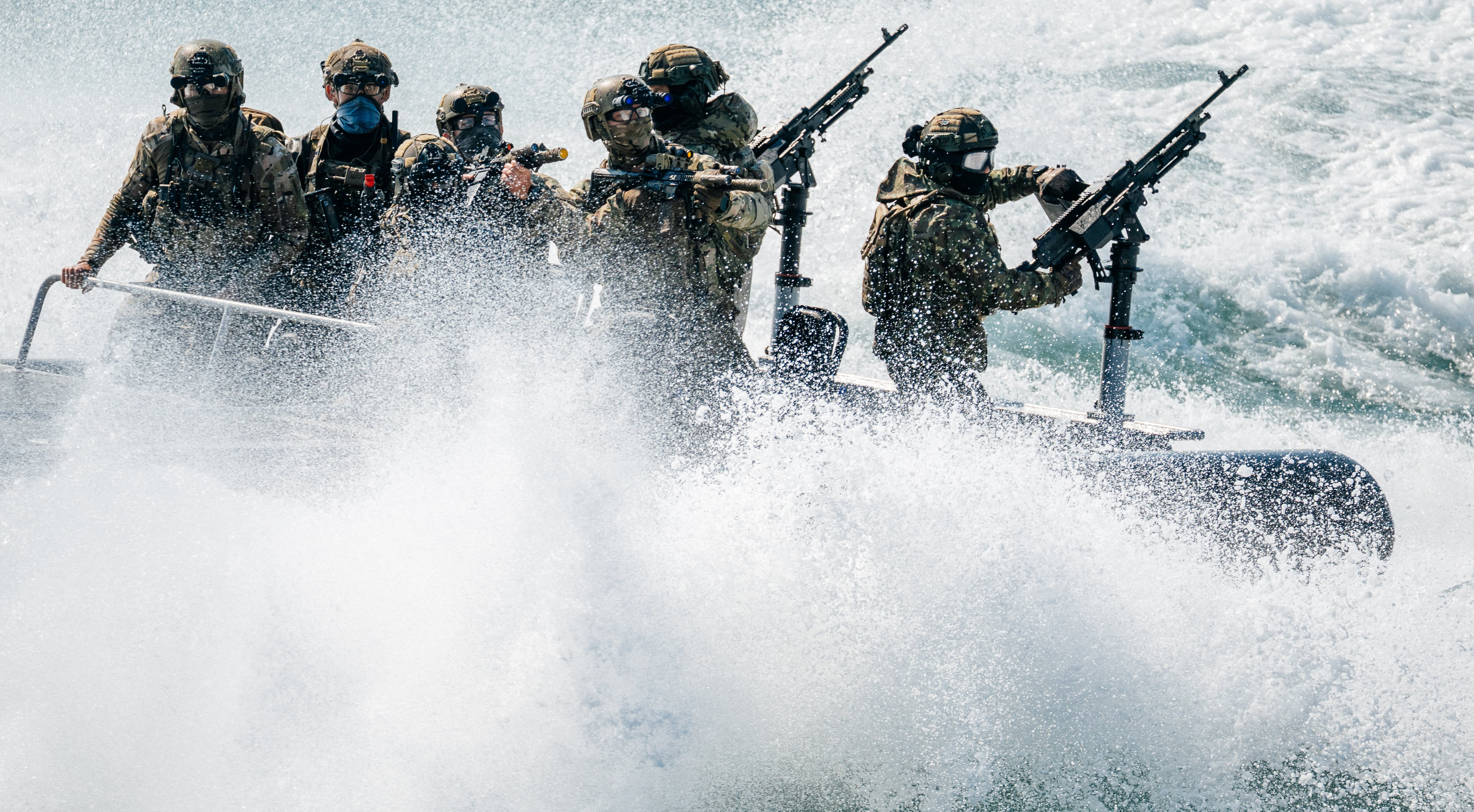
With NATO under pressure, Europe undertakes its biggest rearmament since the Cold War Doubts about Donald Trumps commitment to the military alliance and the Russian threat are pushing the continent to embrace a new era of defense
elpais · about 2 months ago

Former NATO chief proudest of Sweden, Finland accession Former NATO Secretary General Jens Stoltenberg has told Anadolu that Sweden and Finlands entry into the alliance was the decision he is most proud of during his decade‑long tenure. He thanked President Erdoğan for his cooperation and said his main expectation for the Ankara summit is to demonstrate unity.
yenisafak · about 2 months ago
Belgian defense minister: NATO needs Türkiye, praises Turkish tech Belgian Defense Minister Theo Francken has told Anadolu that Türkiye is a very important ally and should be included in Europes defense programs. He praised Turkish technology, said Europe can learn a lot from Ankara, and stressed that unity is essential ahead of the NATO summit.
yenisafak · about 2 months ago
Germanys Merz rejects Trumps NATO burden-sharing criticism Chancellor Friedrich Merz has pushed back against President Trumps claims that Germany is not contributing enough to NATO defense. Merz said Germany is doubling its defense budget within four years and making its largest-ever military investment, insisting we have nothing to be ashamed of.
yenisafak · about 2 months ago
Merz tells Trump Germany ready for more NATO responsibility Chancellor Friedrich Merz told President Donald Trump that Germany is prepared to take on greater responsibility for European security, as NATO becomes more European to remain transatlantic. The two leaders agreed to continue discussions at next weeks Ankara summit.
yenisafak · about 2 months ago
Polish FM: NATO summit will signal unity to Putin Polish Foreign Minister Radosław Sikorski has said the upcoming NATO summit in Ankara will demonstrate Western unity to President Putin, warning Moscow against staging a false-flag provocation against Poland or another alliance member.
yenisafak · about 2 months ago
France says NATO summit to focus on European security, Ukraine support The Élysée Palace has announced that the upcoming NATO summit in Ankara will centre on European security, support for Ukraine, and the realignment of US-European efforts. A bilateral meeting between President Macron and President Erdoğan is expected on the sidelines.
yenisafak · about 2 months ago
Türkiye central to NATOs future security, says former German general Retired Brigadier General Klaus Wittmann has told Anadolu that Türkiye is the solid cornerstone of NATOs southeastern defence and a key Black Sea power. He said the Ankara summit will focus on military aid for Ukraine and increased defence spending, and downplayed the likelihood of US withdrawal from NATO.
yenisafak · about 2 months ago
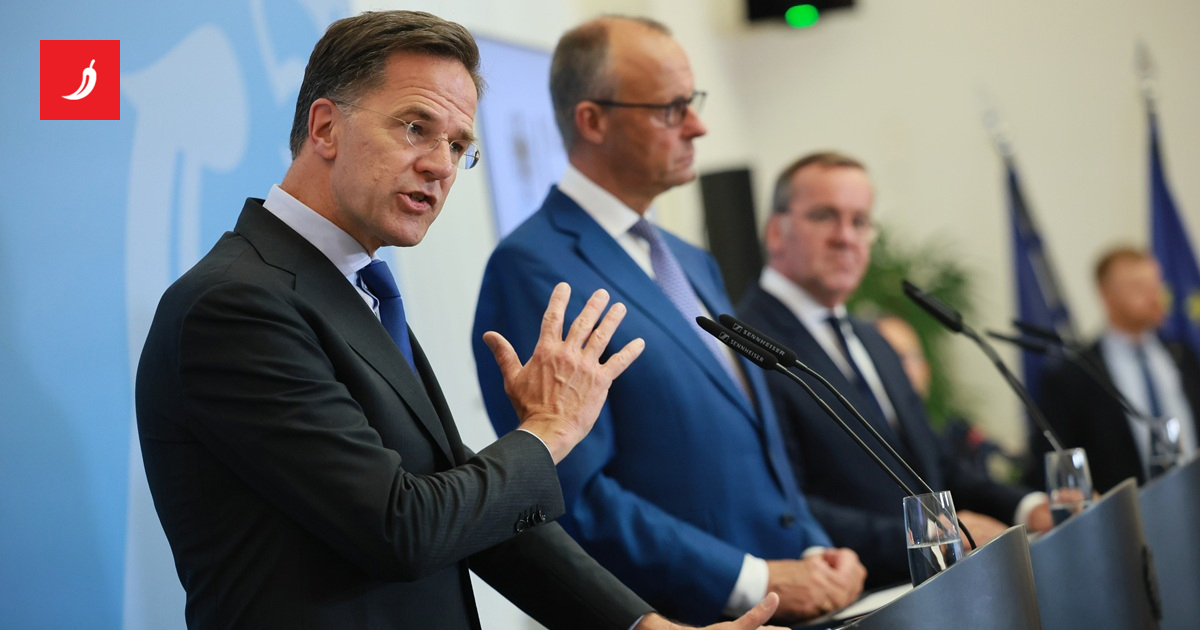
Čelnici NATO - a sastaju se idući tjedan
gdelt bot · about 2 months ago
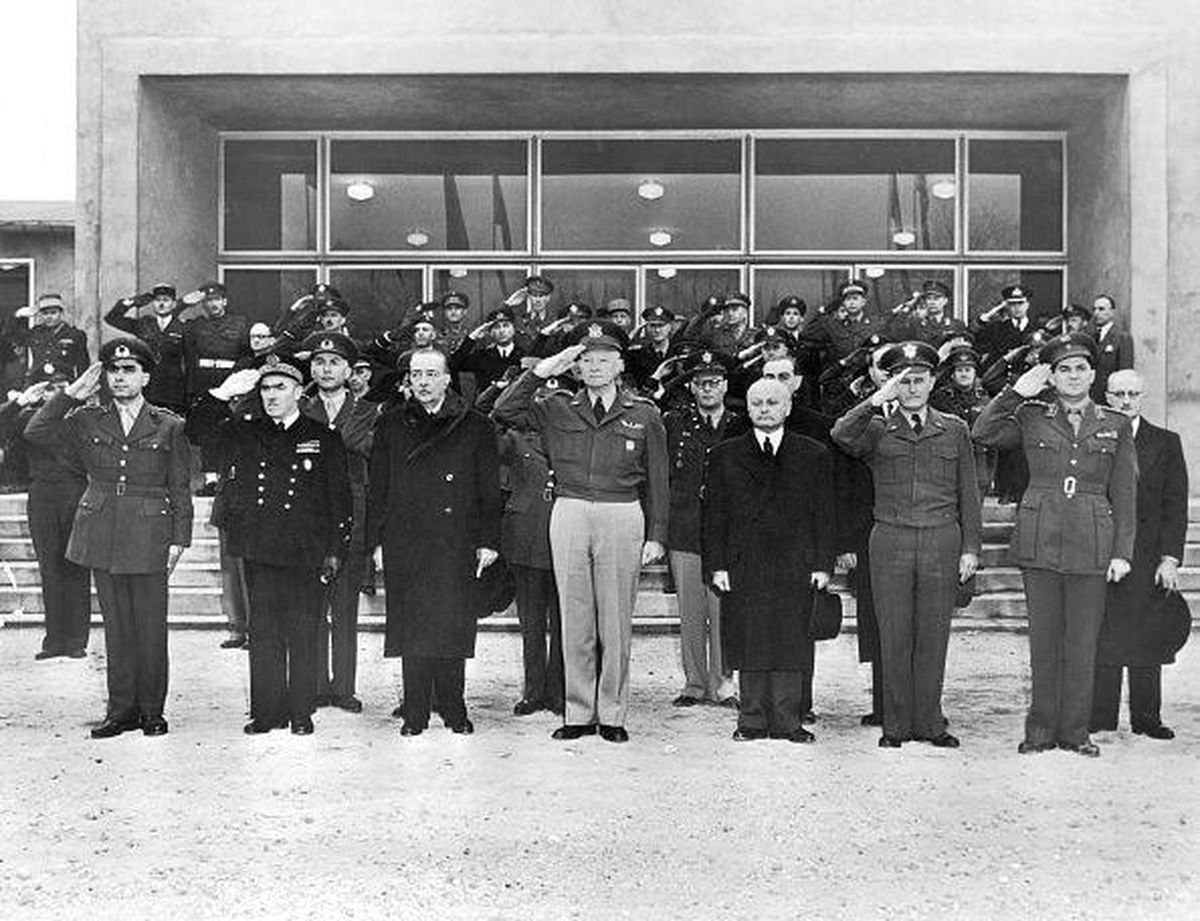
Türkiye , 22 Yıl Sonra NATO Zirvesine Ev Sahipliği Yapıyor : İttifakla İlişkilerin Tarihi ve Geleceği
gdelt bot · about 2 months ago
Šef NATO - a : Europa preuzima veću odgovornost za obranu kontinenta
gdelt bot · about 2 months ago
Türkiyes strategic role for NATOs future amid Ankara summit
gdeltproject.org · about 2 months ago
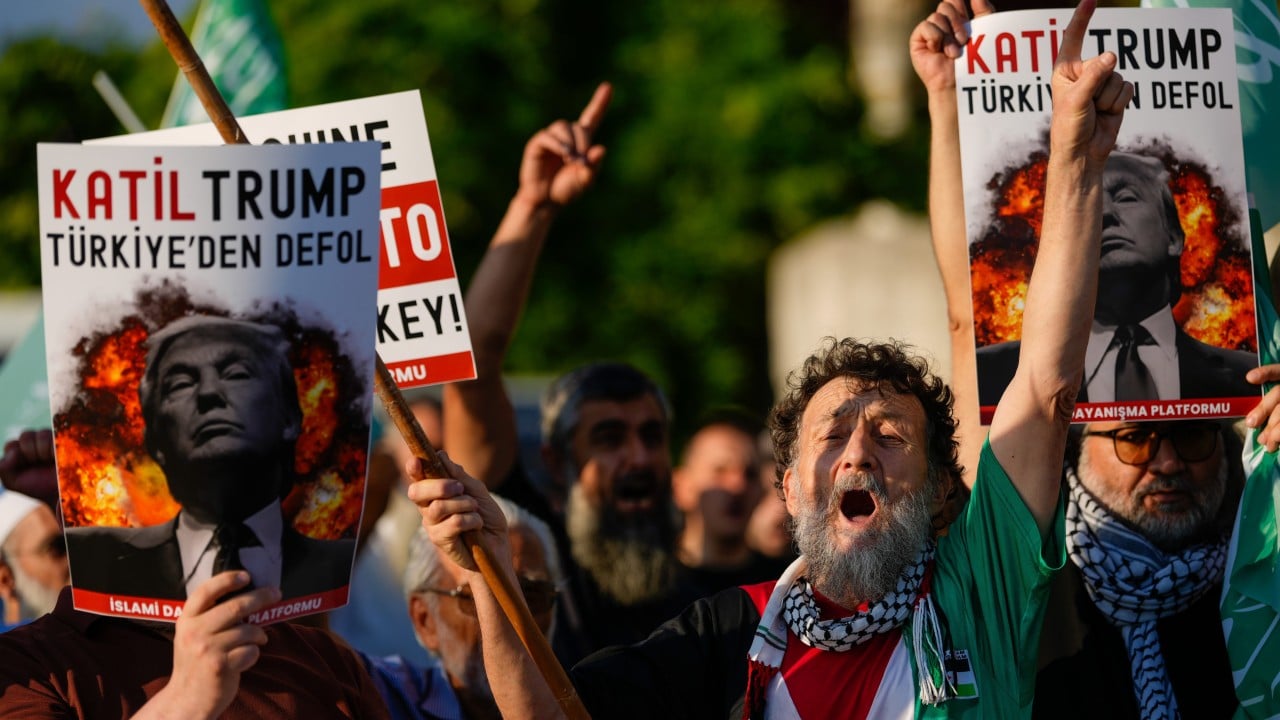
First money, now loyalty: Trumps demands test Nato chiefs flattery tactics Since he started work as Nato secretary general almost two years ago, Mark Rutte has spent much of his time trying to keep the United States anchored to the worlds biggest military alliance, employing outright flattery to dissuade US President Donald Trump from acting on threats to abandon it. But the goalposts keep shifting, raising the stakes ahead of this weeks summit in Turkey. Initially, it was about money. Trump has long railed against Nato allies for spending too small a fraction of...
south china morning post · about 2 months ago
Tensions flare ahead of Ankara summit as Trump looms over billions in Ukraine aid
gdeltproject.org · about 2 months ago
South Korean president to attend NATO summit in Türkiye President Lee Jae Myung will attend the NATO summit in Ankara and deliver a keynote speech at the invitation of Secretary General Mark Rutte. He will also participate in a defence industry forum, marking South Koreas continued engagement with the alliance.
yenisafak · about 2 months ago
Swedish PM says NATO summit in Ankara comes at turbulent time Swedish Prime Minister Ulf Kristersson said NATOs upcoming summit in Ankara will convene during a "turbulent time" for European and global security, as allied leaders prepare to discuss boosting defense industrial capacity and maintaining long-term military assistance to Ukraine.
yenisafak · about 2 months ago
Fidan meets KRG deputy PM in Ankara for talks Turkish Foreign Minister Hakan Fidan held talks with Qubad Talabani, deputy prime minister of Iraqs Kurdish Regional Government, in Ankara. Talabani expressed satisfaction with Türkiyes commitment to the peace process with the PKK and reaffirmed the PUKs full support for its success.
yenisafak · about 2 months ago
Erdoğan meets Pakistani PM Sharif in Istanbul for talks President Recep Tayyip Erdoğan received Pakistani Prime Minister Shehbaz Sharif at Vahdettin Palace in Istanbul for bilateral and delegation-level talks. Foreign Minister Hakan Fidan and intelligence chief İbrahim Kalın attended the closed-door meeting, with a joint press conference expected.
yenisafak · about 2 months ago
Ukraine Backers to Vow Major Support at NATO Summit
gdeltproject.org · about 2 months ago
Erdoğan, Meloni discuss defense ties and NATO summit President Recep Tayyip Erdoğan and Italian Prime Minister Giorgia Meloni held a phone call to discuss bilateral relations and regional issues. Erdoğan said Ankara seeks closer cooperation with Italy, particularly in the defense industry, and expressed hope that next weeks NATO summit in Ankara will strengthen allied unity.
yenisafak · about 2 months ago
Turkish president warns war-addicted Israel must not plunge region into bloodshed President Recep Tayyip Erdogan said Israels "war-addicted" government must not be allowed to drown the region in bloodshed again, speaking alongside Pakistani Prime Minister Shehbaz Sharif after talks in Istanbul on Saturday where they addressed regional security and reaffirmed their $5 billion bilateral trade target.
yenisafak · about 2 months ago
NATO chief faces challenge at summit as Trump demands loyalty and not just burden-sharing Since he started work as NATO secretary-general almost two years ago, Mark Rutte has spent much of his time trying to keep the United States anchored to the worlds biggest military alliance
abcnews · about 2 months ago
NATO envoys stress unity, solidarity ahead of Ankara summit Ambassadors from Italy, the Netherlands, Poland, Bulgaria and Latvia emphasized collective defense commitments and transatlantic cooperation ahead of the July 7-8 gathering in Ankara, where allies will address defense spending and regional security threats.
yenisafak · about 2 months ago
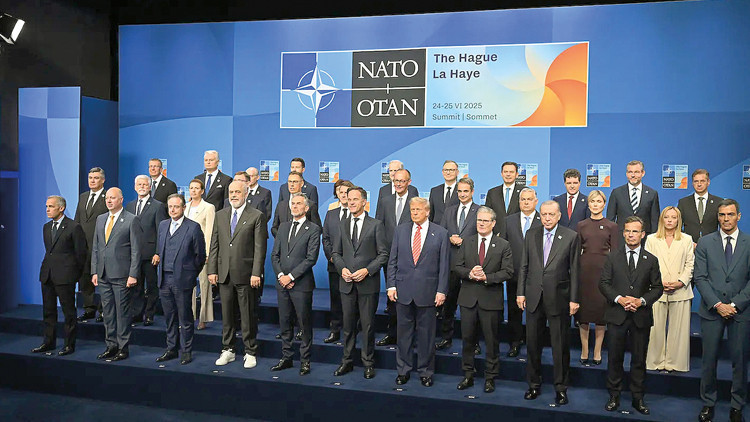
NATO 3 . 0 Ankarada doğuyor ... Dünya liderleri Türkiyede buluşacak
gdelt bot · about 2 months ago
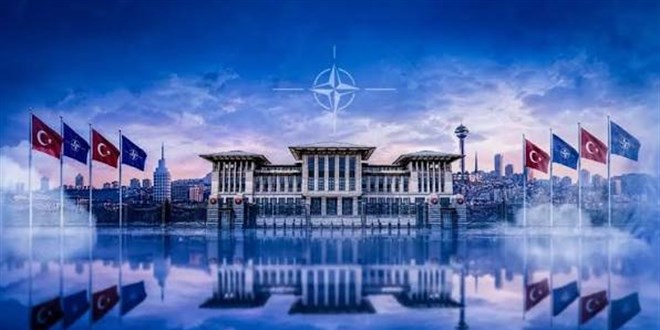
Tarihi NATO Zirvesi Baþlýyor : Komuta Kademesinde Türk Yönetici Dönemi Yakýn
gdelt bot · about 2 months ago
Ankara tightens security, air traffic for NATO summit Türkiye has ramped up security in Ankara ahead of the July 7-8 NATO summit, deploying more than 56,000 police and gendarmerie personnel. Temporary flight restrictions will be in place at Esenboğa Airport, with exemptions for aircraft carrying foreign leaders and official delegations.
yenisafak · about 2 months ago
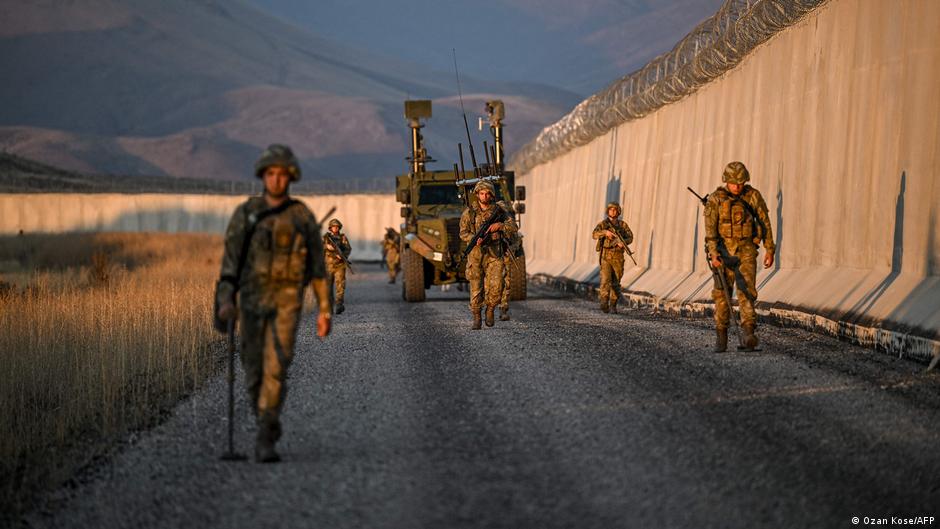
Šta je Turska za NATO , šta je NATO za Tursku ?
gdelt bot · about 2 months ago
NATO chief may have to match his made-for-Trump sales pitch to keep a summit on the rails
gdeltproject.org · about 2 months ago
Minas Lyristis: Cypruss NATO accession is not realistic today, but strategic convergence is achievable The upcoming NATO summit takes place at one of the most unstable moments in recent decades, with the war in Ukraine still under way, the Middle East still in turmoil and relations between the United States and Europe under strain. The Alliance must show it can adapt to an environment in which military, economic, energy […]
in-cyprus · about 2 months ago
Bonus episode: Ernstfall — What if Russia attacks NATO? Today, were bringing you a special bonus episode from our colleagues at WELT. Originally released in German, Ernstfall is now available in English. What if Russia attacked NATO? How would Germany respond? And where are our weaknesses? We wanted answers. In a wargame, we simulate an attack on NATOs eastern flank. Politicians, former military officials, […]
politico.eu · about 2 months ago