Archaeologists have discovered the oldest direct evidence of psychoactive cannabis use in a 2,800-year-old Siberian tomb, according to a study published on Thursday in Science.
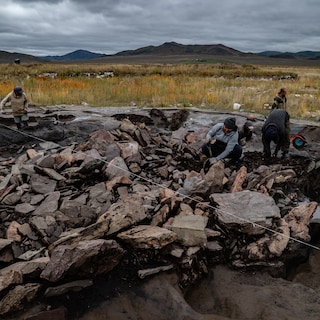
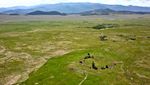
The findings come from the Tunnug 1 site in the Uyuk River Valley of southern Siberia's Republic of Tuva. Researchers uncovered more than 1,400 cannabis seeds and traces of tetrahydrocannabinol (THC) in preserved human hair. Radiocarbon dating placed the seeds at the beginning of the 8th century BCE.
The team was led by Gino Caspari, an archaeologist at the Max Planck Institute of Geoanthropology and the University of Bern. They found the seeds scattered around six elite individuals interred in the royal mound. Among them was a woman aged 15 to 18.
The mound also contained sacrificed horses and human remains near its surface. Analysis of hair samples from the central burial chamber revealed cannabinol, a compound formed by the oxidation of THC. One sample contained up to 100 micrograms of cannabinol per gram.
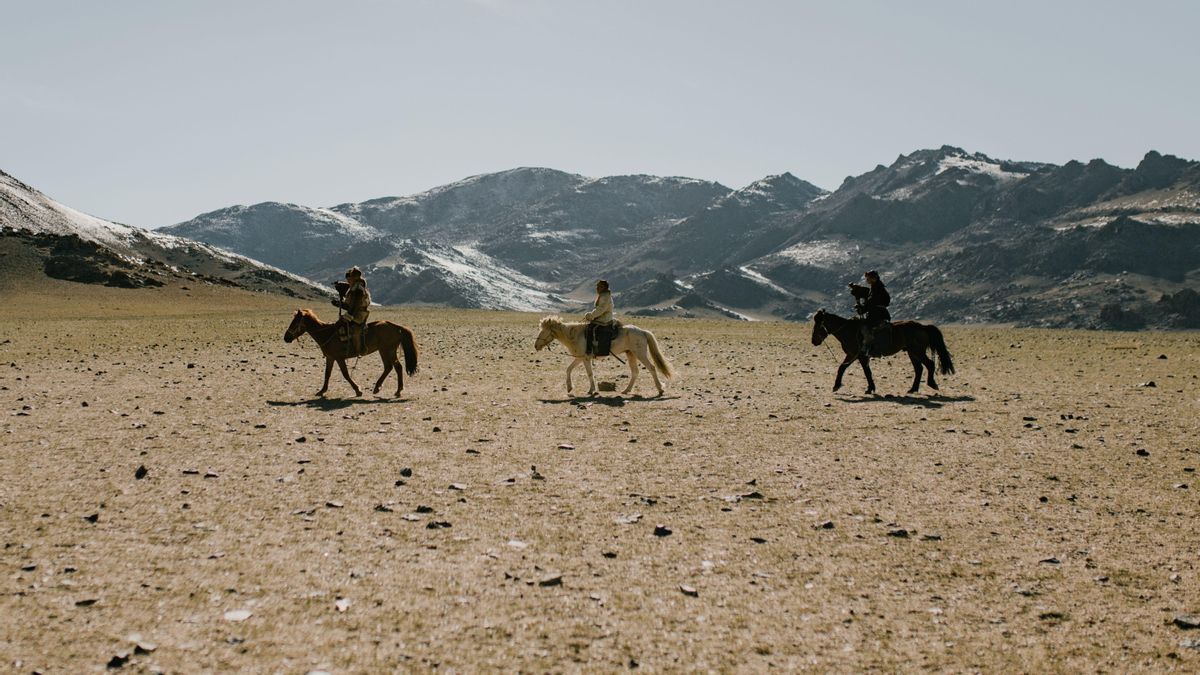
"It's extremely rare that we have both preserved plant parts and human soft tissue with the active compounds in it in the same context," Caspari said. The tomb belongs to the Scythian culture, horse-riding nomads who dominated the Eurasian steppes from the 9th century BCE. The international team included researchers from Germany, Russia, Sweden and Switzerland.
The Greek historian Herodotus described Scythian rituals involving ceremonial burning of cannabis in enclosed spaces around 440 BCE. Caspari suggested the cannabis was used in purification and mortuary rituals. He also speculated that human sacrifice victims may have been given the drug to calm them.
"It might be advantageous to have them dosed a little bit," he said. Some experts disputed the conclusions. Volker Auwaerter, head of forensic toxicology at the University Medical Center in Freiburg, Germany, wrote in an email that the hair analysis was "scientifically weak."
He said the data did not distinguish consumption from external exposure. Marga Sánchez Romero, a professor of prehistory at the Universidad de Granada, offered an alternative explanation. She suggested the nomads may have used cannabis medicinally for pain relief.
The 1,481 seeds included 965 complete and 516 fragmented specimens. They appear to come from wild plants. The permafrost preserved the organic materials exceptionally well.