
NATO leaders declare summit in Ankara a tremendous success after Trump softens stance
Story Timeline
3 months · 11 summary articles
NATO leaders emerged from their two-day summit in Ankara on Wednesday with a rare show of unity after a mercurial U.S. President Donald Trump tempered his public attacks on allies and declared the gathering “a tremendous success,” despite earlier threats to cut trade ties with Spain and renew demands for Greenland. The abrupt shift from confrontation to conciliation capped a day of high drama at the alliance’s 36th gathering, where Trump’s unpredictable behavior had initially raised fears of a transatlantic rupture.
Trump, who arrived in Ankara on Monday evening, spent much of Tuesday and Wednesday alternating between sharp criticism and effusive praise for NATO members. In a joint press conference with NATO Secretary General Mark Rutte, he softened his stance on several fronts, calling the summit “tremendous” and citing “enormous love” among leaders. “There was tremendous unity,” Trump said, a stark contrast to his earlier threats to withdraw U.S. troops from Europe and his labeling of Spain as “a wasted cause.”
The president’s about-face followed a morning of public scorn, during which he renewed calls for Spain to face trade sanctions and reiterated his longstanding demand to acquire Greenland, a proposal Danish Prime Minister Mette Frederiksen has repeatedly dismissed as “not for sale.” Yet behind closed doors, diplomats described a markedly different atmosphere. “Something changed before he left,” one NATO official told RFE/RL on condition of anonymity. “He didn’t repeat his remarks about Spain, Greenland, or Iran to the other 31 leaders.”
Rutte, who has frequently flattered Trump to keep the alliance intact, credited the U.S. president with pushing European members to increase defense spending—a longstanding U.S. grievance. “This American president has been able to solve this,” Rutte said, referring to the decades-old frustration that Europeans were not contributing equally to NATO’s defense. The alliance announced that its 31 non-U.S. members had collectively boosted defense spending by $139 billion in the past year, a figure Rutte attributed in part to Trump’s pressure.
The summit’s final declaration reaffirmed NATO’s commitment to Ukraine, with Trump telling Ukrainian President Volodymyr Zelensky that the U.S. would license Kyiv to manufacture its own Patriot air-defense interceptors—a capability long sought by Ukraine. The move was seen as a rare concession to European allies, who had grown increasingly anxious about Trump’s unpredictable stance on the war. “The summit was a rollercoaster, but the concrete wins—like the Patriot licensing—helped steady the nerves of nervous allies,” a senior European diplomat told *Politico*.
Trump’s public remarks also included a rare moment of praise for China, calling Chinese President Xi Jinping “a big fan,” a comment that drew sharp criticism from European leaders wary of Beijing’s growing influence. His earlier threats to withdraw U.S. troops from Europe and his insistence that the Iran ceasefire was “over” had initially overshadowed the summit, with European leaders fearing the worst as they entered the meeting room. Yet by the end of the day, even those tensions had eased. “We’re spending more on defense for us, not you,” one European diplomat said, reflecting a broader shift among allies to take greater responsibility for their own security.
The summit’s outcome underscored the alliance’s resilience in the face of Trump’s erratic leadership. While his public tirades had dominated headlines, the behind-the-scenes negotiations produced tangible results, including a pledge to strengthen NATO’s eastern flank and a renewed commitment to collective defense. Yet the question remained: how long could the alliance sustain this fragile unity in the face of Trump’s next unpredictable move? As one analyst noted, “NATO leaders are used to Trump’s threats by now. What’s harder to shrug off is the ongoing drawdown of U.S. troops in Europe—the biggest shift in the continent’s defense posture since the Cold War.”
Follow us for live European news
- 5
- 3
- 1
- 1
- 1
- 1
- 1
- 1
5 further sources not geolocated
Articles

Trump torna ad attaccare gli alleati: Italia pessima. Spagna senza speranza e Groenlandia problema. Ma poi dice di avere ricevuto tanto amore È un Donald Trump contro tutti, in particolare proprio contro gli stessi alleati. Anche questa volta ad Ankara il presidente Usa è riuscito a trasformare un summit in uno show personale. Prima dellinizio del vertice Nato lancia le sue frecciate contro lItalia (pessima nella gestione basi statunitensi per la guerra in Iran), contro la Danimarca […] Larticolo Trump torna ad attaccare gli alleati: Italia pessima. Spagna senza speranza e Groenlandia problema. Ma poi dice di avere ricevuto tanto amore proviene da Il Fatto Quotidiano.
il fatto quotidiano · about 2 months ago
Trump pledges sanctions relief for Turkey as Erdogan hosts Nato summit in Ankara Turkish President Recep Tayyip Erdogan uses Nato summit to advance a sweeping diplomatic agenda alongside his US counterpart Donald Trump.
intellinews · about 2 months ago
Trump Weighs Turkeys Return to F-35 Program, Raising Concerns in Greece and Israel Talks between US President Donald Trump and Turkish President Recep Tayyip Erdogan have revived Ankaras hopes of returning to the F-35 fighter jet program, while raising concerns in Greece and Israel as well as among members of the US Congress. Trump did not announce a completed deal during his meeting with Erdogan at the NATO […]
greek reporter · about 2 months ago
Meloni răspunde după atacurile lui Trump, care a cerut „un ordin de restricție împotriva ei: „Nu regret absolut nimic Prim-ministrul Italiei, Giorgia Meloni, a afirmat miercuri, la finalul summitului NATO, că nu are niciun regret în privința relației pe care a construit-o cu președintele american Donald Trump, deși în ultimele luni acesta a criticat-o în repetate rânduri,
adevarul · about 2 months ago
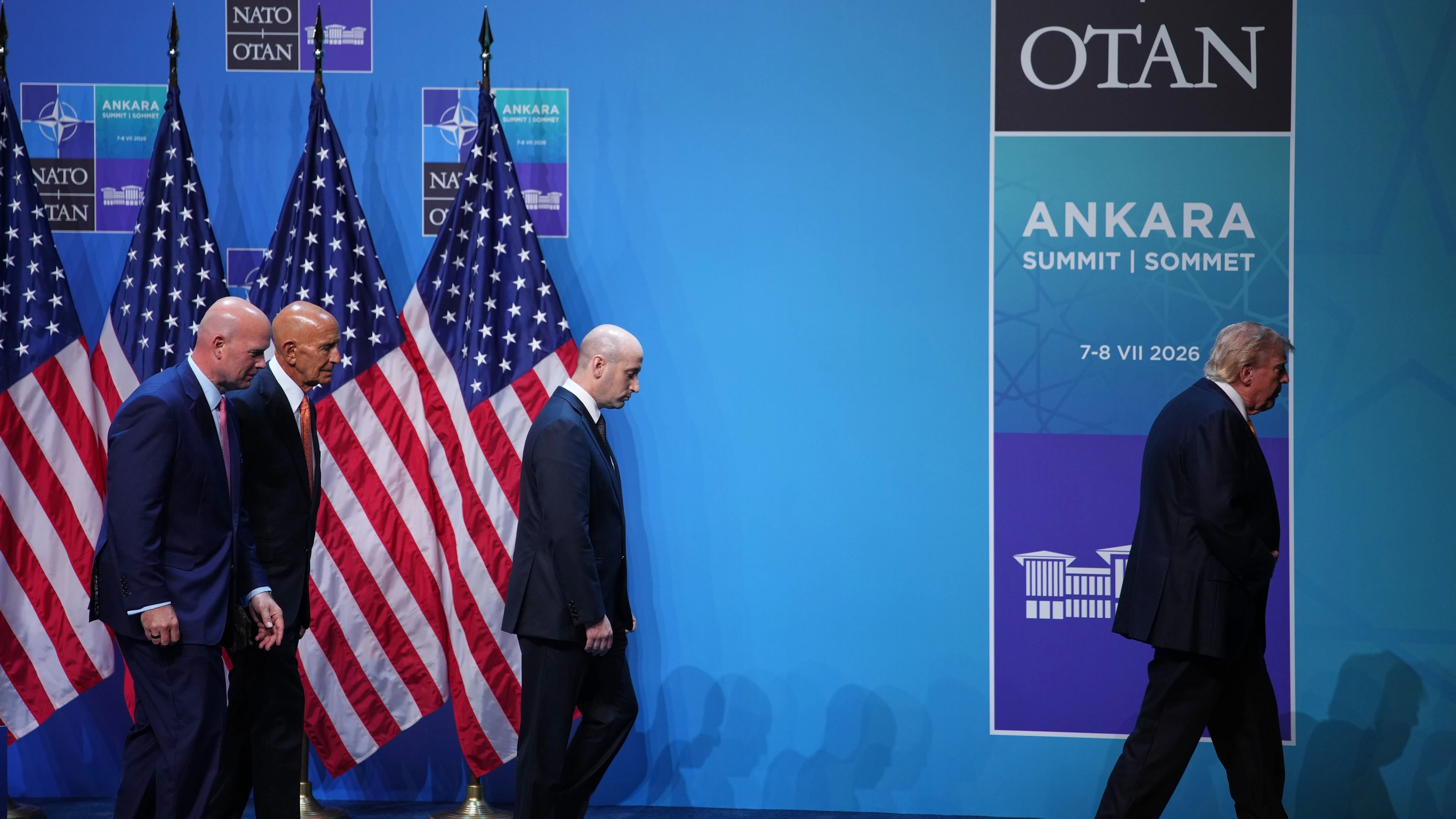
Trump auf NATO-Gipfel: Trump lobt „Geschlossenheit der NATO Liveticker zur US-Politik unter Donald Trump / Trump soll republikanischen Senator angeschrien haben / Jetzt lesen im Liveticker der FAZ
faz · about 2 months ago
USA: „Unglaubliche Liebe: Trump lobt Nato-Gipfel Nach Wut und Drohungen nun alles ganz harmonisch? Der US-Präsident zeigt sich begeistert von der Stimmung beim Bündnistreffen in Ankara: „Wir hatten eine großartige Zeit.
sueddeutsche · about 2 months ago
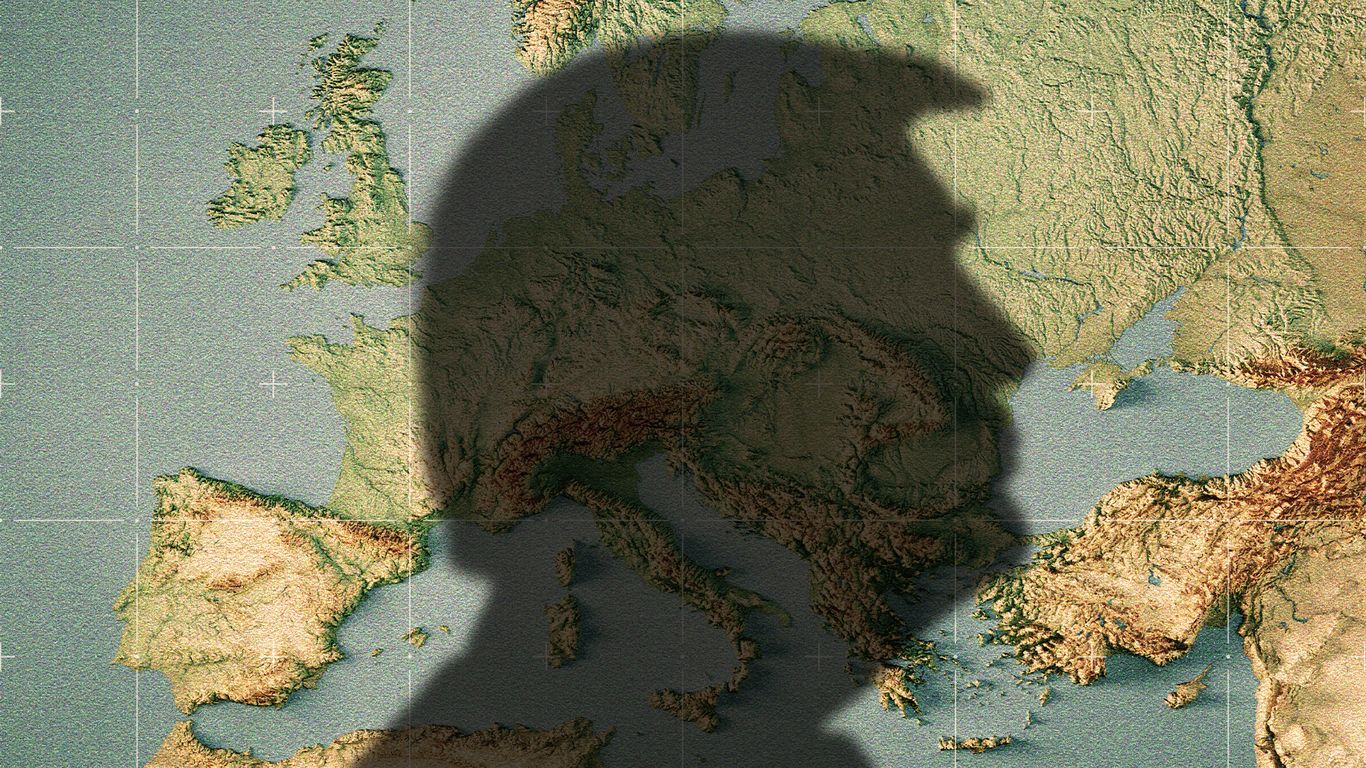
Trumps NATO trouble tour President Trump hijacked NATOs summit within hours of touching down in Turkey, threatening allies and declaring the Iran ceasefire "over" as Washington and Tehran lurched toward renewed war.The big picture: The carefully choreographed Ankara summit unraveled into the Trump show, with the agenda quickly overtaken by the presidents grudge against allies who sat out the Iran war.Driving the news: On his quick trip to Turkey, Trump opened new wounds and rubbed salt in others by:Threatening to cut off all trade with Spain, calling the country "hopeless" for refusing to let the U.S. use its military bases to strike Iran.Deeming talks with Tehran a "waste of time" and suggesting the U.S. could take out "every single bridge in Iran."Renewing his demand to acquire Greenland, which triggered a full-blown crisis in January and prompted Danish Prime Minister Mette Frederiksen to pledge that Denmark would defend its territory.Floating the removal of "all of our soldiers out of Europe," alarming allies who have relied on the U.S. security umbrella for decades.Praising China, saying hes a "big fan" of President Xi Jinping, and cozying up to Turkish President Recep Tayyip Erdoğan over Israels objections.Making it abundantly clear: "Im not happy with NATO."The White House did not immediately respond to Axios request for comment.Catch up quick: Since the Iran war began, Trump has waged a running campaign to humiliate European leaders — even those who worked hardest to stay in his good graces.On Sunday, he posted a meme of Italys Prime Minister Giorgia Meloni with the caption: "Restraining order needed" after previously claiming she "begged" him for a photo, which she disputes.He also pre-announced British Prime Minister Keir Starmers resignation a day before Starmer confirmed it himself in June.Reality check: Despite mounting concern about rifts in the alliance, members reaffirmed their commitment to collective defense and pledged "unwavering support" — including security funding — for Ukraine.In the summits most concrete win, Trump told Ukrainian President Volodymyr Zelensky the U.S. will license Ukraine to manufacture its own Patriot air-defense interceptors — a capability Kyiv has sought for years.NATO Secretary-General Mark Rutte, who has heaped frequent flattery on the president, downplayed the divides, saying NATO was made stronger by the defense spending commitments Trump demanded.The bottom line: NATO leaders are used to Trumps threats by now. Whats harder to shrug off is the ongoing drawdown of U.S. troops in Europe — the biggest shift in the continents defense posture since the Cold War.Go deeper: Europe braces for Trumps wrath
axios · about 2 months ago
Trump tempers fury to end NATO summit on high note
gdeltproject.org · about 2 months ago
Trump cites tremendous unity at NATO summit in Turkey
gdeltproject.org · about 2 months ago
Takeaways: Trump leaves NATO summit declaring a lot of love with allies after a rocky start
gdeltproject.org · about 2 months ago
Can NATO survive Trumps changes of heart? These days, every official visit, every summit that involves the President of the United States seems like a mad scramble to keep the leader of the Atlantic Alliance on board. But what if its just too late? Last month, leaders left France thanking their lucky stars that Donald Trump hadnt taken a big bazooka to the G7 Summit.In Ankara, a darker Donald threatening to pull all US troops from Europe, cut trade with Spain and blasting Nato for its unwillingness to join his war against Iran. He claimed he wouldnt have even shown up but for his friend Recep Tayep Erdogan hosting. Putting put-downs and popularity contests aside, real lives are at stake. How do allies go faster in providing defence systems against Russias cruise missiles lobbed on Ukraine? What if Vladimir Putin, whose citizens are feeling the pinch from Ukrainian drones targeting power and fuel supplies, decides to go for broke and test the resolve of frontline European states?
france24 · about 2 months ago
Greenlanders reject Trumps renewed push for control of island Greenlanders attending a traditional kayaking championship in Nuuk rejected U.S. President Donald Trumps renewed call for U.S. control of the Arctic island on Wednesday, saying its future should be decided by Greenlanders themselves. Speaking at a NATO summit in Turkeys Ankara, Trump renewed his demand to gain control of Greenland, a semi-autonomous Danish territory, arguing it was important for U.S. national security.
france24 · about 2 months ago
NATOs Tremendous Unity And Other Takeaways From The Summit In Turkey The NATO summit in Turkey got off to a rocky start, with US President Donald Trump slamming Spain for failing to spend on defense and other alliance members for refusing to pitch in during the Iran war. But by the end of the day, unity was the key word from leaders, including the US president.
radio free europe · about 2 months ago

After Insulting Allies at NATO Summit, Trump Says They Love Him The meeting in Turkey featured President Trump at his most mercurial, veering from scorn to praise for European countries, including some whose patience with mollifying him has worn thin.
new york times · about 2 months ago

As Erdogan Hosted NATO, His Jailed Challenger Was in Court President Recep Tayyip Erdogan basked in praise from President Trump with the spotlight on a NATO summit. At home, his biggest rival defended himself before judges.
new york times · about 2 months ago
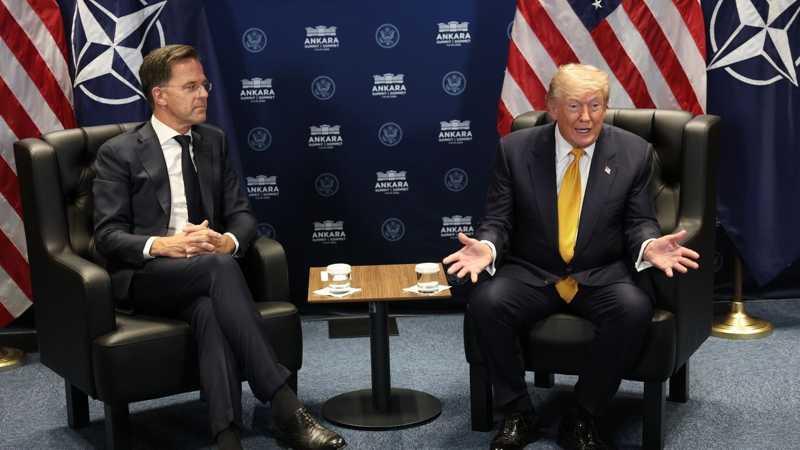
Trump leaves NATO summit pleased with allies, except one countryPresident Donald Trump closed out his part in the NATO summit in Ankara on Wednesday. #News #Trump #Spain #NATO
mastodon bot · about 2 months ago

US President Donald Trump offered NATO allies an unexpected warm embrace as they wrapped up a key summit Wednesday after earlier lashing out at them over their response to his war on Iran. u.afp.com/SK6s
bluesky_AFP English · about 2 months ago

European allies did their best to put Donald Trump in a good mood at the NATO summit. The effort was met with mixed success — but its no longer their top priority anyway.
bluesky_Politico Europe · about 2 months ago
Erdogan says Trump upbeat on potential F-35 jets sale to Turkey President Tayyip Erdogan said on Wednesday that President Donald Trump has a positive view on selling F-35 jets to Turkey and Erdogan hoped that the world would see the United States keep its promise. Speaking at a press conference at the end of a NATO summit in Ankara, Erdogan said he held very fruitful talks with Trump and he […]
cyprus mail · about 2 months ago
Na al zn kritiek van afgelopen dagen noemt Trump NAVO-top na afloop toch een groot succes Ondanks stevige kritiek op zijn Europese bondgenoten en het opnieuw claimen van Groenland, noemt de Amerikaanse president Donald Trump de NAVO-top in Ankara een groot succes. Trump zei na afloop van de vergadering met alle regeringsleiders dat er enorm veel liefde in de ruimte was en dat hij een geweldige tijd heeft gehad in Ankara.
rtl nieuws · about 2 months ago
„Wir sehen klar, dass die USA unter dieser Administration weg von Europa gehen Brandon Bohrn, Senior Expert für transatlantische Beziehungen der Bertelsmann Stiftung, analysiert das Verhalten von US-Präsident Trump auf dem Nato-Gipfel in Ankara: „Es gibt eine große Volatilität seitens dieses Präsidenten – das hilft dem Bündnis nicht.
welt.de · about 2 months ago

„Ich möchte nur sagen, dass in diesem Raum eine unglaubliche Liebe herrschte US-Präsident Donald Trump hat die Stimmung unter den Staats- und Regierungschefs beim Nato-Gipfel in den höchsten Tönen gelobt: „Es war wunderbar, diese Einheit zu spüren. Sehen Sie hier sein Statement zum Abschluss des Gipfels.
welt.de · about 2 months ago

Dann berichtet Merz von einem bemerkenswerten Trump-Satz in vertraulicher Runde Nach heftigen Attacken auf die Verbündeten sendet US-Präsident Trump am Ende des Nato-Gipfels versöhnliche Signale. Der Kanzler spricht von einem „Geist von Ankara und neuer Dynamik im Bündnis. Reicht das, um Russland abzuschrecken?
welt.de · about 2 months ago

Trump leistet sich bei Pressekonferenz mit Selenskyj aufsehenerregende Versprecher Der Nato-Gipfel war von Drohungen und Kritik Trumps überschattet. Bundeskanzler Merz zieht dennoch ein positives Fazit – und zitiert als Beleg einen Satz des US-Präsidenten. Der wiederum verspricht sich mehrfach. Mehr im Liveticker.
welt.de · about 2 months ago
Selenskyj und Putin verwechselt: Trump verwirrt mit Aussagen am Rande des Nato-Gipfels US-Präsident Trump und der ukrainische Staatschef Selenskyj unterhielten sich beim Nato-Gipfel über den russischen Angriffskrieg. Dabei kam Trump gleich mehrmals durcheinander.
tagesspiegel · about 2 months ago
„Da war enorme Liebe in diesem Raum: Donald Trump zeigt dem Nato-Gipfel an einem Tag zwei Gesichter Erst beschimpfte er sie, dann bekannte er sich zu ihr, schließlich begeisterte er sich für die westliche Allianz. Über einen denkwürdigen Tag mit dem US-Präsidenten in Ankara.
tagesspiegel · about 2 months ago
Verteidigung: Trump wirbelt Nato-Gipfel durcheinander – und dann lobt er Deutschland Europäer und Kanadier wollen zeigen, dass sie mehr Verantwortung im Bündnis übernehmen. Der US-Präsident kommt als Spalter, setzt am Ende aber doch wieder auf Deeskalation.
handelsblatt · about 2 months ago
Nato-Gipfel: Trump-Schock mit Ansage – Warum der Grönland-Streit nie erledigt war Auf dem Nato-Gipfel hat Trump den Konflikt um Grönland neu entfacht. Dem US-Präsidenten geht es um kritische Rohstoffe und ein rüstungspolitisches Prestigeprojekt.
handelsblatt · about 2 months ago
Kommentar: Trump und die Nato – der Wahnsinn kennt keine Grenzen Der US-Präsident betreibt Außenpolitik mit der Abrissbirne. Die Folge: Eskalation in Nahost wie auch beim Nato-Gipfel. Nichts davon liegt im amerikanischen oder europäischen Interesse.
handelsblatt · about 2 months ago
Bündnis in der Krise: Erst Krawall, dann Liebe: Trump mischt den Nato-Gipfel auf Kanzler Merz beschwört beim Nato-Gipfel den guten „Geist von Ankara. Aber Trump ist auf Krawall aus. Am Ende zeigt er sich doch noch versöhnlich.
handelsblatt · about 2 months ago