
NATO leaders in Ankara brace for summit amid Russia threat and Trump pressure

Story Timeline
3 months · 23 summary articles
NATO leaders on Sunday intensified preparations for a pivotal summit in Ankara, where the alliance faces its most consequential test in decades amid escalating tensions with Russia, shifting U.S. priorities, and Turkey’s delicate balancing act between Washington, Moscow, and Kyiv.
The two-day gathering, set to begin Tuesday, has already yielded historic commitments. NATO ambassadors finalized a declaration on Friday labeling Russia a direct threat to Euro-Atlantic security and agreed on a draft €70 billion ($80 billion) annual military aid package for Ukraine for 2026 and 2027 . Secretary General Mark Rutte hailed the spending pledge as “historic,” underscoring Europe’s accelerated shift toward self-reliance in defense .
Yet the summit’s success hinges on managing President Donald Trump, whose unpredictable demands for “loyalty” over financial burden-sharing have strained transatlantic relations. Former U.S. Ambassador to the OSCE James Gilmore, speaking to RFE/RL, argued that Trump’s pressure has forced long-overdue reforms, accelerating European defense spending increases and reinforcing NATO’s cohesion in the face of Russia’s war in Ukraine . “The end result of all this, in my view, is very positive,” Gilmore said, though he acknowledged European unease over Trump’s confrontational style.
Turkey’s President Recep Tayyip Erdogan has emerged as the unlikely mediator, leveraging his close ties with both Trump and Russian President Vladimir Putin to defuse tensions. Erdogan’s dual role as “Trump- and Putin-whisperer” was highlighted by Stockholm University’s Paul Levin, who noted that Ankara’s crackdown on dissent—including arrests of journalists and opposition figures ahead of the summit—reflects its authoritarian turn but also its strategic importance . “Many leaders see NATO not as the right forum for criticism,” Levin said, given Europe’s reliance on Turkey’s military and geopolitical weight .
The summit’s agenda is dominated by defense spending, Ukraine’s war effort, and deterrence against Russian aggression. Trump’s recent calls for Europe to assume greater responsibility—while threatening to skip the summit if not hosted by Erdogan—have underscored the alliance’s fragility . Meanwhile, Putin’s 90-minute call with Trump on Friday, where the Kremlin claimed Kyiv and its European backers were prolonging the war, added urgency to the talks . Ukrainian President Volodymyr Zelensky also spoke with Trump, with both sides framing the conversation as “very good” ahead of potential further discussions in Ankara .
Security measures in Ankara are unprecedented, with 70,000 police deployed to suppress protests and ensure smooth transit for 32 heads of state . Sweden’s Foreign Minister Maria Malmer Stenergard condemned Turkey’s restrictions on free expression, telling *Dagens Nyheter* that Stockholm had raised concerns with Ankara over the “very serious” suppression of dissent .
As NATO leaders gather, the alliance stands at a crossroads: whether it can reconcile Trump’s transactional approach with Europe’s strategic imperatives, and whether Turkey’s Erdogan can broker a summit that avoids outright division. The answers may determine NATO’s future—or its irrelevance.
Follow us for live European news
- 2
- 1
- 1
- 1
- 1
- 1
4 further sources not geolocated
Articles

Trump Holds Calls With Zelenskyy, Putin Amid Ukraine Deadlock Ukrainian President Volodymyr Zelenskyy and the Kremlin said President Donald Trump spoke separately with the Ukrainian and Russian leaders as efforts to end the war remained stalled, with Kyiv and Moscow deadlocked over key issues.
radio free europe · about 2 months ago
🇸🇾🤝🇫🇷 – The Syrian Presidential Media Directorate announced on Sunday that French President Emmanuel Macron is scheduled to visit Syria to engage in high-level discussions regarding bilateral relations and matters of mutual interest. ➡️ Accompanied by a delegation of investors and corporate representatives, President Macron is expected to hold a roundtable meeting with Syrian President Ahmad al-Sharaa. The talks will focus on strengthening diplomatic ties, fostering economic cooperation across various sectors, and addressing key regional developments. @GeoPWatch
telegram_GeoPWatch · about 2 months ago
Türkiye central to NATOs future security, says former German general Retired Brigadier General Klaus Wittmann has told Anadolu that Türkiye is the solid cornerstone of NATOs southeastern defence and a key Black Sea power. He said the Ankara summit will focus on military aid for Ukraine and increased defence spending, and downplayed the likelihood of US withdrawal from NATO.
yenisafak · about 2 months ago
NATO summit in Ankara to address defense spending, Euro-Atlantic threats Türkiyes Communications Director Burhanettin Duran said NATO leaders will convene in Ankara on July 7-8 to examine defense investment plans and Euro-Atlantic security challenges, as first lady Emine Erdogan will host a reception for visiting leaders and President Recep Tayyip Erdogan chairs the North Atlantic Council meeting the following day.
yenisafak · about 2 months ago
Lithuania hails Türkiye as key NATO ally with strong military Lithuanian Prime Minister Inga Ruginiene praised Türkiye as an important NATO ally with strong military capabilities and strategic geographic position, highlighting Vilniuss appreciation for Ankaras contributions to Baltic security ahead of the alliances summit in Ankara.
yenisafak · about 2 months ago
Türkiye enters NATO defense market with ADVENT system delivery HAVELSAN has delivered Türkiyes ADVENT Combat Management System to Romania alongside the CAm.ROMAN corvette, marking the first entry of the Turkish-developed naval command solution into a NATO allys inventory following previous exports to Pakistan, Indonesia and Ukraine.
yenisafak · about 2 months ago
Opinion | The Elephant at the NATO Summit A U.S. troop withdrawal from Europe is a dangerous signal to Vladimir Putin.
wsj · about 2 months ago
Turkey detains journalists and comic in crackdown before Nato summit Popular comedian who called President Recep Tayyip Erdoğan a dictator is among those arrested
financial times · about 2 months ago
Ahead Of High-Stakes NATO Summit, Ex-US Envoy To OSCE James Gilmore Says Alliance Is Renewing Itself WASHINGTON – As NATO leaders prepare for a pivotal July 7-8 summit in Ankara amid Russias war against Ukraine and renewed tensions in the Middle East, former US Ambassador to the Organization for Security and Cooperation in Europe (OSCE) James Gilmore says the alliance is undergoing a difficult but ultimately strengthening transformation rather than entering a period of decline. In an interview with RFE/RL, Gilmore, who served during President Donald Trumps first administration, argues Trumps pressure on European allies has accelerated long-overdue changes, insists Ukraine "cannot be allowed to fail," and says NATO remains indispensable to both European security and US national interests. RFE/RL: Were heading into what many describe as one of the most consequential NATO summits in years. President Trump has repeatedly called for a more balanced transatlantic partnership. From the US perspective, what would demonstrate that this relationship is becoming more equal -- not only financially, but strategically? James Gilmore: First of all, Im very optimistic about the future of NATO and about the future of the world. It is true that theres a reset going on. Lets look at NATOs situation realistically. The alliance has grown through the accession of Finland and Sweden. When I served as ambassador -- and even earlier, when I was a soldier stationed in Germany -- nobody ever thought Sweden and Finland would join NATO. The presidents demands that NATO countries do more for themselves with respect to defense and defense spending are being followed. Its going to take a long time, which tells you why the president insisted on it in the first place, but they are going to spend more. Finally, Russia is once again providing a real moment of cohesion for the NATO countries because it is a threat, and its part of what I view as a global war thats taking place right now. I believe the NATO countries in Europe are a little unsettled by the manner in which President Trump does things, but the end result of all this, in my view, is very positive. RFE/RL: You argue that President Trumps pressure is already producing results. As leaders gather in Ankara, do you believe Europe has fundamentally accepted the need to shoulder more of its own security burden, or is Washington still asking for more than Europe is prepared to deliver? Gilmore: First of all, Washington is not demanding any particular number. I dont believe thats what theyre suggesting. What theyre are saying is that the NATO nations should be prepared to defend themselves. I dont think theres been any suggestion at this point that the US is withdrawing from NATO or giving up its leadership of the alliance. There is an adjustment underway, but again, Im convinced the alliance is going to survive just fine. A lot of that, frankly, we can thank [Russian President] Vladimir Putin for, because of his fascist aggression against Europe and his threats against the Baltic states, Poland, and others. Hes providing serious impetus toward greater unity and cohesion within NATO. RFE/RL: You describe Russias aggression as the force driving NATO unity. Turning to Ukraine itself, what should success realistically look like today -- and what role should the United States continue to play? Gilmore: A lot of this is really up to Ukraine -- how much punishment they can endure from the war criminals in Moscow. But with that said, Putin cannot be allowed to succeed in Ukraine. The Ukrainians have developed some of the most modern methods of warfare with their drones. Theyre striking Russia inside Russia, something Putin never expected. Theyre cutting off Crimea. There was a time when many assumed Crimeas loss to Russia was a foregone conclusion. Today, thats no longer the case. I think things are moving in the right direction. Its unfortunate that were facing this conflict because I believe Europe is important to the safety of the United States. But the US is making it clear that it cannot be taken advantage of, and I think thats the positive change now underway as NATO countries assume greater responsibility for their own defense. RFE/RL: That also raises the question of who carries the long-term burden. Some argue Europe should now take primary responsibility for Ukraines security while the United States shifts more attention to other global priorities. Is that the right balance, or does it risk weakening deterrence against Russia? Gilmore: Youre really asking two questions. The European NATO members have already taken the lead in supporting Ukraine. Theyre buying American weapons, supplying their own weapons, and delivering those capabilities to Ukraine. The weapons are important, but frankly, even more important is the message from the European countries that they are not going to permit Russian conquest because they know whos next. It would be one or more NATO countries in Europe. As for the US, its true that America has global responsibilities and global dangers. But the European war is important because it sends a powerful message into the Pacific that conquest, aggression, and war crimes will not be tolerated by the civilized world. Thats an important message. I would also say that I believe the conflict in the Middle East has become something of a diversion from what I see as the central front in this global conflict. The key theaters are Europe and the Pacific. RFE/RL: You describe the Middle East as a distraction from what you see as the central theater of this global conflict. Yet tensions there continue to compete for NATOs attention. How can the alliance avoid allowing one crisis to undermine its focus on another? Gilmore: The crisis in the Middle East is very real because of the danger of Iran controlling the Strait of Hormuz and the unresolved issue of Irans nuclear ambitions. Those are serious challenges. But in my view, they are also a distraction from the European conflict, which remains the most active and the most important conflict today. The US and NATO need a strategy that protects Europes security while simultaneously addressing the unresolved issues in the Middle East. RFE/RL: Following on that point, NATO leaders are also expected to address Irans nuclear ambitions while reaffirming their commitment to collective defense. Do those parallel messages strengthen allied unity, or do they risk stretching the alliances strategic focus? Gilmore: No, I dont think they stretch NATOs focus at all. The summit should reaffirm the European NATO countries commitment to defending themselves and each other. When I was a soldier stationed in Germany in the 1970s, all of Eastern Europe was under Soviet control. Look where we are today: Poland, Romania, Bulgaria, the Czech Republic, Lithuania, Latvia, Estonia... These countries are now free and part of the Western community. Thats where Ukraine is going to end up. Ukraine is not going to fall back under Russian conquest. Ive been there. Ive spoken to the Ukrainian people. They know what would happen if Russia succeeded. They know the mass slaughter that would occur if Russia tried to absorb Ukraine. I dont believe that will happen. In fact, I believe Ukraine is going to win this war. RFE/RL: Youve argued throughout this conversation that NATO strengthens Americas own security, not just Europes. At a time when some Americans question the alliances value, what is the strongest case for continued US leadership? Gilmore: As the United States celebrates 250 years of independence this Fourth of July, I believe America can continue to provide not only military and financial leadership but moral leadership as well. Despite what anyone may think, this country still stands for freedom and liberty. It remains a beacon. Thats why I believe America should continue leading NATO -- and, frankly, continue leading globally. We have loyal allies across the world. President Trump sometimes says and does things that I personally would not do and that can frustrate our allies. But throughout my experience, Americas allies continue to respect the United States and the values we represent. This interview has been edited for length and clarity
radio free europe · about 2 months ago
Convorbire între Putin și Trump înainte de summitul NATO de la Ankara. Ce mesaj a transmis președintele Rusiei privind războiul din Ucraina Preşedintele rus Vladimir Putin i-a atras atenţia liderului american Donald Trump că Europa şi Kievul mizează pe prelungirea conflictului şi chiar pe escaladarea acestuia, a declarat consilierul de la Kremlin, Iuri Uşakov, în cadrul unui briefing, informeză TASS, preluată de News.ro. „Kievul şi susţinătorii săi europeni mizează pe prelungirea şi chiar escaladarea conflictului, precum şi …
hotnews.ro · about 2 months ago
Erdoğan, Meloni discuss defense ties and NATO summit President Recep Tayyip Erdoğan and Italian Prime Minister Giorgia Meloni held a phone call to discuss bilateral relations and regional issues. Erdoğan said Ankara seeks closer cooperation with Italy, particularly in the defense industry, and expressed hope that next weeks NATO summit in Ankara will strengthen allied unity.
yenisafak · about 2 months ago
Ankara tightens security, air traffic for NATO summit Türkiye has ramped up security in Ankara ahead of the July 7-8 NATO summit, deploying more than 56,000 police and gendarmerie personnel. Temporary flight restrictions will be in place at Esenboğa Airport, with exemptions for aircraft carrying foreign leaders and official delegations.
yenisafak · about 2 months ago
Erdoğan meets Pakistani PM Sharif in Istanbul for talks President Recep Tayyip Erdoğan received Pakistani Prime Minister Shehbaz Sharif at Vahdettin Palace in Istanbul for bilateral and delegation-level talks. Foreign Minister Hakan Fidan and intelligence chief İbrahim Kalın attended the closed-door meeting, with a joint press conference expected.
yenisafak · about 2 months ago
NATO envoys stress unity, solidarity ahead of Ankara summit Ambassadors from Italy, the Netherlands, Poland, Bulgaria and Latvia emphasized collective defense commitments and transatlantic cooperation ahead of the July 7-8 gathering in Ankara, where allies will address defense spending and regional security threats.
yenisafak · about 2 months ago
Erdogan, Carney discuss bilateral ties and upcoming NATO summit President Recep Tayyip Erdogan told Canadian Prime Minister Mark Carney that Ankara and Ottawa are working to elevate bilateral cooperation across trade, security and energy sectors, voicing hope that the upcoming NATO summit in Türkiye would reinforce allied solidarity and regional stability.
yenisafak · about 2 months ago
Trump says Netanyahu seeks meeting at White House next week US President Donald Trump told Axios on Saturday that Israeli Prime Minister Benjamin Netanyahu has requested a meeting at the White House that could take place as early as next week, marking their first encounter since February when the Israeli leader presented plans for joint military action against Iran.
yenisafak · about 2 months ago
Trump tells Putin US ready to help end Ukraine war The Kremlin said late Saturday that US President Donald Trump reaffirmed his readiness to facilitate an end to the war in Ukraine during a phone call with Russian President Vladimir Putin, noting that the leaders also discussed the upcoming NATO summit in Ankara and efforts to de-escalate tensions with Iran.
yenisafak · about 2 months ago

Uppgiften: Förhindra Trumps Nato-sabotage När Natoländernas ledare möts i Ankara nästa vecka får president Recep Tayyip Erdogan visa om han kan hålla Donald Trump på gott humör, så att han inte saboterar försvarsalliansen. – Erdogan fyller plötsligt funktionen som både Trump- och Putinviskare, säger Turkietexperten Paul Levin.
dagens nyheter · about 2 months ago

Ukraine Brief — 2026-07-05Both sides are escalating ahead of the Ankara NATO summit while deploying contested battlefield claims as diplomatic leverage. Russias capture claim over Kostiantynivka will likely remain uncorroborated by independent monitors within 30 days; Putin briefed the claim to Trump despite his own Defense Ministry contradicting it hours earlier. Moderate confidence reflects this internal contradiction and documented Ukrainian 19th Army Corps presence. A DeepState assessment showing organized Ukrainian withdrawal would shift this judgment.Ukraines 40-day strike campaign now reaches 500 miles to St. Petersburg and has forced Russias fourth-largest refinery offline, while Putin has formalized continued mass strikes as policy. Trump and Zelensky will likely meet in Ankara within 90 days. High confidence rests on mutual public commitments from both capitals.The EUs rolling sanctions mechanism will likely adopt drone-component designations within three weeks, bypassing the stalled 21st package where Bulgarian and Italian objections make adoption with Patriarch Kirill removed unlikely by end of July. Zaporizhzhia will likely lose off-site power again within 30 days, as the Ferosplavna-1 repair has not materialized. #UkraineWar #RussiaUkraineWar
mastodon bot · about 2 months ago
Ankara gears up for historic NATO summit as schedule confirmed
gdeltproject.org · about 2 months ago
The Europeanisation of Nato is ever more important Transatlantic military alliance will be key to the continents future security
financial times · about 2 months ago

Why the Indo-Pacific might be on the back burner at the Nato summitImmediate pressures over Ukraine, Iran and spending mean alliances concerns about China could be sidelined at Ankara gathering. #News #Nato #Ukraine #Ankara
mastodon bot · about 2 months ago
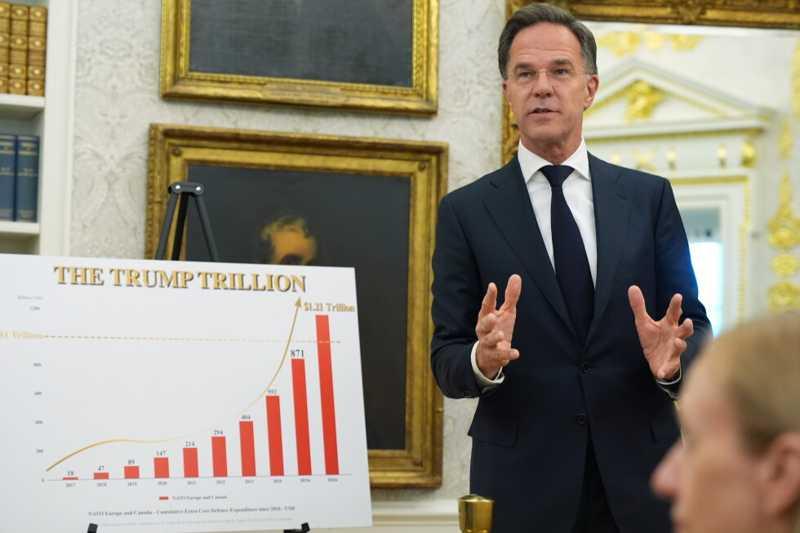
NATO chief faces challenge at summit as Trump demands loyalty and not just burden-sharingSince he started work as NATO secretary-general almost two years ago, Mark Rutte has spent much of his time trying to keep the United States anchored to the worlds biggest military alliance. #News #Trump #NATO #Rutte
mastodon bot · about 2 months ago
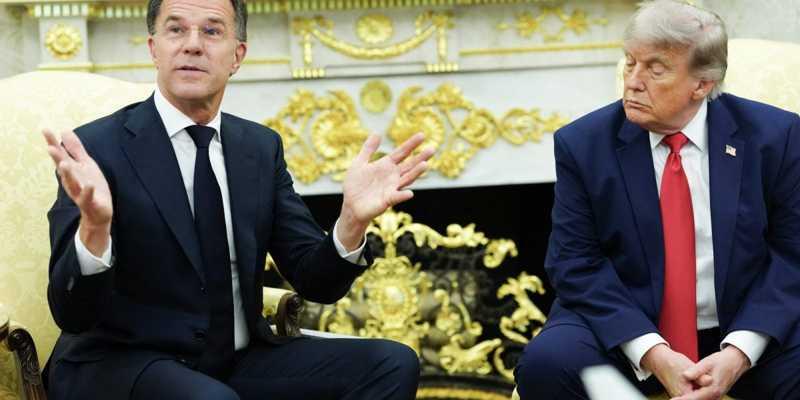
Trump moves the goalposts for NATO after demanding members spend more. We dont need their money — we dont need anything. I just want loyalty | FortuneTrump suggested he might have skipped the upcoming summit entirely were it not being hosted by Turkish President Recep Tayyip Erdogan. #News #Trump #NATO #Rutte
mastodon bot · about 2 months ago
US control of frontier AI hangs over NATOs Ankara summit Donald Trump arrives at next weeks NATO summit in Ankara holding unusual leverage, because the US decides which allies get access to the worlds most advanced AI, Politico reports. The alliance meets on 7 and 8 July with AI security questions hovering over the agenda. A new wave of models from Anthropic and OpenAI can find […] This story continues at The Next Web
the next web · about 2 months ago
Trump threatens to skip NATO summit in Turkey, raising stakes for alliance
gdeltproject.org · about 2 months ago

Europeans to fill almost all gaps left by US in #NATO defense plans.In a matter of weeks, European allies have largely filled the gaps left by U.S. reductions to the NATO Force Model, NATOs top commander, U.S. Air Force General Alexus Grynkewich 1/2www.defensenews.com/global/europ...Europeans to fill almost all g...
mastodon bot · about 2 months ago
Netanyahu, Trump agree to meet in US amid strained ties Israeli Prime Minister Benjamin Netanyahu and US President Donald Trump agreed during a phone call to hold a meeting in the United States "in the near future," Netanyahus office confirmed. The conversation also touched on US-Israel ties and regional developments, with no date yet set for the visit.
yenisafak · about 2 months ago
Zelensky discusses coordination of peace diplomacy with Macron Ukrainian President Volodymyr Zelensky discussed with French President Emmanuel Macron the coordination of diplomatic efforts to achieve peace, the situation on the front lines, and Ukraines need for additional air defense systems.
ukrinform · about 2 months ago
Ukraine setting new military standards for NATO – Turkish defense expert Ukraine has become a driving force behind changes in modern warfare, military training, and defense technology development. The war in Ukraine has become NATOs most important military "learning" process in the past 30 years.
ukrinform · about 2 months ago