
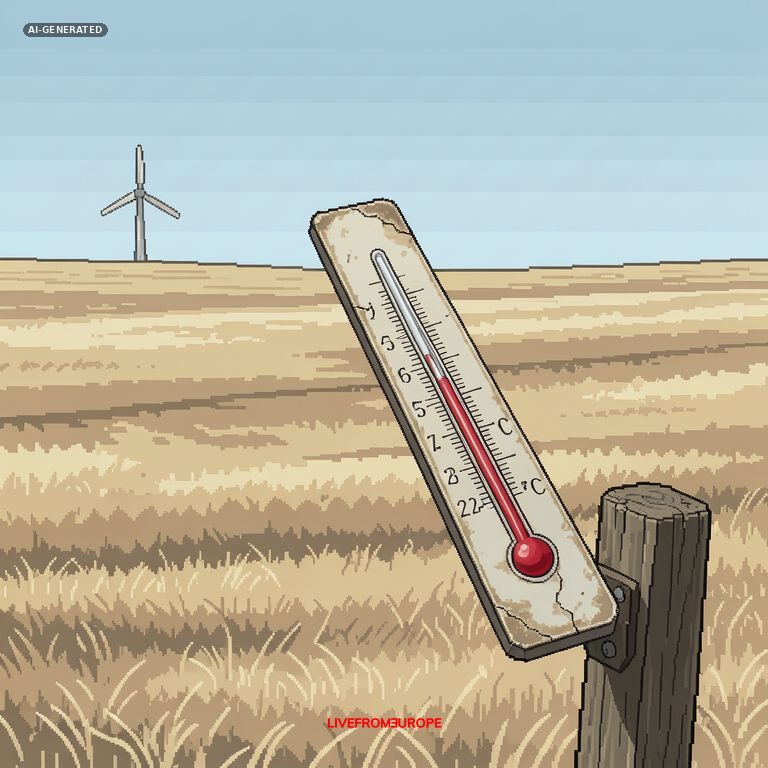
Global average temperatures have exceeded 2°C above pre-industrial levels for six consecutive days, hitting a record 2.24°C on Monday.
The streak, which began on 18 November and continued through Monday, is the first time daily global surface temperatures have remained above the 2°C threshold for such a duration. The reading on Monday surpassed the previous daily record of 2.05°C set in 2023. Only twice before—in November 2023 and February 2024—have daily temperatures exceeded 2°C, and those episodes were shorter and less intense.
While the six-day spike does not constitute a permanent breach of the Paris Agreement's 2°C limit, which is measured over multi-year averages, scientists describe it as an early indication of accelerating warming. The planet's current average warming stands at approximately 1.4°C, and the UN has stated the world will inevitably exceed the 1.5°C target, heading toward at least 1.8°C.
The temperature surge stems from long-term warming driven by fossil fuel combustion combined with an unusually strong El Niño event. The last El Niño of comparable magnitude occurred in the 1870s and triggered a mass famine that killed 50 million people, according to Samantha Burgess, strategic lead for climate at the Copernicus Climate Change Service. Scientists expect the current El Niño to peak between now and January, though its full effects will be felt months later.
The excess heat is already triggering feedback mechanisms that worsen the climate crisis, including droughts and wildfires in the tropical rainforests of Indonesia and the Amazon. The UK Met Office predicts atmospheric carbon dioxide concentrations will rise sharply in coming months as drought slows vegetation growth in tropical ecosystems, reducing their carbon uptake. Richard Betts, head of climate impacts research at the Met Office Hadley Centre, said CO2 levels will increase by about 3.5 parts per million from this year to next. That is one-third faster than in previous years and nearly double the rate compatible with limiting warming to 1.5°C.
"This is an extraordinary anomaly in global temperature," Burgess said. "We have been recording record global temperatures for several months now. Although temperatures fluctuate from day to day, such high values are a striking indication of how much the climate has warmed." Zeke Hausfather, a climate researcher at Berkeley Earth, commented: "Another day, another global temperature record," adding that the 2023 record had been "convincingly broken."
The record coincides with the failure of the COP31 climate talks in Antalya, Turkey, which ended this month without a final agreement after references to fossil fuels were removed from the text. UN Secretary-General António Guterres warned of accelerating global warming, which makes extreme weather events more intense and deadly.
Despite the severity of the data, experts at Climate Central indicate that days above 2°C remain statistical exceptions rather than the norm.