Loading…
 Saturday, September 26Saturday, September 26
4 months · 9 summary articles
The European Union is preparing for a decisive confrontation with China over what leaders describe as an “export tsunami” threatening key industries, with cement among the sectors most exposed to predatory competition. At an emergency summit in Brussels on Wednesday, heads of state and government agreed to adopt a package of defensive measures, including provisional tariffs and stricter anti-subsidy probes, after months of internal debate. Germany, the bloc’s largest economy and a major cement producer, is taking a leading role in shaping the response, according to officials cited by *Handelsblatt* .
The urgency stems from a sustained surge in Chinese cement exports, which have undercut European producers on both price and quality. Czech industry analysts warn that the combination of lower production costs, massive export capacity and alleged predatory pricing is eroding competitiveness across Central Europe. “Chinese competition is now crushing European industry not only on cost but on quality,” wrote former Czech finance minister Ivan Mikloš in *Denik N*, adding that the Czech Republic ranks among the most vulnerable countries .
EU officials have framed the measures as a necessary defense against what they call “unfair trade practices,” echoing language used in Washington and Tokyo. A draft communiqué circulated ahead of the summit, seen by *Reuters*, states that the bloc will “speak softly but hold the stick ready,” signaling a dual strategy of dialogue and deterrence . Provisional tariffs on selected Chinese cement grades could be announced within weeks, pending the outcome of ongoing anti-dumping investigations launched in March.
Not all voices favor confrontation. A commentary in *L’Express* quoting a Xi Jinping ally argued that China can still help Europe “become better,” urging Brussels to focus on collaboration rather than confrontation . Yet at the summit, European Commission President Ursula von der Leyen insisted that “defending our strategic industries is not a choice—it is a necessity,” a position echoed by Irish Taoiseach Simon Harris, who told *The Irish Times* that Europe must “stand up for itself” against practices that distort markets .
Industry representatives welcomed the move but cautioned that tariffs alone may not suffice. “We need a comprehensive industrial strategy that combines trade defense with investment in green cement technologies,” said a spokesperson for the European Cement Association. With the provisional measures expected to take effect by late July, the coming weeks will test whether Brussels can balance assertiveness with unity—and whether Beijing will retaliate.
Follow us for live European news
2 further sources not geolocated

"La Chine peut aider les Européens à devenir meilleurs" : les leçons dun universitaire proche de Xi Jinping
lexpress · 3 months ago

EU-Gipfel: „Sprich leise und halte den Knüppel bereit: Wie die EU sich auf einen Showdown mit China vorbereitet Auf dem EU-Gipfel schmieden die Regierungschefs einen Plan, um die europäische Industrie gegen die chinesische Exportschwemme zu verteidigen. Deutschland spielt dabei eine Schlüsselrolle.
handelsblatt · 3 months ago
Čínská konkurence drtí evropský průmysl už i kvalitou. Česko patří mezi nejohroženější země Komentář Ivana Mikloše: Čínská konkurence ohrožuje evropský průmysl kombinací nižších výrobních nákladů, obrovských exportních kapacit a predátorských praktik. Evropské firmy to považují za nekalou konkurenci.
denik n · 3 months ago
Cement Europe defines challenges ahead for the European cement sector
gdeltproject.org · 3 months ago
European leaders debate getting tough on China: We have to defend ourselves – The Irish Times
gdeltproject.org · 3 months ago

How does the EU protect itself from Chinese trade dominance? reut.rs/4uNbl8a
bluesky bot · 3 months ago
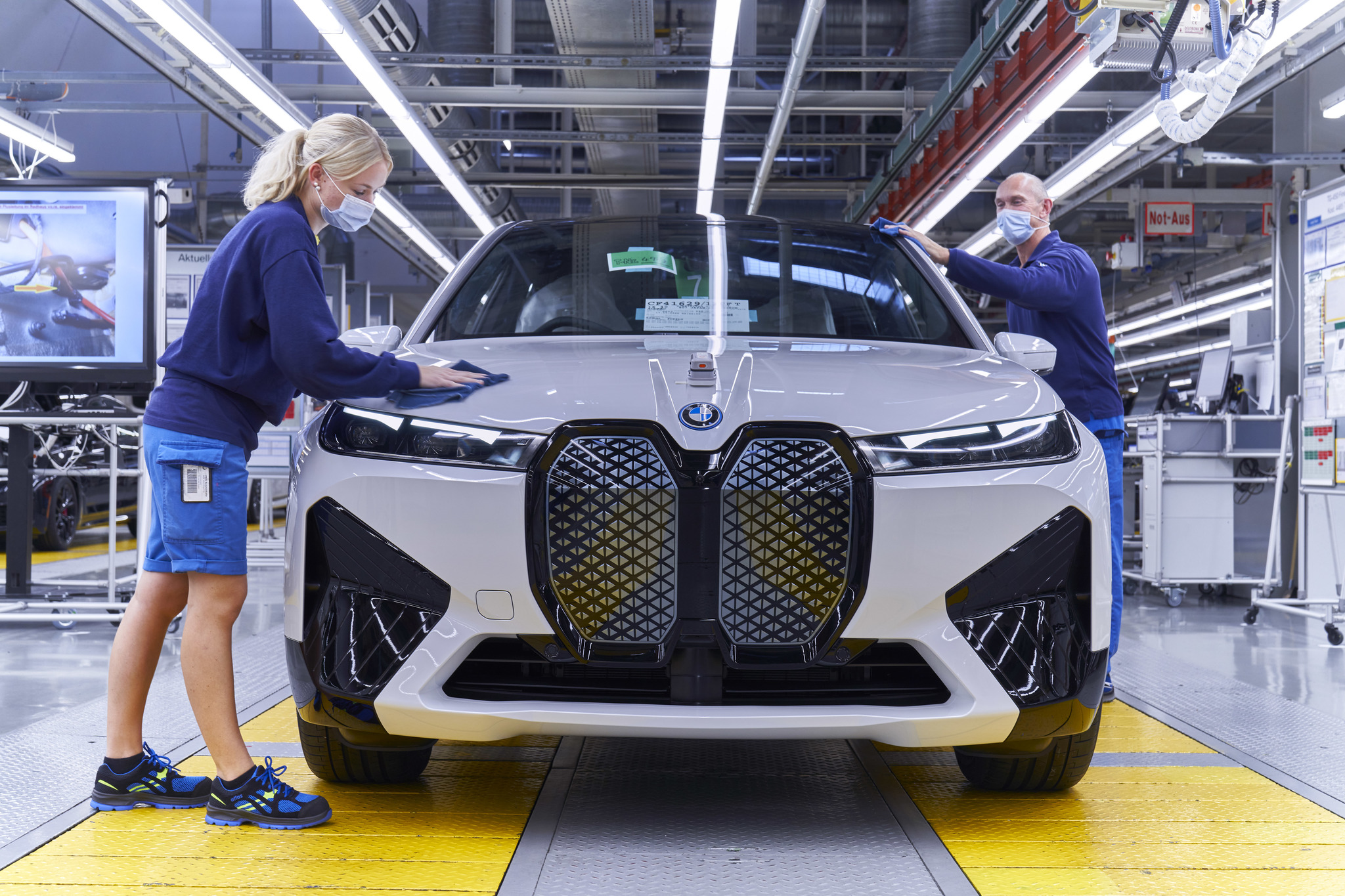
BMW da la voz de alarma mientras China presiona a los fabricantes europeos de automóviles Los fabricantes chinos han aumentado su cuota de mercado en Europa al mismo tiempo que fortalecen su posición en su mercado nacional. Leer
expansion · 3 months ago