
EU delays trade confrontation with China, prioritizes dialogue over tariffs
Story Timeline
4 months · 12 summary articles
The European Union has decided to delay any confrontation with China and focus on dialogue, following a summit in Brussels. This decision comes as the EU prepares tariffs on Chinese plug-in hybrids to counter distorting subsidies, but recognizes the potential risks of a trade war.
The EU is preparing tariffs on Chinese plug-in hybrids to counter what it sees as distorting subsidies, according to reports from Handelsblatt and Reuters. This move is aimed at addressing the growing trade deficit with China, which reached 360 billion euros in 2025, and further widened to nearly 95 billion euros in the first quarter of 2026 .
However, the summit's decision to delay confrontation suggests a more cautious approach. The EU summit, concluding early Friday, agreed on a two-pillar approach to address global macroeconomic imbalances: European unity and dialogue with major economic partners .
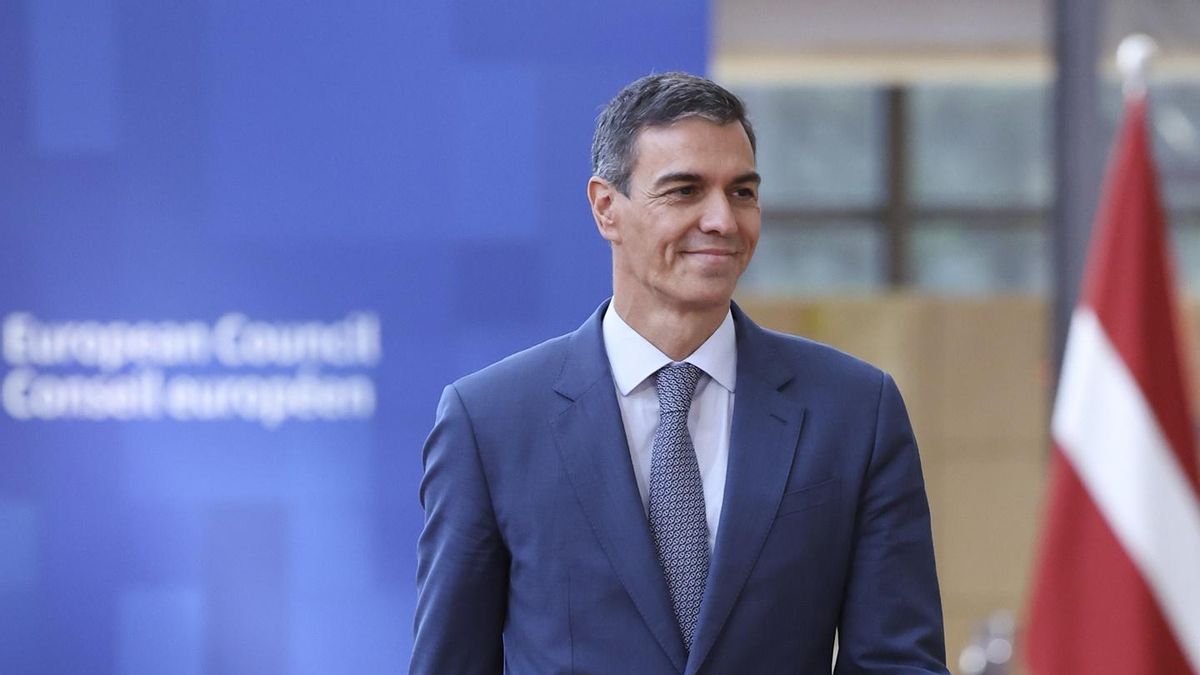
This reflects a division within the EU, with countries like Spain and Greece favoring dialogue, while others, such as France and Italy, prefer a tougher stance. Spanish Prime Minister Pedro Sánchez emphasized the need for dialogue, stating, "We need friends, we need balanced relationships, we need to be pragmatic, and we need to build bridges with major economies like China" .
The trade deficit between the EU and China has been a growing concern. In 2025, the deficit reached 360 billion euros, with the first quarter of 2026 seeing a further widening to nearly 95 billion euros. This imbalance is seen as unsustainable and a threat to European industry .
Despite the decision to delay confrontation, the EU has not ruled out future measures. The summit's communiqué stated that the EU would develop and potentially expand its tools for commercial defense and industrial policy to ensure it has all the necessary tools to defend its interests and reduce risks .
The division within the EU was evident during the summit. Countries like France, Italy, the Netherlands, Poland, Belgium, and Denmark pushed for a tougher stance on China. Germany, which initially supported a harder line, eventually took a more moderate position alongside Finland, Sweden, and Ireland .
The decision to delay confrontation reflects the EU's recognition of its dependence on Chinese components and raw materials. A diplomatic source admitted that a trade war with China could have disastrous consequences for EU businesses .
The EU's approach to China will now enter a period of study and approval, which could take several years due to bureaucratic procedures. This delay allows the EU to continue dialogue with China while preparing for potential future measures .
In the meantime, the EU will focus on diversifying its trade, reducing risks, and strengthening its strategic autonomy. This approach aims to balance the need to address trade imbalances with the reality of the EU's economic interdependence with China .
The summit's decision underscores the complexity of the EU's relationship with China, balancing economic interests with the need to defend European industries from what are seen as unfair trade practices .
Follow us for live European news
- 1
- 1
- 1
2 further sources not geolocated
Articles

Handel: EU bereitet Zölle auf chinesische Plug-in-Hybride vor Die EU will Zölle auf aus China importierte Plug-in-Hybride erheben, um verzerrende Subventionen auszugleichen. Beim EU-Gipfel könnten die Regierungschefs ihre Zustimmung geben.
handelsblatt · 3 months ago
Handelsstreit mit China: EU-Gipfel setzt auf Dialog
orf.at · 3 months ago

EU prepares tariffs on Chinese plug-in hybrids, Handelsblatt reports reut.rs/3ShDIO8
bluesky bot · 3 months ago
España convence y la UE retrasa el enfrentamiento comercial con China La Unión Europea admite que tiene que seguir "reduciendo riesgos, disminuyendo sus dependencias y reforzando su autonomía estratégica" ante países como el gigante asiático antes de iniciar una guerra económica, aunque estudiará nuevas medidas de defensa comercialEspaña plantea negociar con China frente a los países europeos que proponen abrir una nueva guerra comercial El presidente del Gobierno, Pedro Sánchez, llegó este jueves a la cumbre de Bruselas proponiendo que Europa lo que necesita son amigos ante las propuestas de un grupo de países encabezados por Francia para iniciar una guerra comercial con China. Tras horas de negociaciones que acabaron esta madrugada, los líderes europeos han acordado retrasar la confrontación comercial con el gigante asiático ante la división de opiniones dentro del bloque europeo. En un comunicado escueto, los 27 países miembros de la UE han pactado que ante los desequilibrios macroeconómicos globales requieren una respuesta europea basada en dos pilares: la unidad europea y el diálogo con nuestros principales socios económicos. Esta respuesta europea se va a construir manteniendo un diálogo constructivo con nuestros principales socios económicos, con el fin de defender nuestros intereses económicos y de seguridad, que es la posición que ha defendido España. Además, se ha acordado desarrollar y, eventualmente, ampliar el conjunto de instrumentos en materia de defensa comercial y política industrial, para garantizar que la Unión Europea disponga de todas las herramientas necesarias para defender sus intereses y reducir riesgos, que es la postura que mantiene Francia. Ahora bien, la UE inicia ahora un periodo de estudio y aprobación lo que puede suponer varios años de trámites burocráticos. La clave del comunicado está en la parte de que la UE debe seguir diversificando su comercio, reduciendo riesgos (derisking), disminuyendo sus dependencias y reforzando su autonomía estratégica. Con la fuerte dependencia de la industria europea de componentes y materias primas que controla China no es posible afrontar un conflicto comercial sin consecuencias desastrosas, como admitió un diplomático, para las empresas de la UE. No había diferencias a la hora de analizar la situación: la sobreproducción de China y el déficit comercial de Europa no son sostenibles y amenazan a la industria de la UE. Los datos son elocuentes: El déficit comercial de la Unión Europea con China alcanzó los 360.000 millones de euros en 2025. En el primer trimestre de 2026, el déficit siguió ampliándose hasta casi los 95.000 millones, cuando en el mismo periodo del año anterior llegó a los 88.400 millones. Sin embargo, hay muchas diferencias sobre cómo abordar este reto. De hecho, la Comisión Europea planteó la situación hablando de desequilibrios macroeconómicos globales sin mencionar al país asiático. China ya ha demostrado cuando la UE aprobó aranceles sobre los coches eléctricos y respondió con tasas sobre el vino o los productos del cerdo que tiene fuerza para hacer daño a las empresas europeas. También hay que recordar que con la avalancha de aranceles que propuso el presidente de EEUU, Donald Trump, China contraatacó con controles a la exportación de tierras raras que convulsionó a los fabricantes de todo el mundo. Entonces la industria europea del automóvil y otros fabricantes de productos electrónicos advirtieron que si se alargaba el frenazo a la distribución de minerales críticos tendrían que paralizar las fábricas. Con este contexto, países como España y Grecia abogaban por mantener el diálogo con China y abandonar las posiciones más beligerantes. Necesitamos amigos, necesitamos relaciones equilibradas, necesitamos ser pragmáticos y necesitamos tender puentes tanto con grandes economías, potenciales aliados como es China, o con tradicionales aliados como es el caso de Estados Unidos, comentó Sánchez. En el otro lado, Francia, Italia, Países Bajos, Polonia, Bélgica y Dinamarca querían una posición más dura y que la UE utilice más instrumentos de defensa comercial frente al país asiático. En una situación intermedia se ha quedado Alemania, que antes de la reunión apostó por una respuesta más dura, luego ha matizado su posición y se ha queda en el medio junto a Finlandia, Suecia o Irlanda.
eldiario.es · 3 months ago
China Brand Fair opens in Budapest to deepen China-CEE economic cooperation--China Economic Net
gdeltproject.org · 3 months ago