
Oman opens temporary Hormuz corridor as Qatari LNG tankers resume transit
Story Timeline
3 months · 18 summary articles
Oman’s opening of a temporary maritime corridor in the Strait of Hormuz on Wednesday has swiftly eased tensions in one of the world’s most critical shipping lanes, as two Qatari liquefied natural gas (LNG) tankers transited the strait on Thursday under the new UN-backed initiative. The corridor, coordinated with the International Maritime Organization (IMO), allows vessels to pass without tolls while requiring prior coordination with the IMO, marking a tentative recovery in Gulf energy shipments after months of wartime disruption.
The move follows a US-Iran agreement to reopen the strategic waterway, which had been closed since late February when the US and Israel launched military action against Iran. Brent crude prices fell 1.7% to below $72.50 per barrel on Thursday as more than 20 oil tankers carrying 35 million barrels of crude resumed passage, easing wartime supply fears . Maritime traffic has picked up over the past few days, though uncertainty lingers for the shipping industry as disagreements over potential tolls can still derail US-Iran talks .
Despite Iran’s Revolutionary Guards warning that any unauthorized crossing of the strait is “unacceptable” and vowing unspecified measures against non-compliant vessels, at least two tankers—including the *Stoic Warrior* under Liberian flag—have navigated the route by hugging the coasts of the United Arab Emirates and Oman . Two Qatari LNG carriers also completed the transit on Thursday, signaling a cautious rebound in Gulf trade .
Qatar’s prime minister, Sheikh Mohammed bin Abdulrahman Al Thani, arrived in Muscat on Thursday for talks with Omani officials, underscoring Doha’s mediating role between Tehran and Washington in pursuit of a lasting peace agreement . Meanwhile, Denmark’s parliament approved participation in a European-led naval mission to the strait, joining a multinational effort to bolster security in the region .
The temporary corridor, which follows Oman’s announcement on Wednesday, has already allowed over 1,150 stranded commercial ships and 11,000 seafarers to resume operations. A joint Omani-Iranian working group has been formed to negotiate long-term transit administration, though disputes over tolls and authorization remain unresolved. For now, the strait’s reopening offers a fragile but significant reprieve for global energy markets and maritime trade.
Follow us for live European news
- 2
- 1
- 1
- 1
- 1
- 1
- 1
- 1
- 1
- 1
- 1
4 further sources not geolocated
Articles

Fleet Management Champions Silent Seafarers Navigating Rising Geopolitical Tensions HONG KONG SAR - Media OutReach Newswire - 25 June 2026 - To mark the International Day of the Seafarer, Fleet Management Limited (Fleet Management) has called for greater global recognition of the "silent professionals" keeping global supply chains moving, alongside the launch of "Pulse", its new ...
the slovenia times · 2 months ago
Die neue Macht der Meerengen: Indien will die wichtigste Handelsstraße für chinesische Exporte kontrollieren Auf einer Inselgruppe in der Nähe der Straße von Malakka baut Indien Militäranlagen aus. So könnte das Land den Schiffsverkehr in der Region kontrollieren – und seinen Rivalen China.
tagesspiegel · 2 months ago
Oman opens temporary maritime corridor in Strait of Hormuz Oman has announced the opening of a temporary maritime corridor for vessels transiting the Strait of Hormuz, coordinated with the International Maritime Organization. The measure aims to ensure freedom of navigation without imposing tolls, following recent US-Iran diplomatic efforts. Ships must coordinate with the IMO to use the route.
yenisafak · 2 months ago
Qatari LNG tankers transit Hormuz as Gulf trade rebounds Two Qatari liquefied natural gas carriers transited the Strait of Hormuz on Thursday as security concerns eased following recent peace talks between Washington and Tehran, marking a tentative recovery in energy shipments through the strategic chokepoint after months of severe wartime disruption.
yenisafak · 2 months ago
Deși a semnat un acord cu SUA, Iranul amenință navele din Strâmtoarea Ormuz: Orice traversare fără autorizaţie este „inacceptabilă Corpul Gardienilor Revoluţiei Islamice din Iran (IRGC) a avertizat joi cu privire la oricare traversare a Strâmtorii Ormuz fără autorizaţia sa şi a ameninţat navele care nu se vor conforma cu „măsuri adecvate.
digi24 · 2 months ago
Oljetanker gjennom Hormuzstredet tross iranske trusler En oljetanker som seiler under liberisk flagg, har seilt gjennom Hormuzstredet til tross for trusler fra den iranske…
aftenposten · 2 months ago
Maritime traffic picks up in Strait of Hormuz, but uncertainty lingers Oil prices continue their slide on Thursday as traffic through the Hormuz Strait has picked up over the past few days. Uncertainty lingers for the shipping industry, though, as disagreements over a potential toll to pass through the Strait could be a stumbling block in US-Iran talks. Also in this edition, US chipmaker Microns better-than-expected sales forecast sends AI stocks surging again.
france24 · 2 months ago
Daily on Energy: Wright confident the Strait of Hormuz will stay open
gdeltproject.org · 2 months ago
Cyprus shipping industry honours seafarers on global awareness day Cyprus shipping industry has joined the global maritime community in marking this years Day of the Seafarer, paying tribute to the people who keep goods, energy and food moving across the world while often carrying the heaviest risks out of public view. The Cyprus Shipping Chamber (CSC) said seafarers remain at the centre of global supply chains, even if their role is rarely […]
cyprus mail · 2 months ago
Evacuatie 11.000 zeevarenden bij Hormuz gaat enkele weken duren Het duurt "enkele weken" voor de ongeveer 11.000 zeevarenden die vastzitten in de Straat van Hormuz, zijn geëvacueerd. Dat is de verwachting van de scheepvaartorganisatie van de VN. Er zitten ongeveer zeshonderd schepen vast.
nu.nl · 2 months ago
Qatari PM visits Oman after Iran-Hormuz talks as mediation continues Qatari Prime Minister Sheikh Mohammed bin Abdulrahman Al Thani arrived in Muscat for talks following a new agreement between Oman and Iran on navigation in the Strait of Hormuz. The visit comes as Qatar continues its mediating role between Tehran and Washington toward a lasting peace agreement.
yenisafak · 2 months ago
Qatari PM says $300B Iran reconstruction fund aspirational Qatari Prime Minister Sheikh Mohammed bin Abdulrahman Al Thani said a proposed $300 billion investment fund for Iran represents an "aspirational number," noting that Gulf states could participate only if Tehran reaches a definitive settlement with the United States.
yenisafak · 2 months ago
Oil prices retreat as Strait of Hormuz reopens to tankers Brent crude fell 1.7 to below $72.50 per barrel on Thursday as more than 20 oil tankers carrying 35 million barrels of crude resumed passage through the Strait of Hormuz following the US-Iran agreement to reopen the strategic waterway, easing wartime supply fears.
yenisafak · 2 months ago
Iran: Varnar fartyg för otillåtna Hormuzresor Det iranska revolutionsgardet varnar på torsdagen fartyg för att segla genom Hormuzsundet utan tillstånd. Fartyg som inte förhåller sig till det kommer att bli föremål för åtgärder, enligt ett uttalande.
svenska dagbladet · 2 months ago
Hormuz, istruzioni per luso: le regole dellagenzia marittima Onu per uscire dallo Stretto Lordine dellImo ai comandanti delle navi bloccate nel Golfo è diventato elementare: restate dove siete, aspettate di essere contattati, seguite soltanto le istruzioni degli Stati costieri
corriere · 2 months ago
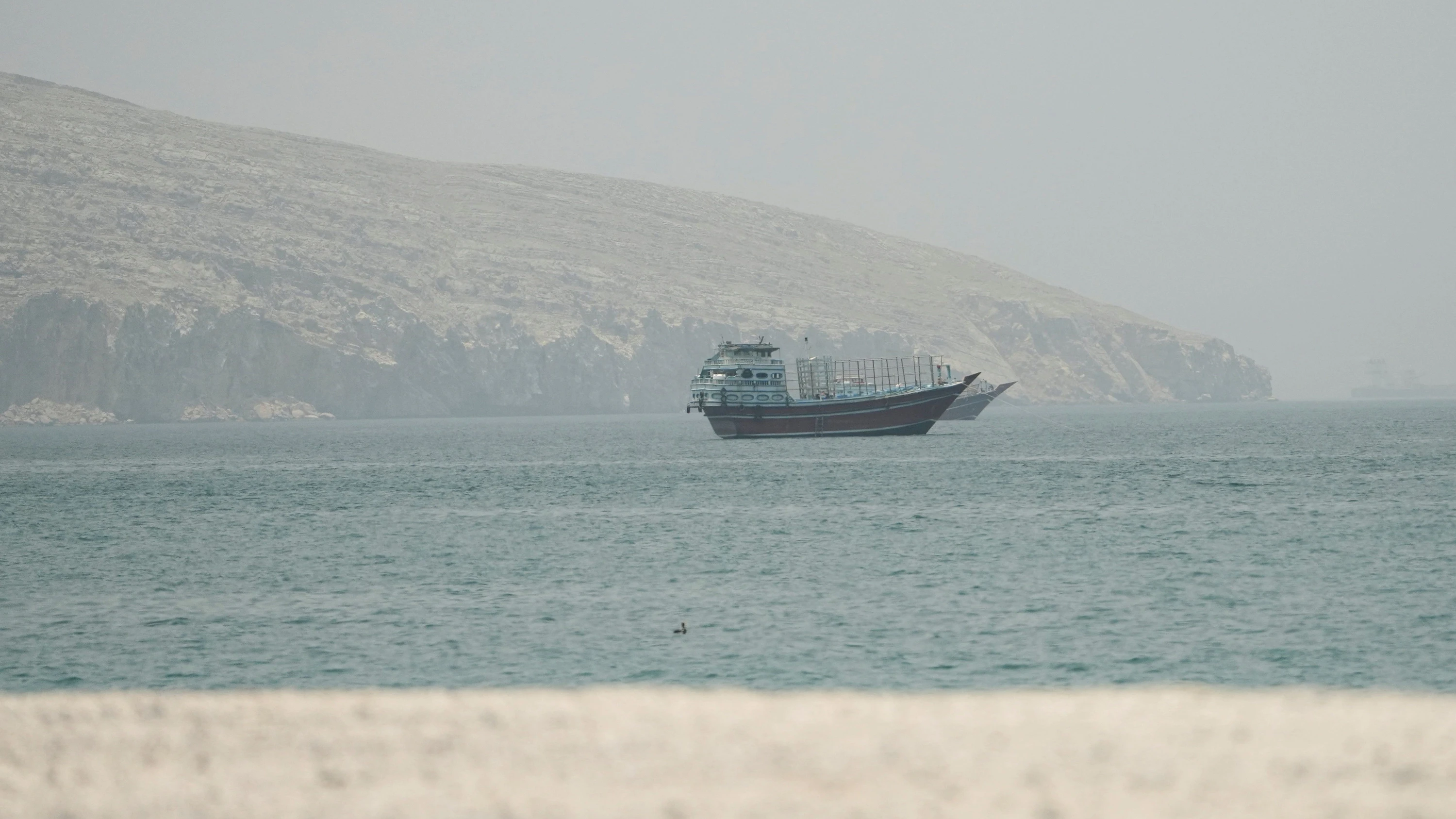
Liveblog Irankrieg: Iran warnt vor unabgestimmter Durchfahrt durch Straße von Hormus Teheran: Abstimmung über Funk zwingend erforderlich +++ Trump lobt Rutte und kritisiert NATO-Partner +++ Oman richtet temporären Seekorridor durch Straße von Hormus ein +++ alle Entwicklungen im Liveblog
faz · 2 months ago
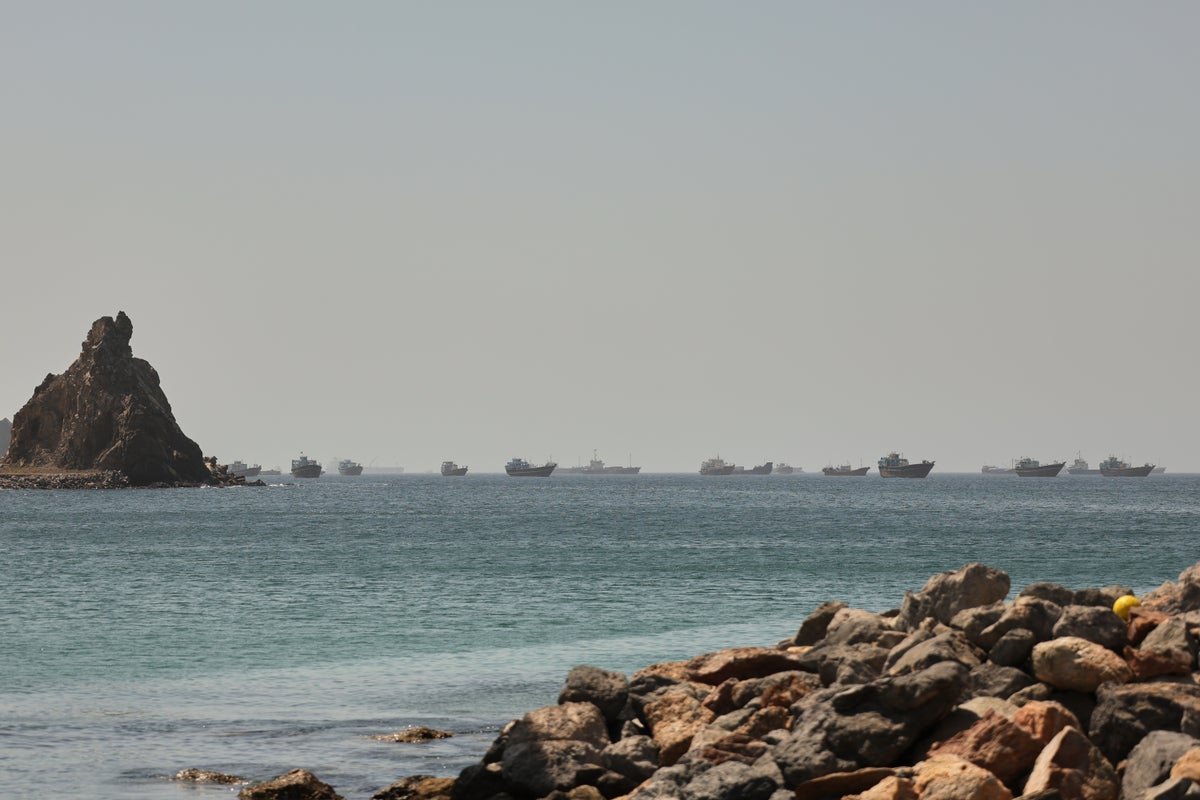
Stoic Warrior oil tanker navigates the Strait of Hormuz despite Iran threats The Stoic Warrior took off early Thursday morning on a trip that saw it hug the coast of the United Arab Emirates and then Oman
independent · 2 months ago
Maersk sails two ships out of the Strait of Hormuz Maersk has sailed two ships, Maersk Baltimore and a chartered vessel, out of the Strait of Hormuz. The ships left the Persian Gulf late Wednesday evening and early Thursday. Maersk confirmed both voyages were successful without issues, based on security assessments and recommendations from regional security partners. Following their departure, Maersk has three ships remaining […]
cphpost · 2 months ago
Danish Parliament approves Strait of Hormuz mission The Danish Parliament has decided to send personnel to the Strait of Hormuz, which has been closed since the US and Israel initiated a war against Iran in late February. Following a vote on Thursday, Denmark will provide military contributions to a European-led multinational mission and the EUs naval operation. This initiative aims to strengthen […]
cphpost · 2 months ago
Iran warns against Hormuz crossings without authorisation An oil tanker navigates the strait, reportedly hugging the western coast, despite threats from Revolutionary Guards.
aljazeera · 2 months ago
The U.S. Navys Subsea Rare Earth Vulnerability The Columbia-class ballistic missile submarine is the next generation of American nuclear deterrence. Twelve of these boats will replace the aging Ohio-class fleet, entering service over the 2030s and 2040s, each carrying 16 Trident IIs and driven by a ghost-quiet electric motor that renders them acoustically invisible to any adversary. What makes all of that possible — the propulsion, the stealth, the strike precision — depends almost entirely on rare earths refined in China. This is perhaps the Navys most consequential and least discussed vulnerability.The dependency runs through every layer of the capability stack. The subs permanent magnet motor requires The post The U.S. Navys Subsea Rare Earth Vulnerability appeared first on War on the Rocks.
war on the rocks · 2 months ago
Militär an der Meerenge von Malakka: Bereitet Indien eine Blockade der Handelsstraße vor? Auf einer Inselgruppe in der Nähe der Straße von Malakka baut Indien Militäranlagen aus. So könnte das Land den Schiffsverkehr in der Region kontrollieren – und seinen Rivalen China.
tagesspiegel · 2 months ago