eldiario.es
Derecho internacional vivito y coleando En estos tiempos escacharrados de autócratas viene bien recordar que las reglas y las instituciones para cumplirlas siguen existiendo. A veces, incluso consiguen frenar o pedir cuentas a quienes se creen impunes. Apoyar los procesos, financiarlos y respetarlos cuenta más que cualquier soflama política. Y también reconocer a las personas como Philippe Sands que, sin fanfarrias y sin afán de protagonismo, hacen tanto por la justicia en cada rincón del planetaENTREVISTA - Philippe Sands: "La idea de que el derecho internacional está muerto es absurda"
Esta primavera, Philippe Sands, el abogado de derechos humanos y escritor, me contaba que para él había sido "surrealista" estar en La Haya a principios de este año y leer desde allí las afirmaciones contundentes de políticos y activistas sobre "el fin del derecho internacional".
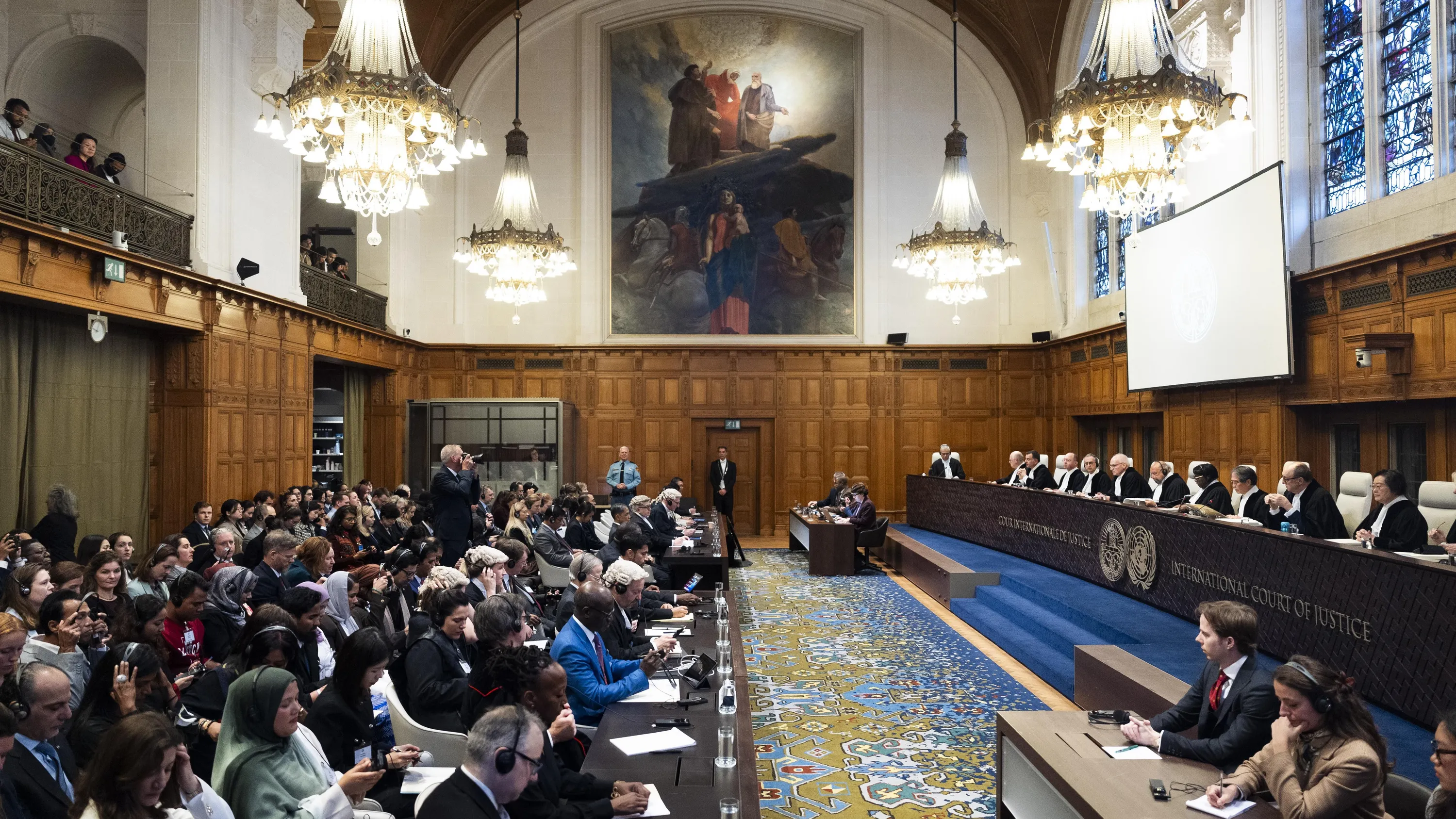
Sands ha sido abogado de Gambia en el largo proceso contra Myanmar por genocidio. "Allí estábamos en la Corte Internacional de Justicia, en el Gran Salón del tribunal. Myanmar compareció y argumentó el caso ante 16 jueces. Gambia presentó sus argumentos. Myanmar presentó su defensa. Habrá una sentencia y se basará en el derecho internacional. No es un juego. No es una ilusión", me decía en abril, en Perugia.
Recordaba las sesiones más duras, a puerta cerrada, con testimonios de lo ocurrido en el norte del estado de Rakhine contra la minoría allí. "Esos tres días de audiencias fueron extenuantes, muy dolorosos. Pero las personas tuvieron la oportunidad de contar sus historias ante un tribunal. Eso no es poca cosa", recordaba Sands cuando hablamos en Italia. El gran especialista en esto insistía en que, en contra de la visión más agorera, "la idea de que el derecho internacional está muerto es absurda".
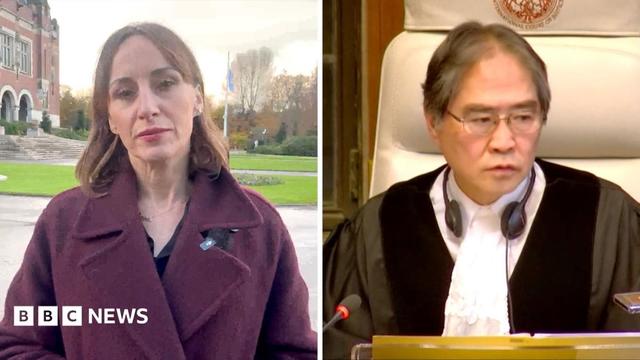
La sentencia contra Myanmar anunciada este jueves es importante también por el precedente que sienta. La corte ha declarado por primera vez en su historia que un Estado es responsable de "actos de genocidio". Nunca había sucedido algo así. El tribunal no lo hizo con Serbia: dijo que hubo un genocidio en Srebrenica, pero solo atribuyó al Estado serbio la responsabilidad de no haberlo prevenido.
Durante las audiencias en La Haya a principios de año, "el elefante en la habitación", decía Sands, era el caso de Sudáfrica contra Israel, que sigue pendiente. "Tendremos que leer muy cuidadosamente la sentencia en el caso de Gambia contra Myanmar para hacernos una idea de que hará el tribunal en el caso de Sudáfrica contra Israel", comentaba, con el cuidado habitual en la elección de las palabras de quien más sabe.
Es difícil encontrar a una persona que haya dedicado tanto tiempo a luchar por la justicia internacional como Sands. Lo ha hecho con su trabajo como su abogado representando a víctimas desde Croacia a Chagos y con sus libros, entre ellos el ensayo personal que mejor explica el origen del concepto de genocidio, Calle Este-Oeste, una gran lección de historia ucraniana y europea.
Los casos de guerras, represión y colonización en los que Sands ha estado involucrado son duros y a menudo despiertan preguntas sobre la impunidad y sobre la utilidad las reglas acordadas entre países. Pero él mismo suele insistir en las reglas transfronterizas que se siguen respetando en nuestra vida diaria y que son invisibles porque funcionan.
Sands citaba en abril ejemplos, en apariencia pequeños, de la aplicación constante de las reglas internacionales, las que permitían el viaje que acababa de hacer de Londres a Perugia, o los mensajes de móvil que habíamos intercambiado un rato antes.
En estos tiempos escacharrados de autócratas y violentos viene bien recordar que las reglas y las instituciones para cumplirlas siguen existiendo. A veces, incluso consiguen frenar o pedir cuentas a quienes se creen impunes. Por eso, apoyar los procesos, financiarlos y respetarlos cuenta más que cualquier soflama política. Y también reconocer a las personas como Philippe Sands que, sin fanfarrias y sin afán de protagonismo constante, hacen tanto por la justicia en cada rincón del planeta.
Nada más conocerse la sentencia este jueves, le mandé a Sands un WhatsApp: "Tenías razón. El derecho internacional está vivito y coleando".
about 3 hours ago
human rights watch
World Court Finds Myanmar Committed Rohingya Genocide Click to expand Image
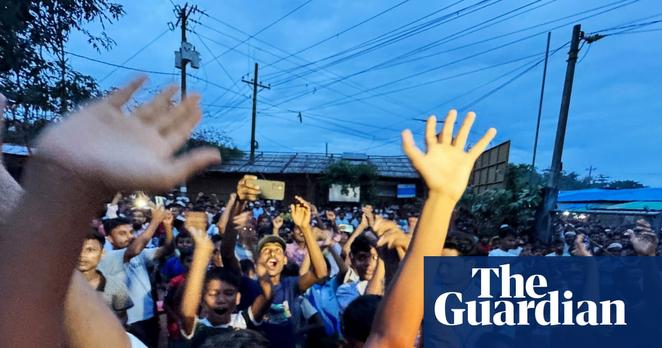
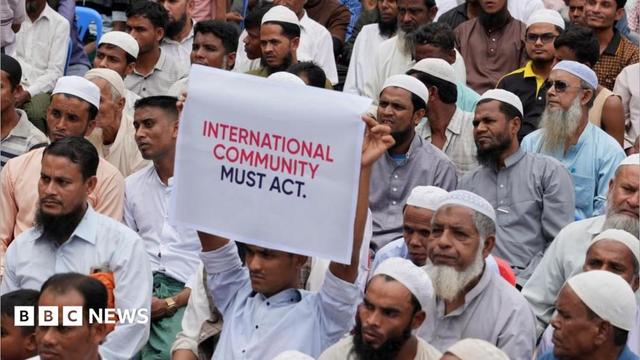
People gather outside the International Court of Justice following the landmark ruling that found Myanmar responsible for genocide against the Rohingya, The Hague, November 19, 2026.
© 2026 Human Rights Watch
(The Hague) – The International Court of Justice's (ICJ) landmark ruling that Myanmar committed genocide against the Rohingya is a historic milestone in their long quest for justice, Human Rights Watch said today. On November 19, 2026, the ICJ found Myanmar responsible for genocide against the Rohingya during the 2016-2017 "clearance operations," carried out by Myanmar's military. In the case brought by Gambia against Myanmar for alleged violations of the Convention on the Prevention and Punishment of the Crime of Genocide (Genocide Convention), the court ruled for Gambia, with a nine to six vote by the judges, that Myanmar committed genocide against the Rohingya. This is the first time that the ICJ found a country responsible for committing genocide. The court also found that Myanmar violated other obligations under the Genocide Convention, including the obligations to punish those responsible for genocide and to prevent genocide. The court's ruling is final and cannot be appealed."The landmark International Court of Justice ruling is long-awaited recognition of the suffering the Rohingya have endured from Myanmar's military," said Maria Elena Vignoli, senior international justice counsel at Human Rights Watch. "The ruling also provides a significant precedent for victims of genocide and other grave crimes across the world in their own search for justice."In August 2017, Myanmar's security forces began a sweeping campaign of massacres, rape, and arson against ethnic Rohingya in northern Rakhine State that forced more than 700,000 people to flee to neighboring Bangladesh. In November 2019, Gambia filed a case before the ICJ alleging that Myanmar's atrocities against the Rohingya constitute genocide and violate the Genocide Convention. This was also the first time that a country without any direct connection to the alleged crimes used its membership in the Genocide Convention to bring a case before the ICJ.The ICJ is the principal judicial organ of the United Nations, adjudicating disputes between states and issuing advisory opinions on international law. It consists of 15 judges elected by the UN General Assembly and Security Council for nine-year terms.In its ruling, the ICJ found that the evidence before it established that Myanmar's security forces, and other state organs, intentionally committed the genocidal acts of killing, causing serious bodily or mental harm, and imposing measures intended to prevent births against the Rohingya. Considering the totality of the evidence, the court concluded that Myanmar committed these acts with the requisite genocidal intent to destroy a substantial part of the Rohingya population of Myanmar. To reach this conclusion, it considered an array of relevant factors, including the general context, the selective targeting of the Rohingya, acts that violated the foundations of the Rohingya group, such as sexual violence and targeting children, and the systematic nature of Myanmar's actions.Based on these factors, the court found that Myanmar's genocidal intent was "the only reasonable inference" that could be drawn from the evidence before it. The judges rejected the possibility that other alternative intents, such as to carry out counterinsurgency operations or to forcibly displace the Rohingya, could reasonably explain Myanmar's conduct.In light of its findings, the court ordered Myanmar to cease its ongoing violations of the Genocide Convention, including its failure to enact legislation to give effect to the convention and its failure to investigate, prosecute, and punish genocide. It found that Myanmar needs to provide assurances of non-repetition and is obliged to prevent similar violations in the future. The court also established that Gambia was entitled to seek reparations on behalf of Rohingya victims and ordered Myanmar to provide them. These include forms of restitution such as allowing and facilitating the safe, voluntary and dignified return of the Rohingya to their place of residence, and the reunification of displaced families. Whenever restitution is materially impossible, the court ordered Myanmar to provide reparations in the form of compensation.The court's reasoning in this case is expected to have a profound impact on other pending cases before the ICJ regarding alleged violations of the Genocide Convention. This includes the case filed by South Africa against Israel in December 2023. Prior to the Myanmar judgment, US officials sought to pressure the ICJ and its judges with regard to the legal threshold for genocide. The US government has already sanctioned the International Criminal Court and several of its officials in an effort to shield senior US and Israeli officials from facing serious crimes charges before the court.In February 2021, following the November 2020 Myanmar elections won by Aung San Suu Kyi's National League for Democracy, the then-commander-in-chief, Sr. Gen. Min Aung Hlaing, led a military coup that overthrew the civilian government. More than five years later, Myanmar's military junta continues to commit war crimes and crimes against humanity throughout the country. Min Aung Hlaing installed himself as president through fraudulent elections in December 2025 and January 2026.In Rakhine State since late 2023, Rohingya civilians have been caught in the hostilities between the junta and ethnic Arakan Army forces. Both parties have carried out grave abuses, including extrajudicial killings, widespread arson, and unlawful recruitment. The Myanmar military continues to commit war crimes against the Rohingya and the crimes against humanity of apartheid, persecution, and deprivation of liberty. The Arakan Army, which now controls most of Rakhine State, has tightened repression of the Rohingya, including forced labor and arbitrary detention, and has committed grave violations of the laws of war amounting to war crimes.ICJ judgments are legally binding on the parties to the case. If one party considers that the other has failed to comply with the court's ruling, it may turn to the Security Council, which can "make recommendations or decide upon measures to be taken to give effect to the judgment." The Security Council has never acted upon this discretionary power.The UN General Assembly can galvanize political support to enforce ICJ judgments by adopting resolutions calling for compliance. Individual countries can also influence compliance through their bilateral engagement with the relevant party.Eleven countries that are parties to the Genocide Convention intervened in Gambia's case on limited issues relating to the construction of the convention. The court's interpretation of the convention on these issues becomes legally binding for them.The ICJ ruling is a clear reminder of the importance of independent judicial institutions in upholding international law, Human Rights Watch said. "Myanmar should swiftly comply with the World court's judgment and end its oppression of the Rohingya," Vignoli said. "Concerned governments should strongly support the Rohingya and promote justice for atrocities, press Myanmar's junta to comply with the judgment, and ensure the safe and voluntary return of Rohingya refugees to Myanmar."
about 9 hours ago
human rights watch
'Today the Truth Has Been Recognized' Click to expand Image
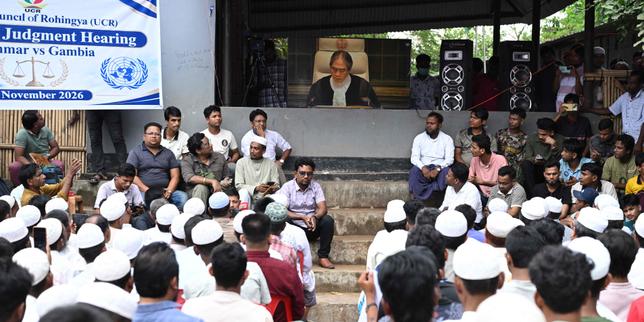
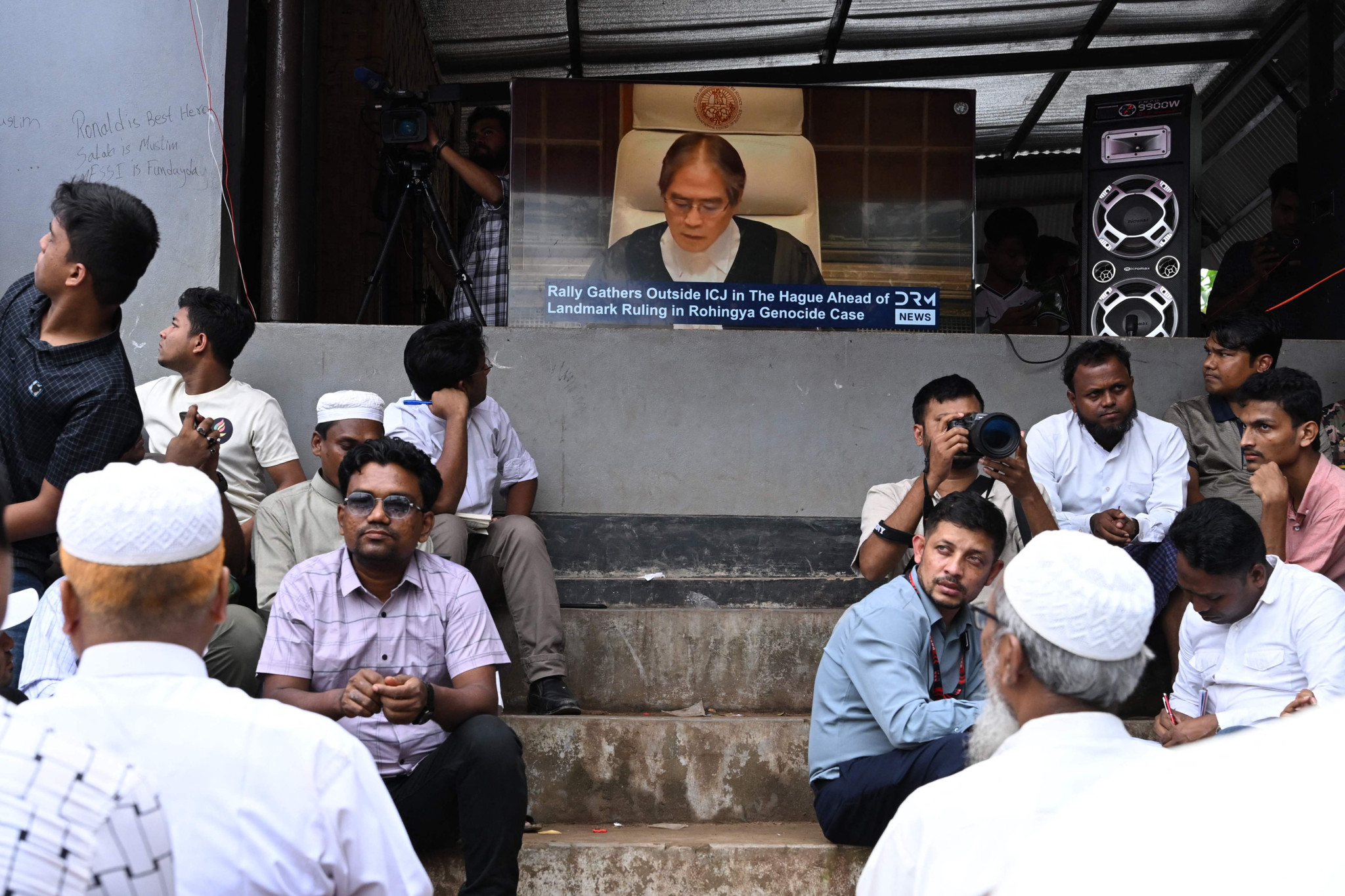
Rohingya community members gather before a television at Jamtoli Camp 15, Cox's Bazar, Bangladesh as they await the International Court of Justice's final judgment in the genocide case against Myanmar, November 19, 2026.
© 2026 Human Rights Watch
As the International Court of Justice in The Hague delivered its judgment on November 19 in the landmark case that Gambia brought against Myanmar for violating the Convention on the Prevention and Punishment of the Crime of Genocide, thousands of Rohingya waited anxiously in refugee camps in Bangladesh. In the Jamtoli Camp 15 in Cox's Bazar District, many crowded around a television. About two hours into the reading of the judgment, it started to rain. But no one moved.The court's president spoke in English, a language rarely heard in the crowded camps where over a million Rohingya sought refuge after fleeing Myanmar military attacks in 2017. At 5:13 p.m. local time, a community leader relayed the court's ruling in the Rohingya language to the waiting crowd, telling them that, by nine votes to six, the court found Myanmar "committed genocide against the Rohingya group in northern Rakhine State." The crowd clapped and cheered; many were in tears."The Myanmar military tried to convince the world that we had lied," said 58-year-old Monajat Alam, from Rathedaung Township. "Today, the truth has been recognized."The ruling was based on evidence showing that thousands of Rohingya civilians, including children, had been killed and that there was widespread sexual violence and destruction of villages during the 2017 military campaign. The court found the evidence also showed that Myanmar intended to destroy a substantial part of the Rohingya population.Nemat Hussen from Maung Nu in Buthidaung Township, where Myanmar soldiers massacred hundreds of Rohingya villagers on August 27, 2017, brought along his son. Maung Nu was one of three villages that Gambia asked the court to examine for evidence of genocidal intent."In 2017, I lost my mother and eldest son," Maung Nu said. "Since that day, I've been waiting for justice, and today I brought my son to hear the judgment."The court ordered Myanmar to investigate suspected perpetrators of genocide and prosecute them where warranted, compensate the Rohingya for the harm they suffered, and facilitate the safe, voluntary, and dignified return of those displaced, among other measures."Today, my hopes have grown tremendously," Monajat Uddin said. "I wish that we'll be able to return to Rakhine and live in peace and our homeland will be safe so that we can return."
about 14 hours ago