Loading…
 Saturday, September 26Saturday, September 26
2 months · 16 summary articles
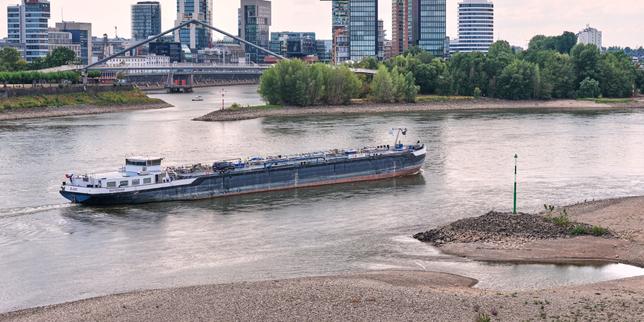
Record-low water levels across Europe’s major rivers are disrupting shipping, energy production and agriculture as a severe drought tightens its grip on the continent.
In France, nearly 70 percent of the country is under water-use restrictions, with 67 of 101 departments at the highest crisis alert, the ecological transition ministry said Monday. Two-thirds of groundwater aquifers have dropped below normal levels, according to the Bureau of Geological and Mining Research, as July 2026 was the hottest month on record and the third driest, with a nationwide rainfall deficit of nearly 70 percent. Ecology Minister Monique Barbut said drinking water supplies were “under strain in several areas,” with tap water cuts already affecting more than 30,000 people, who are receiving water by tanker trucks or bottled deliveries. A crisis meeting on the drought is scheduled for Wednesday .
The Rhine, a critical shipping artery, is at risk of splitting in two as water levels at the German town of Kaub are expected to drop to single digits for the first time, rendering commercial navigation impossible along parts of the river, Jens Schwanen, CEO of the German Federation of Inland Navigation, told Rheinische Post. “In principle, the Rhine will no longer be navigable along its entire length and will thus be divided in two,” he said .
Poland’s Vistula River reached a record low of 102 centimeters in Warsaw on Monday, matching a record set just days earlier, according to hydrologist Dariusz Witkowski of the Institute of Meteorology and Water Management. The national hydrological situation is the most severe since 2015, with low water levels observed on 66 percent of rivers and monitoring stations. Witkowski warned that drought conditions could worsen by late August and early September due to forecasted above-average temperatures and below-average rainfall .
In Romania, Energy State Secretary Cristian Bușoi said Monday that the Danube’s water level at Cernavodă had not sustained a recent rise, raising the possibility of a temporary shutdown of the country’s nuclear plant, which supplies about 20 percent of Romania’s electricity. If the plant’s 700-megawatt second reactor must be taken offline, industrial consumers could face 10-30 percent consumption limits during peak evening hours, though residential supply would remain unaffected, Bușoi said. The government has allocated 5.1 million lei for emergency dredging to secure water flow to the plant .
Hungary’s Paks nuclear plant restarted one turbine Monday after a slight rise in the Danube’s water level, which is critical for cooling, but officials warned the improvement may be temporary. Prime Minister Péter Magyar had previously noted that expected rainfall in Austria could raise the river’s level, though only briefly .
In Italy, the Po River’s drought has allowed saltwater to intrude 20-25 kilometers into the delta, making the water too saline for agricultural irrigation and threatening crops, according to the APA news agency .
Follow us for live European news

Assam floods claim 100 lives as India begins damage assessment The death toll from severe flooding in Indias northeastern Assam state has reached 100, while authorities have launched a comprehensive assessment of the damage across affected areas. State officials say roughly 1.1 million residents in 25 districts have been impacted by the floods as relief and rehabilitation operations continue.
yenisafak · about 2 months ago

Bombă ecologică la marginea orașului: apele uzate de la o stație de epurare din Târgu Jiu ajung direct în râu. Localnicii cer măsuri O adevărată bombă ecologică amenință sănătatea oamenilor din Târgu Jiu, unde dejecțiile ajung direct în apele râului Jiu. Aerul a devenit și el irespirabil, iar localnicii, ajunși la disperare, cer răspunsuri și acțiuni concrete din partea autorităților responsabile.
digi24 · about 2 months ago
BNR a menținut dobânda-cheie la 6,50. Potrivit noii prognoze, inflația ar urma să revină în intervalul țintă la finalul lui 2027 Banca Națională a României (BNR) a decis luni, 10 august, să mențină rata dobânzii de politică monetară la 6,50 pe an, în contextul în care inflația anuală a coborât în iunie la 10,42. Banca centrală anticipează o scădere substanțială a inflației în trimestrul al treilea, însă a avertizat că evoluția prețurilor la energie și alimente, seceta severă și conflictul din Orientul Mijlociu continuă să genereze riscuri.
digi24 · about 2 months ago
Debitul Dunării rămâne la 1.400 m³/s la intrarea în țară. Apele Române anunță când ar putea crește nivelul Debitul Dunării la intrarea în România, în secțiunea Baziaș, se va menține în jurul valorii de 1.400 de metri cubi pe secundă până pe 17 august, anunță Administrația Națională „Apele Române. Valoarea este cu mult sub media multianuală pentru luna august, de aproximativ 3.900 de metri cubi pe secundă. Hidrologii estimează însă că, după 24-26 august, ar putea fi înregistrate creșteri mai importante ale debitelor, care ar permite ieșirea din zona critică marcată de valori minime istorice.
digi24 · about 2 months ago
Guvernul a alocat 5,1 milioane de lei pentru dragarea Dunării, pentru a asigura apa necesară Centralei de la Cernavodă Guvernul a aprobat luni, în ședință extraordinară, 5,1 milioane de lei pentru continuarea lucrărilor urgente de dragare pe Dunăre, în contextul secetei hidrologice severe și al debitelor scăzute ale fluviului. Banii vor fi folosiți pentru adâncirea albiei în două zone critice, astfel încât să fie asigurat debitul de apă necesar funcționării în siguranță a Centralei Nucleare de la Cernavodă. Suma se adaugă celor 7 milioane de lei aprobate anterior pentru intervenția de redistribuire a debitelor la bifurcația Bala-Dunărea Veche.
digi24 · about 2 months ago
Rinul riscă „să rămână rupt în două din cauza secetei, avertizează autoritățile germane. „Nu va mai fi navigabil Aflat deja la niveluri fără precedent de scăzute din cauza lipsei precipitaţiilor susţinute, Rinul ar putea deveni în curând nenavigabil pe întregul său curs în Germania şi s-ar putea să rămână tăiat în două, a avertizat luni Federaţia Germană a Navigaţiei Interioare (BDB), relatează AFP.
digi24 · about 2 months ago
Aproape 70 din teritoriul Franţei este vizat de resticţii privind utilizarea apei. Ședință de criză a guvernului de la Paris Aproape 70 din teritoriul Franţei este vizat de măsuri privind restricţionarea utilizării apei din cauza unei secete care s-a agravat în urma valurilor de caniculă repetate care s-au abătut asupra acestei ţări în ultimele trei luni, a anunțat luni guvernul de la Paris. Miercuri va avea loc o şedinţă de criză.
digi24 · about 2 months ago
Riscul de blackout din cauza secării Dunării, explicat de un inginer hidrotehnic Debitul Dunării a atins un nou minim istoric, conform ANAR. Specialiștii avertizează că seceta hidrologică va persista, dar nu se pune problema unui colaps energetic, în momentul de față.
adevarul · about 2 months ago

Drought forces water restrictions across nearly 70 percent of France
news.yahoo.com · about 2 months ago
Un fluviu major al Europei riscă să devină nenavigabil permanent din cauza scăderii apei. „Va fi împărțit în două Aflat deja la niveluri fără precedent de scăzute din cauza lipsei precipitaţiilor susţinute, Rinul ar putea deveni în curând nenavigabil pe întregul său curs în Germania şi s-ar putea să rămână tăiat în două, a avertizat luni Federaţia Germană a Navigaţiei Interioare (BDB), relatează AFP, preluată de News.ro. „Evoluţia nivelurilor apei nu prezice nimic bun, …
hotnews.ro · about 2 months ago

Près de 70 de la France sous des mesures de restrictions deau : "Lalimentation en eau potable est sous tension" Près de 70 de la France fait actuellement lobjet de mesures de restrictions des usages de leau, sous leffet dune sécheresse qui saccentue en raison des vagues de chaleur à répétition qui affectent le pays depuis trois mois, a indiqué lundi le gouvernement en annonçant une réunion de crise mercredi. ...
la libre · about 2 months ago

Le plus grand fleuve de Pologne à son plus bas niveau historique à Varsovie La Vistule, le plus grand fleuve de Pologne, est descendue lundi à son plus bas niveau historique à Varsovie, a-t-on appris lundi auprès de lInstitut national de météorologie IMGW. ...
la libre · about 2 months ago
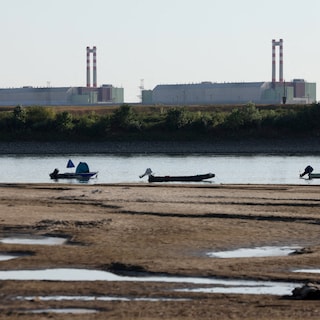
Live - Hongarije zet turbine van kerncentrale weer aan na sluiting vanwege droogte • Warmste julimaand ooit gemeten voor 900 miljoen mensen en 33 landen
de morgen · about 2 months ago
So schadet der niedrige Pegelstand der Donau Österreichs Wirtschaft [premium] Die Donau ist ein wichtiger Transportweg für große und schwere Güter. Ihr Wasserstand ist derzeit jedoch so niedrig, dass österreichische Unternehmen nach teuren Umwegen suchen müssen.
die presse · about 2 months ago
Extremwetter: Niedrigwasser: Lkw-Fahrverbot wird weiter gelockert
die zeit · about 2 months ago
Constanța rămâne fără apă caldă aproape o săptămână, în plin sezon estival. Când începe sistarea Locuitorii din Constanța și turiștii cazați în unități racordate la sistemul centralizat de termoficare vor rămâne fără apă caldă timp de aproximativ o săptămână, în perioada 16-23 august.
adevarul · about 2 months ago
Scenarii de criză din cauza debitului scăzut pe Dunăre: consumul marilor industriași ar putea fi limitat. Ce garanții oferă Bușoi pentru populație Debitul scăzut al Dunării continuă să reprezinte o problemă pentru sistemul energetic al României, în condițiile în care nivelul fluviului poate afecta producția de energie și funcționarea unor capacități energetice.
adevarul · about 2 months ago
Premierul Ungariei anunță că nivelul Dunării a crescut cu 19 cm față de minimul înregistrat săptămâna trecută. Ce se întâmplă la centrala Paks Premierul ungar Péter Magyar a anunțat luni, 10 august, că nivelul Dunării a crescut cu 19 centimetri față de minimul înregistrat săptămâna trecută, ceea ce permite reluarea parțială a activității la centrala nucleară de la Paks.
adevarul · about 2 months ago
Nearly 70 percent of France under water restrictions amid record heat Nearly 70 percent of France is now under water-use restrictions as successive heatwaves and severe drought intensify pressure on the countrys water supplies. Authorities said Monday that 67 of 101 departments had reached the highest crisis alert, while two-thirds of groundwater reserves were below normal levels. Another heatwave is expected to spread across the country this week.
france24 · about 2 months ago

The secrets of the River Danube revealed by drought - from a woolly mammoth to Nazi motorbike - as Europes heatwave continues As Europe braces for yet another heatwave, the relentlessly dry conditions that have left the continent gasping for breath have also revealed many of the secrets once long-held by the River Danube.
dailymail · about 2 months ago
Water flow through Rijn river drops to record low; Could split waterway in half The water flow through the Rijn River at Lobith has reached a new low.
nltimes.nl · about 2 months ago
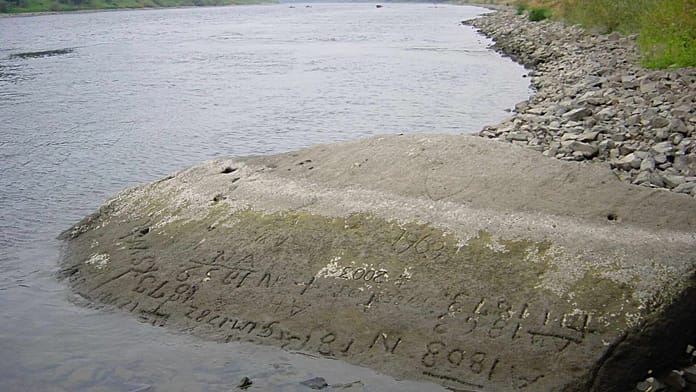
Historic drought: rivers reveal hunger stones, warships and mammoth remains Water levels across Europe have plunged to record lows due to the ongoing drought, exposing a host of long-hidden relics; here is a selection.
euronews · about 2 months ago
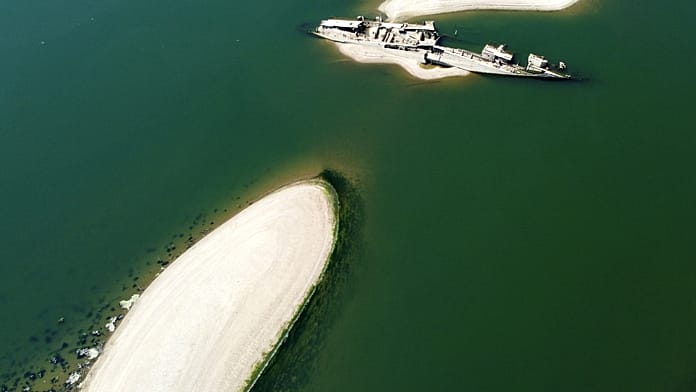
Water levels across the Balkans have fallen to record lows Record-low water levels are disrupting navigation on Croatias Danube and Drava rivers.
euronews · about 2 months ago
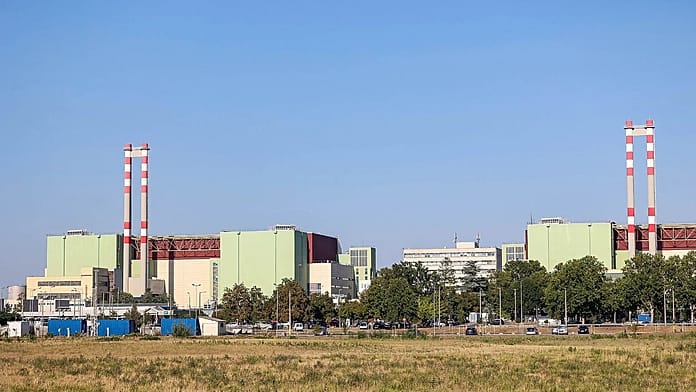
Danube water level rising: Another Paks nuclear plant turbine may restart The Danubes level at Paks, south of Budapest, has risen by about 19 centimetres from its previous low, allowing the first additional Paks nuclear plant turbine to be restarted and reconnected.
euronews · about 2 months ago
Western Europe faces unprecedented drought, threatening human activity and ecosystems The western part of the continent has seen soil moisture levels drop far below those of July 2022, the last summer marked by a severe drought across Western Europe, according to the Copernicus Climate Change Service.
le monde · about 2 months ago
Ungaria spune că nivelul Dunării a crescut și că va reporni o turbină a centralei nucleare de la Paks. Avertismentul premierului Peter Magyar Magyar a semnalat săptămâna trecută posibilitatea creșterii producției, afirmând că precipitațiile preconizate în Austria ar putea ridica nivelul Dunării, dar a avertizat că această creștere va fi temporară, scrie Reuters. Ungaria a început luni repunerea în funcțiune a unei turbine la centrala nucleară de la Paks, după ce nivelul apelor Dunării care asigură răcirea centralei …
hotnews.ro · about 2 months ago
Färre drunknade i början av sommaren Färre har drunknat hittills i sommar jämfört med förra året. 15 personer drunknade i Sverige i juli och åtta personer drunknade i juni. Det är nästan hälften så många som under juni och juli förra sommaren.
sverigesradio · about 2 months ago
Bootstouren: Bootsverleiher im Oberspreewald: Können Fließe befahren In vielen Flüssen sind die Pegel derzeit so niedrig wie lange nicht. Das Niedrigwasser ist zumindest für die Bootsverleiher im oberen Spreewald bislang kein Problem.
tagesspiegel · about 2 months ago
Demografie: Jugendanteil an Bevölkerung bleibt gering – gerade im Osten Historisch gesehen machen junge Menschen derzeit einen vergleichsweise kleinen Teil der Bevölkerung in Deutschland aus. Besonders klein ist der Anteil der Jugend laut Statistikern im Osten.
tagesspiegel · about 2 months ago
De ce sunt „vitale operațiunile de dragare a Dunării pentru centrala de la Cernavodă. Apele Române: „Prognoza nu e optimistă Nivelul Dunării în zona Cernavodă a scăzut cu 5 centimetri față de ieri, asta după ce după scufundare a barjelor se observase o ușoară creștere a nivelului. De altfel, reprezentanții Apelor Române spun că în următoarele zile nivelul apei ar urma să mai scadă la Cernavodă. Ana Maria Agiu, purtătoarea de cuvânt a Administrației Apele Române, a spus la Digi24 că operațiunile de dragare a Dunării, pentru care Guvernul a alocat astăzi fonduri, sunt „vitale.
digi24 · about 2 months ago