
EU leaders split on Russia talks as Ukraines EU accession stalls
Story Timeline
4 months · 13 summary articles
EU leaders failed to agree on a unified approach to future talks with Russia during a late-night summit in Brussels, overshadowing discussions on Ukraine's EU accession progress. The lack of consensus highlights deep divisions within the bloc on how to handle relations with Moscow and the path forward for Kyiv.
The summit, which began on June 18 and continued into June 19, saw clashes among major EU powers, including France, Germany, Italy, Poland, and the Baltic states, over which format or envoy should represent Europe in potential negotiations with Russia. The issue was raised while Ukrainian President Volodymyr Zelenskyy was still in the meeting room and continued after his departure, according to reports .
Zelenskyy, who arrived in Brussels on June 18, had secured high-level meetings with EU leaders to advance Ukraine’s accession process. He met with European Commission President Ursula von der Leyen, European Council President António Costa, Polish Prime Minister Donald Tusk, and Greek Prime Minister Kyriakos Mitsotakis .
During the summit, Zelenskyy urged the opening of five remaining negotiating clusters and requested the first tranche of EU financial support for defense. However, the EU summit failed to agree on opening all negotiating clusters, dashing hopes for a swift advancement in Ukraine's EU accession process .
The EU member states did agree to extend sanctions against Russia, applauding what they see as a favorable turn for Kyiv. However, despite Zelenskyy's efforts, he failed to persuade EU leaders to accelerate membership negotiations for Ukraine .
Adding to the tensions, EU Council President António Costa's outreach to Moscow has drawn massive criticism from Germany and France. The leaders of Europe's two largest countries are on a collision course with a large part of the rest of the bloc over this issue .
Zelenskyy emphasized that the best way to guarantee Europe's future would be through fast-track EU membership for Ukraine. This statement underscores the urgency and importance Kyiv places on its EU accession process .
The summit also touched on other critical issues, including the EU's next seven-year budget worth €2 trillion, which is expected to be a contentious topic given the deep divisions over its shape .
As the summit continues, the lack of consensus on key issues highlights the challenges the EU faces in presenting a united front on critical geopolitical matters. The divisions over how to engage with Russia and the path forward for Ukraine's EU accession process reflect broader strategic differences within the bloc.
Follow us for live European news
- 2
- 2
- 1
- 1
- 1
- 1
- 1
- 1
5 further sources not geolocated
Articles

Cyprus Presidency wins praise from EU leaders at final European Council EU leaders and institutions gave a positive assessment of the Cyprus EU Council Presidency at the final European Council session held under its chairmanship, according to sources close to the summit who spoke to philenews. President Nikos Christodoulides presented the results of the Cyprus Presidency on the first day of proceedings. According to sources close […]
in-cyprus · 3 months ago
EU summit fails to agree on opening all negotiating clusters, no consensus in room Hopes held by Ukraine and its supporters within the EU, including among member states, for the swift opening of negotiating clusters have not been confirmed by the EU summits decision.
ukrpravda · 3 months ago
Zelenskyy meets EU leaders at Brussels summit President Volodymyr Zelenskyy held talks with European Council President Antonio Costa and Commission President Ursula von der Leyen at the EU summit in Brussels. He urged the opening of five remaining negotiating clusters and requested the first tranche of EU financial support for defense.
yenisafak · 3 months ago
România, menţionată de Volodimir Zelenski în discursul său de la reuniunea Consiliului European Preşedintele Ucrainei Volodimir Zelenski a menţionat România în discursul rostit la reuniunea Consiliului European, în contextul în care a afirmat că, pentru Ucraina, a fi un bun vecin nu a fost niciodată doar o formulă de circumstanţă, iar ţara sa este pregătită să colaboreze cât mai strâns posibil şi pe bază de respect reciproc cu fiecare dintre vecinii săi din UE.
digi24 · 3 months ago
Dispută în UE pe tema banilor: liderii europeni caută noi surse de venit pentru un buget de 2.000 de miliarde de euro Liderii Uniunii Europene se vor confrunta vineri pe tema bugetului blocului, întrucât o primă propunere privind cheltuielile UE pentru perioada 2028-2034 - și sursele de finanțare ale acestora - a stârnit critici aspre atât din partea contribuabililor neți la buget, cât și din partea beneficiarilor acestuia. Bugetul UE reprezintă modul în care Uniunea își finanțează toate politicile - de la sprijinirea agricultorilor la egalizarea nivelului de trai în cele 27 de state membre, până la dezvoltarea de noi tehnologii și programele de schimb de studenți. Conform propunerii Comisiei Europene, bugetul pentru perioada 2028-2034 ar trebui să fie de 2 trilioane de euro, anunță Reuters.
digi24 · 3 months ago
„Istoria ne oferă un avertisment clar. Tensiuni latente în inima UE: Merz și Macron critică demersurile lui Costa de dialog cu Rusia Emmanuel Macron și Friedrich Merz au criticat dur UE pentru că a inițiat un dialog cu Vladimir Putin, ceea ce a pus liderii celor două cele mai mari țări din Europa pe o traiectorie de coliziune cu o mare parte din restul blocului, scrie Politico.
digi24 · 3 months ago
Lovitură pentru Kiev la summitul UE: Peter Magyar a intervenit în ultimul moment și a eliminat o mențiune privind aderarea Ucrainei La iniţiativa prim-ministrului ungar Peter Magyar, o referire la accelerarea aderării Ucrainei la UE a fost eliminată în ultimul moment din documentul final al summitului şefilor de stat şi de guvern ai Uniunii, a afirmat şeful executivului de la Budapesta într-o postare pe Facebook joi seară, a consemnat MTI.
digi24 · 3 months ago
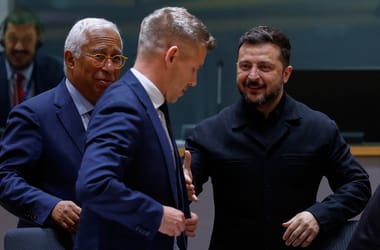
„Túléltük Orbánt – így mutatkozott be az EU-csúcson Magyar Péter A magyar kormányfő tudatosan emelte ki, miben nem értett egyet, de azt is, hogy ennek ellenére meg tudtak állapodni az uniós állam- és kormányfők.
hvg.hu · 3 months ago
Premiér Péter Magyar debutoval v Bruseli: Odmietol politickú korektnosť a zožal potlesk Nový maďarský premiér Péter Magyar má za sebou premiéru na zasadnutí Európskej rady v Bruseli. Vo svojom prvom prejave pred 26 lídrami členských štátov EÚ zdôraznil potrebu úprimnosti, odmietol politickú korektnosť a vyhlásil, že jeho cieľom nie je popularita v Bruseli, ale ochrana maďarských záujmov.
aktuality.sk · 3 months ago
Criză politică la Bruxelles: Macron și Merz contestă inițiativa lui Costa de dialog cu Rusia fără mandat. UE, împărțită în două tabere O nouă criză politică lovește Uniunea Europeană, după ce liderii Franței și Germaniei au intrat în conflict cu președintele Consiliului European, António Costa, în urma demersurilor privind deschiderea unor canale de comunicare cu Rusia.
adevarul · 3 months ago
Live - EU summit: Leaders arrive in Brussels for showdown over blocs €2 trillion budget
gdeltproject.org · 3 months ago
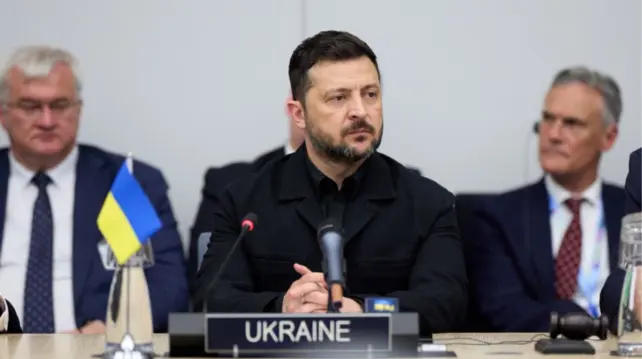
Zelenskyy urges Coalition of the Willing to help finance Ukrainian armed forcesPresident Volodymyr Zelenskyy, speaking at a meeting of the European Council, has called on member states of the Coalition of the Willing to consider mechanisms that would ensure reliable funding for Ukraines defence forces. #ukraine
mastodon bot · 3 months ago
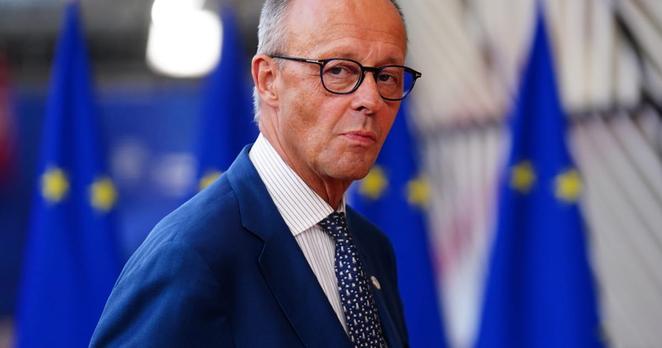
🇫🇷🇩🇪 Emmanuel Macron and Friedrich Merz struck out against the EU for opening up communication with Putin, putting the leaders of #Europes two largest countries on collision course with a large part of the rest of the bloc.
mastodon bot · 3 months ago
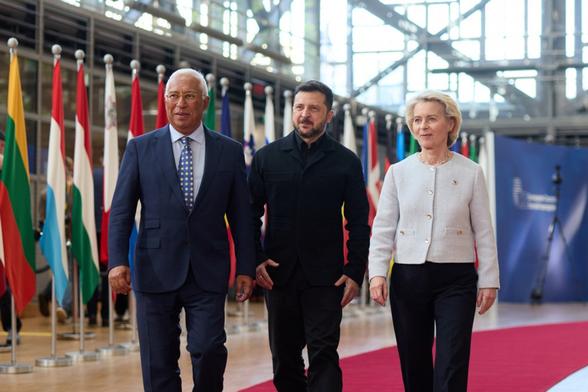
KYIV POST: Breaking: EU Struggles to Define Ukraine Role EU leaders failed to agree on a unified approach to future talks with Russia during a late-night summit overshadowing discussions on China and Ukraines EU accession progress. France, Germany, Italy, Poland, and Baltic states clashed over which format or envoy should represent Europe, while António Costas outreach to Moscow further deepened divisions. #Europe #Ukraine
mastodon bot · 3 months ago

The next EU long-term budget is taking shape. Last week, the @cy2026eu.bsky.social presented a revised negotiating box, now including figures. EU leaders will discuss it at the #EUCO. What is a negotiating box, and what does the proposed budget structure look like? ➡️ link.europa.eu/3GR4Pr
bluesky bot · 3 months ago
„Nicht abgesprochen, nicht professionell: Massive Kritik an Kontaktaufnahme des EU-Ratspräsidenten nach Moskau Während die EU-Staaten darüber reden, wie man Kremlchef Putin an den Verhandlungstisch bringen kann, prescht EU-Ratspräsident Costa vor. Deutschland und Frankreich sind verärgert.
tagesspiegel · 3 months ago
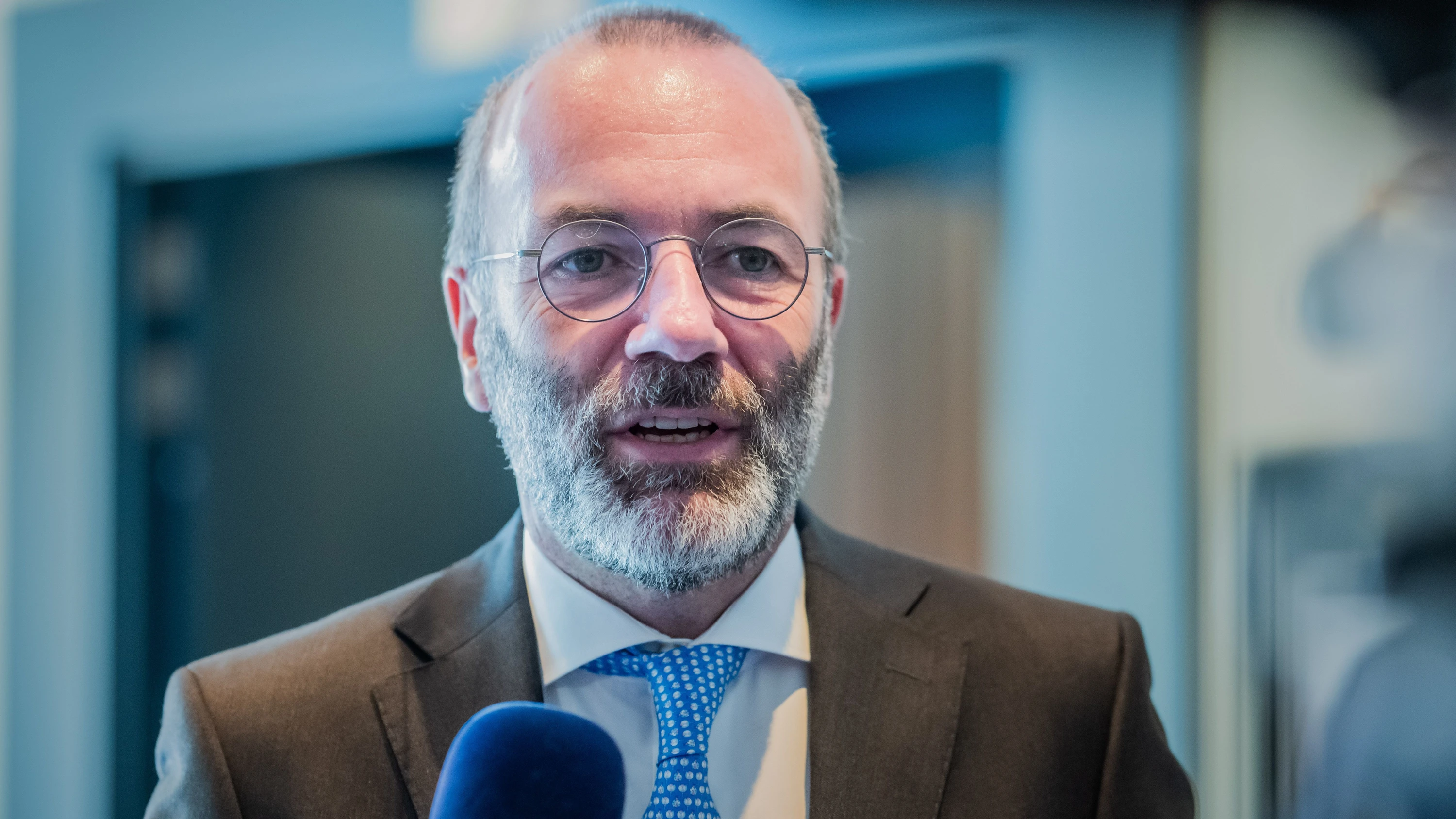
Liveblog Ukrainekrieg: EVP-Chef Manfred Weber hält Kritik an Costa für „übertrieben Ärger um unabgesprochene Kontaktaufnahme zu Russland durch EU-Ratspräsident António Costa +++ EU verhängt Russlandsanktionen erstmals für zwölf Monate +++ alle Neuigkeiten im Liveblog
faz · 3 months ago
EU summit: Leaders discuss Ukraine, global issues
gdeltproject.org · 3 months ago
EU should fast-track membership for Ukraine
gdeltproject.org · 3 months ago
Zelensky: Best way to guarantee Europes future would be fast-track EU membership for Ukraine
gdeltproject.org · 3 months ago
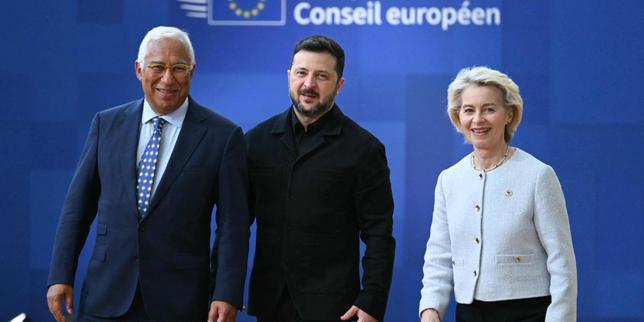
EU hails turning tide for Ukraine, yet membership path remains uncertain EU member states applauded what they see as a favorable turn for Kyiv and agreed to extend sanctions against Russia. Despite efforts by Ukrainian President Volodymyr Zelensky, he failed to persuade EU leaders to accelerate membership negotiations for his country.
le monde · 3 months ago
Cyprus problem and EU-Turkey top Christodoulides-Costa talks in Brussels President Nikos Christodoulides and European Council President António Costa have agreed that progress on EU-Turkey relations cannot be separated from parallel progress on the Cyprus problem, according to sources familiar with their meeting who spoke to Phileleftheros. The two leaders met on the sidelines of the European Council summit in Brussels, where Christodoulides also presented […]
in-cyprus · 3 months ago
Russia will not achieve its aggressive objectives, and Ukraine will be a free, democratic country within EU - Braze - The Baltic Times RIGA - Russia will not achieve its aggressive goals, and Ukraine will be a free, democratic country within the European Union (EU), emphasized F......
baltic times · 3 months ago
Debate over EU-Kremlin contact dominates Ukraine discussions at Brussels summit A large part of the time allocated to discussions on Ukraine at the EU summit was taken up by a debate over contact between Brussels and the Kremlin that had taken place. The issue was raised while President Volodymyr Zelenskyy was still in the meeting room and continued after his departure.
ukrpravda · 3 months ago
Summitul G7 l-a apropiat pe Trump de Europa, dar nu îl aduce pe Putin mai aproape de pace (TVPWorld) Summitul G7 nu a dus la o evoluție decisivă în ceea ce privește Ucraina, dar a schimbat în mod neașteptat atmosfera diplomatică. Înainte de întâlnirea de la Évian-les-Bains, o stațiune balneară situată pe malul francez al Lacului Geneva, mulți lideri europeni se temeau că Donald Trump își va folosi noua libertate de acțiune – dobândită după scurta pauză care a urmat acordului cu Iranul – pentru a forța Ucraina să facă concesii față de Rusia. Acest lucru nu s-a întâmplat. În schimb, Statele Unite și Europa s-au apropiat în ceea ce privește sancțiunile, apărarea aeriană și presiunea asupra Rusiei, scrie TVPWorld.
digi24 · 3 months ago
EU Agrees on Historic Passenger Rights Overhaul to Protect Travelers Air passengers across the EU will soon benefit from simpler, clearer and stronger rights. A landmark agreement reached recently between the Council and the European Parliament updates the EU rules on air passenger rights and airline liability. European Commissioner for Sustainable Transport and Tourism Apostolos Tzitzikostas has praised the agreement, calling it a historic stride […]
greek reporter · 3 months ago

🇭🇺 The conclusions of the meeting of EU leaders on June 18 have been watered down, at the insistence of Hungarian Prime Minister Peter Magyar, to reduce the urgency of advancing #Ukraines EU accession process. #europe
mastodon bot · 3 months ago