Loading…
 Friday, September 25Friday, September 25
2 months · 17 summary articles
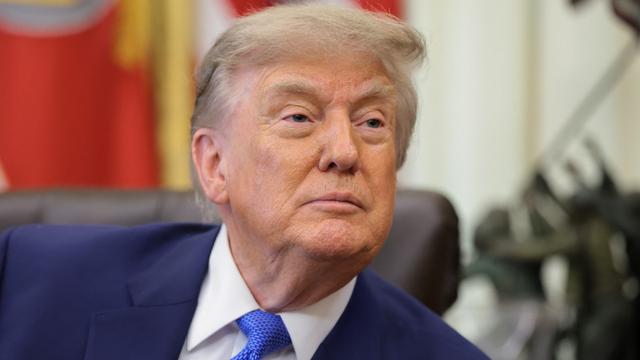
U.S. President Donald Trump demanded on Monday that Iran pay compensation for deaths and injuries linked to its actions, escalating a diplomatic standoff as Tehran insists on its own reparations for war damage before reopening the Strait of Hormuz.
Trump announced in a Truth Social post that he would seek payments for “all of the people that they have killed and gravely wounded with their roadside bombs and many conflicts,” including families of the 17 U.S. sailors killed in the 2000 USS Cole attack in Yemen, which U.S. officials have previously blamed on al-Qaida. He also cited casualties among Iranian protesters, claiming 52,000 deaths over the past five months, and referenced damages in Lebanon, Syria, Yemen, and Gaza .
The demand came after Iran’s top security official said the Strait of Hormuz would remain closed until Washington met six conditions, including full compensation for war damage and an end to sanctions. Iran has also neared a final pact with Oman on shipping lanes but maintains its conditions for reopening the waterway, through which about a fifth of global oil and liquefied natural gas once flowed .
Trump also told reporters in the Oval Office that the U.S. Navy had cleared mines from the strait and now had “100 percent” control of the waterway, declaring it “open now.” He acknowledged Iran occasionally lays new mines but claimed they are quickly found and neutralized .
Senate Minority Leader Chuck Schumer criticized Trump’s handling of the conflict, calling it a “complete and total failure” in a post on X. “Donald Trump got us into an illegal war, is losing his illegal war, and has no way out of his illegal war,” Schumer wrote, adding that Trump’s approach endangered troops and raised costs for Americans .
Iran has not publicly responded to Trump’s compensation demand. Meanwhile, Tehran appointed new military leaders, including Ahmad Wahidi as commander of the Revolutionary Guards, according to state media and a Telegram channel linked to Supreme Leader Mojtaba Khamenei .
Oil prices rose following Trump’s statements, with Brent crude trading at $87, up 4.6% for the day .
Follow us for live European news
3 further sources not geolocated

Krieg in Nahost: Für Trump ist die Straße von Hormus wieder offen Nach einer Minenräumung sei die Meerenge für Schiffe wieder befahrbar und werde „zu 100 Prozent von den USA kontrolliert. Von Iran fordert der US-Präsident Schadenersatz für den Konflikt.
sueddeutsche · about 2 months ago
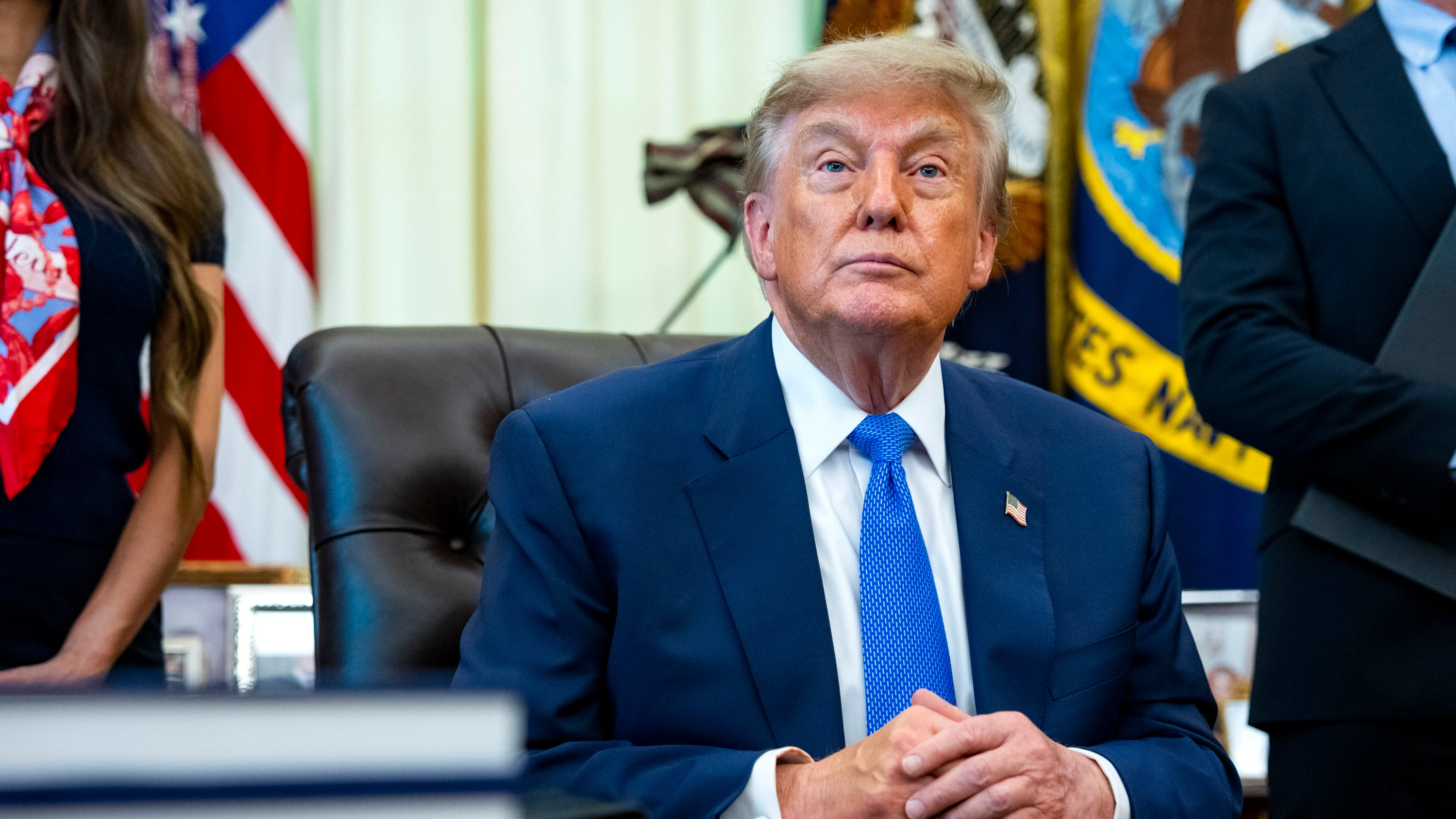
Liveblog Irankrieg: Trump: Haben in gesamter Straße von Hormus Minen geräumt Die Meerenge sei für die Schifffahrt offen, so der US-Präsident +++ Iran kontert Trump: Haben uns als Schachspieler erwiesen +++ Teheran stellt Bedingungen +++ alle Entwicklungen im Liveblog
faz · about 2 months ago
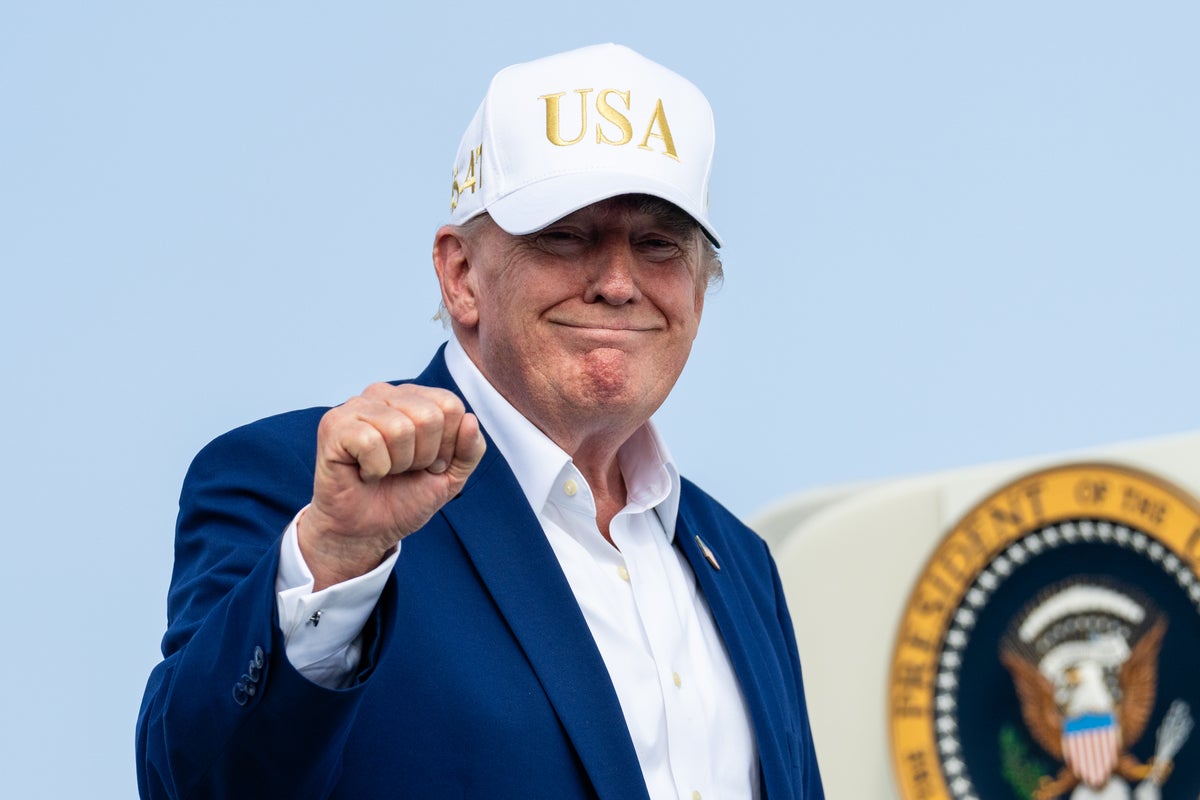
Iran-US war latest: Trump claims total control of Hormuz as he demands Iran pay for US soldiers deaths Iran has warned the Strait of Hormuz will remain shut until the US meets crucial conditions
independent · about 2 months ago

Trump pivots back to sanctions for Iran as other strategies to end his war fizzle
news.yahoo.com · about 2 months ago
Salgono petrolio e gas, sul negoziato in Iran pesa il fattore risarcimenti Trump annuncia lo sminamento completo dello Stretto: Gli Usa lo controllano al 100 Ma restano nodi insoluti
corriere · about 2 months ago
Laut Trump sind in gesamter Straße von Hormus Minen geräumt worden Die USA würden die Seestraße laut Trump "zu 100 Prozent" kontrollieren. Gelegentlich vom Iran abgelegte Mienen würde man gleich finden
der standard · about 2 months ago

La partie déchecs continue entre Donald Trump et Téhéran, sur fond de demandes réciproques de compensations financières Le président américain exige des réparations de la part de lIran, qui, de son côté, a nommé un nouveau chef des forces armées, partisan dune ligne dure.
courrier international · about 2 months ago
#USA #Iran US President Donald Trump responded to Irans demand for war reparations by saying Iran owes the US compensation for past attacks and conflicts, including the USS Cole bombing and casualties linked to General Soleimani. He also claimed 52,000 people were killed in the last five months of conflict and referenced compensation for Iranian protesters killed over the past 50 years. Subscribe to @OSINTdefender | Chat room
telegram_OSINTdefender · about 2 months ago
Opinion | Trumps Blockade Keeps the Economic Pressure on Iran This may be the best answer to the regimes rising demands.
wsj · about 2 months ago
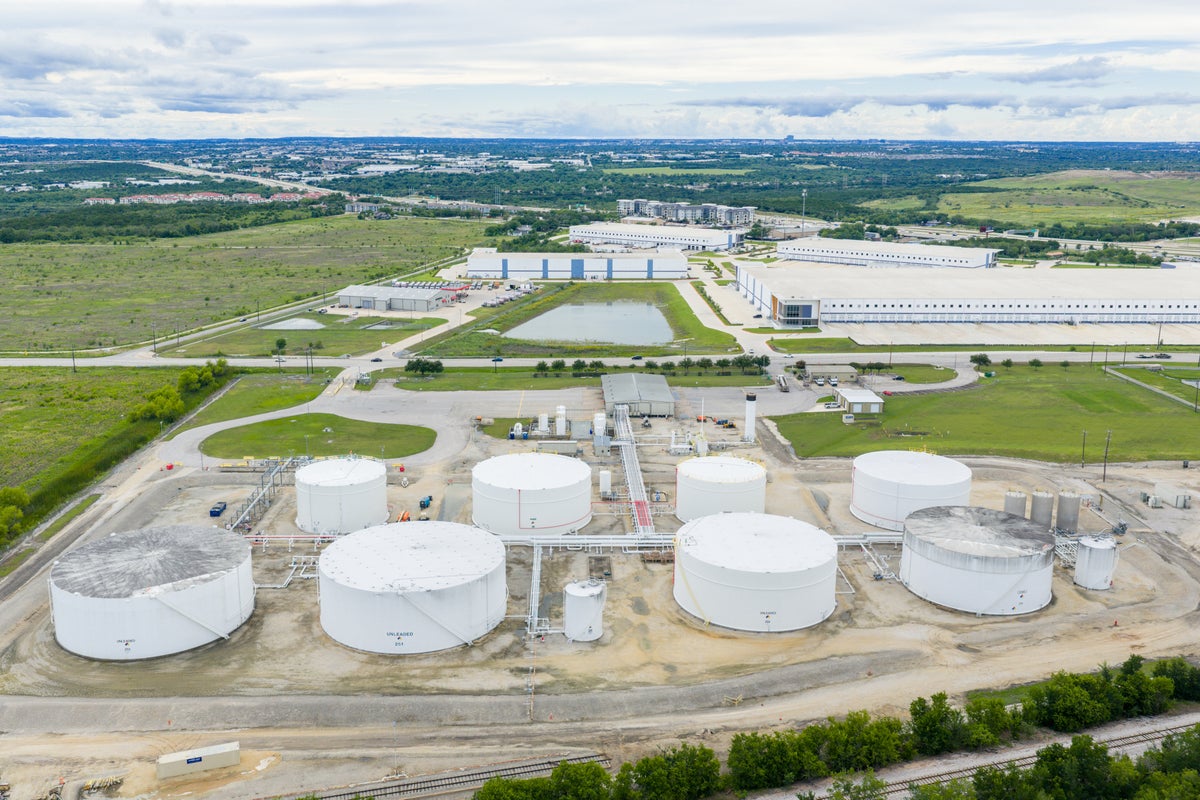
US oil reserve just hit a low not seen since 1983 President Donald Trump authorized the release of 182 million barrels from the Strategic Petroleum Reserve in March shortly after launching the Iran War
independent · about 2 months ago
Lage im Überblick: Für Trump ist die Straße von Hormus wieder offen US-Präsident Trump will das Problem mit der Straße von Hormus gelöst haben. Die Meerenge sei von Minen geräumt und werde „zu 100 Prozent von den USA kontrolliert. Der Iran dürfte das kaum so sehen.
tagesspiegel · about 2 months ago
Trump demands Iran pay compensation for deaths as Hormuz deal hopes fade U.S. President Donald Trump on Monday demanded Iran pay compensation for the people he said it had killed in wars, attacks and protests, in a move that will…
japantoday · about 2 months ago
Trump demands compensation from Iran as talks on Strait of Hormuz continue US president seeks payment for 50 years of damages after Iran conditions Hormuz reopening on war reparations.
aljazeera · about 2 months ago
Straße von Hormus: USA haben Trump zufolge Minen in Straße von Hormus geräumt Die Meerenge ist nach Angaben von Donald Trump vollständig unter Kontrolle der USA. Nach neuen Forderungen des Iran verlangt der US-Präsident ebenfalls Reparationen.
die zeit · about 2 months ago
Letter: Rolling Thunder veterans verdict on Trumps Iran war From Ed Houlihan, Ridgewood, NJ, US
financial times · about 2 months ago
🔴 BREAKINGTrump Demands War Reparations from IranPresident Trump has issued a new demand for war reparations from Iran, continuing a pattern of reciprocal demands. This move occurs amidst ongoing tensions, with aides and allies challenging the validity of these claims as part of a tit-for-tat diplomatic strategy.📰 #USA #Diplomacy #Geopolitics #GeoWire
mastodon bot · about 2 months ago
+++ Iran-Krieg +++: Dieselpreise steigen nach Angriffen auf Raffinerien deutlich Trump verlängert Ausnahmen für Öltransport +++ Trump verlangt Entschädigungen vom Iran +++ Iran plant Gebühren für Straße von Hormus +++ Der Newsblog.
handelsblatt · about 2 months ago
Iran-US war latest: Trump demands compensation from Iran in snub to six-point ultimatum Iran has warned the Strait will remain shut until the US meet six crucial conditions
independent · about 2 months ago
US House Launches Push For Sweeping Russia, Iran Sanctions Bill After Senate Landslide The US House of Representatives moved to advance a sweeping Russia and Iran sanctions package on August 10, just days after the Senate approved it by an overwhelming 86-11 vote, opening the next phase of a congressional push to squeeze Moscows war economy and give President Donald Trump additional leverage to force Russia toward negotiations with Ukraine. The move came unusually quickly -- while the House is in its August recess -- with Republican Representatives Michael McCaul of Texas, Brian Fitzpatrick of Pennsylvania, Democratic congressman Steny Hoyer of Maryland, and a broad bipartisan group introducing the House companion to the Lindsey O. Graham Sanctioning Russia and Iran Act of 2026. The House legislation is identical to the measure passed by the Senate last week. The bill, named after the late Senator Lindsey Graham, would target Russian banks, energy revenues, oligarchs, the Kremlin-linked shadow fleet, sanctions-evasion networks, and foreign governments and companies helping sustain Moscows war against Ukraine. It would also extend longstanding sanctions against Iran through 2031. The rapid House move gives supporters a chance to capitalize on the Senate votes overwhelming bipartisan margin, but it also sets up a potentially difficult debate over the bills tariff provisions and the extent of presidential authority over countries that continue buying Russian energy. Bipartisan Coalition Moves While Congress Is In Recess McCaul, a former chairman of the House Foreign Affairs Committee, said he had promised Graham before his death that he would introduce the legislation in the House. Senator Graham was a national security giant, a statesman of unmatched conviction, and a personal friend and mentor, McCaul said, adding that Graham had worked on the legislation for more than a year and had secured White House support. McCaul said Ukrainian President Volodymyr Zelenskyy told him during a visit to Ukraine last month that he was ready for a cease-fire and negotiations, while Russian President Vladimir Putin continued to refuse to come to the negotiating table. The Texas Republican said the sanctions would help increase the pressure on Putin and advance what he described as Grahams vision of an enduring peace. Hoyer, one of the Houses most senior Democrats, said the measure was long overdue. The Maryland Democrat said the bill would attack multiple sources of Russian war financing, including oil and gas, the shadow fleet, and financial institutions. We must send the strongest possible message of American support as Ukraine defends democracy against despotism, Hoyer said in a statement. But Hoyer also highlighted a significant limitation: the sanctions package does not include several provisions contained in the Ukraine Support Act, including $8 billion in military and reconstruction assistance and sanctions relating to the kidnapping of Ukrainian children into Russia. That omission could become part of a broader House debate over whether sanctions alone are sufficient to shape the wars outcome. The legislation is backed by lawmakers from across the political spectrum. The original cosponsors include Republicans Joe Wilson of South Carolina, House Baltic Caucus co-Chair Don Bacon of Nebraska, Armed Services Committee Chairman Mike Rogers of Alabama, Mike Turner of Ohio, Ann Wagner of Missouri, Andy Barr of Kentucky, and Nathaniel Moran of Texas, as well as Democrats Congressional Ukraine Caucus co-founder and co-Chair Marcy Kaptur of Ohio, Jake Auchincloss of Massachusetts, Jill Tokuda of Hawaii, Gabe Vasquez of New Mexico, Josh Gottheimer of New Jersey, Ed Case of Hawaii, Eugene Vindman of Virginia, and Chrissy Houlahan of Pennsylvania. Fitzpatrick said the legislation attacks what he described as the three foundations of Putins war machine: oil, money, and the willingness of others to look the other way. According to him, the bill would isolate Russian banks, shut down financing networks and force governments and companies supporting Moscow to choose whether to continue doing business with Russia. The most fitting tribute Congress can offer Lindsey is to finish the work he began, Fitzpatrick said. Tariffs Could Become The Houses Biggest Fault Line The bills most powerful -- and potentially most contentious -- provision would give Trump significant new authority to impose tariffs on countries that continue to purchase Russian oil and gas or help Moscow evade sanctions. The legislation authorizes duties of up to 500 percent on goods imported from Russia and targeted duties of up to 100 percent on goods from countries that rank among the largest purchasers of Russian crude oil or natural gas or the leading facilitators of Russian oil sanctions evasion. Hoyer said negotiations could continue over the precise scope of presidential tariff authority. In his statement, he pointed specifically to a proposal limiting that authority to eight nations whose imports are helping finance Russias war. That provision could prove decisive once lawmakers return to Washington. Senior House aides familiar with the discussions told RFE/RL that the immediate challenge is preserving the bipartisan coalition that produced the Senates 86-11 vote without reopening the entire package. The political calculation is straightforward: supporters want to use the Senate vote as momentum for quick House action, while avoiding changes that could force another lengthy round of negotiations. The aides assessment is that the sanctions themselves command broad support. The more difficult question is how far Congress should go in delegating tariff power to the president and how aggressively the measure should be applied to major Russian-energy buyers. That distinction could become the House fight. Supporters argue that the tariff threat is precisely what makes the legislation potentially effective. Countries that continue buying Russian energy would have to weigh access to the US market against their commercial relationship with Moscow. Critics, however, could argue that broad tariff authority risks creating economic consequences beyond Russia and gives the White House substantial discretion over trade policy. For supporters of Ukraine, the trade-off is worth it. Yuriy Boyechko, CEO of Hope For Ukraine, a New Jersey-based nonprofit delivering medical and humanitarian supplies to civilians and frontline areas, told RFE/RL that the House introduction provides the economic pressure needed to strike at the foundations of Russias war effort. The introduction of the House companion bill by Representatives Brian Fitzpatrick, Michael McCaul, Steny Hoyer, and a broad bipartisan coalition offers the precise economic sledgehammer needed to break the Russian economy, Boyechko said. He said the combination of the Houses rapid action and the Senates 86-11 vote could give Washington a mechanism for targeting what he described as the remaining foreign revenue streams supporting the Kremlin. By threatening 100 percent tariffs on buyers of Russian energy, dismantling the illicit shadow tanker fleet, and isolating Russian financial institutions, the legislation targets the remaining foreign revenue streams sustaining the Kremlins budget, Boyechko said. He argued that cutting those revenues could ultimately force Moscow to negotiate. Squeezing these vital energy revenues and financial lifelines threatens total economic exhaustion for Russia, removing its capacity to finance prolonged aggression and forcing Moscow to negotiate on Ukraines terms, he said. Bill Targets Russias Financial And Energy Lifelines The legislation goes considerably beyond individual sanctions on Russian officials. It would target senior Russian officials, oligarchs, companies supporting Russias defense-industrial base, and foreign actors materially assisting Moscows military operations or efforts to undermine Ukraines sovereignty, territorial integrity, democratic institutions, and critical infrastructure. It would also impose sanctions on major Russian financial institutions and certain foreign financial institutions conducting significant transactions with sanctioned Russian banks. Another major target is Russias shadow fleet -- vessels, owners, operators, insurers, ports, and other intermediaries involved in moving Russian oil and sanctioned goods while helping Moscow evade Western restrictions. The bill would prohibit new US investment in Russia, restrict investment in Russias energy sector, prohibit purchases of Russian sovereign debt and target financial-messaging services used to circumvent sanctions. The energy provisions are central to the strategy. Supporters argue that Russian oil and gas revenues remain critical to the Kremlins ability to finance its military campaign, despite years of Western sanctions. Beyond Russia The bill also reaches beyond Russia. It would extend the Iran Sanctions Act of 1996 through 2031, preserving sanctions authorities targeting Irans energy and weapons sectors. Rogers said the Iran provisions were necessary because of Tehrans threats to freedom of navigation in the Strait of Hormuz and its role in supporting Russia. Moran said the legislation would also target dangerous Chinese entities supporting Russias defense-industrial base. That provision could give the legislation an additional geopolitical dimension as Washington confronts both Moscow and Beijing over their expanding strategic relationship. Sanctions To Remain Until A Peace Deal One of the bills most consequential provisions concerns when Russia-related sanctions could be lifted. The legislation would permit the president to terminate the sanctions only after certifying to Congress that Russia had signed a peace agreement accepted by Ukraines free and independent government and had ceased military hostilities and activities aimed at overthrowing, dismantling, or subverting the Ukrainian government. That condition is designed to ensure that sanctions retain leverage rather than becoming simply a temporary punishment. Fitzpatrick said the objective was a peace determined by Ukraine, not imposed by Moscow. Houlahan similarly described sanctions as a diplomatic tool while cautioning that they cannot replace a broader strategy or the presidents responsibility to seek congressional authorization for war. The House move also carries a personal dimension. Graham, who worked on the package for more than a year, became one of Congresss most prominent advocates of tougher economic pressure on Russia. His sister, Senator Darline Graham of South Carolina, said the legislation was deeply important to him and expressed hope that the House would match the Senates bipartisan support. For congressional Republicans and Democrats backing the bill, that legacy now intersects with a much larger strategic question: whether economic pressure can alter Putins calculations at a moment when the Trump administration says it wants an end to the war. The Senate has already answered one part of that question with an overwhelming vote. Now the House must determine whether it can preserve that bipartisan consensus and turn the Graham sanctions package into law.
radio free europe · about 2 months ago
+++ Iran-Krieg +++: Trump verlängert Ausnahmen für Öltransport Trump verlangt Entschädigungen vom Iran +++ Iran plant Gebühren für Straße von Hormus +++ Maersk und Hapag-Lloyd bauen Verkehr im Roten Meer aus +++ Der Newsblog.
handelsblatt · about 2 months ago

Trump Shifts to Economic Pressure, Again, As Iran Wont Meet His Demands With military attacks and diplomacy not working, the Trump administration is reupping an old strategy with the hope of getting a new result.
wsj · about 2 months ago
Iran war live: Trump claims Hormuz Strait open, seeks Iranian compensation US President Donald Trump said he will seek compensation from Iran for casualties in the war.
aljazeera · about 2 months ago
Trump fordert Entschädigung von Iran
orf.at · about 2 months ago
Trump verlängert Ausnahmeregelung für Öltransporte
orf.at · about 2 months ago

🟠 UPDATETrump Demands Iranian Compensation for US Soldier DeathsThe Al Jazeera article specifies that the compensation demand is for people killed or wounded in the US war on Iran, whereas the existing event summary described it as compensation for deaths of US soldiers and Iranian civilians over recent decades.📰 #USA #Diplomacy #Geopolitics #GeoWire
mastodon bot · about 2 months ago

Trump va réclamer lui aussi des "compensations" à lIran pour "tous les gens quils ont tués et blessés" Donald Trump a déclaré lundi sur son réseau Truth Social que les Etats-Unis allaient réclamer des "compensations" pour des attaques menées par lIran depuis des décennies contre des adversaires à létranger ou contre des manifestants sur son sol. ...
la libre · about 2 months ago
Trump to demand compensation for Tehrans conflicts President Donald Trump says hell demand compensation from Iran for people killed or wounded in the US war on Iran.
aljazeera · about 2 months ago
Trump says will demand conflict compensation from Iran as part of peace talks Trump this weekend said he was "low-keying" his approach to the conflict, suggesting that he was prepared to let economic pressure mount in place of further military strikes.
euronews · about 2 months ago
După ce Iran a cerut despăgubiri SUA, Trump cere și el „compensații Teheranului. Motivele invocate de președintele american Preşedintele american Donald Trump a afirmat luni că Statele Unite vor cere „compensaţii din partea Iranului pentru atacurile acestuia împotriva aliaţilor SUA din regiune şi pentru victimele din rândul trupelor americane, dar şi din rândul protestatarilor anti-guvernamentali iranieni, după ce Teheranul a condiţionat redeschiderea Strâmtorii Ormuz printre altele de plata unor despăgubiri pentru pagubele ce …
hotnews.ro · about 2 months ago
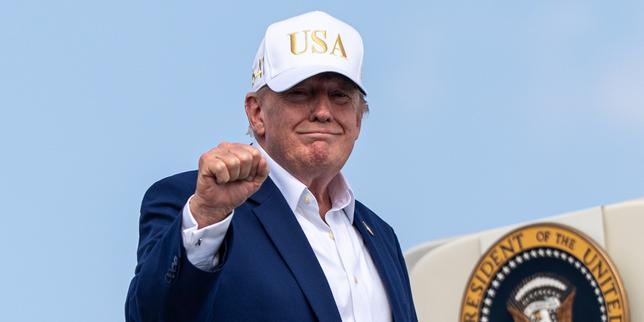
Donald Trump réclame des compensations à lIran, « pour tous les gens quils ont tués et blessés » Le président américain a publié un message sur son réseau, Truth Social, où il assure que cette demande de compensation sera exprimée « fermement » durant les négociations, en réponse aux exigences iraniennes.
le monde · about 2 months ago