
Trump shifts to economic pressure on Iran as Strait of Hormuz stays shut and talks stall
Story Timeline
2 months · 19 summary articles
President Donald Trump said on Sunday the United States is “only semi-negotiating” with Iran and is now prioritizing economic pressure over military action, as the Strait of Hormuz remains closed and talks stall over its reopening.
In an interview with Axios, Trump described the U.S. approach as “low-keying it,” adding, “We are just watching Iran with its huge inflation and the fact they have no money.” He claimed Iran’s economy is in “very bad shape” due to a U.S. naval blockade in place since April, which has slashed Iran’s oil exports and tightened financial strain. “It will work out. It always works out. It’s like a chess game,” Trump said. A White House spokesperson separately stated that “we have achieved all military objectives regarding Iran” .
Iran has rejected the notion of direct talks with Washington. Foreign Ministry spokesman Ismail Baghai responded to Trump’s chess analogy by stating that Iranians “have shown they are professional chess players,” according to Iranian media. Tehran insists the Strait of Hormuz will remain shut until the U.S. meets six conditions: ending military threats, halting actions against Iran and its allies, withdrawing naval and air forces enforcing the blockade, paying compensation for war damages, lifting sanctions, and unfreezing Iranian assets .
Iran and Oman are finalizing a separate agreement on new shipping routes through the strait, with Iran planning to impose fees for maritime services, but this does not address the full reopening of the waterway. The U.S. military’s Central Command reported redirecting 53 commercial vessels, boarding two, and disabling two others under the blockade .
Oil prices have fallen to around $78 a barrel, easing pressure on U.S. consumers, Trump noted. However, shipping disruptions persist, with supertanker charter rates surging to $481,000 per day as war-risk insurers withdraw coverage .
Democratic Sen. Chris Murphy said Sunday that Trump has “lost” the war with Iran and urged accepting a “bad deal” to reopen the strait, arguing that continued fighting weakens Washington while strengthening Tehran .
The White House has also faced setbacks in parallel diplomatic efforts. Israeli Prime Minister Benjamin Netanyahu publicly rejected Trump’s 15-point Gaza plan, which called for Hamas disarmament and Israeli withdrawals, with Netanyahu insisting Israel would not pull back until Hamas is fully disarmed .
Follow us for live European news
Articles

US forces redirect 55 vessels amid Iran blockade enforcement The US military says its forces have redirected 55 commercial vessels as part of efforts to enforce a Washington-led blockade against Iran, while two other vessels were disabled and two were boarded, according to US Central Command (CENTCOM).
yenisafak · about 2 months ago

US senator says Trump has lost Iran war, urges deal Democratic Senator Chris Murphy said Sunday that President Donald Trump has "lost" the war with Iran and that continued fighting weakens Washington while strengthening Tehran, urging an end to the conflict to reopen the Strait of Hormuz even if it requires accepting a "bad deal".
yenisafak · about 2 months ago

Schimbare de strategie a lui Donald Trump în privința Iranului: „Ne limităm la a observa situația, cu inflația sa uriașă Președintele american Donald Trump a dat de înțeles duminică că este dispus să permită intensificarea presiunilor economice asupra Iranului — în loc să ordone o nouă ofensivă militară — chiar dacă această țară continuă să sfideze Statele Unite. Cu doar o săptămână în urmă, liderul de la Casa Albă era pe punctul de a ordona reluarea operațiunilor militare de amploare. Însă, într-un interviu acordat Axios, acesta nu a lansat nicio nouă amenințare militară.
digi24 · about 2 months ago
„Nici măcar Mao nu și-a pus chipul pe bani. Trump slăbește controlul asupra puterii executive și amenință democrația SUA (FT) Donald Trump urmează modelul unui autocrat în cel de-al doilea mandat al său, slăbind mecanismele de control asupra puterii sale și făcând ca SUA să fie mai puțin sigure, au avertizat foști înalți oficiali din serviciile de informații, intensificând în același timp criticile publice la adresa stilului autoritar de guvernare al președintelui american, scrie Financial Times.
digi24 · about 2 months ago
Replica ironică a Iranului după ce Trump a comparat războiul cu un „joc de șah: „Face parte uneori din lupta care îţi este impusă Iranienii sunt „jucători de şah profesionişti, i-a răspuns luni ironic purtătorul de cuvânt al diplomaţiei iraniene preşedintelui american Donald Trump, care comparase duminică conflictul cu „un joc de şah, transmite AFP.
digi24 · about 2 months ago
Cine este democratul care îl înfruntă pe Trump și ar putea deveni primul senator musulman al SUA. Acceptă afirmația că reprezintă o Americă „foarte diferită Candidatul democrat la Senatul SUA în Michigan promite să lupte împotriva inegalității și spune că Donald Trump reprezintă o viziune a Americii în care oamenii se confruntă cu costuri tot mai mari.
adevarul · about 2 months ago
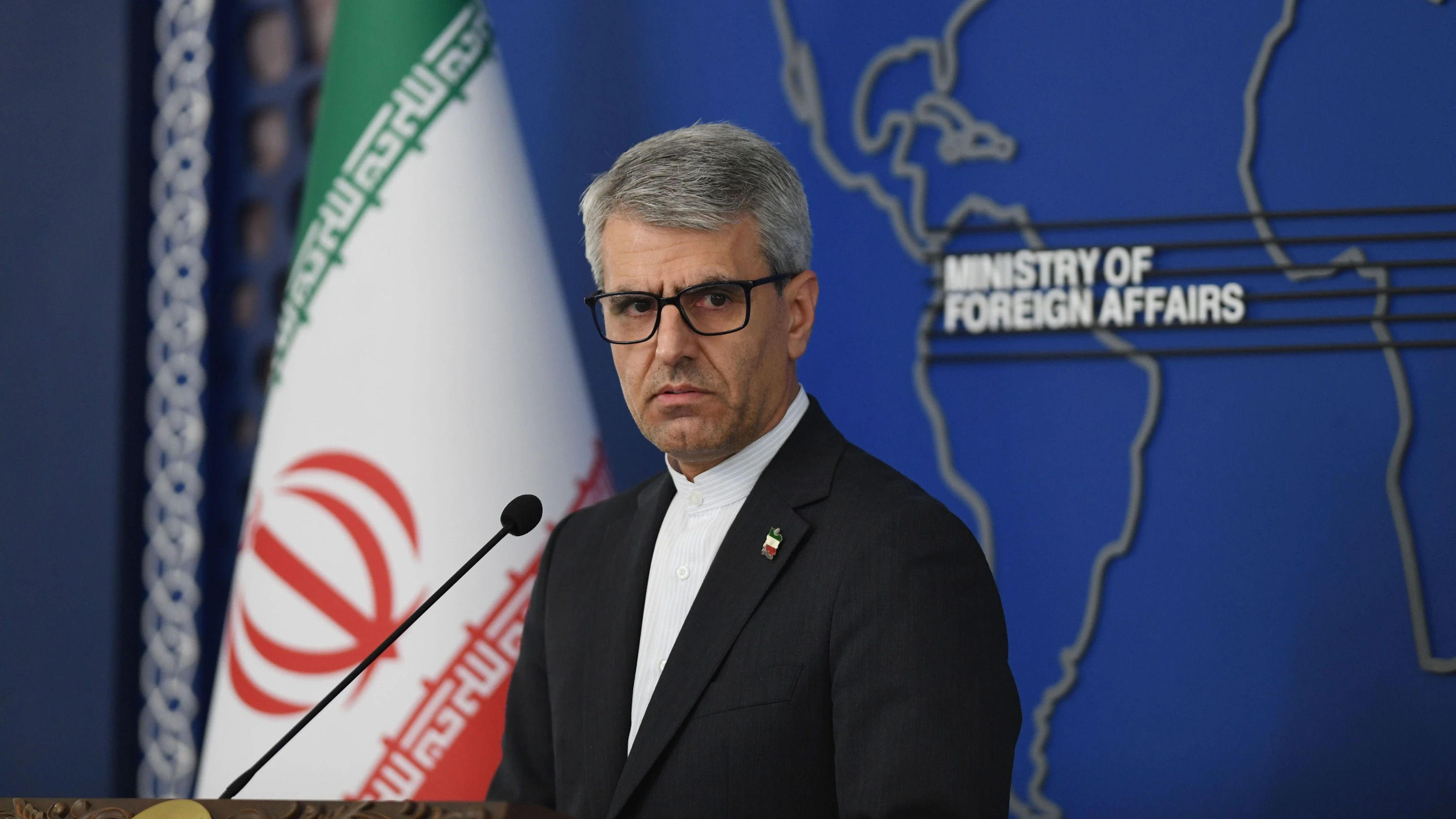
Liveblog Irankrieg: Teheran kontert Trump: Haben uns als Schachspieler bewiesen US-Präsident hat Verhandlungen mit Schachpartie verglichen +++ Iran stellt Trump Bedingungen +++ Baldige Öffnung der Straße von Hormus unwahrscheinlich +++ alle Entwicklungen im Liveblog
faz · about 2 months ago
Netanyahu says no Gaza withdrawal until Hamas disarms Benjamin Netanyahu said Sunday that Israels military will not carry out any withdrawal until Hamas is genuinely disarmed. The White House has not commented on the Israeli Prime Ministers dismissal of Trumps deal for Gaza.
france24 · about 2 months ago
Whats behind Trumps shift to economic pressure on Iran? Will it work? Months into the war, Trump is returning to squeezing Irans economy rather than military offensive for now.
aljazeera · about 2 months ago
Iran changed the rules in Hormuz. The Gulf is changing the rules for Iran Iran gained leverage in Hormuz, but its neighbours are reshaping regional security to limit what Tehran can do with it.
aljazeera · about 2 months ago
War on Iran: Phase II: Day 30 Donald Trump says the US is only semi-negotiating with Iran.
aljazeera · about 2 months ago
Chess player Iran says Hormuz stays shut until US pays up Irans foreign ministry spokesperson shot back that Iranians had "shown they are professional chess players" after Trump said he was "low-keying it" and likened talks with Tehran to a chess game.
euronews · about 2 months ago

LIVE: Strait of Hormuz vessel traffic as Iran says Oman deal in final stages www.youtube.com/live/NzeN2h9...
bluesky_Reuters · about 2 months ago

US House Democrats preparing for a possible return to power are developing a broad investigative strategy targeting companies and financial firms surrounding President Donald Trump, instead of trying to impeach him immediately, according to sources reut.rs/4wQBDrX
bluesky_Reuters · about 2 months ago
🇺🇸🇨🇴⚡️ — The Trump administration is accelerating the development of a military partnership with Colombia to combat drug traffickers - The New York Times. Colombias new president, who received Trumps support, will take office on Friday, and large-scale plans involving the US are already being implemented. The main thing to note is that Washington is acting even before the new government is fully formed. This indicates urgency, but also shows to what extent the anti-drug strategy still depends on external support, rather than on sustained control by the Colombian state over criminal territories and drug trafficking infrastructure. @IntelSlava
telegram_Intel Slava · about 2 months ago
🇺🇸🇮🇷⚡️ — The Wall Street Journal: President Trump is laying the groundwork for declaring victory in the war with Iran if the country reopens the Strait of Hormuz. According to official sources, Trump is also considering the possibility of ceasing military operations without reaching an agreement on the nuclear program. A White House spokesperson added: We have achieved all military objectives regarding Iran. @IntelSlava
telegram_Intel Slava · about 2 months ago
#Ukraine #Iran Irans Foreign Ministry spokesperson Esmaeil Baghaei expressed skepticism about Ukraines claim that the attack on the Iranian cargo vessel was unintentional, stating that Irans position on the matter is clear and they are not convinced by Ukraines assurances. Subscribe to @OSINTdefender | Chat room
telegram_OSINTdefender · about 2 months ago
❗️🇺🇸❌🇮🇷 - Trump via Axios Barak Ravid: We are low-keying it. We are only semi-negotiating with them. We are just watching Iran with its huge inflation and the fact they have no money. The President feels optimistic about the outcome of the Iran war, saying "It will work out. It always works out. Its like a chess game." He stresses that the Iranian economy is in very bad shape while American consumers are not feeling the pain from the war with oil at $75 a barrel. @GeoPWatch
telegram_GeoPWatch · about 2 months ago
Trump v loňském roce vydělal přes miliardu korun na licenci svého jména. Trump-budovy rostly hlavně v Perském zálivu Americký prezident Donald Trump loni získal ze zahraničního licencování svého jména v realitním byznysu 59,5 milionu dolarů (1,25 miliardy Kč). Bylo to o 71 procent více než v roce předchozím a téměř ...
respekt · about 2 months ago
Trump haalt uit naar oliebedrijven vanwege hoge brandstofprijzen De Amerikaanse president Donald Trump heeft grote oliebedrijven opgeroepen hun brandstofprijzen te verlagen. Volgens Trump verdienen bedrijven als ExxonMobil en Chevron momenteel te veel aan de hoge olieprijzen.
nu.nl · about 2 months ago
Ce arată documentele oficiale americane despre parteneriatul dintre The Trump Organization și SDC Imobiliare din România O declarație financiară oficială depusă de Donald Trump în Statele Unite arată că entitățile asociate The Trump Organization au avut relații contractuale cu SDC Imobiliare pentru proiectele din București și Cluj. Pentru București, documentul consemnează un venit de 5 milioane de dolari.
adevarul · about 2 months ago
Irans list of demands to reopen Hormuz: A capitulation document? Irans Revolutionary Guards said on Sunday that they would not reopen the Strait of Hormuz until the United States complied with a list of demands, including paying compensation for war damages. Is it a surrender document? We discuss this with our guest, Dr. H.A. Hellyer, Senior Fellow in Geopolitics, International Security, and Middle East Studies, RUSI.
france24 · about 2 months ago
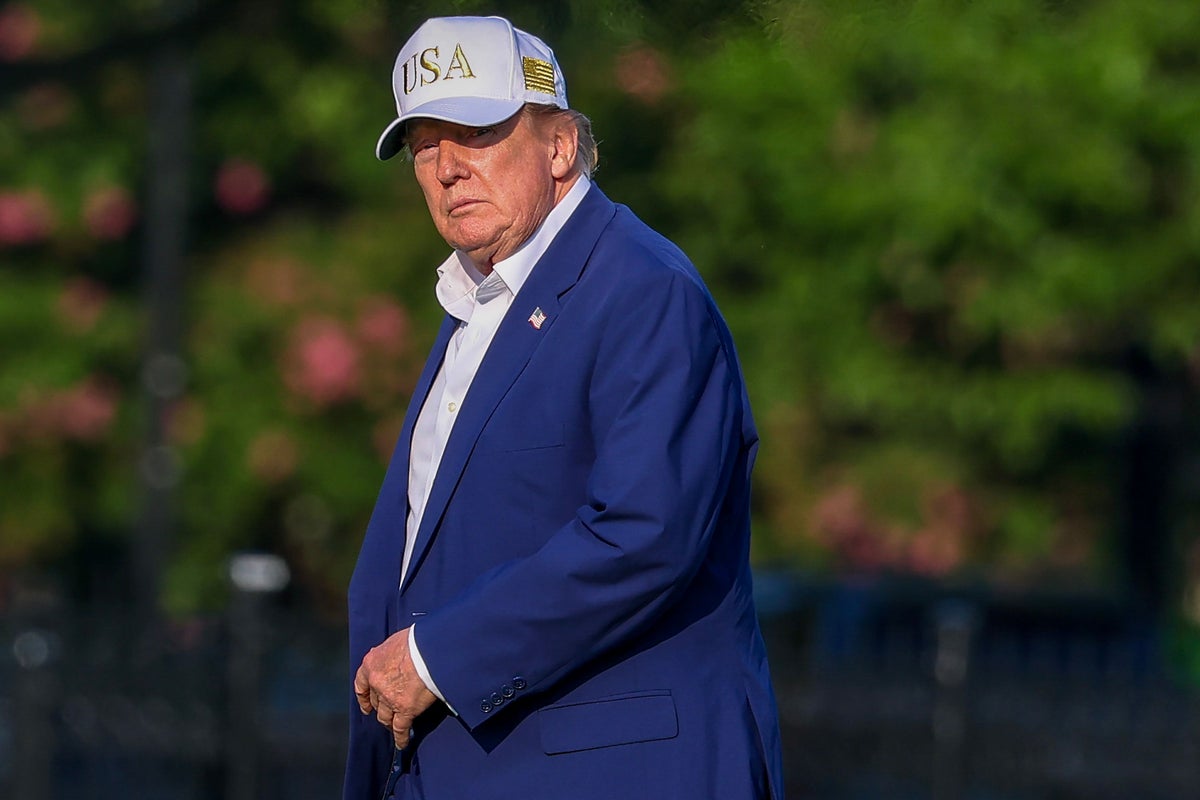
Iran-US war latest: Trump says it always works out as plan to reopen Strait of Hormuz stalls and oil prices rise Iran has warned the Strait will remain shut until the US meet six crucial conditions
independent · about 2 months ago

Iran Insists Strait of Hormuz Will Stay Closed Until Trump Agrees to Demands A spokesman for the Iranian Foreign Ministry said that talks with Oman on shipping routes in the Strait of Hormuz were separate from discussions to fully reopen the waterway.
new york times · about 2 months ago

🟠 UPDATETrump Admits Iran War May End Without Nuclear DealDonald Trump stated that the US is only semi-negotiating with Iran, adding specific details to his private admission that the conflict may conclude without a formal nuclear agreement.📰 #USA #Diplomacy #Geopolitics #GeoWire
mastodon bot · about 2 months ago

🔴 BREAKINGNetanyahu Rejects US-Led Gaza RoadmapIsraeli Prime Minister Benjamin Netanyahu has rejected a US-led roadmap for Gaza, a move analysts warn could entrench a state of endless conflict. This diplomatic breakdown highlights the growing rift between US peace efforts and Israeli leaderships strategic objectives...📰 #Israel #Military #Geopolitics #GeoWire
mastodon bot · about 2 months ago

🔴 BREAKINGNetanyahu Rejects Trumps 15-Point Gaza PlanIsraeli Prime Minister Benjamin Netanyahu has rejected a proposed 15-point peace plan for Gaza put forward by the Trump administration. The White House reportedly views this rejection as political campaign rhetoric ahead of upcoming elections rather than a final diplomatic stance.📰 #Israel #USA #Geopolitics #GeoWire
mastodon bot · about 2 months ago

🔴 BREAKINGNetanyahu Conditions Gaza Withdrawal on Hamas DisarmamentIsraeli Prime Minister Benjamin Netanyahu declared that Israel will not withdraw its military from Gaza until Hamas is genuinely disarmed. This stance effectively dismisses a proposed deal by Donald Trump, with the White House remaining silent on the matter.📰 #Diplomacy #Military #Geopolitics #GeoWire
mastodon bot · about 2 months ago
🇮🇱 🇵🇸 🇺🇸 Netanyahu officially rejects Trumps Gaza plan Israeli Prime Minister Benjamin Netanyahu has rejected a US-led Gaza plan endorsed by Hamas, putting distance between himself and President Donald Trump as he tries to shore up his base ahead of close elections
bluesky_AFP English · about 2 months ago
Trumps Gaza plan hinges on Hamas disarmament, Israeli withdrawals Donald Trumps latest plan to end the Gaza war calls on Hamas to lay down its arms as Israel withdraws from the territory, terms endorsed by the militants but rejected by Israel, which says it will not pull back until the groups disarmament is complete. WHAT IS TRUMPS LATEST PLAN FOR GAZA? The U.S. president […]
in-cyprus · about 2 months ago