
Iran demands six US concessions to reopen Strait of Hormuz amid stalled talks
Story Timeline
2 months · 20 summary articles
Iran’s Supreme National Security Council on Saturday demanded the United States meet six conditions before reopening the Strait of Hormuz, complicating negotiations despite earlier reports that a deal with Oman on shipping arrangements was near.
The council, led by President Masoud Pezeshkian and overseen by Supreme Leader Mojtaba Khamenei, said the U.S. must never threaten Iran, end all wars against Iran and its regional allies, lift the naval blockade of Iranian ports, withdraw U.S. forces from the area, pay full war damages, lift sanctions, and unconditionally release frozen Iranian assets. A council statement carried by state media said these demands were non-negotiable and that the strait would remain closed until Washington “corrects its behavior” .
The Revolutionary Guards reinforced the position on Sunday, with spokesman Hossein Mohebi stating the strait “is now actually a theatre of war for us and not just a waterway” and that it would stay shut until all Iranian conditions were accepted .
Oman’s Foreign Ministry said talks with Iran on navigation in the strait were advancing in a “positive and constructive atmosphere” and urged all parties to avoid actions that could undermine the process . However, the United Arab Emirates reported that Iran launched a missile attack on one of its vessels in the strait on Saturday, with state news agency WAM confirming the incident was under control .
U.S. Vice President JD Vance said Washington expects Iran to restore oil and gas flows through the strait to pre-conflict levels and ensure safe passage for commercial vessels, adding that Iran had communicated its intention to comply while the U.S. maintains a “trust but verify” stance .
The demands echo conditions Iran previously set for a broader agreement with the U.S., but they are now tied specifically to reopening the strait. Iran and Oman had finalized an agreement on geographic coordinates for a shipping route on Aug. 6, with ships entering the Persian Gulf through a northern lane in Iranian waters and exiting via a southern lane in Omani waters . Iran’s Foreign Ministry spokesperson Esmaeil Baghaei had stated at the time that the deal alone would not guarantee security in the strait.
Follow us for live European news
- 4
- 2
- 1
- 1
- 1
- 1
- 1
- 1
8 further sources not geolocated
Articles

BREAKING 🚨 Iran says wont reopen Strait of Hormuz until US accepts Tehrans conditions READ:
telegram_Insider Paper · about 2 months ago
Krieg in Nahost: Iran: USA müssen auf unsere Forderungen eingehen Im Konflikt um die Straße von Hormus sollten sich die USA aus Verhandlungen zwischen Iran und Oman heraushalten, fordert ein Sprecher der iranischen Revolutionsgarde.
sueddeutsche · about 2 months ago
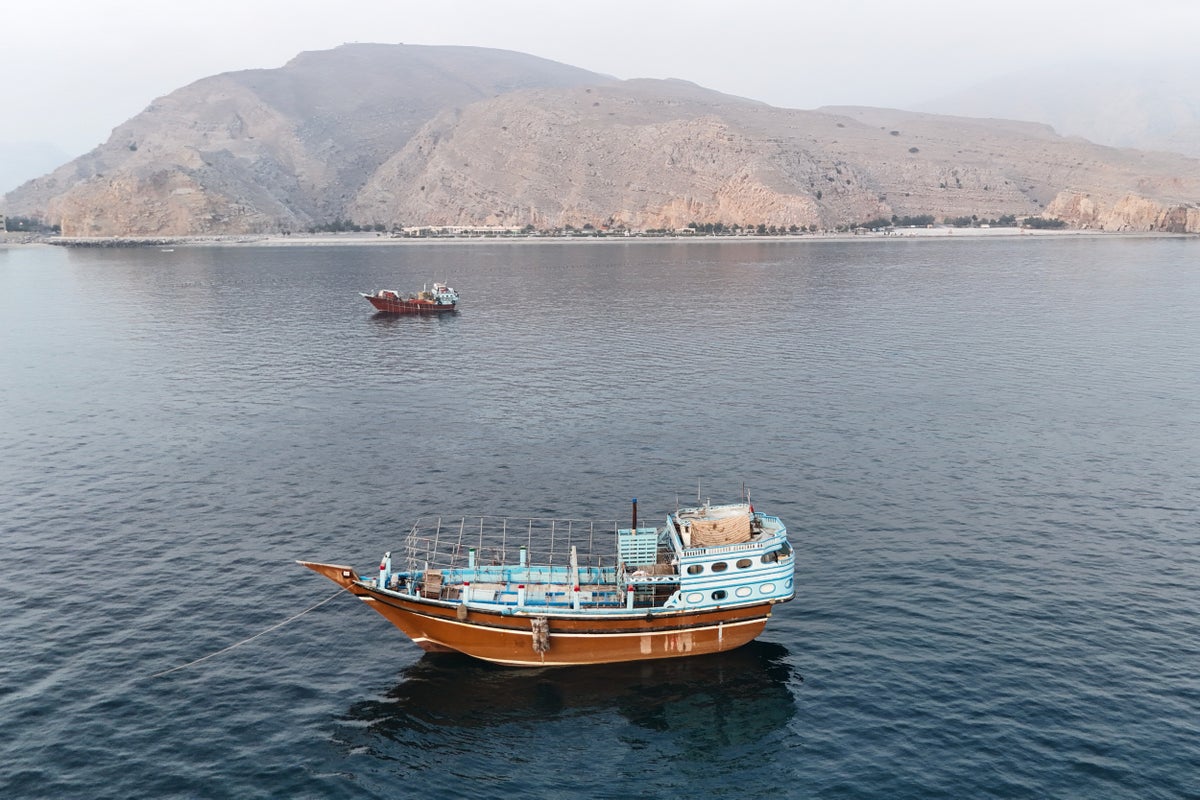
Iran-US war latest: Trump orders military to speed up weapons production amid Hormuz deal deadlock UAE accused Tehran of acts of piracy after an Iranian missile attack on its carrier through Strait of Hormuz
independent · about 2 months ago

Mecca defense pact mirrors NATO Article 5: Turkish FM Foreign Minister Hakan Fidan said the Mecca Joint Defense Agreement signed by Türkiye, Saudi Arabia and Pakistan is technically equivalent to NATOs Article 5 collective defense clause, adding that the initiative aims to foster lasting regional stability through enhanced deterrence.
yenisafak · about 2 months ago

Yemen hails Türkiye-Saudi-Pakistan defense pact as strategic step Yemens Foreign Ministry on Saturday welcomed the Mecca Joint Defense Agreement signed by Türkiye, Saudi Arabia and Pakistan, describing the pact as a strategic milestone that reflects shared political will to unify efforts against threats to regional stability and international maritime routes.
yenisafak · about 2 months ago
Many of Irans demands already agreed to by US in June MoU Iran on Saturday issued a list of demands for the reopening of the Strait of Hormuz, which have been characterised as new preconditions. Reporting from Washington, FRANCE 24s Fraser Jackson notes that many of the demands were already agreed to by the US in the [Islamabad] Memorandum of Understanding that was signed back in June between Iran and the US. The difficulty was that the language then was quite broad.
france24 · about 2 months ago

Oman says Hormuz talks advancing in positive atmosphere The Omani Foreign Ministry said Saturday that negotiations with Iran on navigation arrangements in the Strait of Hormuz were progressing in a "positive and constructive atmosphere," urging all parties to avoid actions that could undermine the talks amid rising tensions over vessel attacks in the strategic waterway.
yenisafak · about 2 months ago

Vance: US expects Iran to restore Hormuz oil flow safely US Vice President JD Vance said Saturday that Washington expects Tehran to restore oil and gas flows through the Strait of Hormuz to pre-conflict levels and ensure safe passage for commercial vessels, adding that Iran has communicated its intention to comply while the US maintains a "trust but verify" stance.
yenisafak · about 2 months ago
Iran says deal on Strait of Hormuz is close but is not enough to open the waterway Iran said on Saturday that a deal with Oman on control of the Strait of Hormuz was close but would not be enough to free up the waterway,…
japantoday · about 2 months ago
Stockende Verhandlungen für Wiedereröffnung der Straße von Hormuz Der Iran verlangt Zugeständnisse von den USA, zu denen diese nicht bereit sind. US-Vizepräsident JD Vance hingegen spricht von Fortschritten.
die presse · about 2 months ago
Verhandlungen um die Straße von Hormus: Iran stellt neue Forderungen an die USA Laut Iran und Oman sei eine Einigung über die Wiedereröffnung der Meerenge nahe. Nun stellt Teheran Bedingungen, die für die USA inakzeptabel sein dürften. mehr...
taz.de · about 2 months ago
Iran-Krieg: Iran nennt Forderungen an USA zur Öffnung der Straße von Hormus Die Gespräche zwischen dem Iran und Oman über eine Wiedereröffnung der Meeresstraße sollen bald abgeschlossen sein. Nun stellt Teheran Bedingungen, die für die USA inakzeptabel sein dürften.
handelsblatt · about 2 months ago
Iran stellt neue Forderungen an USA zur Wiedereröffnung der Straße von Hormus Der Iran will unter anderem, dass die USA das Land nie wieder bedrohen und das Land für alle Kriegsschäden entschädigen. Die US-Regierung reagierte bisher nicht auf die Forderungen
der standard · about 2 months ago
Iran issues new demands as Pezeshkian seeks deal Senior Iranian security official sets broader conditions for reopening Hormuz.
aljazeera · about 2 months ago
Middle East live: Iran issues list of demands for reopening Strait of Hormuz Iran has issued a list of demands for the reopening of the Strait of Hormuz, including compensation for war damages, complicating a potential deal to open the vital waterway. Iranian Foreign Minister Abbas Araghchi said discussions with Oman were "approaching the final stages", but added the reopening of Hormuz "is subject to other conditions". Follow our liveblog for the latest developments.
france24 · about 2 months ago

Iran sets preconditions for a reopening of the Strait of Hormuz, including compensation for war damages, complicating a potential deal to open the waterway essential to the world economy. ➡️
bluesky_AFP English · about 2 months ago
#USA #Israel #Iran CENTCOM chief Brad Cooper met with Israeli army officials to discuss military strategies amid rising tensions with Iran, but there is no indication of a new deal being finalized. The discussions focused on potential military actions and cooperation between the US and Israel regarding Iran. Subscribe to @OSINTdefender Chat room
telegram_OSINTdefender · about 2 months ago
Iran seeks way out of neither war nor peace stalemate with US Iran President Pezeshkian said he hopes talks with Oman can end the neither war nor peace state of relations with US.
aljazeera · about 2 months ago

Iran issues tough demands to reopen strait of Hormuz as deal remains out of reach
bluesky_The Guardian · about 2 months ago
Iran war live: Pezeshkian seeks end to no war, no peace amid Hormuz talks IRGC sets conditions to reopen Strait of Hormuz as US seeks commitments to end attacks on ships in the waterway.
aljazeera · about 2 months ago

Turkey says Saudi-Pakistan defence pact mirrors NATOs Article 5, Egypt could also join #Europe #NATO
mastodon bot · about 2 months ago
Iran-Krieg: Iran stellt neue Forderungen an USA zur Straße von Hormus Die Verhandlungen zwischen dem Iran und Oman über eine Wiedereröffnung der Straße von Hormus sollen auf der Zielgeraden sein. Nun stellt Teheran Bedingungen, die für die USA inakzeptabel sein dürften.
tagesspiegel · about 2 months ago

⚡️Turkey urges halt to Russian, Ukrainian attacks on vessels in Black Sea. Turkish Foreign Minister Hakan Fidan on Aug. 8 called on Russia and Ukraine to impose a moratorium on attacks on vessels in the Black Sea amid the increasing number of strikes on ships in the region.
bluesky_Kyiv Independent · about 2 months ago
— 🇮🇷 Irans Supreme National Security Council: Until America corrects its behavior, the Strait of Hormuz will not be opened. Correcting behavior means: 1. Never threaten Iran with any language nor insult the sanctities of this nation. 2. End the war and aggression against Iran and its allies in Lebanon, Palestine, Yemen, and Iraq permanently. 3. Lift the naval blockade and withdraw U.S. naval and air forces from the area surrounding Iran. 4. Pay the damages for the two aggressive wars imposed against Iran. 5. Lift the cruel and illegal sanctions against the Iranian nation. 6. Release the frozen and stolen assets of the Iranian people unconditionally. These are the demands of the Iranian people who have been relentlessly present in the squares and streets for 160 days. The Supreme National Security Council will never back down; whether in war or in negotiations. @Middle_East_Spectator
telegram_GeoPWatch · about 2 months ago
+++ Iran-Krieg +++: USA behindern laut Iran Lebensmittelimporte – US-Militär widerspricht US-Generalstabschef Caine sucht offenbar Ausweg aus Iran-Krieg +++ Serbien und Ukraine planen Freihandelsabkommen bis Jahresende +++ Schiff in Straße von Hormus beschossen +++ Der Newsblog.
handelsblatt · about 2 months ago

Irans Conditions for Reopening Hormuz Strain Oman Deal📰 Original title: Iran says deal with Oman is close — but its demands leave Hormuz opening uncertain🤖 IA: Its clickbait ⚠️👥 Users: Its clickbait ⚠️View full AI summary #iranomandeal #hormuzstrait #ussanctions
mastodon bot · about 2 months ago
Turkiye says Mecca defence pact not aimed at Iran Turkiye says the Mecca defence pact with Saudi Arabia and Pakistan does not target Iran.
aljazeera · about 2 months ago
Iran war live: Tehran demands end to US blockade to reopen Strait of Hormuz IRGC sets conditions to reopen Strait of Hormuz as US seeks commitments to end attacks on ships in the waterway.
aljazeera · about 2 months ago
Mecca Defense Pact Signals Saudi Arabias Bid to Shape a New Security Order The agreement with Turkey and nuclear-armed Pakistan strengthens Riyadhs position as a central architect of regional security, while reflecting a broader shift toward a more multipolar international system. Tirana Times, August 08, 2026 – The signing of the Mecca Joint Defense Agreement between Saudi Arabia, Turkey and Pakistan represents more than another security arrangement in an increasingly unstable Middle East. It is also a demonstration of Saudi Arabias growing ambition to shape the regional security architecture rather than remain dependent on guarantees provided by outside powers. Signed in Mecca by Saudi Crown Prince Mohammed bin Salman, Turkish President Recep Tayyip The post Mecca Defense Pact Signals Saudi Arabias Bid to Shape a New Security Order appeared first on Tirana Times.
tirana times · about 2 months ago
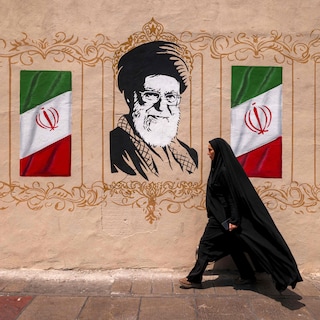
Iran: Straat van Hormuz pas open als VS zich terugtrekken en schade vergoeden
de volkskrant · about 2 months ago