
Iran accuses Trump of "theater diplomacy" as Strait of Hormuz traffic collapses

Story Timeline
2 months · 17 summary articles
Iran’s parliament speaker and chief negotiator, Mohammad Bagher Ghalibaf, accused U.S. President Donald Trump of “theater diplomacy” on Thursday, mocking Washington’s shifting stance on negotiations to end the five-month conflict. “‘Massive attack coming … wait, never mind, they want to negotiate.’ That’s theater diplomacy on loop,” Ghalibaf wrote on X, according to CNBC .
Trump, speaking in the Oval Office on Friday, claimed the Strait of Hormuz was “sort of open” and predicted the war with Iran would “end pretty soon.” He acknowledged Tehran could still “shoot things” or “drop a mine” but insisted the U.S. controlled the waterway. The president also denied ammunition shortages, calling reports of low stockpiles “treasonous” and threatening prison for leakers, The Independent reported .
Shipping data underscored the strait’s paralysis. Only two vessels transited the Strait of Hormuz on Wednesday, down from eight the day before, according to Kpler, against a pre-war average of 130–140 daily. Traffic through the Bab el-Mandeb fell to a single dry bulk carrier from 20 the prior day. Iran and Oman’s draft deal to manage the strait would bar U.S. and Israeli ships until compensation is paid for “damage” to Iran, with penalties of up to 20% of cargo value for violations, Fars news agency reported .
Iran has simultaneously warned Gulf states it would strike their oil, power, and water infrastructure unless they pressure Trump to halt U.S. attacks and return to negotiations. Foreign Minister Abbas Araqchi delivered the message in calls with Saudi, Turkish, Qatari, and Pakistani officials, according to Japan Today. Saudi Crown Prince Mohammed bin Salman subsequently urged Trump to delay military action and pursue a ceasefire .
Oil markets reacted as Brent crude rose $1.31 to $83.80 per barrel on Friday, per The Independent. Iran and Oman’s proposed agreement, now in “final stages,” would give Tehran control over ships entering the Gulf, one of the largest concessions yet to Iran, the outlet noted .
Saudi Arabia, meanwhile, braced for “multiple coordinated attacks” by Iran-backed Iraqi militias and Houthis, a Saudi official told CNN. The Houthis claimed responsibility for strikes on two Saudi oil tankers in the Gulf of Aden this week .
Follow us for live European news
- 4
- 2
- 1
- 1
- 1
- 1
- 1
- 1
- 1
- 1
- 1
- 1
- 1
5 further sources not geolocated
Articles

Katonai bázist épít először Donald Trump Béketanácsa Gázában, közel az első szerződés véglegesítése A most tervezett bázis mindössze 100 méter x 120 méteres, és egy marokkói csapatokból álló kontingens befogadását szolgálja majd.
444.hu · about 2 months ago
Energie: Trump-Regierung zahlt RWE 1,2 Milliarden Dollar für Windkraft-Rückzug RWE beendet seine Offshore-Windkraftprojekte in den USA. Der Konzern erhält für den Rückzug eine hohe Ausgleichszahlung. Es ist nicht der erste politisch motivierte Deal dieser Art.
handelsblatt · about 2 months ago
Warten auf Vereinbarung zu Straße von Hormuz Die von Iran und Oman geplante Maut alarmiert die Schifffahrtsbranche. Die USA sollen an den Gesprächen nicht beteiligt gewesen sein.
die presse · about 2 months ago
.jpeg?width=1200&auto=webp&trim=0%2C0%2C0%2C0)
Trump 2028: President poses as decorated general and threatens to run again in bizarre series of AI posts The president has acknowledged he cant run again but frequently talks about Trump 2028
independent · about 2 months ago
Iran warns Gulf states: Tell Trump to desist or we hit you hard Iran has made a concerted diplomatic push with Gulf states, warning them explicitly that Tehran will hit their oil, power and water plants unless they convince Donald Trump…
japantoday · about 2 months ago
Irans chief negotiator accuses Trump of theater diplomacy with Hormuz traffic near standstill The conflict is broadening across the region, with Gulf energy infrastructure and key shipping chokepoints under renewed threat.
cnbc · about 2 months ago
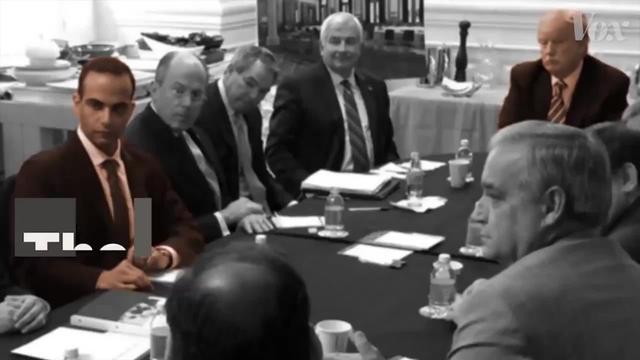
Report on Trump & Russian Collusion. Russia has helped Trumps campaign since 2016. Never ended.Excellent summary of the nefarious plot(s) that should have disqualified the traitor felon conmanUS is still not prepared for russian attacks on its elections, the former special counsel Robert Mueller, who investigated russian interference in 2016 and links between Trump and Moscow, found that the felon welcomed russias help, interference. #elections #news #usa #eu
mastodon bot · about 2 months ago
Windkraft in den USA: Deal mit Windkraftgegner Trump: RWE stoppt Offshore-Projekte Donald Trump wird nicht müde, Stimmung gegen Windkraft zu machen. Jetzt rückt der Energieriese RWE von Windkraft-Projekten vor den Küsten der USA ab - und bekommt dafür eine Milliardensumme.
tagesspiegel · about 2 months ago
„Îmi pare rău să văd cum mor tineri. Trump compătimește, dar interzice exportul de rachete interceptoare către Ucraina Președintele SUA, Donald Trump, a dat de înțeles, în cadrul unei discuții cu jurnaliștii de la Casa Albă, că nu intenționează să furnizeze Ucrainei rachete suplimentare pentru sistemele de apărare antiaeriană (AA) Patriot. Unul dintre jurnaliști a atras atenția asupra declarației președintelui Ucrainei, Volodimir Zelenski, care a afirmat că Kievul are nevoie urgentă de muniție pentru a se apăra împotriva atacurilor rusești.
digi24 · about 2 months ago

Trump: Robimy postępy w rozmowach o zakończeniu wojny w Ukrainie - Między oboma przywódcami jest bardzo dużo nienawiści. Ale są już pewne postępy - stwierdził prezydent USA Donald Trump zapytany o zaangażowanie Amerykanów w rozmowy o zakończeniu wojny w Ukrainie. Wyraził też przekonanie, że wojna z Iranem niedługo się zakończy, a wbrew spekulacjom USA mają "ogromne ilości amunicji".
gazeta.pl · about 2 months ago

Iran-Oman Hormuz deal to charge vessels service fees: Report An informed source at Irans Foreign Ministry said Tehran and Muscat are negotiating a framework to charge vessels service fees for transiting the Strait of Hormuz, adding that the arrangement would eventually replace existing northern and southern lanes with a centrally managed corridor.
yenisafak · about 2 months ago

Türkiyes National Security Council urges Iran-US return to talks Türkiyes National Security Council on Thursday called for an immediate return to negotiations between Iran and the United States, warning that renewed hostilities risk spreading to regional countries and disrupting vital global trade routes.
yenisafak · about 2 months ago

Trump denies clash with Pentagon chief over Iran war munitions US President Donald Trump on Thursday rejected a media report claiming he confronted Defense Secretary Pete Hegseth over dwindling munitions stockpiles during the Iran war, calling the allegations treasonous and voicing strong support for his Pentagon chief.
yenisafak · about 2 months ago
Trump om Vance som president: Nej, nej Beskedet efter ryktena
expressen · about 2 months ago

Warum Donald Trump jetzt 100.000 Dollar für seine Posts verlangt Seit Monaten sieht sich der Trump-Clan mit Vorwürfen des Insiderhandels und der Vorteilsnahme konfrontiert. Nun folgt die nächste Vermischung von Geschäft und Politik: Wer vorab sehen will, was der Präsident postet, muss 100.000 Dollar zahlen.
welt.de · about 2 months ago
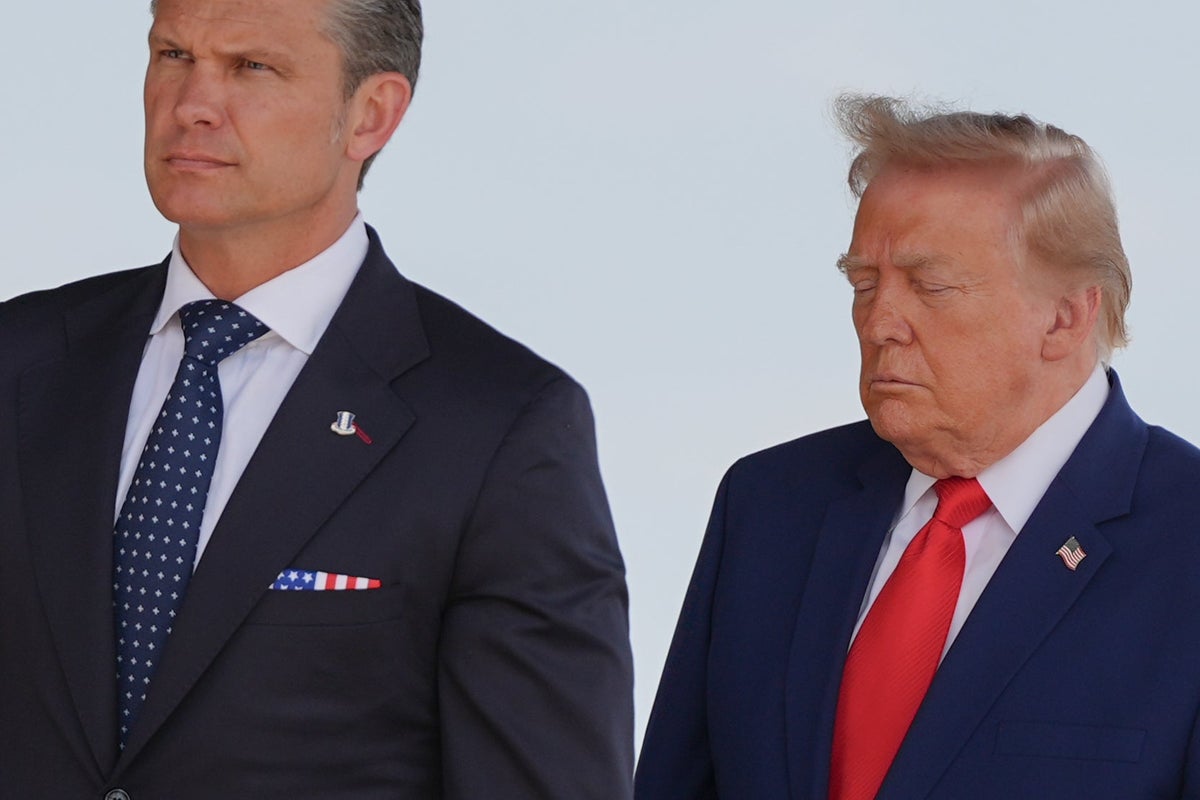
Trump makes his feelings clear about Pete Hegseth after treasonous leakers rant over weapons stockpile Lengthy Truth Social post about defense chief comes amid concerns that their war effort in Iran has emptied the cupboards of precision munitions
independent · about 2 months ago
Trump indgår forlig med havvindmølleproducenter
dr.dk · about 2 months ago
+++ USA +++: Haushaltsbüro: Schlachtschiffe der Trump-Klasse kosten Unsummen Trump räumt Engpässe bei bestimmten Munitionsbeständen ein +++ Trump: Neuer Anlauf für Beschränkung von US-Geburtsrecht +++ USA gehen gegen Kubas Waffenimporte vor +++ Der Newsblog.
handelsblatt · about 2 months ago
Krieg in Nahost: Iran will Schiffe aus den USA und Israel aus der Straße von Hormus verbannen Zudem sollen Medienberichten zufolge feindlich gesinnte Länder eine Entschädigung leisten müssen, bevor ihre Schiffe die Meerenge passieren dürfen.
sueddeutsche · about 2 months ago
![Iran-US war latest: Trump claims Strait of Hormuz is sort of open and predicts Tehran will seek peace soon US president tells reporters in Oval Office: I dont think they [Iran] can go much longer](https://static.independent.co.uk/2026/08/06/05/2287764373..?width=1200&auto=webp&trim=0%2C0%2C0%2C0)
Iran-US war latest: Trump claims Strait of Hormuz is sort of open and predicts Tehran will seek peace soon US president tells reporters in Oval Office: I dont think they [Iran] can go much longer
independent · about 2 months ago

Vessel traffic through Hormuz dwindles this week as markets watch Iran-Oman talks reut.rs/4webguL
bluesky_Reuters · about 2 months ago
🇺🇸🇺🇦⚡️ — Here is the dialogue between Trump and a journalist who was asking about the Patriot system for Ukraine. Reporter: Zelensky says that his country urgently needs Patriot missiles. Trump: We need them too. Biden gave him a lot of them. @Intelslava
telegram_Intel Slava · about 2 months ago

Burnham urged to tackle cost of living crisis by urging Trump to end Iran war
bluesky_The Guardian · about 2 months ago
Hormuz Crisis Is Rewriting the Global LPG Trade
gdeltproject.org · about 2 months ago
Milliarden-Deal mit Trump: Deutscher RWE-Konzern stoppt Windkraft-Projekte in den USA US-Präsident Trump ist erklärter Gegner der Windkraft. Jetzt rückt der Energieriese RWE von Offshore-Projekten vor den Küsten der USA ab – und bekommt dafür eine Milliardensumme.
tagesspiegel · about 2 months ago
Refining crunch keeps fuel prices high as crude retreats Lost capacity in Russia and the Gulf is a boon to US refiners but a political problem for Donald Trump
financial times · about 2 months ago
Trumps wensen stuwen prijs nieuwe slagschepen met 50 procent omhoog De nieuwe slagschepen die president Trump graag wil voor het Amerikaanse leger vallen fors duurder uit dan eerder gedacht. De bouw ervan gaat naar verwachting minimaal 50 procent meer kosten. En dat komt neer op een duizelingwekkende 275 miljard dollar voor 15 schepen.
rtl nieuws · about 2 months ago
Iran war live: Trump says war cant go much longer; Hormuz deal close The US, Iran, and Oman are close to a temporary deal to reopen the Strait of Hormuz.
aljazeera · about 2 months ago
Prijskaartje nieuwe slagschepen Trump fors omhoog: 275 miljard dollar De nieuwe slagschepen die president Trump graag wil voor het Amerikaanse leger vallen fors duurder uit dan gedacht. De bouw ervan gaat naar verwachting minimaal 50 procent meer kosten dan gedacht. En dat komt neer op een duizelingwekkende 275 miljard dollar voor 15 schepen.
rtl nieuws · about 2 months ago
Iran-US war latest: Trump claims Strait of Hormuz is sort of open and predicts Tehran will seek peace soon Iran warns US not to get involved as it claims agreement with Oman to open shipping route through Strait of Hormuz
independent · about 2 months ago