Loading…
 Friday, September 25Friday, September 25
2 months · 16 summary articles
The United States and Iran have escalated their military conflict, with Iran launching attacks on Bahrain and Kuwait, and the US continuing its airstrikes on Iranian targets for the tenth consecutive night. President Donald Trump has threatened to attack Iran's Pickaxe Mountain, a site suspected of nuclear activity.
Iranian forces targeted Bahrain and Kuwait with cruise missiles and drones on Tuesday. Bahrain's Interior Ministry urged residents to seek immediate shelter as air raid sirens sounded across the kingdom. Iranian forces claimed to have struck a US-operated air base and Amazon data infrastructure in Bahrain.
In response, the US military continued its airstrikes on Iran, targeting military capabilities used to attack commercial shipping in the Strait of Hormuz.
President Donald Trump threatened to attack Iran's Pickaxe Mountain, a deep underground site suspected of nuclear activity. Speaking at a meeting with Lebanese President Joseph Aoun at the White House, Trump said, "We'll be hitting that area very probably pretty soon. There's not a thing they can do about it."
The conflict has affected neighboring countries, with Kuwait reporting hits on energy and desalination plants, and Jordan intercepting Iranian drones.
Diplomatic efforts to de-escalate the situation include a proposal for a 10-day ceasefire by regional mediators. However, Trump has signaled that he is not interested in a ceasefire at the moment.
Follow us for live European news
6 further sources not geolocated

⚡ NEWSLebanons Joseph Aoun and USs Donald Trump hold press conferenceLebanese President Joseph Aoun meets with US President Donald Trump for a press conference. The meeting occurs amid intensifying pressure on the Lebanese government to disarm Hezbollah, highlighting diplomatic efforts between Washington and Beirut regarding regional...📰 #Diplomacy #Military #Geopolitics #GeoWire
mastodon bot · 2 months ago

🇺🇸 Iran stepped up its attacks in the Middle East on Tuesday, two weeks after its war with the United States resumed, with sirens sounding in Bahrain and Jordan announcing it had intercepted two waves of missiles and drones. ➡️ u.afp.com/SrfH
bluesky_AFP English · 2 months ago

🇮🇱🇮🇷⚡️ — NEW: Israel assesses that Iran moved advanced centrifuges and enriched uranium to a fortified underground facility south of Tehran following the June 2025 war, CNN reports. ➡️ The site — known as Pickaxe Mountain, near Natanz — was already under Israeli intelligence monitoring as a key nuclear facility; its deep underground position made it difficult to strike. ➡️ Iran holds approximately 440 kg of highly enriched uranium; Israel believes a portion was relocated to Pickaxe Mountain. ➡️ Construction and activity at the site increased after the 12-day war, during which the US struck Fordow, Natanz, and Isfahan — but not Pickaxe Mountain. ➡️ Iran has also reportedly collapsed tunnels and booby-trapped tunnel entrances with explosive mines to seal off its uranium cache. @IntelSlava
telegram_Intel Slava · 2 months ago
🇺🇸🇮🇷⚡️ — Trump on Iran: "If we left right now, it would take Iran 20 to 25 years to rebuild. Were not finished at all. We are not leaving right now." @IntelSlava
telegram_Intel Slava · 2 months ago
NOW - Trump says the U.S. will attack new nuclear sites Iran is trying to build. @disclosetv
telegram_Disclose.tv · 2 months ago
🇮🇷❌🇧🇭🇰🇼 — Reports are that Ballistic Missiles were launched from Lar, Fars Province in Iran, at Kuwait and Bahrain. @GeoPWatch
telegram_GeoPWatch · 2 months ago
BREAKING - Trump says US not finished at all with Iran READ: Follow @InsiderPaper for more news
telegram_Insider Paper · 2 months ago

Frappes en Iran : ce rapport américain qui met en doute la stratégie de Donald Trump
lexpress · 2 months ago
CENTCOM announces fresh US strikes on Iran to degrade military capabilities US Central Command has announced a new wave of strikes against Iran, aimed at degrading military capabilities used to attack commercial shipping in the Strait of Hormuz. The attacks follow continued exchanges between Washington and Tehran despite a Pakistan-brokered ceasefire framework.
yenisafak · 2 months ago
ASEAN urges US and Iran to exercise self-restraint amid war Southeast Asian foreign ministers on Tuesday urged the United States and Iran to exercise utmost self-restraint, warning that renewed hostilities between Washington and Tehran are severely undermining mediation efforts led by Pakistan and Qatar aimed at securing a lasting peace agreement.
yenisafak · 2 months ago
Bahrain sirens sound as Iran strikes US, Amazon Bahrains Interior Ministry urged residents to seek immediate shelter as air raid sirens sounded across the kingdom early Tuesday, with Iranian forces claiming cruise missile and drone strikes on a US-operated air base and Amazon data infrastructure despite a June peace accord.
yenisafak · 2 months ago
Podcast: „Auf den Punkt: Trump hat im Iran-Krieg zwei Optionen – beide sind schlecht Im Krieg zwischen den USA und Iran ist kein Frieden in Sicht. Und der US-Präsident hat keine guten Druckmittel, um aus der Lage herauszukommen.
sueddeutsche · 2 months ago
![Trump vows U.S. will soon bomb Irans Pickaxe Mountain President Trump said Tuesday that the U.S. military will bomb Irans Pickaxe Mountain, a deep underground site that the U.S. and Israel suspect could be used for nuclear activity. Why it matters: Trumps remarks, at the top of his meeting with the president of Lebanon at the White House, signaled that he is not interested in a ceasefire at the moment and is moving towards escalating the strikes on Iran. What hes saying: "Well be hitting that area very probably pretty soon. Theres not a thing they can do about it. You know, normally I wouldnt say that. If I thought they could do something about it, I would never say that. But well be hitting that area pretty soon, and very heavily," Trump said.Trump said the U.S. thinks Iran "may have" stored centrifuges at the site but added, "We dont have it on record." Even if Iran did, "it doesnt mean anything unless they have the [nuclear] material." He said Iran does not.The Wall Street Journal reported on Monday that Israel provided the U.S. with intelligence suggesting that Iran has moved thousands of centrifuges into Pickaxe Mountain. Yes, but: It is not clear whether the U.S. military has bombs that can penetrate the rock above the deep underground facility. Nevertheless, a U.S. strike could do damage to the site and block its entrance tunnels. Driving the news: U.S. officials say Trump is nearing a fork in the Iran war, with two options he is considering.Option 1: Pursue a new 10-day ceasefire aimed at reopening the Strait of Hormuz. Qatar, Egypt, Pakistan and other regional mediators are urging him to do so. Option 2: Launch a massive joint military campaign with Israel to try to force Tehran to capitulate.State of play: Trump signaled on Tuesday he is leaning toward the second choice. He expressed no interest in restarting negotiations with Iran. "They want to desperately meet, and until theyre ready to meet in a meaningful way, we have no interest," he said. Trump stressed the U.S. is "not finished at all" with the war. Iran, he said, hasnt "seen anything yet. We have been nice."](https://images.axios.com/XOe-x-MjD_p585Z5_lztIeuMzms=/0x0:4000x2250/1366x768/2026/07/21/1784652235301.jpeg)
Trump vows U.S. will soon bomb Irans Pickaxe Mountain President Trump said Tuesday that the U.S. military will bomb Irans Pickaxe Mountain, a deep underground site that the U.S. and Israel suspect could be used for nuclear activity. Why it matters: Trumps remarks, at the top of his meeting with the president of Lebanon at the White House, signaled that he is not interested in a ceasefire at the moment and is moving towards escalating the strikes on Iran. What hes saying: "Well be hitting that area very probably pretty soon. Theres not a thing they can do about it. You know, normally I wouldnt say that. If I thought they could do something about it, I would never say that. But well be hitting that area pretty soon, and very heavily," Trump said.Trump said the U.S. thinks Iran "may have" stored centrifuges at the site but added, "We dont have it on record." Even if Iran did, "it doesnt mean anything unless they have the [nuclear] material." He said Iran does not.The Wall Street Journal reported on Monday that Israel provided the U.S. with intelligence suggesting that Iran has moved thousands of centrifuges into Pickaxe Mountain. Yes, but: It is not clear whether the U.S. military has bombs that can penetrate the rock above the deep underground facility. Nevertheless, a U.S. strike could do damage to the site and block its entrance tunnels. Driving the news: U.S. officials say Trump is nearing a fork in the Iran war, with two options he is considering.Option 1: Pursue a new 10-day ceasefire aimed at reopening the Strait of Hormuz. Qatar, Egypt, Pakistan and other regional mediators are urging him to do so. Option 2: Launch a massive joint military campaign with Israel to try to force Tehran to capitulate.State of play: Trump signaled on Tuesday he is leaning toward the second choice. He expressed no interest in restarting negotiations with Iran. "They want to desperately meet, and until theyre ready to meet in a meaningful way, we have no interest," he said. Trump stressed the U.S. is "not finished at all" with the war. Iran, he said, hasnt "seen anything yet. We have been nice."
axios · 2 months ago
Israel grants US air base access for Iran strikes, disrupting 5,000 daily flights Israel has allocated Ben Gurion Airport to US military refuelling aircraft for strikes on Iran, at the cost of cancelling thousands of civilian flights. Israeli media reported that Washington plans to intensify its attacks in the coming days, with dozens of US tanker aircraft arriving in the region.
yenisafak · 2 months ago
Iran strikes US facilities in Kuwait and Bahrain as Gulf campaign widens Irans Revolutionary Guard has launched missile and drone strikes on US military facilities in Kuwait and Bahrain, including Patriot air defence systems and radar installations. The attacks are part of an expanding campaign as Washington continues its own strikes on Iranian targets.
yenisafak · 2 months ago
IRGC claims missile strike on Amazon data infrastructure in Bahrain Irans Islamic Revolutionary Guard Corps said Tuesday its Aerospace Force targeted central data infrastructure belonging to the US company Amazon in Bahrain with several cruise missiles, according to Tasnim News Agency, as regional tensions escalate despite a Pakistan-brokered peace deal signed in June.
yenisafak · 2 months ago
IRGC claims strike on US troop complex in Jordans Al-Rukban Irans Islamic Revolutionary Guard Corps said Tuesday its Aerospace Force targeted a military complex housing US troops in Jordans Al-Rukban area, killing several soldiers as part of the 24th wave of Operation Nasr 2, though the claims could not be independently verified.
yenisafak · 2 months ago
US launches new Iran strikes targeting military infrastructure The United States said it carried out another round of military strikes against Iranian targets, focusing on command facilities, missile systems and maritime assets. Washington said the operation was intended to reduce Irans capacity to threaten commercial shipping in the Strait of Hormuz, a vital global energy route.
yenisafak · 2 months ago
Libanons Präsident in den USA: Trumps Druck soll Israel zum Abzug bewegen Libanons Präsident Joseph Aoun will Donald Trump in Washington um Unterstützung bitten. Israel und Libanon proben erste Schritte in zwei „Pilotzonen. mehr...
taz.de · 2 months ago
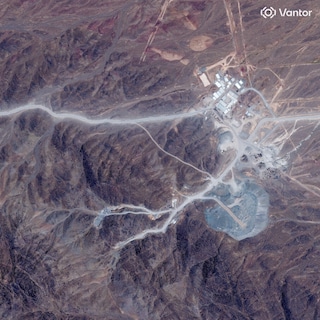
Mysterieus ondergronds complex Pickaxe staat hoog op Trumps lijst van doelwitten in Iran
de volkskrant · 2 months ago
The wishful thinking behind the war with Iran The wishful thinking behind the war with Iran Expert comment jon.wallace 21 July 2026 Iran has survived war with the US by adapting its doctrine. The US must also change its thinking. Nearly five months after the United States and Israel launched their military campaign against Iran, it is becoming increasingly difficult to escape one conclusion: the central objectives that underpinned Washingtons decision to go war have not materialized.Wars should ultimately be judged not by the number of targets destroyed or sorties flown, but by whether they achieve their political objectives. By that measure, the campaign against Iran deserves a sober reassessment. The expectation that military pressure would trigger regime collapse, force Tehran into political capitulation, or fundamentally degrade its strategic capabilities has, so far, not been borne out. At best, those expectations were overly optimistic. At worst, they reflected wishful thinking masquerading as strategy. First, regime change has not happened – and there is little evidence to suggest the war will bring it about anytime soon. Iran undoubtedly faces deep domestic dissatisfaction. Years of sanctions, inflation, corruption and political repression have generated repeated waves of unrest, culminating in the nationwide protests of late 2025 and early 2026, which were brutally suppressed by the security apparatus.The discontent which led to those protests is likely still brewing. But history repeatedly demonstrates that authoritarian regimes often prove far more resilient under external attack than anticipated. Foreign intervention often allows regimes to recast themselves as defenders of national sovereignty – blunting internal dissent in the process. Opposition movements can be reluctant to mobilize while the country is under attack. That appears to be precisely what has happened in Iran. Rather than imploding, the Islamic Republic has weathered what many in the US and Israel believed would become an existential crisis. Political fractures remain, and the economy continues to deteriorate: the rial touched record lows at the weekend. But the state retains the institutional cohesion, security capacity and elite discipline necessary to survive. The war may even have strengthened some of the very institutions it was intended to weaken.Second, the assumption that Irans military capability has been decisively degraded is difficult to sustain. Throughout the campaign, President Donald Trump repeatedly declared that Irans missile force had been obliterated and that much of its launch infrastructure had been destroyed. Israeli officials similarly highlighted the destruction of launchers, production facilities and command-and-control nodes. Yet developments over the past five months suggest those assessments were, at minimum, premature.Iran has demonstrated a sustained ability to launch ballistic missiles, cruise missiles and drones across multiple theatres, from the Strait of Hormuz to countries hosting US military bases – including recent strikes on Kuwait, Bahrain, Qatar, Iraq and Jordan. Whether acting directly or through its regional partners, Tehran has maintained a tempo of operations inconsistent with claims that its arsenal has been nearly exhausted. There is no reliable public estimate of Irans remaining missile stockpiles or production capacity. Definitive claims about its military depletion are difficult to sustain.Strategic attritionMore importantly, Iran has demonstrated an ability to learn. It has not prioritized preserving its military assets. Instead, it has adapted its doctrine based on previous rounds of confrontation in 2024 and 2025. What once appeared to be operational shortcomings increasingly resemble the learning curve of a military preparing for a prolonged conflict rather than a single decisive exchange. Iran has not sought battlefield dominance but strategic attrition, gradually increasing the political, economic and military costs for its opponents In 2024, Iran carefully choreographed its military response to both Israels attack on its Syrian consulate in April of that year and the assassinations of Hezbollah and Hamas fighters that October. Missile attacks on Israel were launched in measured waves, often lacking precision. Even its retaliation for US strikes against Fordow and other nuclear facilities in June 2025 appeared designed to demonstrate resolve without provoking an uncontrollable regional war. This was read by some as hesitation or lack of capability. But it is now clear that it was strategy.Iran possessed greater capacity to escalate, as it has demonstrated in the current war. But it chose not to exhaust its options. That restraint, interpreted by some as weakness, is consistent with a strategy of preserving escalation options while collecting valuable intelligence on Israeli and American missile-defence systems, response times and interception patterns. In the 2026 conflict, Iranian targeting has become noticeably more selective. Rather than launching as many projectiles as possible, Tehran has focused on maximizing the strategic value of each strike. Attacks against Gulf energy infrastructure, ports and logistics nodes generate disproportionate economic, political and psychological consequences for the US and countries in the region.This reflects a fundamentally different theory of victory. Iran has not sought battlefield dominance, but strategic attrition, gradually increasing the political, economic and military costs for its opponents over time. In other words, Iran appears less focused on winning a short war than on managing a long confrontation, imposing incremental costs on its adversaries while preserving military and political options for future rounds of escalation.Making a dealThe final assumption of the war, that Iran would capitulate politically and agree to a deal beneficial to the US and Israel, also proved wrong. Tehrans red lines remain remarkably similar to those that existed before the war. Enrichment of uranium on its soil remains non-negotiable. Its ballistic missile program may be damaged and depleted to some extent but is still central to its deterrence strategy. Its support for its proxies across the region has not been weakened (though its ability to fund and supply them may have been). In fact, the war has caused Tehran to expand the range of issues it considers core national interests, now adding control of the Strait of Hormuz to its list of red lines. Related work Iran and the new Persian Gulf equilibrium Far from appearing weakened, Iran increasingly projects confidence that it has weathered the storm. Whether that confidence is justified is almost secondary. It is Tehrans perception of its situation that will shape its behaviour.This is why the current trajectory is so troubling. If policymakers continue to base their strategy on assumptions that have repeatedly failed – that the regime is on the verge of collapse, that military pressure alone will produce capitulation, or that additional strikes will fundamentally alter Tehrans calculations – they risk fighting a war with an Iranian regime that exists more in their expectations than in reality.The likely outcome is neither decisive victory nor durable peace, but an increasingly familiar cycle of tit-for-tat, temporary ceasefires, failed negotiations and renewed escalation. Each fresh round of fighting will doubtless be presented by the US as the one that will finally break Tehrans resolve. Yet each round is more likely to convince Iran that strategic patience, rather than compromise, remains its best option.Until US assumptions are revisited, the war risks becoming self-perpetuating, driven less by achievable political objectives than by the hope that the next round of military pressure will succeed where every previous round has failed.
chatham house · 2 months ago

Israel Believes Iran Moved Nuclear Centrifuges Into Pickaxe Mountain The U.S. has reviewed the assessment, and President Trump has threatened to attack the site.
wsj · 2 months ago
Israel and Lebanon trial safe zones in southern Lebanon as part of deal Lebanese President Joseph Aoun is in Washington to meet with US President Donald Trump in the first official visit by a Lebanese head of state since 2009. It comes at a moment of high stakes for the country. Israeli forces are now occupying a significant portion of southern Lebanon following rocket attacks by Hezbollah on northern Israel. Tel Aviv insists that the Iran-backed militia be disarmed before it withdraws, something the Lebanese army is likely unable to accomplish. As a result, Israel has launched a "pilot programme" for "safe zones", which effectively sees Israel hand control of three Lebanese villages to the Lebanese Army, as Beirut tries to assert its authority.
france24 · 2 months ago
Beirut hopes to gain Trump support to bring normality back to south Lebanon Lebanese President Joseph Aoun is set to meet with his US counterpart Donald Trump in Washington on July 21, as Beiruts military moved into an area of the south under a deal with Israel to disarm Hezbollah. The pilot safe zones comses as Lebanon is under pressure to prove that it can and will disarm Iran-backed Hezbollah, which Israel has set as a precondition for ending its occupation in southern Lebanon. FRANCE 24s Renée Davis tells us more from Beirut.
france24 · 2 months ago
Replay: Lebanons Joseph Aoun and USs Donald Trump hold press conference Rewatch as Lebanese President Joseph Aoun meets US President Donald Trump as pressure mounts on Beirut to disarm Hezbollah.
france24 · 2 months ago
As he hosts the Lebanese president, Trump says the US will help the country US and Lebanese Presidents Donald Trump and Joseph Aoun met for the first time ever on July 20, as Trump hosted his Lebanese counterpart in the White House. This comes as the Lebanese army is taking over pilot safe zones in South Lebanon as pressure builds on the government to disarm Hezbollah and it seeks to get Israel to leave the region. FRANCE 24s Fraser Jackson tells us what to know from that meeting.
france24 · 2 months ago
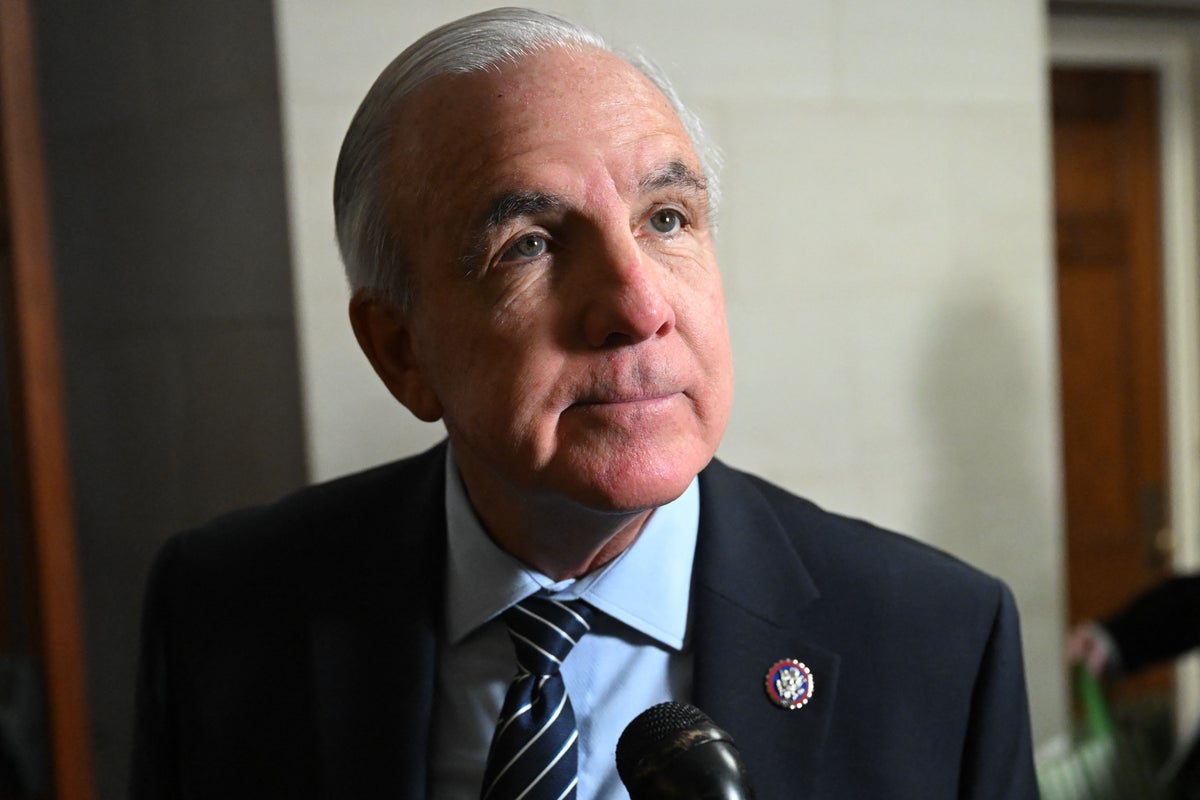
MAGA congressman shrugs off Americans killed in Iran as the nature of warfare Three American service members were killed in the Middle East over the weekend as the US and Iran continue to exchange strikes
independent · 2 months ago
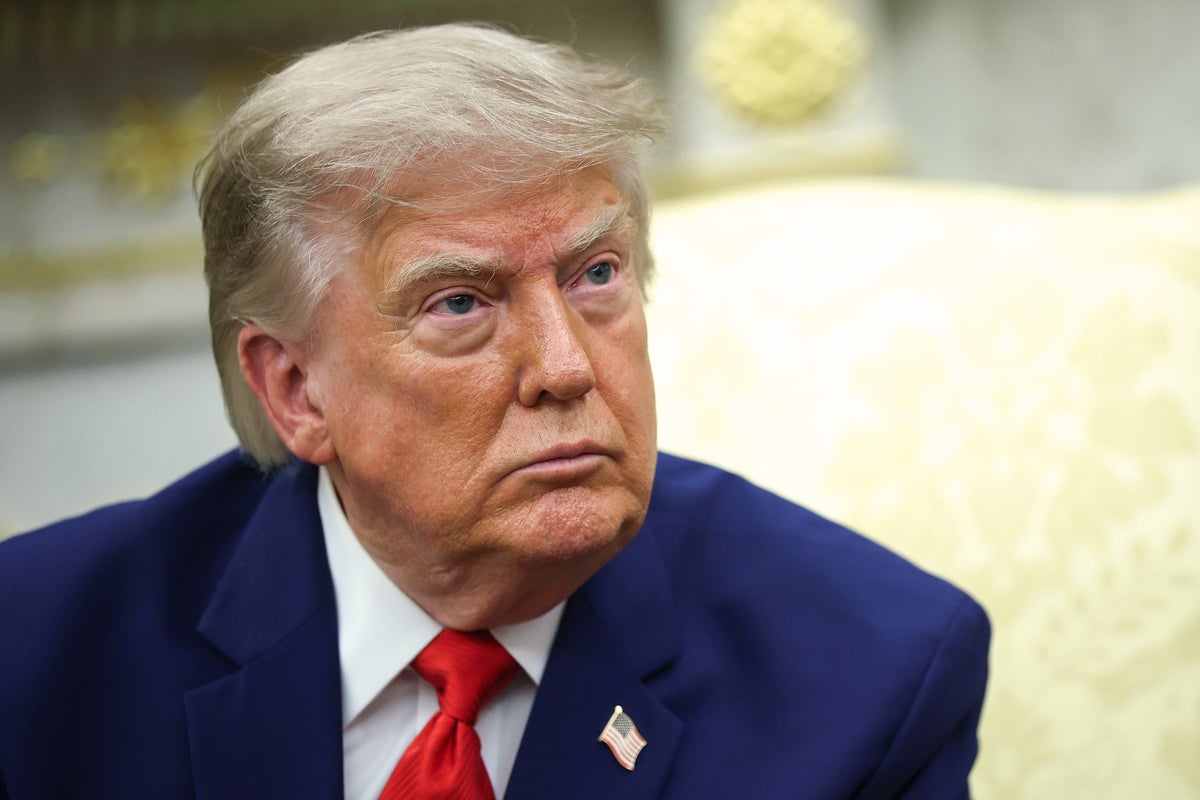
Trump warns Iran the US has been nice so far in attacks as threat of full-blown war grows President Donald Trump snapped at female reporter yet again when pressed on whether he has a plan for the escalating war
independent · 2 months ago
Israel has no interest in joining US war on Iran, says Smotrich Israeli Finance Minister says Israel has "no interest" in joining the renewed US military campaign against Iran.
aljazeera · 2 months ago
U.S. strikes Iran and Houthis threaten Saudi Arabia shipping as mediators push 10-day ceasefire The latest cycle of strikes comes amid reports that regional mediators have presented Washington and Tehran with a proposal for a 10-day ceasefire.
cnbc · 2 months ago