Loading…
 Friday, September 25Friday, September 25
2 months · 18 summary articles
The US military has conducted airstrikes on Iran for the 13th consecutive night, targeting military command centers, drone storage sites, and coastal surveillance sites. President Donald Trump has threatened to use frozen Iranian assets to pay for damages caused by Iran to ships and cargo.
The strikes, which began just after midnight and lasted approximately three hours, aimed to hold Iran accountable and reduce threats to commercial shipping from the Islamic Revolutionary Guard Corps, according to a statement from the US Central Command (Centcom) on X. Explosions were reported in several Iranian cities, including Ahvaz, Andimeshk, and Omidiyeh, as well as on Qeshm Island in the Strait of Hormuz.
Iranian state media reported that four people were killed and five injured in a US missile strike on the city of Ahvaz. The strikes also targeted military posts in Kuwait and US missile systems, weapons, and fuel storage sites in Jordan, according to Iranian state media.
The conflict has escalated with attacks on Saudi oil tankers in the Red Sea by Yemen's Houthi rebels, who are backed by Iran. The Houthis claimed responsibility for striking the tankers Encelia and Layla, which they accused of violating their maritime blockade against Saudi Arabia. The attacks on the tankers have driven oil prices above $100 a barrel for the first time since May, raising fears of a wider regional conflict.
President Trump has warned that if the Houthis continue their attacks, the US will hold Iran responsible and inflict major military punishment on both Iran and the Houthis. Trump also stated that any damages to ships and cargo caused by the ongoing conflict with Iran will be paid using Iranian funds currently under US control.
Iran has responded to the threats by warning that the use of its frozen assets would set a dangerous precedent. Iranian Foreign Minister Abbas Araghchi stated on X that such actions would lead to chaos and that no one's assets would be safe if governments normalize confiscation.
The conflict has also led to increased insurance costs for shipping through the southern Red Sea and has caused several tankers to change course to avoid the Strait of Hormuz and the Bab-el-Mandeb strait, the second most important energy shipping route after the Strait of Hormuz.
The situation remains tense, with both sides exchanging military strikes and threats, and the potential for further escalation looms large.
Follow us for live European news

Oil tankers change course in Red Sea after Houthi blockade threats Several oil tankers have altered course in the Red Sea following threats and attacks by Yemens Houthis, including a strike on the Saudi tanker Encelia. The Iran-aligned group announced a maritime blockade on Saudi Arabia, raising concerns over further disruption at Bab al-Mandab.
yenisafak · 2 months ago
Explosions heard in southeastern Iran amid possible US attack fears Several explosions were heard in Konarak County in Irans southeastern Sistan and Baluchestan province, Iranian media reported. No official information has been released on the cause or possible casualties, as regional tensions continue to escalate.
yenisafak · 2 months ago
Brent crude jumps near $100 as tanker attacks, Iran-US tensions spike Brent crude surged nearly 5 to around $98.7 a barrel, its highest since late May, as fresh tanker attacks near Saudi Arabia and escalating US-Iran tensions raised supply fears. The Houthis claimed responsibility for striking two Saudi tankers.
yenisafak · 2 months ago
Rubio: Houthis suckered into Iran war by Tehran, should stay out US Secretary of State Marco Rubio said in Manila on Thursday that Yemens Houthis were "suckered into" the Iran conflict by Tehran, warning the militia to cease attacks on Saudi Arabia and shipping while declaring that President Donald Trumps policy remains "a head for an eye."
yenisafak · 2 months ago
Kuwait intercepts Iranian missiles and drones targeting its territory Kuwaits air defence systems have been intercepting Iranian missiles and drones targeting the country, the military said. Explosion sounds heard across the country were caused by interception operations, with the attacks reportedly targeting a US-operated air base.
yenisafak · 2 months ago
#USA #Iran President Trump announced that any damages to ships and cargo caused by the ongoing conflict with Iran will be paid using Iranian funds currently under U.S. control. This decision aims to hold Iran financially responsible for disruptions in maritime traffic. Subscribe to @OSINTdefender Chat room
telegram_OSINTdefender · 2 months ago
Nya attacker mot Iran 13:e natten i rad • USA: Ställa Iran till svars
expressen · 2 months ago
Middle East live: US launches new strikes on Iran as oil prices skyrocket The United States launched a new series of strikes in Iran on Friday, while Iran-backed Houthi rebels opened a second front in the conflict, attacking Saudi tankers in the Red Sea and sending oil prices skyrocketing. Follow our liveblog for the latest developments.
france24 · 2 months ago
US launches 13th night of strikes as Iran warns of escalation in the Gulf Al Jazeeras Tohid Asadi reports from Tehran as the US launches strikes for the 13th consecutive night.
aljazeera · 2 months ago

US military says it completed 13th consecutive night of strikes on Iran reut.rs/3Thzq9X
bluesky_Reuters · 2 months ago
War spreads to Red Sea as Houthis strike Saudi tankers and Trump vows retaliation against Iran Yemens Houthi fighters struck two Saudi oil tankers in the Red Sea on Thursday, extending the Middle East war to a second major shipping chokepoint and prompting President Donald Trump to threaten Iran with major military punishment as oil prices surged past $100 a barrel for the first time since May. If they do this […]
in-cyprus · 2 months ago
Iran war live: US completes 13th night of strikes on Iran Trump says he is considering a massive attack, as Irans Araghchi says mindless aggression wont help a deal.
aljazeera · 2 months ago
🇺🇸❌🇮🇷 — CENTCOM announces the completion of its 13th wave of strikes on Iran. TAMPA, Fla. — U.S. Central Command (CENTCOM) forces successfully completed the 13th straight night of strikes against Iran, July 23, at 9 p.m. ET. CENTCOM targeted Iranian military command centers, drone storage facilities, communication networks, coastal surveillance sites, and maritime capabilities to further diminish the threat Iran poses to civilian mariners and commercial vessels transiting the Strait of Hormuz. The international waterway remains open for transit despite recent attacks from Irans Islamic Revolutionary Guard Corps. Commercial vessels continue to freely navigate the strait with U.S. military support. More than 50,000 U.S. service members are currently operating across the Middle East. @IntelSlava
telegram_Intel Slava · 2 months ago
Krieg in Nahost: Trump will Iran für Schäden an Schiffen bezahlen lassen Schäden dieser Art würden laut US-Präsident ab sofort mit iranischem Geld beglichen, das von den USA kontrolliert werde. Teheran reagiert mit warnenden Worten. Das US-Militär hat die 13. Nacht in Folge Ziele in Iran angegriffen.
sueddeutsche · 2 months ago
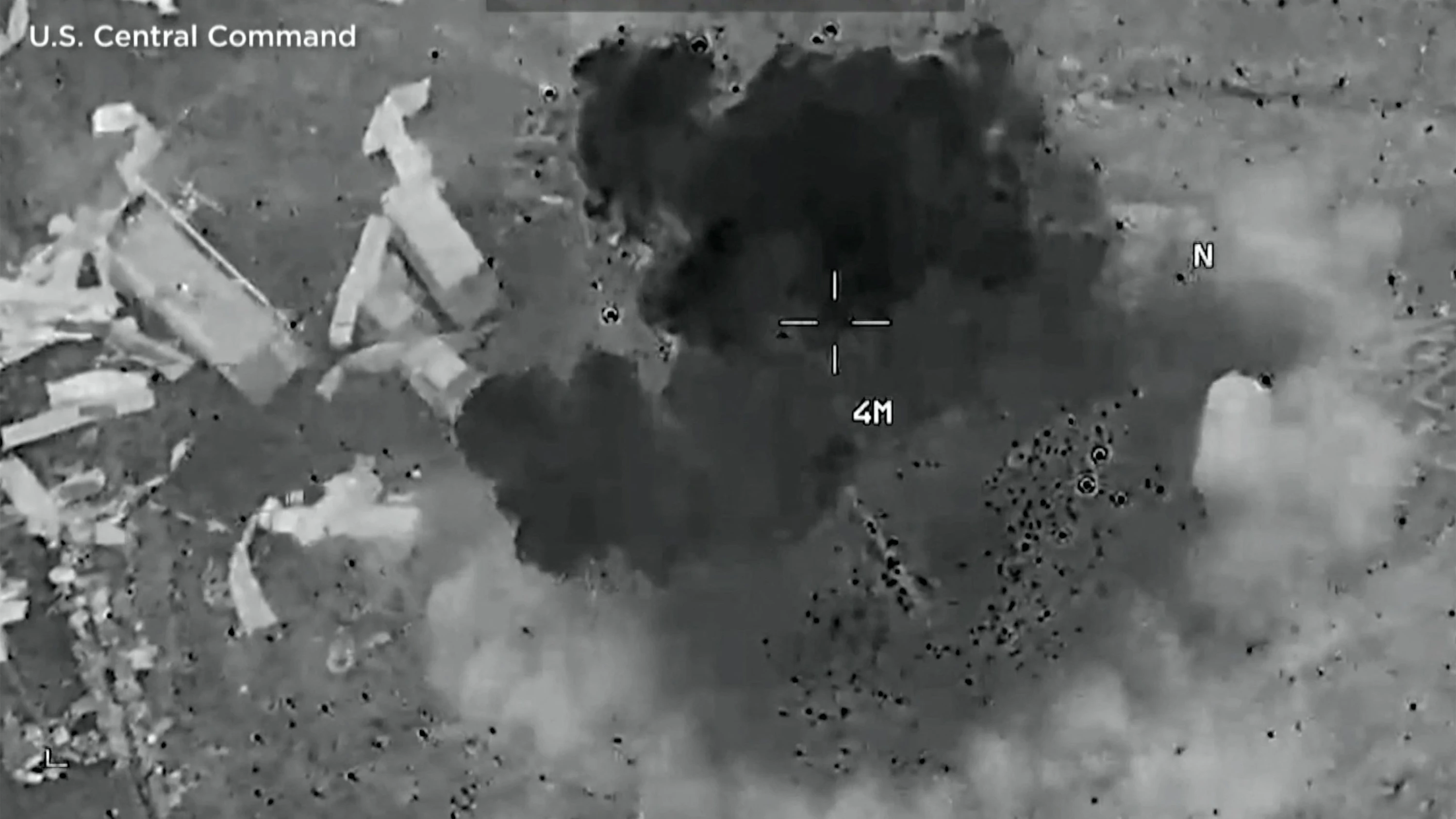
Liveblog Irankrieg: USA fliegen abermals Angriffe gegen Iran 13. Nacht in Folge +++ Trump droht Huthi-Miliz „bedeutende militärische Bestrafung an +++ Iran greift US-Stellungen in Jordanien und Kuwait an +++ Atommacht Pakistan droht Huthi +++ alle Entwicklungen im Liveblog
faz · 2 months ago
Eingefrorene iranische Vermögenswerte: Iran warnt die USA vor Beschlagnahme von Geldern US-Präsident Trump will Schiffsschäden im Irankrieg mit konfisziertem Vermögen reparieren. Irans Außenminister Araghtschi sieht einen »brandgefährlichen« Präzendenzfall.
die zeit · 2 months ago

🟠 UPDATETrump threatens largest strikes on Iran amid regional attacksUS launches strikes for the 13th consecutive night; Iran warns of escalation in the Gulf.📰 #USA #Military #Geopolitics #GeoWire
mastodon bot · 2 months ago
Trump says damage to ships in Strait of Hormuz to be paid from Iranian funds President Donald Trump has said any damage to ships or cargo in the Strait of Hormuz will be paid for using Iranian funds held in the US. The announcement came as the conflict between Washington and Tehran continues for nearly two weeks.
yenisafak · 2 months ago
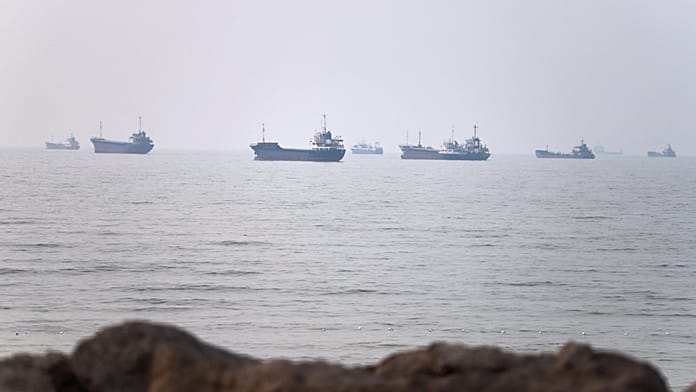
Trump threatens to use frozen Iranian assets to pay for shipping damage Tehran said Friday that US President Donald Trumps threat to pay for shipping damage with Iranian assets was an incendiary precedent.
euronews · 2 months ago
US strikes near Irans Ahvaz kill four as sirens sound in Jordan, Kuwait US strikes near Ahvaz in southwestern Iran have killed four people and injured five, Iranian media reported. Air raid sirens were activated in Jordan and explosions were reported near US bases in Kuwait following the 13th consecutive night of US strikes.
yenisafak · 2 months ago
CENTCOM completes 13th consecutive night of strikes on Iran US forces have carried out a 13th consecutive night of strikes on Iranian military infrastructure, targeting command centres, drone storage and communication networks. The attacks aim to reduce threats to commercial shipping in the Strait of Hormuz.
yenisafak · 2 months ago
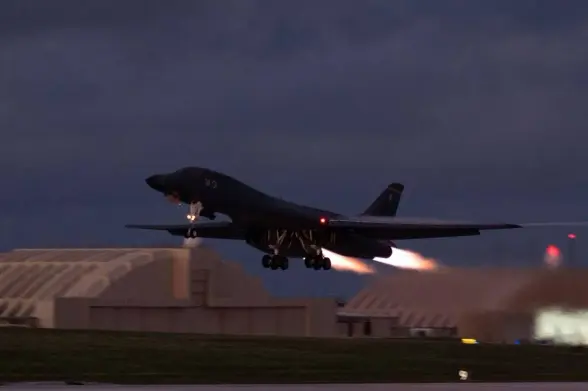
Iran strikes three American soldiers dead as Gulf war expandsThirteen consecutive nights of US strikes, three soldiers killed in Jordan, and Irans Houthi proxy preparing to close the Red Sea. The Gulf is no longer a slow boil. Plus: Indias $152 billion chip bet and what it means for the China race. #Geopolitics #News
mastodon bot · 2 months ago

Trump vows to punish Iran and Houthis for attacks in Red Sea reut.rs/4wjebmC
bluesky_Reuters · 2 months ago

Trump Says Iran Will Be Held Responsible for Future Houthi Attacks The president threatened Iran and the Yemen-based rebels with major military punishment after the Houthis fired on two Saudi tankers in the Red Sea.
wsj · 2 months ago
Jordan intercepts 4 Iranian missiles after explosions rock Aqaba Jordans military said Wednesday it shot down four Iranian missiles over the kingdom after air defense systems detected six projectiles launched from Iran, while warning sirens sounded in the southern city of Aqaba and commercial flights diverted their courses amid the threat.
yenisafak · 2 months ago
Iran threatens strikes on regional energy infrastructure if US targets its assets Iran has warned it will strike regional energy infrastructure if the US targets its bridges or power plants, following President Trumps threat to bomb Iranian infrastructure over shipping in the Strait of Hormuz. A military source said Tehran has a "steel determination" to control the waterway.
yenisafak · 2 months ago
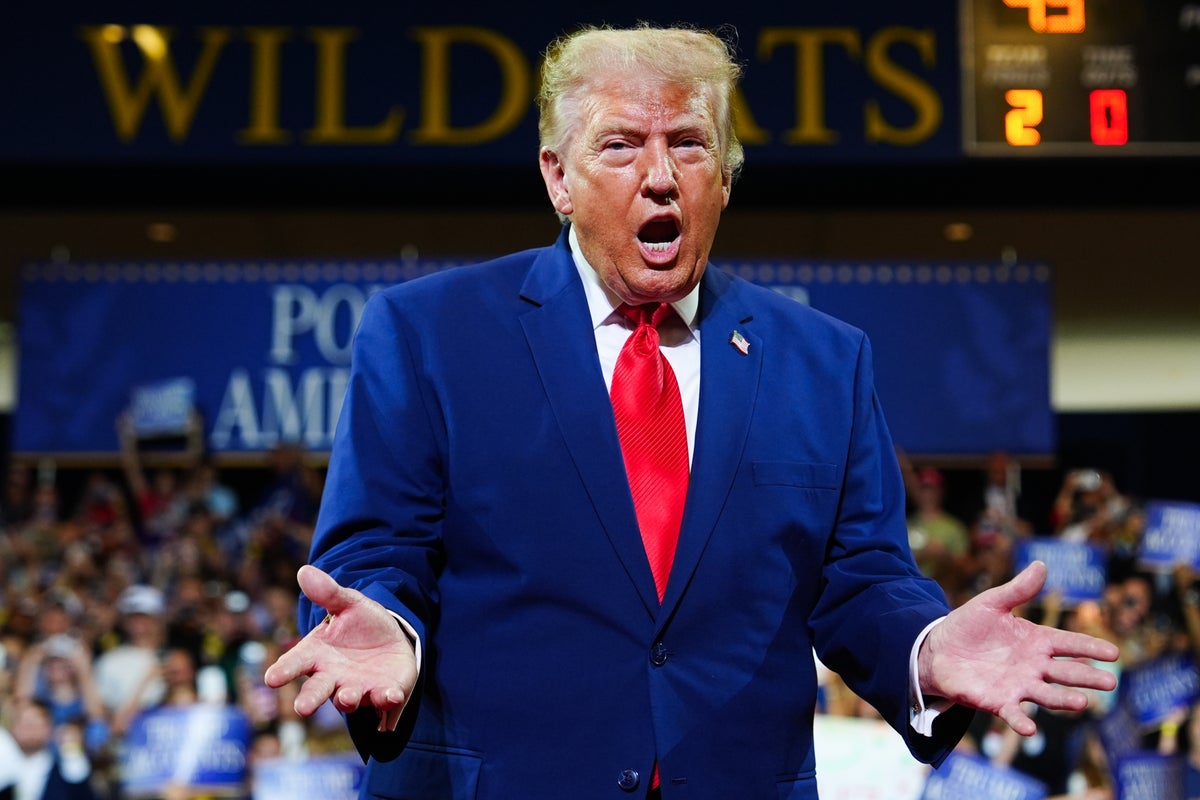
Iran-US war latest: Oil prices surge above $100 as Trump weighs broader Iran offensive They havent received enough pain yet, president warns after attacks on ships crossing the Red Sea
independent · 2 months ago
Irans IRGC claims attacks on US military sites in Kuwait and Jordan Irans Islamic Revolutionary Guard Corps has claimed it carried out attacks on US military bases in Kuwait and Jordan, destroying Patriot systems, drone hangars and fuel facilities. The IRGC said it caused US casualties and damaged helicopters and drones.
yenisafak · 2 months ago
CENTCOM completes 12th consecutive night of strikes against Iran US Central Command has completed its 12th consecutive night of strikes against Iranian military targets, targeting missile and drone storage facilities, coastal surveillance sites and air defence assets. The US has also resumed a naval blockade, redirecting commercial vessels from Iranian ports.
yenisafak · 2 months ago
Two killed in US strike on Irans Shalamcheh border crossing with Iraq Two people were killed and 11 injured in a US strike on Irans Shalamcheh border crossing with Iraq, officials said. A separate strike targeted an area near Andimeshk in Khuzestan province as US operations against Iran continue.
yenisafak · 2 months ago